Extreme is the way

Ultra Metal: The Sound of Rebellion in 1980s Colombia – Part two

After Batalla de las Bandas, this new musical movement grew with numerous bands. Some lasted only a short time, others are still active, but all have passed down to future generations their stylistic legacy, which remains exemplary today.

The Bands at the Forefront

Ultra Metal spread among fans in Medellin, gradually drawing enthusiasts who went on to form the first bands.

Yet, gaining a wider audience was a challenge: considered extreme, blasphemous, and socially nonconformist, these groups struggled to reach listeners still unfamiliar with or unappreciative of metal.

Many had short lifespans, while others endured, but few received the recognition they deserved. At this point, it’s essential to highlight the key players of this historical and musical period.

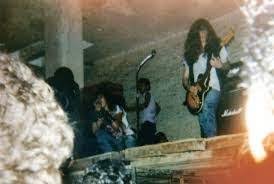
Parabellum during a live performance. Sound Overwhelming Everything

Parabellum is widely regarded as the quintessential Ultra Metal band. Founded in 1983 under the name Juana la Loca, the lineup included Ramón Restrepo (vocals), Carlos Mario Pérez aka “La Bruja” (guitar), Cipriano Álvarez (drums), and Jhon Jairo Martínez (guitar).

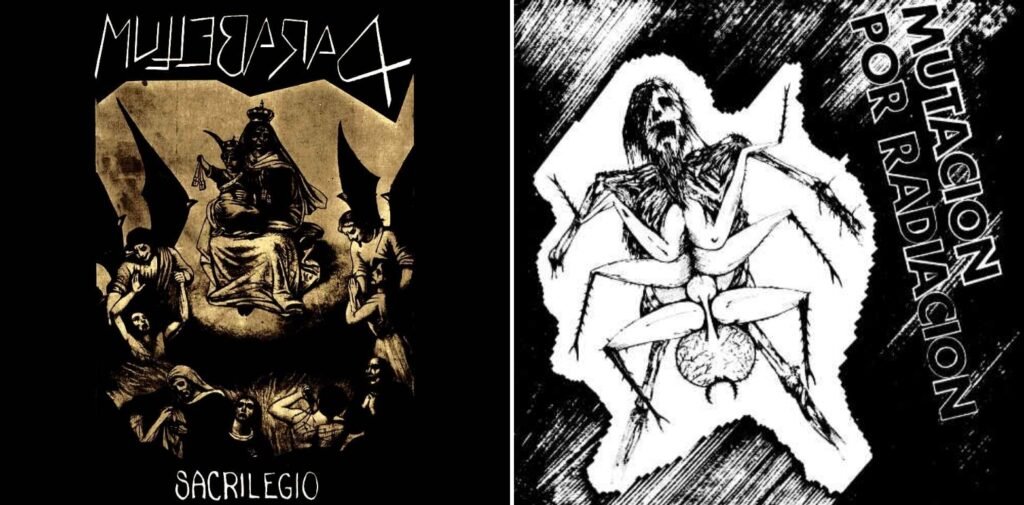
Their career was brief, ending in 1988, but in those five memorable years, they made history. Their few but powerful EPs, Sacrilegio and Mutación por radiación, featured striking, original covers hinting at the intense music within: two tracks per side, both long by extreme metal standards. Quality over quantity was their creed.

The cover of Sacrilegio and Mutación por radiación

Rough, raw, and violent, Parabellum’s music fused death, black, and grindcore, dragging listeners into moments of pure madness. The track Madre Muerte epitomizes their style: avalanche-like double bass, claustrophobic riffs, and guttural, primal vocals.

Despite occasional melodic pauses, the band assaults the listener’s eardrums relentlessly, aided by raw production and doom-laden passages that make the music darker and more captivating. After these EPs, Parabellum disbanded, but its members, involved in other projects, continued to carry forward Colombia’s extreme music tradition.

Among the first Ultra Metal bands was Mierda (literally “shit”).

The Ordoñez Carmona brothers, Olimpo and Oswaldo, were close friends of Parabellum and shared the same interests and passions. In 1983, they decided to create another project to shake up Medellin’s underground. With help from Andrés Peña, they formed a band ready to perform at Batalla de las Bandas.

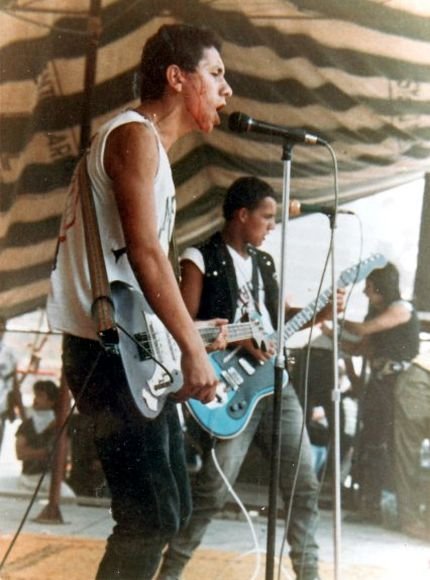
Mierda performing at Batalla de las Bandas

Their surviving legacy is a demo recorded at that event: screaming, nearly unlistenable solos, and chaotic drumming.

While not far from Parabellum’s formula, Mierda’s approach made everything even more extreme: distorted, low-tuned guitars, exasperated vocals, and drums alternating between violence and sudden pauses. In a matter of minutes, Mierda left a fundamental mark on Ultra Metal, introducing audiences to a completely new dimension.

Reencarnación, another band that survived over the years while experimenting with its style, was founded in 1986 by Víctor Raúl Jaramillo, aka “Piolín,” already active in other side projects.

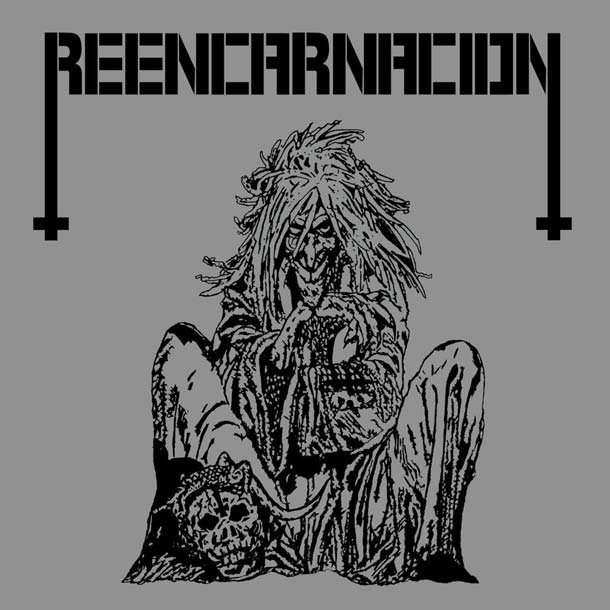
Joined by drummer Germán Villa and guitarist Federico López, Piolín performed his first concert in the Castilla neighborhood and released a demo in 1987 titled Dioses Muertos. Most of its tracks later appeared on the 1988 self-titled debut, the first full-length ever recorded by a Colombian extreme band.

The cover of Reencarnación

The demo’s cavernous sound differs from the more polished album, yet the style remains intact: abrasive growls, frenzied guitars, lightning-fast rhythms, and surprising additions such as violins on two tracks.

Later, Reencarnación experimented with acoustic and more experimental albums like Egipto and Visiones Terrenales, before returning to a rawer, more refined sound, but it was their early work that established them as key figures in Ultra Metal.

Blasfemia, founded in 1986 by Ramón Restrepo and Jhon Jairo Martinez, emerged as a spinoff from Parabellum. With drummer Luis Fernando Cano, they released their most iconic work, the debut EP Guerra Total, in 1988.

Its sound is unrelenting: two tracks (Presagio and Más allá de la ignorancia) echo the first wave of black metal with screaming akin to Quorthon, while Postmortem leans more thrash.

However, Blasfemia disbanded in 1988, reforming in 2013 with a new lineup after Cano’s departure and Martinez’s tragic murder in 1998.

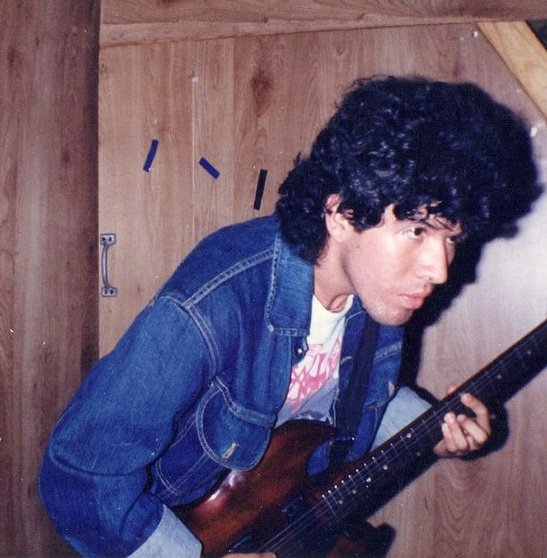
Jhon Jairo Martinez

Speaking about individual musicians, a central figure in the Colombian extreme scene was Mauricio Montoya, aka Bull Metal. A skilled drummer, he was active in Medellin’s underground, promoting local bands and collaborating on numerous Ultra Metal projects including Ekhymosis, Amén, Neurosis, Sacrilegio, and especially Masacre. The band, still active, gained notice through demos and EPs such as Colombia… Imperio del Terror and Ola de Violencia.

Their first full-length, Reqviem, reflects Ultra Metal’s chaotic fusion of extreme styles, dominated by death metal: brutal growls by Alex Oquendo, doom-laden guitars by Juan Carlos Gómez, and a relentless rhythm section with Bull Metal on drums and Dilson Díaz on bass. Later albums refined their sound without losing extremity.

Masacre became a cult band, producing four more studio albums and surviving multiple lineup changes, although losing Bull Metal in 2002 after his death.

Other notable acts include Agressor, active since 1986 and leaning more toward death metal; Nekromantie, Carlos Londoño’s creation, a lethal blend of black and thrash metal; Profanación, who were active for only three years and released a death/black-tinged demo; Astaroth, performers of dark death metal fused with black metal; and Sargatanas, known for their raw and explosive EP Devastación Infernal.

Finally, among the representatives of Ultra Metal, there were also bands that followed a slightly lighter style compared to their peers, leaning more toward traditional heavy metal or classic thrash. In addition to the previously mentioned Ekhymosis, this includes Glöster Gladiattor and Danger.

The Legacy of Ultra Metal

What was happening in Medellin had a truly unique style, unlike anything emerging elsewhere at the time—perhaps precisely because it was, paradoxically, less “contaminated” by outside influences.

It’s obvious that these bands lacked the resources and opportunities to record albums or go on tour. Combined with the fact that their creators had little interest in seeking recognition beyond Colombia, Ultra Metal remained a secret known only to passionate fans and purist followers of the global underground, passed down carefully among a select few.

And yet, today it seems that Ultra Metal has laid the groundwork—or at least served as a major influence—for extreme metal, particularly shaping the sound and aesthetics of black metal.

Mauricio Montoya aka Bull Metal

Bull Metal, drummer of Masacre, was an avid tape trader, corresponding with musicians around the world, including Euronymous, Mayhem‘s leader. As a result, Mauricio Montoya sent recordings of his own band, as well as Parabellum and Reencarnación, to Norway to introduce the Colombian extreme scene.

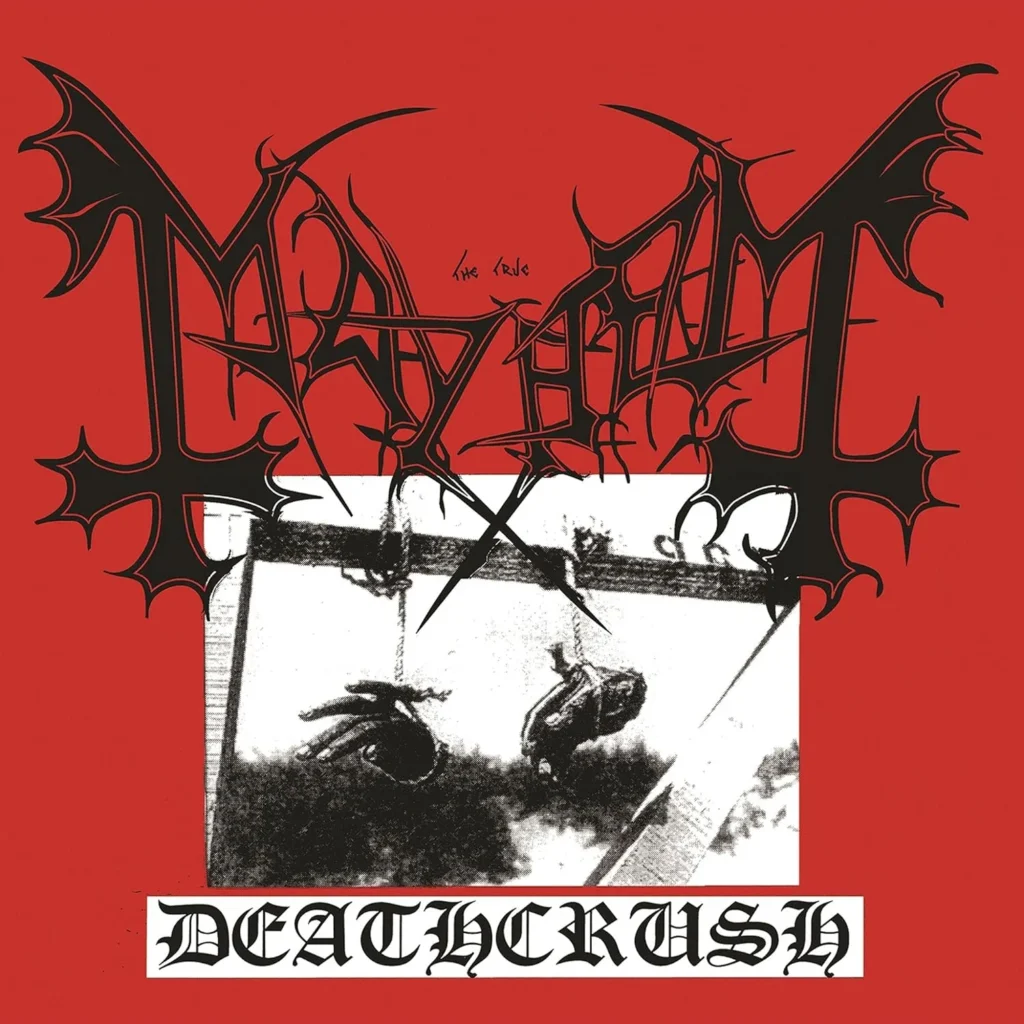
Legend has it that Euronymous was so impressed that he incorporated Ultra Metal elements into Deathcrush, Mayhem’s first release. The influence went beyond the sound: Colombian bands lacked proper recording equipment, so their raw, gritty style relied on what we now call lo-fi (literally “low-fidelity”).

While Parabellum and Blasfemia’s roughness came from necessity and chaotic structures, Norwegian acts like Darkthrone and Burzum adopted the lo-fi approach intentionally, using minimal gear and rejecting polished standards. Not coincidentally, A Blaze in the Northern Sky and Under a Funeral Moon were recorded at Creative Studios—the same studio Mayhem used for Deathcrush—absorbing the Colombian lo-fi ethos and spreading it into black metal.

Deathcrush, first Mayhem's EP, influenced by Ultra Metal

The legacy left by Medellin’s Ultra Metal bands wasn’t fully appreciated at the time. Many of their releases gathered dust on the shelves of the few collectors who managed to hold onto them, while countless copies were lost, dismissed as low-quality.

It wasn’t until the digital era that these recordings were rediscovered, sparking a wave of collectors hunting down the rare originals, which suddenly became highly valued.

Even today, Ultra Metal exists in a sort of eternal duality: on one hand, its reach was limited; on the other, its foundational influence remains undeniable. This tension is part of what makes the scene so unique, especially when considering the context in which these musicians operated.

Driven by a mix of passion and defiance against a reality filled with violence, corruption, and disorder, they forged something entirely new—a bold, uncompromising sound that would secure a lasting, if initially overlooked, place in the history of extreme metal.

Related articles

Leave a Reply

Your email address will not be published. Required fields are marked *

Share