
Extreme is the way

USBM: The History of American Black Metal – Part one

The United States has always been fertile ground for the emergence of new extreme music scenes. One of these is USBM, which, throughout its history, has had its ups and downs, its evolution, its die-hard fans, and its share of headlines

Beginnings and Spread

Black metal is not a musical genre limited to the Nordic countries. The movement that emerged after its explosion has gone global, spreading to other continents as well. In the United States, black metal gained popularity a few years later than in Sweden and Norway, when a group of newcomers began experimenting with the genre, giving rise to what is known as “USBM.”

But what does this acronym mean? For some, it’s synonymous with “norsecore”; for others, however, it represents a journey of growth that continues to this day. Yet, behind this term lies not just a genre, but a full-fledged scene that, throughout its history, has had its ups and downs, its evolution, its die-hard fans, and its share of headlines.

Starting with the absolute pioneers Von, the New Yorkers Profanatica, the Texans Absu, and Andrew “Akhenaten” Harris’ famous Illinois-based project Judas Iscariot, American black metal initially appeared as a “poor imitation” of its European counterpart.
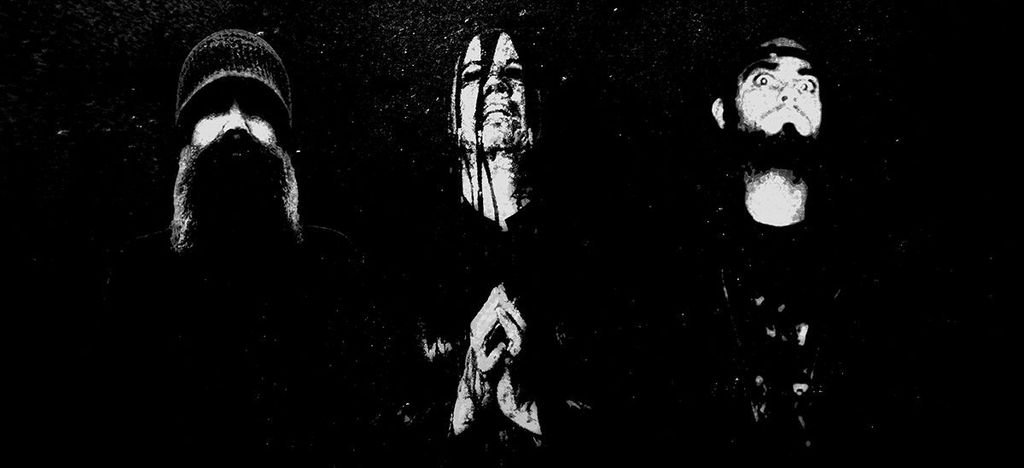
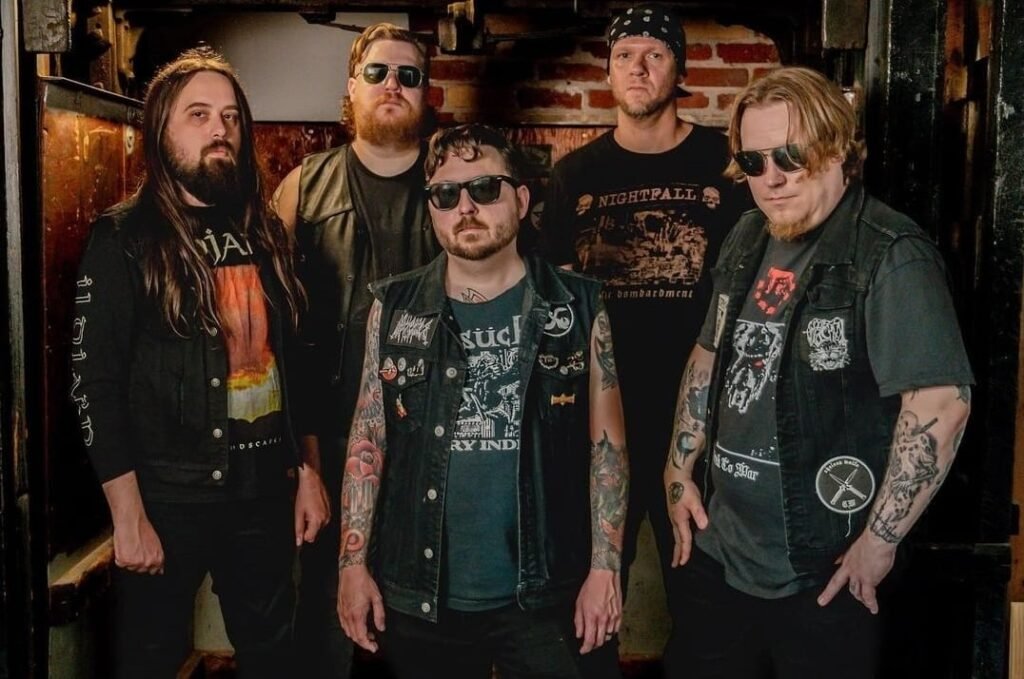
Von, USBM pioneers. No Clean Singing
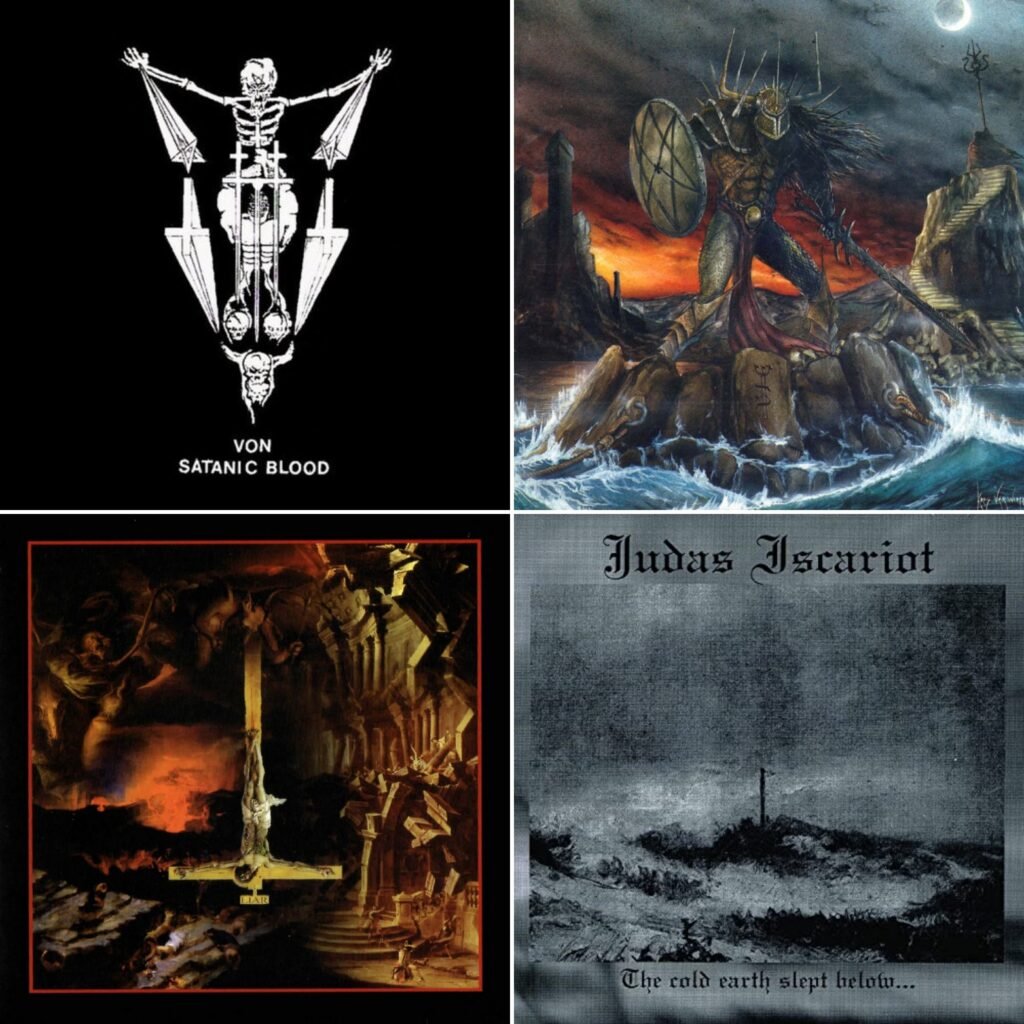
At first, black metal in the United States failed to hold its own against Scandinavia, partly due to the posthumous recognition of cult albums like Satanic Blood, released in 2012 rather than in 1992—the year in which Von recorded those tracks that became seminal in the genre— or Profanatitas de Domonatia, which saw the light of day only in 2007, a full 17 years after Profanatica’s golden age.
 
These albums, made excellent by a more modern and up-to-date production, are nothing more than a reincarnation of what happened 30 years ago—something that would surely have made an immediate impact on the American extreme metal scene, which at the time was on the verge of witnessing the birth of death metal. Public opinion, however, shifted with a series of albums that achieved cult status, such as The Sun of Tiphareth, Absu’s debut album: solid, intricate, powerful, and inspired, hinting at why an album of such caliber allowed the Texans to quickly make a name for themselves at the time.
 
The same fortunate fate befell Akhenaten as well, when in 1996 they decided to record The Cold Earth Slept Below, an album that would go down in black metal history and definitively capture the attention of the European black metal audience overseas.

From left to right, clockwise: Satanic Blood, The Sun of Tipharet, The Cold Earth Slept Below e Profanatitas de Domonatia
Thus, not only did these bands begin to develop their own distinct identity, separate from their Scandinavian counterparts, but they also established a true model for what would soon explode—not so much on a national level as on a local one. Each of the 50 states had its own scene supported by various labels and underground circles, such as San Francisco’s Aquarius Records and New York’s Gilead Media, which drew attention to these increasingly numerous bands.
 
More bands began to emerge, characterized by a unique and well-defined style, with a classical-technical tendency prevailing on the East Coast and an ambient/atmospheric one in the West.
 
Furthermore, also along the West Coast, a movement dedicated to depressive metal developed, among whose pioneers Xasthur stands out—a solo project by Scott Conner—who, through albums such as Nocturnal Poisoning (2002) and The Funeral of Being (2003), developed a hypnotic and suffocating musical language capable of capturing the essence of pain and loneliness, radically distancing itself from the aggression typical of classic black metal.
 
Alongside Xasthur, Leviathan, founded by Jef Whitehead, represents another pillar of American depressive black metal. With works such as The Tenth Sub Level of Suicide (2003) and Massive Conspiracy Against All Life (2008), Leviathan explored the concept of isolation and introspection, combining obsessive rhythms, glacial melodies, and lyrics laden with existential anguish.

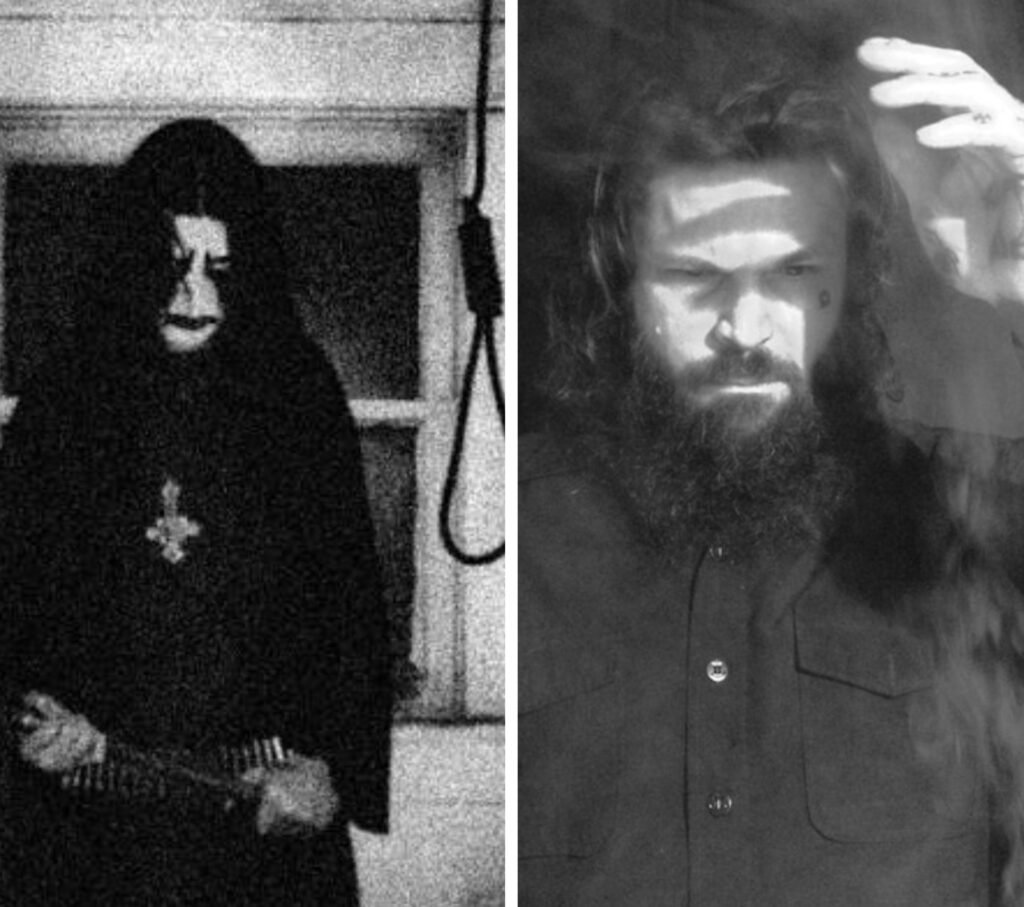
Scott Conner (Xasthur) on the left and Jef Whitehead (Leviathan) on the right
Both projects not only cemented the West Coast’s reputation as the epicenter of American depressive black metal but also influenced a generation of underground bands, demonstrating how American black metal was capable of diversifying and developing unique subgenres without sacrificing its identity.


The rise of the USBM and the Black Metal Mafia

By the mid-1990s, the United States was definitively swept by a new, increasingly substantial wave of black metal: within underground circles, a phenomenon of this musical genre’s spread began, one that even managed to pose strong competition to death metal—a genre born right in Florida and growing rapidly across the rest of the world as well.
 
Over time, however, several crime stories emerged that, though not as severe or notorious as those in Norway, had a devastating impact on society. It was in Southern California that new cults emerged, linked to the beliefs and messages that black metal was progressively spreading, and among the various news stories, there was one in particular reported by La Meteora.

In 1995, in Glendale, California, worshippers arrived at the First United Methodist Church for their usual Sunday mess, expecting the familiar calm of their routine. What they encountered instead was shocking: the church walls had been defaced with inverted crosses, pentagrams, and a variety of anti-Christian slogans. One phrase, in particular, stood out ominously: “Black Metal Mafia.” Authorities quickly launched an investigation, and the first clues were immediately apparent—two empty spray paint cans lying near the building, still bearing the fingerprints of the culprits.
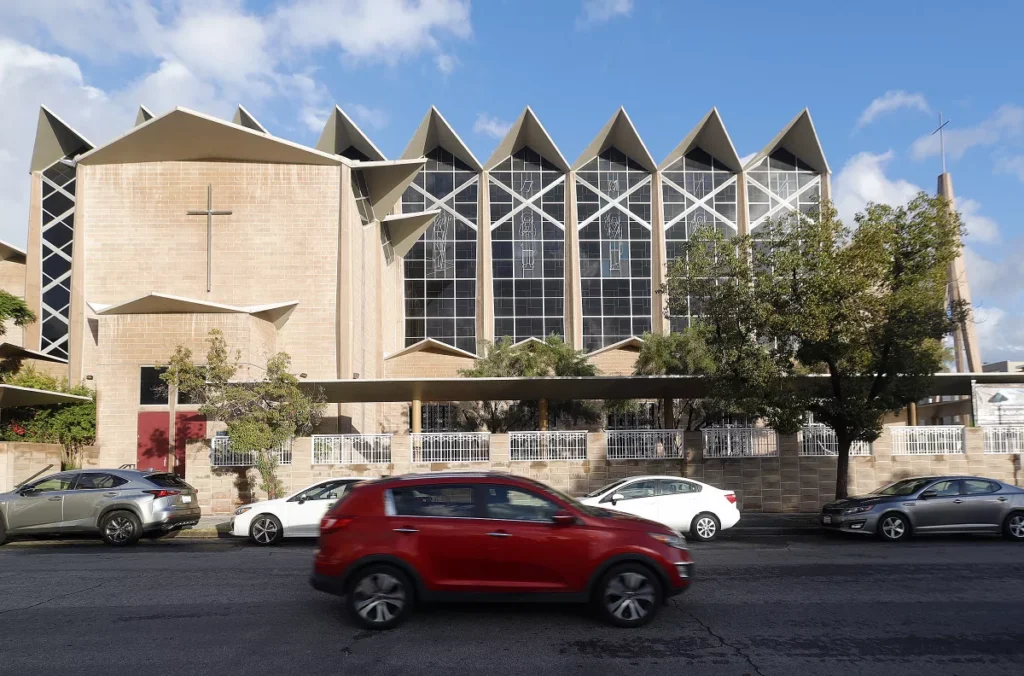
 

The First United Methodist Church in Glendale

The First United Methodist Church in Glendale had become the center of a disturbing mystery. Arrest warrants were soon issued for four individuals, including Robert Nusslein, bassist for Ritual, one of the earliest American black metal bands, which had never achieved the notoriety of its European counterparts. When investigators searched the suspects’ apartments, they discovered not only firearms but also bladed weapons, leaving little doubt about the severity of their intentions. Nusslein and his associates appeared to be attempting to establish a cult modeled after Norway’s infamous Inner Circle, aiming to eliminate Christianity and replace it with a pagan belief system.

Further chilling evidence surfaced: a photograph of Nusslein’s bedroom door, covered with swastikas, blasphemous graffiti, and a list of “people to kill,” including Pope Wojtyla. All four individuals were ultimately sentenced to seven years in prison on charges ranging from vandalism to illegal possession of weapons.

Nusslein, initially deemed mentally incompetent, was first treated in a psychiatric hospital before serving a five-year prison sentence.
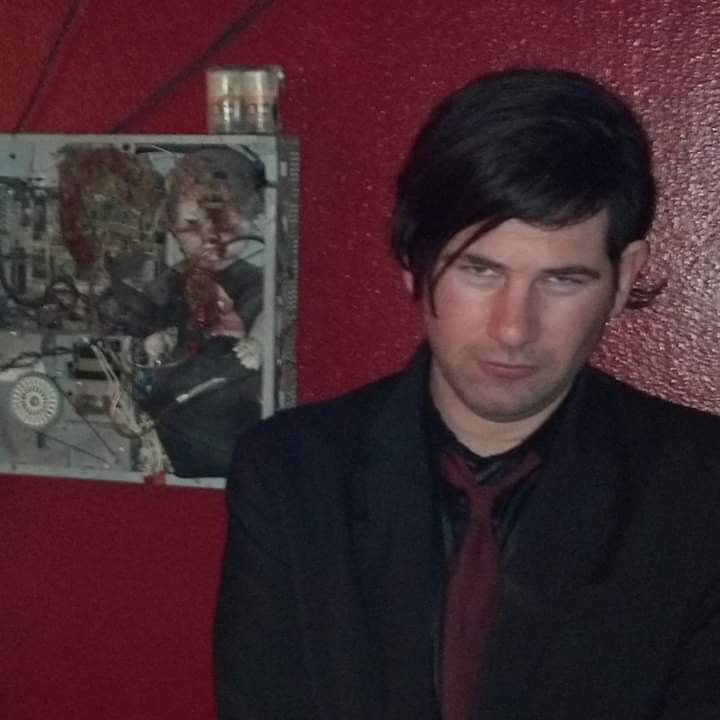
Robert Nusslein, bassist and founder of Ritual

According to the men themselves, they never identified with Satanism or its ideals, firmly denying the claim that they had founded the so-called “Black Metal Mafia.” Yet they did admit to the graffiti that had defaced the church walls, taking responsibility for that act alone.

In the years that followed, a few more arson attacks targeted Christian churches in places like Louisiana, Kansas, and Florida. While alarming, these incidents remained largely isolated. The public’s—and authorities’—attention, however, was captured by the infamous 1995 murder of Elyse Pahler, a case reportedly connected to Slayer, which cast a shadow over these acts and brought renewed scrutiny to the darker fringes of the American metal scene.

Continues

Related articles

Leave a Reply

Your email address will not be published. Required fields are marked *

Share