Medellín: Violence, Poverty, and Extreme Music
In the early 1980s, metal music was taking over record store shelves around the world. That aggressive sound, the anti-conformist fashion, and the rebellious attitude found fertile ground not only in Europe and the United States, but also across South America.
In Brazil, the city of Belo Horizonte saw the rise of a large, extreme scene led by two bands—Sepultura and Sarcófago—that would go on to achieve global fame. In Chile, thrash and death metal were gaining popularity, especially in the capital, Santiago. Yet another Latin American city quietly developed its own extreme movement, one that, though unknown to the mainstream, was solid and deeply rooted.
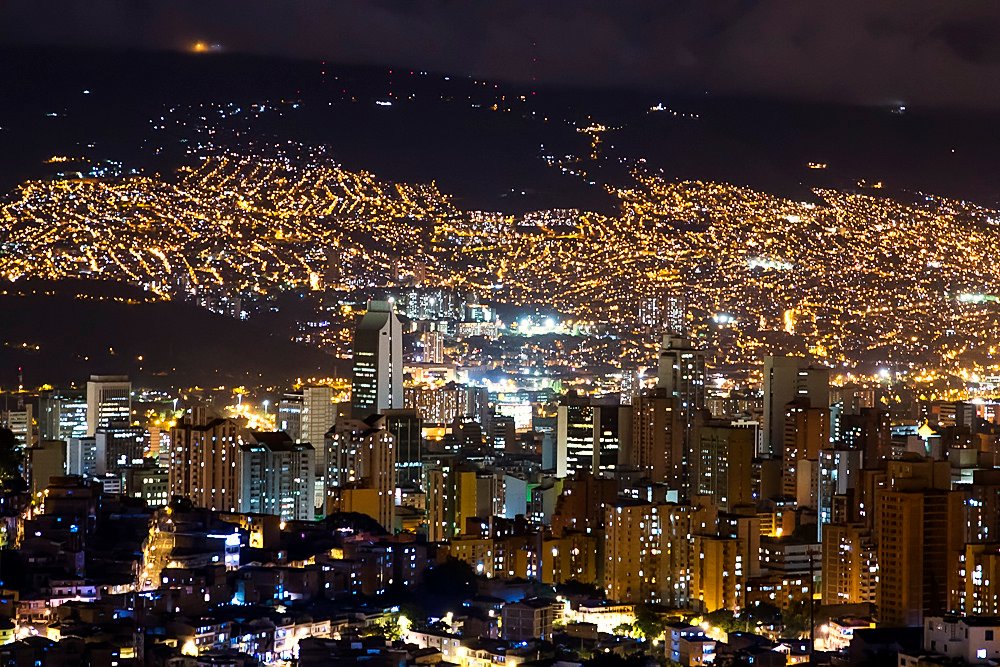
At that time, Medellín was one of the most violent cities in the world. The drug trade, led by Pablo Escobar and his infamous cartel, turned the city into a massive battlefield where thousands of lives were lost daily. Even if you weren’t directly involved, the tense atmosphere was impossible to ignore. For many young people, caught in the chaos of poverty, political corruption, cartel wars, and police attacks, metal became both an outlet and a source of inspiration—a way to escape, at least temporarily, from the harsh realities surrounding them.
Groups of long-haired youths roamed the northeastern neighborhoods of Medellín—Buenos Aires, Manrique, Aranjuez, and Villa Hermosa—wearing black shirts emblazoned with pentagrams, goat heads, and inverted crosses, gradually standing out from the crowd. But in the ultra-Catholic and conservative society of the time, these kids were seen as nothing more than Satan-worshipping criminals. Marginalized and often pursued by the police, they existed on the edge of society.
Metal was still virtually unknown in Colombia, and in a country riddled with political and social unrest, these rebellious youth were impossible to ignore. Yet it was precisely these harsh conditions that fostered unity and brotherhood among Medellín’s metalheads. They gathered in small neighborhood spaces called las notas, huddling around a record player or tape deck to listen to bands like Metallica, Slayer, Venom, and Possessed—groups united by faster, heavier sounds. From these humble beginnings, they began to shape a new reality that would eventually become an integral part of Medellín and Colombia’s music scene.
The Birth of Ultra Metal
Metal may not have been mainstream, but it quickly rooted itself in the local scene.
Trading records and tapes with bands from around the world fueled growing interest in this newly introduced genre. Unlike other regions where subgenres began to splinter, Medellín’s early musicians blended all stylistic elements they could access, mixing them into something experimental and unstructured—an entirely new sound.
Recording studios also played a key role in shaping this sound. Discos Fuentes and Discos Victoria, Colombia’s two main labels, were equipped for Afro-rhythmic genres like cumbia, fandango, and salsa. The equipment wasn’t state-of-the-art, which gave records from this period their raw, gritty, and authentic texture.
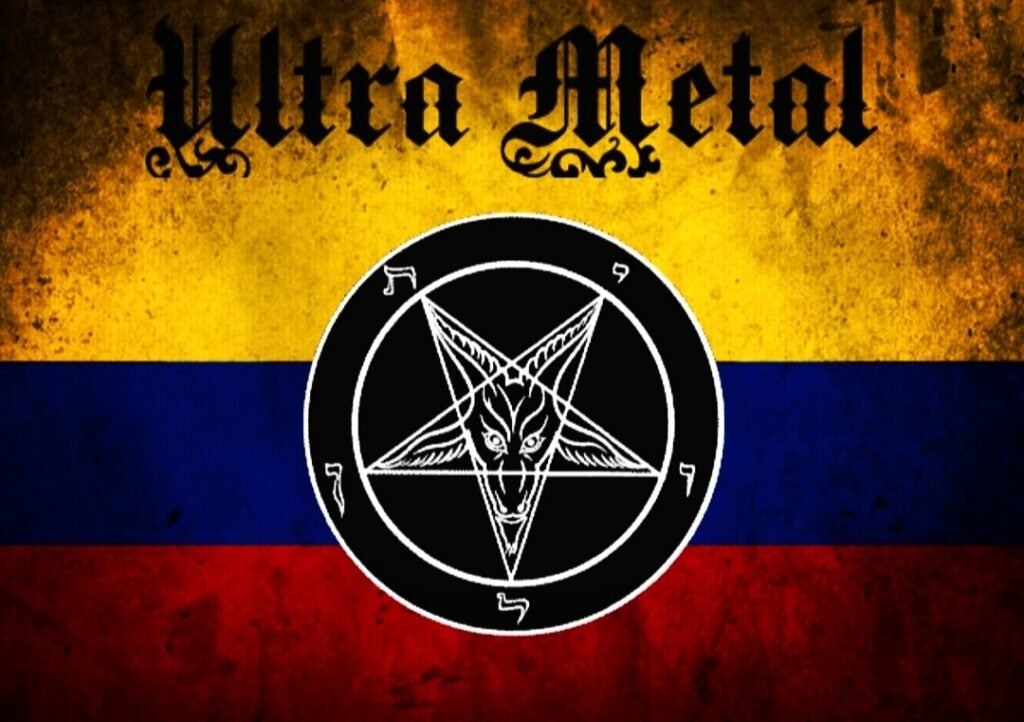
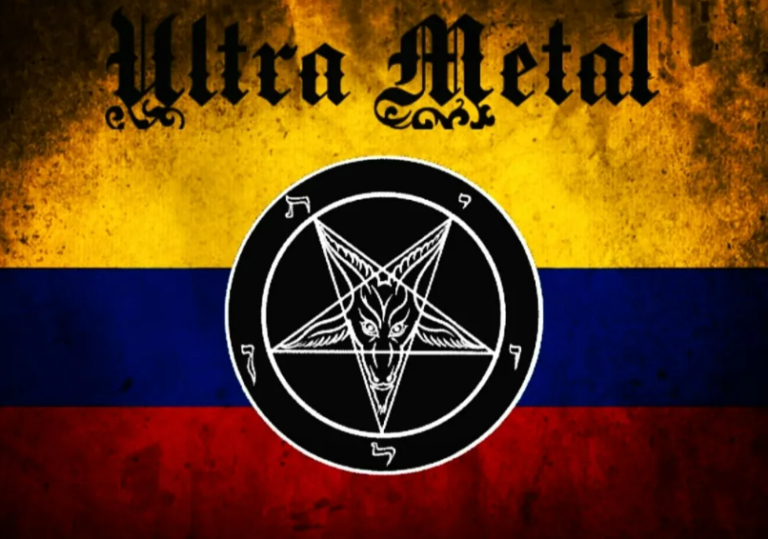
Many musicians even built their own instruments, producing unique tones that defied classification. Fans at the time simply referred to it as music “beyond metal”—and thus, the name Ultra Metal was born.
Though every band had its own twist, the style is defined by a unique blend of punk, hardcore, and many influences by all extreme metal: black metal-style distorted guitars, frenzied thrash drumming, and demonic vocals somewhere between death metal and grindcore became the signature of a bold, unprecedented movement that rapidly spread across Medellín and beyond.
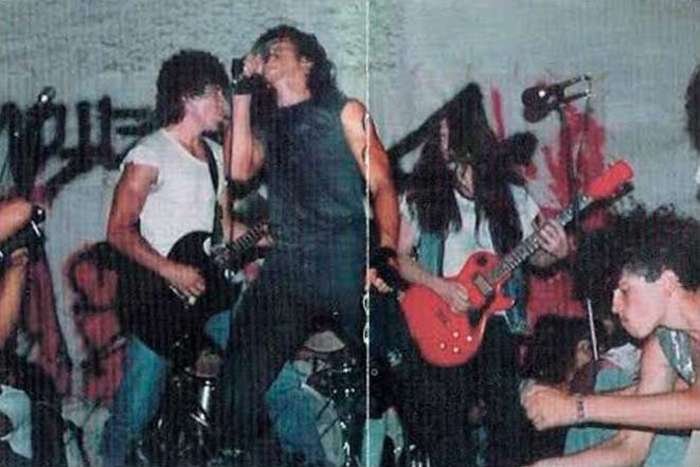
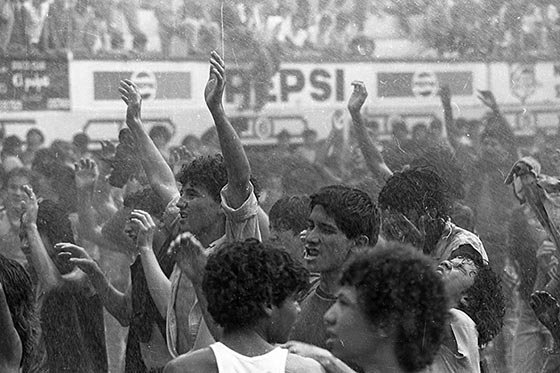
Colombia now had its own underground extreme music scene, and its first major milestone arrived on March 23, 1985. At Plaza de Toros La Macarena, the Batalla de las Bandas (in spanish “Battle of the bands”) brought together all of the city’s emerging acts, spanning genres and drawing audiences even from the toughest neighborhoods.
The bands weren’t initially well-received, but the event sparked huge curiosity, drawing a massive crowd, even from the city’s roughest neighborhoods.
When Parabellum hit the stage, the crowd went wild—throwing themselves to the ground, climbing the stands, and screaming in pure, unfiltered excitement. There were no set rules for moshing at an extreme metal show, but the energy and raw enthusiasm of a first-time audience witnessing the Batalla de las Bandas was unforgettable.
That night marked the first real step toward the rise of Ultra Metal in Medellín.
Continues

Ultra Metal: The Sound of Rebellion in 1980s Colombia – Part two
Related articles

USBM: The History of American Black Metal – Part one

Dark Queens: The Greatest All-Female Bands in Extreme Metal – Part one