

Black metal stands out among extreme genres for its ability to absorb and reinterpret distant imaginaries, serving as a channel for diverse forms of evocation: occultism, paganism, medievalism, esotericism, symbolism, and spirituality. Its defining trait, though, emerges in its most authentic expressions: the deep connection to folklore—not superficial folklorism, but that born from soil, superstition, and oral tradition.
Consequently, some Italian black metal musicians decided to use their local dialects not just as art forms, but as evocative tools to sustain narratives about nature, legends, customs, and ancestral roots, strengthening both cultural identity and artistic authenticity. Consequently, some bands in the Italian black metal scene chose to integrate local dialects with English or standard Italian as an evocative tool that makes stories about nature, legends, customs, and roots feel more visceral.
È stato dunque logico che una parte della scena black metal italiana abbia scelto di integrare, al fianco dell’inglese o dell’italiano, il dialetto della propria terra d’origine. Una scelta che non ha nulla di nostalgico o folkloristico in senso superficiale, diventando uno strumento evocativo capace di rendere ancora più viscerali certe narrazioni legate alla natura, alle leggende locali e agli usi e costumi dimenticati o alle proprie radici.
Black metal stands out among extreme genres for its ability to absorb and reinterpret distant imaginaries, serving as a channel for diverse forms of evocation: occultism, paganism, medievalism, esotericism, symbolism, and spirituality. Its defining trait, though, emerges in its most authentic expressions: the deep connection to folklore—not superficial folklorism, but that born from soil, superstition, and oral tradition.
Consequently, some Italian black metal musicians decided to use their local dialects not just as art forms, but as evocative tools to sustain narratives about nature, legends, customs, and ancestral roots, strengthening both cultural identity and artistic authenticity. Consequently, some bands in the Italian black metal scene chose to integrate local dialects with English or standard Italian as an evocative tool that makes stories about nature, legends, customs, and roots feel more visceral.
È stato dunque logico che una parte della scena black metal italiana abbia scelto di integrare, al fianco dell’inglese o dell’italiano, il dialetto della propria terra d’origine. Una scelta che non ha nulla di nostalgico o folkloristico in senso superficiale, diventando uno strumento evocativo capace di rendere ancora più viscerali certe narrazioni legate alla natura, alle leggende locali e agli usi e costumi dimenticati o alle proprie radici.
Black metal stands out among extreme genres for its ability to absorb and reinterpret distant imaginaries, serving as a channel for diverse forms of evocation: occultism, paganism, medievalism, esotericism, symbolism, and spirituality. Its defining trait, though, emerges in its most authentic expressions: the deep connection to folklore—not superficial folklorism, but that born from soil, superstition, and oral tradition.
Consequently, some Italian black metal musicians decided to use their local dialects not just as art forms, but as evocative tools to sustain narratives about nature, legends, customs, and ancestral roots, strengthening both cultural identity and artistic authenticity. Consequently, some bands in the Italian black metal scene chose to integrate local dialects with English or standard Italian as an evocative tool that makes stories about nature, legends, customs, and roots feel more visceral.
Black metal stands out among extreme genres for its ability to absorb and reinterpret distant imaginaries, serving as a channel for diverse forms of evocation: occultism, paganism, medievalism, esotericism, symbolism, and spirituality. Its defining trait, though, emerges in its most authentic expressions: the deep connection to folklore—not superficial folklorism, but that born from soil, superstition, and oral tradition.
Consequently, some Italian black metal musicians decided to use their local dialects not just as art forms, but as evocative tools to sustain narratives about nature, legends, customs, and ancestral roots, strengthening both cultural identity and artistic authenticity. Consequently, some bands in the Italian black metal scene chose to integrate local dialects with English or standard Italian as an evocative tool that makes stories about nature, legends, customs, and roots feel more visceral.
Black metal stands out among extreme genres for its ability to absorb and reinterpret distant imaginaries, serving as a channel for diverse forms of evocation: occultism, paganism, medievalism, esotericism, symbolism, and spirituality. Its defining trait, though, emerges in its most authentic expressions: the deep connection to folklore—not superficial folklorism, but that born from soil, superstition, and oral tradition.
Consequently, some Italian black metal musicians decided to use their local dialects not just as art forms, but as evocative tools to sustain narratives about nature, legends, customs, and ancestral roots, strengthening both cultural identity and artistic authenticity. Consequently, some bands in the Italian black metal scene chose to integrate local dialects with English or standard Italian as an evocative tool that makes stories about nature, legends, customs, and roots feel more visceral.
È stato dunque logico che una parte della scena black metal italiana abbia scelto di integrare, al fianco dell’inglese o dell’italiano, il dialetto della propria terra d’origine. Una scelta che non ha nulla di nostalgico o folkloristico in senso superficiale, diventando uno strumento evocativo capace di rendere ancora più viscerali certe narrazioni legate alla natura, alle leggende locali e agli usi e costumi dimenticati o alle proprie radici.
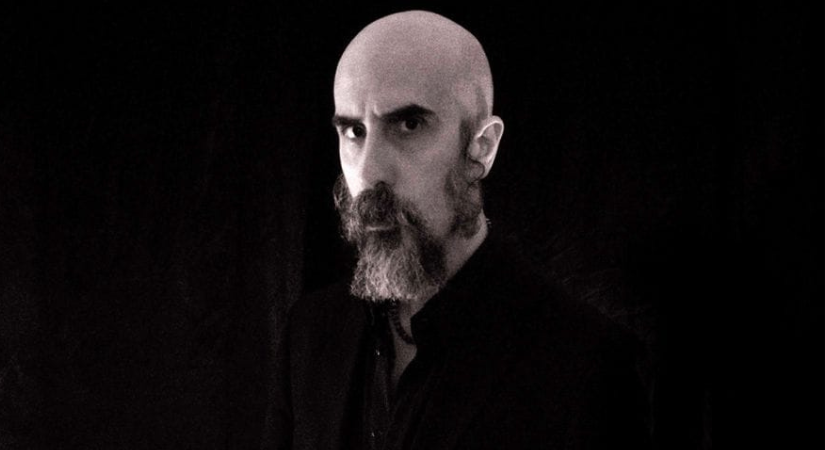
It would be impossible not to begin with the project that, more than any other, turned dialect into its defining identity. Inchiuvatu stands as one of the pillars not only of the Sicilian extreme scene, but of the entire Italian underground. Founded in Agrigento in 1993 by Michele Venezia (aka Agghiastru), the band boasts a discography made up of five full-lengths, five EPs, and four demos, establishing the Sicilian dialect as the unmistakable trademark of all its works. This trait is equally evident in Agghiastru’s side projects (Astimi, La Caruta di li Dei, and Ultima Missa) all deeply rooted in Sicilian linguistic and cultural identity. None of them, however, left as profound a mark as the main band, which over the years has crafted a unique imagery made of occultism, philosophy, and island folklore. These elements remain central in their latest album, Crucifissu, released in April 2026.
It would be impossible not to begin with the project that, more than any other, turned dialect into its defining identity. Inchiuvatu stands as one of the pillars not only of the Sicilian extreme scene, but of the entire Italian underground. Founded in Agrigento in 1993 by Michele Venezia (aka Agghiastru), the band boasts a discography made up of five full-lengths, five EPs, and four demos, establishing the Sicilian dialect as the unmistakable trademark of all its works. This trait is equally evident in Agghiastru’s side projects (Astimi, La Caruta di li Dei, and Ultima Missa) all deeply rooted in Sicilian linguistic and cultural identity. None of them, however, left as profound a mark as the main band, which over the years has crafted a unique imagery made of occultism, philosophy, and island folklore. These elements remain central in their latest album, Crucifissu, released in April 2026.
It would be impossible not to begin with the project that, more than any other, turned dialect into its defining identity. Inchiuvatu stands as one of the pillars not only of the Sicilian extreme scene, but of the entire Italian underground. Founded in Agrigento in 1993 by Michele Venezia (aka Agghiastru), the band boasts a discography made up of five full-lengths, five EPs, and four demos, establishing the Sicilian dialect as the unmistakable trademark of all its works. This trait is equally evident in Agghiastru’s side projects (Astimi, La Caruta di li Dei, and Ultima Missa) all deeply rooted in Sicilian linguistic and cultural identity. None of them, however, left as profound a mark as the main band, which over the years has crafted a unique imagery made of occultism, philosophy, and island folklore. These elements remain central in their latest album, Crucifissu, released in April 2026.
It would be impossible not to begin with the project that, more than any other, turned dialect into its defining identity. Inchiuvatu stands as one of the pillars not only of the Sicilian extreme scene, but of the entire Italian underground. Founded in Agrigento in 1993 by Michele Venezia (aka Agghiastru), the band boasts a discography made up of five full-lengths, five EPs, and four demos, establishing the Sicilian dialect as the unmistakable trademark of all its works. This trait is equally evident in Agghiastru’s side projects (Astimi, La Caruta di li Dei, and Ultima Missa) all deeply rooted in Sicilian linguistic and cultural identity. None of them, however, left as profound a mark as the main band, which over the years has crafted a unique imagery made of occultism, philosophy, and island folklore. These elements remain central in their latest album, Crucifissu, released in April 2026.
It would be impossible not to begin with the project that, more than any other, turned dialect into its defining identity. Inchiuvatu stands as one of the pillars not only of the Sicilian extreme scene, but of the entire Italian underground. Founded in Agrigento in 1993 by Michele Venezia (aka Agghiastru), the band boasts a discography made up of five full-lengths, five EPs, and four demos, establishing the Sicilian dialect as the unmistakable trademark of all its works. This trait is equally evident in Agghiastru’s side projects (Astimi, La Caruta di li Dei, and Ultima Missa) all deeply rooted in Sicilian linguistic and cultural identity. None of them, however, left as profound a mark as the main band, which over the years has crafted a unique imagery made of occultism, philosophy, and island folklore. These elements remain central in their latest album, Crucifissu, released in April 2026.
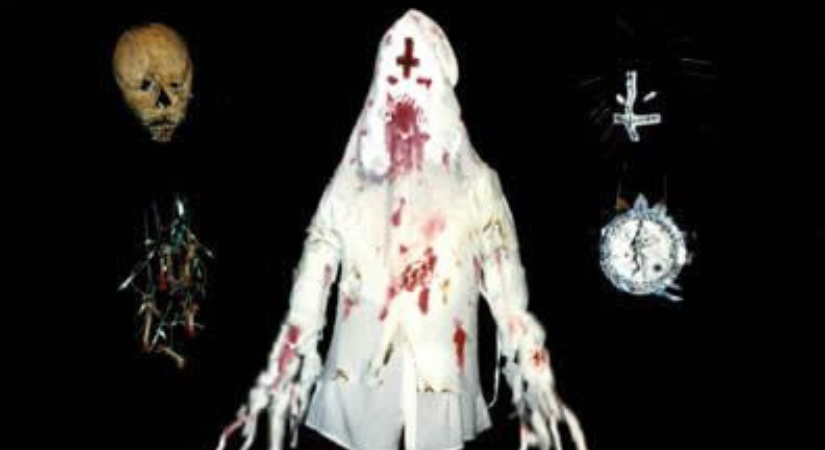
Remaining in the province of Agrigento, we find Lamentu, a project founded in 1997 by Kaos, also a former member of Inchiuvatu. While sharing the same cultural roots, the band pursued a very different artistic direction from Agghiastru’s project, developing a form of black metal contaminated by African tribal sonorities. This approach is already evident in Liack, their only full-length to date, whose concept revolves around Liack-Aru, an anti-Christian demon belonging to the voodoo tradition. At the same time, however, the connection to their homeland remains incredibly strong: everything is expressed strictly in Sicilian dialect. Even the band’s name hints at this identity, but it is through releases such as the EPs Tabutu and Jattura that their determination to preserve Sicilian cultural and linguistic heritage fully emerges.
Remaining in the province of Agrigento, we find Lamentu, a project founded in 1997 by Kaos, also a former member of Inchiuvatu. While sharing the same cultural roots, the band pursued a very different artistic direction from Agghiastru’s project, developing a form of black metal contaminated by African tribal sonorities. This approach is already evident in Liack, their only full-length to date, whose concept revolves around Liack-Aru, an anti-Christian demon belonging to the voodoo tradition. At the same time, however, the connection to their homeland remains incredibly strong: everything is expressed strictly in Sicilian dialect. Even the band’s name hints at this identity, but it is through releases such as the EPs Tabutu and Jattura that their determination to preserve Sicilian cultural and linguistic heritage fully emerges.
Remaining in the province of Agrigento, we find Lamentu, a project founded in 1997 by Kaos, also a former member of Inchiuvatu. While sharing the same cultural roots, the band pursued a very different artistic direction from Agghiastru’s project, developing a form of black metal contaminated by African tribal sonorities. This approach is already evident in Liack, their only full-length to date, whose concept revolves around Liack-Aru, an anti-Christian demon belonging to the voodoo tradition. At the same time, however, the connection to their homeland remains incredibly strong: everything is expressed strictly in Sicilian dialect. Even the band’s name hints at this identity, but it is through releases such as the EPs Tabutu and Jattura that their determination to preserve Sicilian cultural and linguistic heritage fully emerges.
Remaining in the province of Agrigento, we find Lamentu, a project founded in 1997 by Kaos, also a former member of Inchiuvatu. While sharing the same cultural roots, the band pursued a very different artistic direction from Agghiastru’s project, developing a form of black metal contaminated by African tribal sonorities. This approach is already evident in Liack, their only full-length to date, whose concept revolves around Liack-Aru, an anti-Christian demon belonging to the voodoo tradition. At the same time, however, the connection to their homeland remains incredibly strong: everything is expressed strictly in Sicilian dialect. Even the band’s name hints at this identity, but it is through releases such as the EPs Tabutu and Jattura that their determination to preserve Sicilian cultural and linguistic heritage fully emerges.
Remaining in the province of Agrigento, we find Lamentu, a project founded in 1997 by Kaos, also a former member of Inchiuvatu. While sharing the same cultural roots, the band pursued a very different artistic direction from Agghiastru’s project, developing a form of black metal contaminated by African tribal sonorities. This approach is already evident in Liack, their only full-length to date, whose concept revolves around Liack-Aru, an anti-Christian demon belonging to the voodoo tradition. At the same time, however, the connection to their homeland remains incredibly strong: everything is expressed strictly in Sicilian dialect. Even the band’s name hints at this identity, but it is through releases such as the EPs Tabutu and Jattura that their determination to preserve Sicilian cultural and linguistic heritage fully emerges.
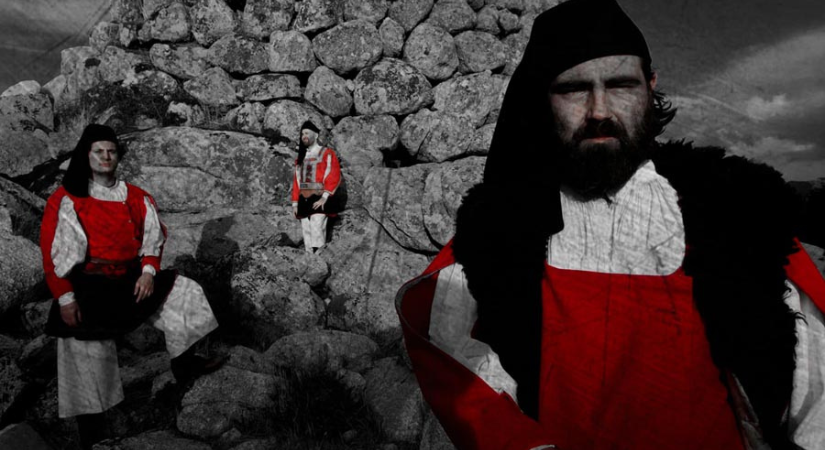
From Sicily, we move to Sardinia, a region that has always preserved a fierce sense of identity due not only to its geographical isolation, but also to centuries-old traditions — including its language, which is effectively recognized as distinct from Italian dialects. And who better than Kre^u to represent all this within the extreme metal realm? Founded in the province of Nuoro in 2020, the band has managed to narrate the historical and cultural memory of Sardinia — particularly the Barbagia region — by merging black metal with ancient Sardinian language, “a tenore” chants, and lyrics filled with historical references to Sardinian bandits and rebels from the Savoy era. All of this emerges clearly in their self-titled full-length, a perfect example of black metal being used as a vehicle for regional identity and local folklore.
From Sicily, we move to Sardinia, a region that has always preserved a fierce sense of identity due not only to its geographical isolation, but also to centuries-old traditions — including its language, which is effectively recognized as distinct from Italian dialects. And who better than Kre^u to represent all this within the extreme metal realm? Founded in the province of Nuoro in 2020, the band has managed to narrate the historical and cultural memory of Sardinia — particularly the Barbagia region — by merging black metal with ancient Sardinian language, “a tenore” chants, and lyrics filled with historical references to Sardinian bandits and rebels from the Savoy era. All of this emerges clearly in their self-titled full-length, a perfect example of black metal being used as a vehicle for regional identity and local folklore.
From Sicily, we move to Sardinia, a region that has always preserved a fierce sense of identity due not only to its geographical isolation, but also to centuries-old traditions — including its language, which is effectively recognized as distinct from Italian dialects. And who better than Kre^u to represent all this within the extreme metal realm? Founded in the province of Nuoro in 2020, the band has managed to narrate the historical and cultural memory of Sardinia — particularly the Barbagia region — by merging black metal with ancient Sardinian language, “a tenore” chants, and lyrics filled with historical references to Sardinian bandits and rebels from the Savoy era. All of this emerges clearly in their self-titled full-length, a perfect example of black metal being used as a vehicle for regional identity and local folklore.
From Sicily, we move to Sardinia, a region that has always preserved a fierce sense of identity due not only to its geographical isolation, but also to centuries-old traditions — including its language, which is effectively recognized as distinct from Italian dialects. And who better than Kre^u to represent all this within the extreme metal realm? Founded in the province of Nuoro in 2020, the band has managed to narrate the historical and cultural memory of Sardinia — particularly the Barbagia region — by merging black metal with ancient Sardinian language, “a tenore” chants, and lyrics filled with historical references to Sardinian bandits and rebels from the Savoy era. All of this emerges clearly in their self-titled full-length, a perfect example of black metal being used as a vehicle for regional identity and local folklore.
From Sicily, we move to Sardinia, a region that has always preserved a fierce sense of identity due not only to its geographical isolation, but also to centuries-old traditions — including its language, which is effectively recognized as distinct from Italian dialects. And who better than Kre^u to represent all this within the extreme metal realm? Founded in the province of Nuoro in 2020, the band has managed to narrate the historical and cultural memory of Sardinia — particularly the Barbagia region — by merging black metal with ancient Sardinian language, “a tenore” chants, and lyrics filled with historical references to Sardinian bandits and rebels from the Savoy era. All of this emerges clearly in their self-titled full-length, a perfect example of black metal being used as a vehicle for regional identity and local folklore.
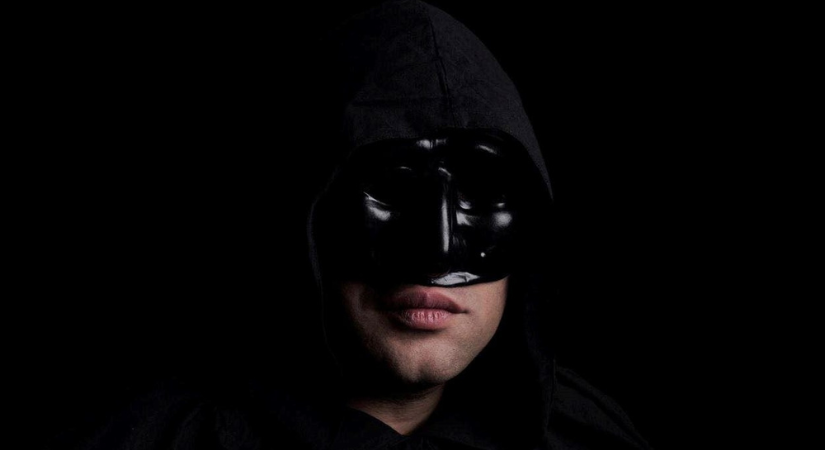
Moving to mainland Italy, specifically Campania, there's another strong cultural identity takes shape. Scuorn (Neapolitan for “shame”) is the solo project of Giulian, a musician who — much like the artists mentioned above — chose the Neapolitan dialect as the defining trait of his artistic profile. He himself describes his style as “Parthenopean Epic Black Metal,” blending epic/symphonic black metal with melodies from traditional Neapolitan music and folk instrumentation. This is particularly evident in his latest album Parthenope (2017), whose lyrics are written entirely in dialect to further reinforce its distinct cultural character.
Moving to mainland Italy, specifically Campania, there's another strong cultural identity takes shape. Scuorn (Neapolitan for “shame”) is the solo project of Giulian, a musician who — much like the artists mentioned above — chose the Neapolitan dialect as the defining trait of his artistic profile. He himself describes his style as “Parthenopean Epic Black Metal,” blending epic/symphonic black metal with melodies from traditional Neapolitan music and folk instrumentation. This is particularly evident in his latest album Parthenope (2017), whose lyrics are written entirely in dialect to further reinforce its distinct cultural character.
Moving to mainland Italy, specifically Campania, there's another strong cultural identity takes shape. Scuorn (Neapolitan for “shame”) is the solo project of Giulian, a musician who — much like the artists mentioned above — chose the Neapolitan dialect as the defining trait of his artistic profile. He himself describes his style as “Parthenopean Epic Black Metal,” blending epic/symphonic black metal with melodies from traditional Neapolitan music and folk instrumentation. This is particularly evident in his latest album Parthenope (2017), whose lyrics are written entirely in dialect to further reinforce its distinct cultural character.
Moving to mainland Italy, specifically Campania, there's another strong cultural identity takes shape. Scuorn (Neapolitan for “shame”) is the solo project of Giulian, a musician who — much like the artists mentioned above — chose the Neapolitan dialect as the defining trait of his artistic profile. He himself describes his style as “Parthenopean Epic Black Metal,” blending epic/symphonic black metal with melodies from traditional Neapolitan music and folk instrumentation. This is particularly evident in his latest album Parthenope (2017), whose lyrics are written entirely in dialect to further reinforce its distinct cultural character.
Moving to mainland Italy, specifically Campania, there's another strong cultural identity takes shape. Scuorn (Neapolitan for “shame”) is the solo project of Giulian, a musician who — much like the artists mentioned above — chose the Neapolitan dialect as the defining trait of his artistic profile. He himself describes his style as “Parthenopean Epic Black Metal,” blending epic/symphonic black metal with melodies from traditional Neapolitan music and folk instrumentation. This is particularly evident in his latest album Parthenope (2017), whose lyrics are written entirely in dialect to further reinforce its distinct cultural character.
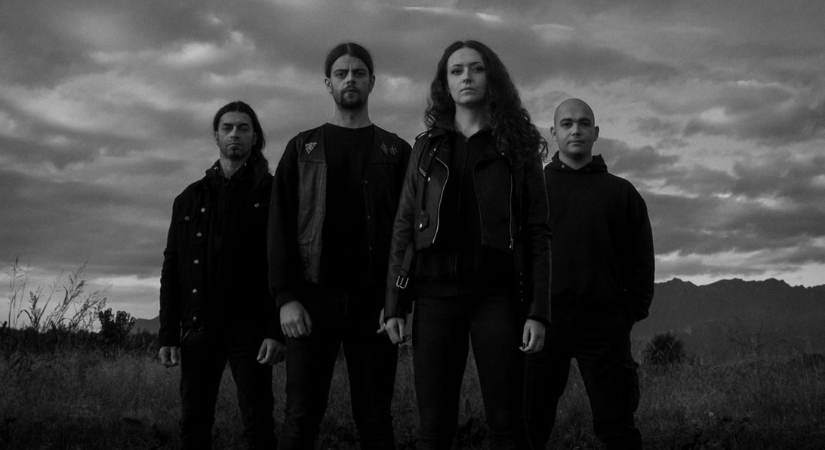
Focusing on Friuli-Venezia Giulia, we discover Unviâr (“winter” in Friulian), another band proudly carrying the identity of its homeland. Active since 2023, the musicians have released one EP (Faliscjis) and one full-length (Disglaç), both steeped in atmospheric black metal with cold, melancholic, and immersive soundscapes designed to evoke isolated alpine landscapes typical of the Friulian region. Their lyrics, written entirely in dialect, revolve around mountain life, winter, isolation, local folklore, superstition, and folk memory, conveying melancholy, spirituality, and above all a profound sense of belonging.
Focusing on Friuli-Venezia Giulia, we discover Unviâr (“winter” in Friulian), another band proudly carrying the identity of its homeland. Active since 2023, the musicians have released one EP (Faliscjis) and one full-length (Disglaç), both steeped in atmospheric black metal with cold, melancholic, and immersive soundscapes designed to evoke isolated alpine landscapes typical of the Friulian region. Their lyrics, written entirely in dialect, revolve around mountain life, winter, isolation, local folklore, superstition, and folk memory, conveying melancholy, spirituality, and above all a profound sense of belonging.
Focusing on Friuli-Venezia Giulia, we discover Unviâr (“winter” in Friulian), another band proudly carrying the identity of its homeland. Active since 2023, the musicians have released one EP (Faliscjis) and one full-length (Disglaç), both steeped in atmospheric black metal with cold, melancholic, and immersive soundscapes designed to evoke isolated alpine landscapes typical of the Friulian region. Their lyrics, written entirely in dialect, revolve around mountain life, winter, isolation, local folklore, superstition, and folk memory, conveying melancholy, spirituality, and above all a profound sense of belonging.
Focusing on Friuli-Venezia Giulia, we discover Unviâr (“winter” in Friulian), another band proudly carrying the identity of its homeland. Active since 2023, the musicians have released one EP (Faliscjis) and one full-length (Disglaç), both steeped in atmospheric black metal with cold, melancholic, and immersive soundscapes designed to evoke isolated alpine landscapes typical of the Friulian region. Their lyrics, written entirely in dialect, revolve around mountain life, winter, isolation, local folklore, superstition, and folk memory, conveying melancholy, spirituality, and above all a profound sense of belonging.
Focusing on Friuli-Venezia Giulia, we discover Unviâr (“winter” in Friulian), another band proudly carrying the identity of its homeland. Active since 2023, the musicians have released one EP (Faliscjis) and one full-length (Disglaç), both steeped in atmospheric black metal with cold, melancholic, and immersive soundscapes designed to evoke isolated alpine landscapes typical of the Friulian region. Their lyrics, written entirely in dialect, revolve around mountain life, winter, isolation, local folklore, superstition, and folk memory, conveying melancholy, spirituality, and above all a profound sense of belonging.

With Ticinum, it is immediately clear which city and region we are dealing with. Their name is the Latin designation for modern-day Pavia, a city the musicians represent not only artistically, but culturally as well. Their lyrics and aesthetics are heavily focused on historical reconstruction, evoking ancient cities, Italic tribes, barbarian kingdoms, and the dark atmospheres of the Po Valley and Lombard Middle Ages. All of this is expressed through epic black metal sung, naturally, in dialect. Their debut album A’ la porta di cént tùr (2023) encapsulates all these elements, functioning as both a historical and identity-driven act of remembrance.
With Ticinum, it is immediately clear which city and region we are dealing with. Their name is the Latin designation for modern-day Pavia, a city the musicians represent not only artistically, but culturally as well. Their lyrics and aesthetics are heavily focused on historical reconstruction, evoking ancient cities, Italic tribes, barbarian kingdoms, and the dark atmospheres of the Po Valley and Lombard Middle Ages. All of this is expressed through epic black metal sung, naturally, in dialect. Their debut album A’ la porta di cént tùr (2023) encapsulates all these elements, functioning as both a historical and identity-driven act of remembrance.
With Ticinum, it is immediately clear which city and region we are dealing with. Their name is the Latin designation for modern-day Pavia, a city the musicians represent not only artistically, but culturally as well. Their lyrics and aesthetics are heavily focused on historical reconstruction, evoking ancient cities, Italic tribes, barbarian kingdoms, and the dark atmospheres of the Po Valley and Lombard Middle Ages. All of this is expressed through epic black metal sung, naturally, in dialect. Their debut album A’ la porta di cént tùr (2023) encapsulates all these elements, functioning as both a historical and identity-driven act of remembrance.
With Ticinum, it is immediately clear which city and region we are dealing with. Their name is the Latin designation for modern-day Pavia, a city the musicians represent not only artistically, but culturally as well. Their lyrics and aesthetics are heavily focused on historical reconstruction, evoking ancient cities, Italic tribes, barbarian kingdoms, and the dark atmospheres of the Po Valley and Lombard Middle Ages. All of this is expressed through epic black metal sung, naturally, in dialect. Their debut album A’ la porta di cént tùr (2023) encapsulates all these elements, functioning as both a historical and identity-driven act of remembrance.
With Ticinum, it is immediately clear which city and region we are dealing with. Their name is the Latin designation for modern-day Pavia, a city the musicians represent not only artistically, but culturally as well. Their lyrics and aesthetics are heavily focused on historical reconstruction, evoking ancient cities, Italic tribes, barbarian kingdoms, and the dark atmospheres of the Po Valley and Lombard Middle Ages. All of this is expressed through epic black metal sung, naturally, in dialect. Their debut album A’ la porta di cént tùr (2023) encapsulates all these elements, functioning as both a historical and identity-driven act of remembrance.
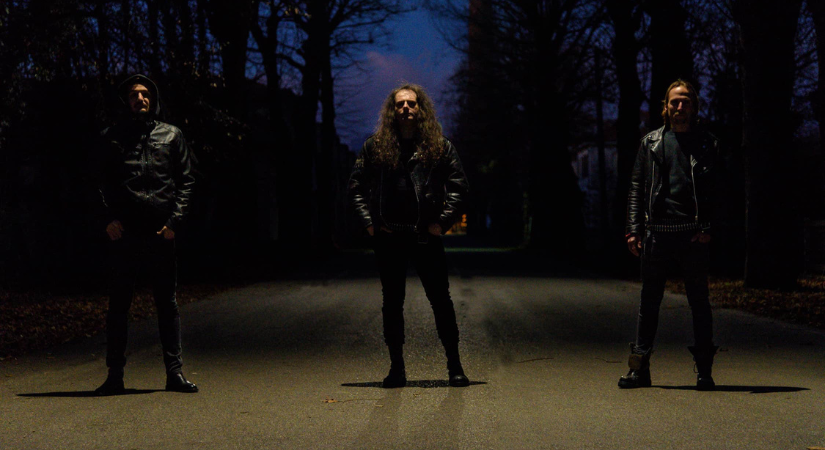
With Imago Mortis, the discourse shifts slightly. With four studio albums under their belt, the Bergamo-based band primarily explores themes linked to death, occultism, esoteric spirituality, and the decadent dimensions of existence, adopting a far more traditional black metal approach and a broader esoteric imagery than the previously mentioned acts. Nevertheless, Abibial and his teammates also employ the Bergamasque dialect in several songs, especially those featured on Ars Obscura (2009) and the EP Sgabula (2012). Here, the dialect is used more as a ritualistic and evocative instrument, though without abandoning that underlying sense of belonging connected to local superstition, folklore, and archaic spirituality.
With Imago Mortis, the discourse shifts slightly. With four studio albums under their belt, the Bergamo-based band primarily explores themes linked to death, occultism, esoteric spirituality, and the decadent dimensions of existence, adopting a far more traditional black metal approach and a broader esoteric imagery than the previously mentioned acts. Nevertheless, Abibial and his teammates also employ the Bergamasque dialect in several songs, especially those featured on Ars Obscura (2009) and the EP Sgabula (2012). Here, the dialect is used more as a ritualistic and evocative instrument, though without abandoning that underlying sense of belonging connected to local superstition, folklore, and archaic spirituality.
With Imago Mortis, the discourse shifts slightly. With four studio albums under their belt, the Bergamo-based band primarily explores themes linked to death, occultism, esoteric spirituality, and the decadent dimensions of existence, adopting a far more traditional black metal approach and a broader esoteric imagery than the previously mentioned acts. Nevertheless, Abibial and his teammates also employ the Bergamasque dialect in several songs, especially those featured on Ars Obscura (2009) and the EP Sgabula (2012). Here, the dialect is used more as a ritualistic and evocative instrument, though without abandoning that underlying sense of belonging connected to local superstition, folklore, and archaic spirituality.
With Imago Mortis, the discourse shifts slightly. With four studio albums under their belt, the Bergamo-based band primarily explores themes linked to death, occultism, esoteric spirituality, and the decadent dimensions of existence, adopting a far more traditional black metal approach and a broader esoteric imagery than the previously mentioned acts. Nevertheless, Abibial and his teammates also employ the Bergamasque dialect in several songs, especially those featured on Ars Obscura (2009) and the EP Sgabula (2012). Here, the dialect is used more as a ritualistic and evocative instrument, though without abandoning that underlying sense of belonging connected to local superstition, folklore, and archaic spirituality.
With Imago Mortis, the discourse shifts slightly. With four studio albums under their belt, the Bergamo-based band primarily explores themes linked to death, occultism, esoteric spirituality, and the decadent dimensions of existence, adopting a far more traditional black metal approach and a broader esoteric imagery than the previously mentioned acts. Nevertheless, Abibial and his teammates also employ the Bergamasque dialect in several songs, especially those featured on Ars Obscura (2009) and the EP Sgabula (2012). Here, the dialect is used more as a ritualistic and evocative instrument, though without abandoning that underlying sense of belonging connected to local superstition, folklore, and archaic spirituality.
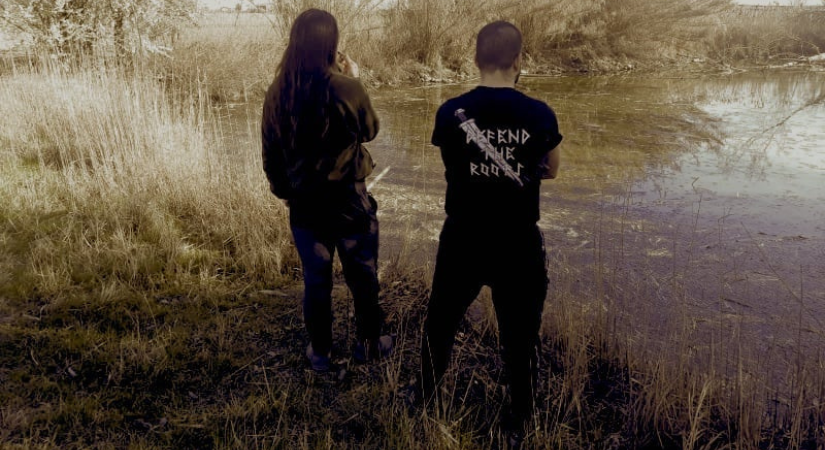
From Lombardy, we move slightly south toward Emilia-Romagna, home to another band deeply rooted in folklore. L’Occ dàl Corùv (“The Eye of the Crow” in Emilian dialect) is a Modena-based duo active since 2004, devoted to an atmospheric/raw black metal heavily infused with folk and ritualistic elements. Their debut album Deorum Manium Iura Sancta Sunto (2015) expresses this concept perfectly, largely thanks to the use of dialect, which once again becomes the cornerstone of the band’s identity.
From Lombardy, we move slightly south toward Emilia-Romagna, home to another band deeply rooted in folklore. L’Occ dàl Corùv (“The Eye of the Crow” in Emilian dialect) is a Modena-based duo active since 2004, devoted to an atmospheric/raw black metal heavily infused with folk and ritualistic elements. Their debut album Deorum Manium Iura Sancta Sunto (2015) expresses this concept perfectly, largely thanks to the use of dialect, which once again becomes the cornerstone of the band’s identity.
From Lombardy, we move slightly south toward Emilia-Romagna, home to another band deeply rooted in folklore. L’Occ dàl Corùv (“The Eye of the Crow” in Emilian dialect) is a Modena-based duo active since 2004, devoted to an atmospheric/raw black metal heavily infused with folk and ritualistic elements. Their debut album Deorum Manium Iura Sancta Sunto (2015) expresses this concept perfectly, largely thanks to the use of dialect, which once again becomes the cornerstone of the band’s identity.
From Lombardy, we move slightly south toward Emilia-Romagna, home to another band deeply rooted in folklore. L’Occ dàl Corùv (“The Eye of the Crow” in Emilian dialect) is a Modena-based duo active since 2004, devoted to an atmospheric/raw black metal heavily infused with folk and ritualistic elements. Their debut album Deorum Manium Iura Sancta Sunto (2015) expresses this concept perfectly, largely thanks to the use of dialect, which once again becomes the cornerstone of the band’s identity.
From Lombardy, we move slightly south toward Emilia-Romagna, home to another band deeply rooted in folklore. L’Occ dàl Corùv (“The Eye of the Crow” in Emilian dialect) is a Modena-based duo active since 2004, devoted to an atmospheric/raw black metal heavily infused with folk and ritualistic elements. Their debut album Deorum Manium Iura Sancta Sunto (2015) expresses this concept perfectly, largely thanks to the use of dialect, which once again becomes the cornerstone of the band’s identity.
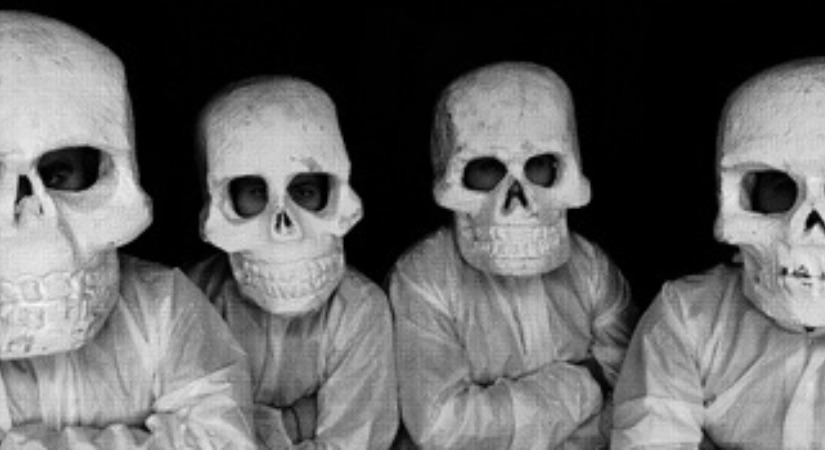
Malnàtt is another Emilian group combining melodic black metal and folk influences with a strong identity tied to Bologna and its popular imagery. Their songs often feature Bolognese dialect and tell stories inspired by everyday life, urban culture, and local traditions, blending irony, melancholy, and territorial belonging. Although the band shifted toward standard Italian after their first three albums, their music retained the same spirit, alternating darker and more melodic atmospheres with more narrative and “popular” moments. Their approach stands out for being less mythological and far more connected to the human and local dimension.
Malnàtt is another Emilian group combining melodic black metal and folk influences with a strong identity tied to Bologna and its popular imagery. Their songs often feature Bolognese dialect and tell stories inspired by everyday life, urban culture, and local traditions, blending irony, melancholy, and territorial belonging. Although the band shifted toward standard Italian after their first three albums, their music retained the same spirit, alternating darker and more melodic atmospheres with more narrative and “popular” moments. Their approach stands out for being less mythological and far more connected to the human and local dimension.
Malnàtt is another Emilian group combining melodic black metal and folk influences with a strong identity tied to Bologna and its popular imagery. Their songs often feature Bolognese dialect and tell stories inspired by everyday life, urban culture, and local traditions, blending irony, melancholy, and territorial belonging. Although the band shifted toward standard Italian after their first three albums, their music retained the same spirit, alternating darker and more melodic atmospheres with more narrative and “popular” moments. Their approach stands out for being less mythological and far more connected to the human and local dimension.
Malnàtt is another Emilian group combining melodic black metal and folk influences with a strong identity tied to Bologna and its popular imagery. Their songs often feature Bolognese dialect and tell stories inspired by everyday life, urban culture, and local traditions, blending irony, melancholy, and territorial belonging. Although the band shifted toward standard Italian after their first three albums, their music retained the same spirit, alternating darker and more melodic atmospheres with more narrative and “popular” moments. Their approach stands out for being less mythological and far more connected to the human and local dimension.
Malnàtt is another Emilian group combining melodic black metal and folk influences with a strong identity tied to Bologna and its popular imagery. Their songs often feature Bolognese dialect and tell stories inspired by everyday life, urban culture, and local traditions, blending irony, melancholy, and territorial belonging. Although the band shifted toward standard Italian after their first three albums, their music retained the same spirit, alternating darker and more melodic atmospheres with more narrative and “popular” moments. Their approach stands out for being less mythological and far more connected to the human and local dimension.
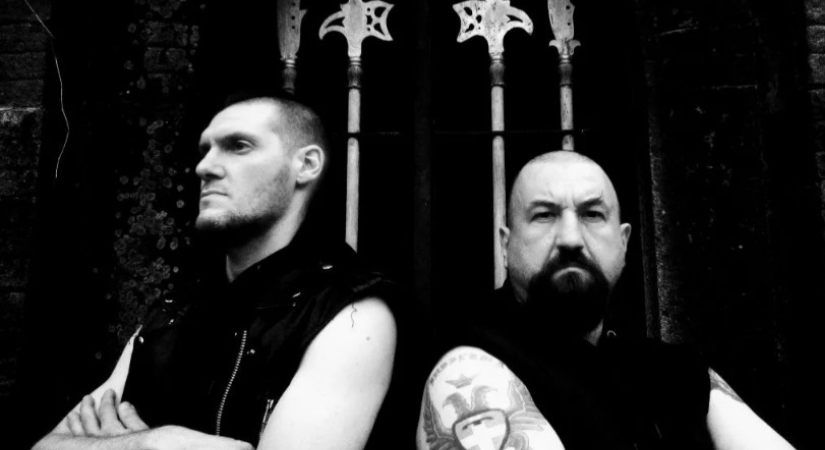
Remaining in northern Italy, this time in Piedmont, we find Vrim, an atmospheric black metal band characterized by a dark and introspective approach. Their imagery moves between existential themes, nature, and inner dimensions, with a sonic aesthetic deeply focused on atmosphere and emotional intensity while maintaining a strong regional identity. The lyrics of Diciarassion ed guera e grinfor (2022) are entirely written in ancient Piedmontese language, narrating the history and legends of the subalpine region.
Remaining in northern Italy, this time in Piedmont, we find Vrim, an atmospheric black metal band characterized by a dark and introspective approach. Their imagery moves between existential themes, nature, and inner dimensions, with a sonic aesthetic deeply focused on atmosphere and emotional intensity while maintaining a strong regional identity. The lyrics of Diciarassion ed guera e grinfor (2022) are entirely written in ancient Piedmontese language, narrating the history and legends of the subalpine region.
Remaining in northern Italy, this time in Piedmont, we find Vrim, an atmospheric black metal band characterized by a dark and introspective approach. Their imagery moves between existential themes, nature, and inner dimensions, with a sonic aesthetic deeply focused on atmosphere and emotional intensity while maintaining a strong regional identity. The lyrics of Diciarassion ed guera e grinfor (2022) are entirely written in ancient Piedmontese language, narrating the history and legends of the subalpine region.
Remaining in northern Italy, this time in Piedmont, we find Vrim, an atmospheric black metal band characterized by a dark and introspective approach. Their imagery moves between existential themes, nature, and inner dimensions, with a sonic aesthetic deeply focused on atmosphere and emotional intensity while maintaining a strong regional identity. The lyrics of Diciarassion ed guera e grinfor (2022) are entirely written in ancient Piedmontese language, narrating the history and legends of the subalpine region.
Remaining in northern Italy, this time in Piedmont, we find Vrim, an atmospheric black metal band characterized by a dark and introspective approach. Their imagery moves between existential themes, nature, and inner dimensions, with a sonic aesthetic deeply focused on atmosphere and emotional intensity while maintaining a strong regional identity. The lyrics of Diciarassion ed guera e grinfor (2022) are entirely written in ancient Piedmontese language, narrating the history and legends of the subalpine region.


testo minimo