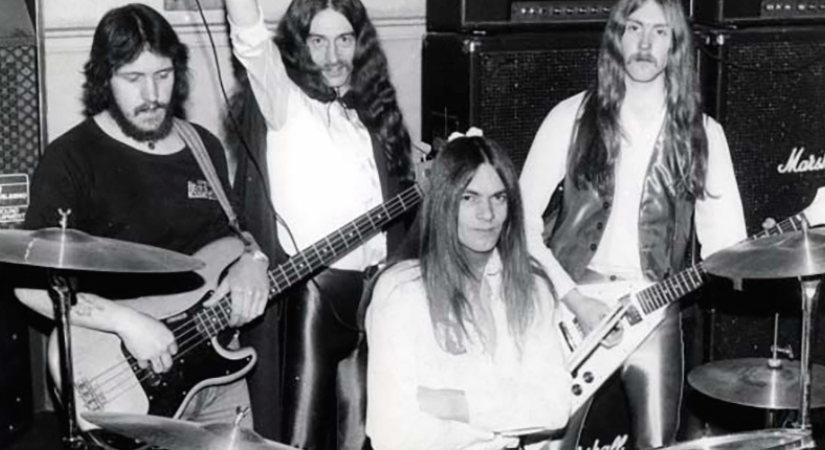



Germany boasts one of the richest and most diverse extreme metal scenes in Europe, with standout acts in virtually every subgenre. Looking at thrash metal alone brings to mind legendary names such as Sodom and Kreator, while the country’s death and black metal legacies include bands like Morgoth, Poison, Nargaroth, Bethlehem, and countless others.
One crucial aspect, however, deserves special attention: Germany has not only produced technical death metal bands, but also pioneering acts that helped define the style and shape its lasting identity. One of the clearest examples can be found in technical death metal, where several bands revolutionized the genre’s musical vocabulary and left a distinct mark on its development.
Germany boasts one of the richest and most diverse extreme metal scenes in Europe, with standout acts in virtually every subgenre. Looking at thrash metal alone brings to mind legendary names such as Sodom and Kreator, while the country’s death and black metal legacies include bands like Morgoth, Poison, Nargaroth, Bethlehem, and countless others.
One crucial aspect, however, deserves special attention: Germany has not only produced technical death metal bands, but also pioneering acts that helped define the style and shape its lasting identity. One of the clearest examples can be found in technical death metal, where several bands revolutionized the genre’s musical vocabulary and left a distinct mark on its development.
Germany boasts one of the richest and most diverse extreme metal scenes in Europe, with standout acts in virtually every subgenre. Looking at thrash metal alone brings to mind legendary names such as Sodom and Kreator, while the country’s death and black metal legacies include bands like Morgoth, Poison, Nargaroth, Bethlehem, and countless others.
One crucial aspect, however, deserves special attention: Germany has not only produced technical death metal bands, but also pioneering acts that helped define the style and shape its lasting identity. One of the clearest examples can be found in technical death metal, where several bands revolutionized the genre’s musical vocabulary and left a distinct mark on its development.
Germany boasts one of the richest and most diverse extreme metal scenes in Europe, with standout acts in virtually every subgenre. Looking at thrash metal alone brings to mind legendary names such as Sodom and Kreator, while the country’s death and black metal legacies include bands like Morgoth, Poison, Nargaroth, Bethlehem, and countless others.
One crucial aspect, however, deserves special attention: Germany has not only produced technical death metal bands, but also pioneering acts that helped define the style and shape its lasting identity. One of the clearest examples can be found in technical death metal, where several bands revolutionized the genre’s musical vocabulary and left a distinct mark on its development.
Germany boasts one of the richest and most diverse extreme metal scenes in Europe, with standout acts in virtually every subgenre. Looking at thrash metal alone brings to mind legendary names such as Sodom and Kreator, while the country’s death and black metal legacies include bands like Morgoth, Poison, Nargaroth, Bethlehem, and countless others.
One crucial aspect, however, deserves special attention: Germany has not only produced technical death metal bands, but also pioneering acts that helped define the style and shape its lasting identity. One of the clearest examples can be found in technical death metal, where several bands revolutionized the genre’s musical vocabulary and left a distinct mark on its development.

Among the earliest German extreme metal bands to push beyond traditional death metal, Atrocity emerged in 1988 from the ashes of Instigator. Hailing from Ludwigsburg, the group helped lay the groundwork for the German tech-death scene and its later growth.
Albums such as Todessehnsucht (1992) and Blut (1994) introduced experimental elements and unconventional song structures that indirectly anticipated some of the technical and progressive tendencies embraced by later generations. Although Alexander Krull’s band would eventually move toward a more symphonic sound, its contribution to the foundations of German technical death metal remains undeniable.
Among the earliest German extreme metal bands to push beyond traditional death metal, Atrocity emerged in 1988 from the ashes of Instigator. Hailing from Ludwigsburg, the group helped lay the groundwork for the German tech-death scene and its later growth.
Albums such as Todessehnsucht (1992) and Blut (1994) introduced experimental elements and unconventional song structures that indirectly anticipated some of the technical and progressive tendencies embraced by later generations. Although Alexander Krull’s band would eventually move toward a more symphonic sound, its contribution to the foundations of German technical death metal remains undeniable.
Among the earliest German extreme metal bands to push beyond traditional death metal, Atrocity emerged in 1988 from the ashes of Instigator. Hailing from Ludwigsburg, the group helped lay the groundwork for the German tech-death scene and its later growth.
Albums such as Todessehnsucht (1992) and Blut (1994) introduced experimental elements and unconventional song structures that indirectly anticipated some of the technical and progressive tendencies embraced by later generations. Although Alexander Krull’s band would eventually move toward a more symphonic sound, its contribution to the foundations of German technical death metal remains undeniable.
Among the earliest German extreme metal bands to push beyond traditional death metal, Atrocity emerged in 1988 from the ashes of Instigator. Hailing from Ludwigsburg, the group helped lay the groundwork for the German tech-death scene and its later growth.
Albums such as Todessehnsucht (1992) and Blut (1994) introduced experimental elements and unconventional song structures that indirectly anticipated some of the technical and progressive tendencies embraced by later generations. Although Alexander Krull’s band would eventually move toward a more symphonic sound, its contribution to the foundations of German technical death metal remains undeniable.
Among the earliest German extreme metal bands to push beyond traditional death metal, Atrocity emerged in 1988 from the ashes of Instigator. Hailing from Ludwigsburg, the group helped lay the groundwork for the German tech-death scene and its later growth.
Albums such as Todessehnsucht (1992) and Blut (1994) introduced experimental elements and unconventional song structures that indirectly anticipated some of the technical and progressive tendencies embraced by later generations. Although Alexander Krull’s band would eventually move toward a more symphonic sound, its contribution to the foundations of German technical death metal remains undeniable.

Few names in technical death metal command as much respect as Necrophagist. It is impossible to discuss the German scene’s development without acknowledging the monumental impact of Muhammed Suiçmez’s project, which brought German tech-death to international prominence through unparalleled musicianship. Suiçmez crafted a distinctive style built around neoclassical influences, relentless aggression, and almost superhuman precision, effectively redefining the technical and compositional standards of the genre. Onset of Putrefaction (1999), recorded entirely as a one-man effort, offered the first glimpse of this vision, while Epitaph (2004) elevated it to near-perfection. To this day, the album remains one of the definitive releases in the history of technical death metal.
Few names in technical death metal command as much respect as Necrophagist. It is impossible to discuss the German scene’s development without acknowledging the monumental impact of Muhammed Suiçmez’s project, which brought German tech-death to international prominence through unparalleled musicianship. Suiçmez crafted a distinctive style built around neoclassical influences, relentless aggression, and almost superhuman precision, effectively redefining the technical and compositional standards of the genre. Onset of Putrefaction (1999), recorded entirely as a one-man effort, offered the first glimpse of this vision, while Epitaph (2004) elevated it to near-perfection. To this day, the album remains one of the definitive releases in the history of technical death metal.
Few names in technical death metal command as much respect as Necrophagist. It is impossible to discuss the German scene’s development without acknowledging the monumental impact of Muhammed Suiçmez’s project, which brought German tech-death to international prominence through unparalleled musicianship. Suiçmez crafted a distinctive style built around neoclassical influences, relentless aggression, and almost superhuman precision, effectively redefining the technical and compositional standards of the genre. Onset of Putrefaction (1999), recorded entirely as a one-man effort, offered the first glimpse of this vision, while Epitaph (2004) elevated it to near-perfection. To this day, the album remains one of the definitive releases in the history of technical death metal.
Few names in technical death metal command as much respect as Necrophagist. It is impossible to discuss the German scene’s development without acknowledging the monumental impact of Muhammed Suiçmez’s project, which brought German tech-death to international prominence through unparalleled musicianship. Suiçmez crafted a distinctive style built around neoclassical influences, relentless aggression, and almost superhuman precision, effectively redefining the technical and compositional standards of the genre. Onset of Putrefaction (1999), recorded entirely as a one-man effort, offered the first glimpse of this vision, while Epitaph (2004) elevated it to near-perfection. To this day, the album remains one of the definitive releases in the history of technical death metal.
Few names in technical death metal command as much respect as Necrophagist. It is impossible to discuss the German scene’s development without acknowledging the monumental impact of Muhammed Suiçmez’s project, which brought German tech-death to international prominence through unparalleled musicianship. Suiçmez crafted a distinctive style built around neoclassical influences, relentless aggression, and almost superhuman precision, effectively redefining the technical and compositional standards of the genre. Onset of Putrefaction (1999), recorded entirely as a one-man effort, offered the first glimpse of this vision, while Epitaph (2004) elevated it to near-perfection. To this day, the album remains one of the definitive releases in the history of technical death metal.

Obscura can be seen as the natural evolution of the template established by Necrophagist, expanding it into a more progressive and atmospheric direction while reinforcing German tech-death’s broader identity. With former Necrophagist members Christian Münzner and Hannes Grossmann joining founder Steffen Kummerer, expectations were understandably high. Beginning with Cosmogenesis (2009) and Omnivium (2011), Obscura forged a unique identity based on intricate songwriting, melodic sophistication, and philosophical depth, becoming one of the most influential technical death metal bands not only in Germany but across Europe. The fact that both Münzner and Grossmann later launched successful solo careers and additional projects further highlights the exceptional level associated with the band.
Obscura can be seen as the natural evolution of the template established by Necrophagist, expanding it into a more progressive and atmospheric direction while reinforcing German tech-death’s broader identity. With former Necrophagist members Christian Münzner and Hannes Grossmann joining founder Steffen Kummerer, expectations were understandably high. Beginning with Cosmogenesis (2009) and Omnivium (2011), Obscura forged a unique identity based on intricate songwriting, melodic sophistication, and philosophical depth, becoming one of the most influential technical death metal bands not only in Germany but across Europe. The fact that both Münzner and Grossmann later launched successful solo careers and additional projects further highlights the exceptional level associated with the band.
Obscura can be seen as the natural evolution of the template established by Necrophagist, expanding it into a more progressive and atmospheric direction while reinforcing German tech-death’s broader identity. With former Necrophagist members Christian Münzner and Hannes Grossmann joining founder Steffen Kummerer, expectations were understandably high. Beginning with Cosmogenesis (2009) and Omnivium (2011), Obscura forged a unique identity based on intricate songwriting, melodic sophistication, and philosophical depth, becoming one of the most influential technical death metal bands not only in Germany but across Europe. The fact that both Münzner and Grossmann later launched successful solo careers and additional projects further highlights the exceptional level associated with the band.
Obscura can be seen as the natural evolution of the template established by Necrophagist, expanding it into a more progressive and atmospheric direction while reinforcing German tech-death’s broader identity. With former Necrophagist members Christian Münzner and Hannes Grossmann joining founder Steffen Kummerer, expectations were understandably high. Beginning with Cosmogenesis (2009) and Omnivium (2011), Obscura forged a unique identity based on intricate songwriting, melodic sophistication, and philosophical depth, becoming one of the most influential technical death metal bands not only in Germany but across Europe. The fact that both Münzner and Grossmann later launched successful solo careers and additional projects further highlights the exceptional level associated with the band.
Obscura can be seen as the natural evolution of the template established by Necrophagist, expanding it into a more progressive and atmospheric direction while reinforcing German tech-death’s broader identity. With former Necrophagist members Christian Münzner and Hannes Grossmann joining founder Steffen Kummerer, expectations were understandably high. Beginning with Cosmogenesis (2009) and Omnivium (2011), Obscura forged a unique identity based on intricate songwriting, melodic sophistication, and philosophical depth, becoming one of the most influential technical death metal bands not only in Germany but across Europe. The fact that both Münzner and Grossmann later launched successful solo careers and additional projects further highlights the exceptional level associated with the band.

Defeated Sanity represent the more brutal side of German technical death metal, without sacrificing any of the genre’s trademark complexity or its broader technical identity. Drawing heavily on Suffocation, the band developed a sound built on labyrinthine rhythms and intentionally claustrophobic structures that transcend mere brutality. Releases such as Psalms of the Moribund (2007) and Passages into Deformity (2013) demonstrate a style where melody takes a back seat to technical sophistication. Particularly noteworthy are the performances of drummer Lille Gruber and bassist Jacob Schmidt, whose precision and technical mastery reach remarkable heights throughout these records.
Defeated Sanity represent the more brutal side of German technical death metal, without sacrificing any of the genre’s trademark complexity or its broader technical identity. Drawing heavily on Suffocation, the band developed a sound built on labyrinthine rhythms and intentionally claustrophobic structures that transcend mere brutality. Releases such as Psalms of the Moribund (2007) and Passages into Deformity (2013) demonstrate a style where melody takes a back seat to technical sophistication. Particularly noteworthy are the performances of drummer Lille Gruber and bassist Jacob Schmidt, whose precision and technical mastery reach remarkable heights throughout these records.
Defeated Sanity represent the more brutal side of German technical death metal, without sacrificing any of the genre’s trademark complexity or its broader technical identity. Drawing heavily on Suffocation, the band developed a sound built on labyrinthine rhythms and intentionally claustrophobic structures that transcend mere brutality. Releases such as Psalms of the Moribund (2007) and Passages into Deformity (2013) demonstrate a style where melody takes a back seat to technical sophistication. Particularly noteworthy are the performances of drummer Lille Gruber and bassist Jacob Schmidt, whose precision and technical mastery reach remarkable heights throughout these records.
Defeated Sanity represent the more brutal side of German technical death metal, without sacrificing any of the genre’s trademark complexity or its broader technical identity. Drawing heavily on Suffocation, the band developed a sound built on labyrinthine rhythms and intentionally claustrophobic structures that transcend mere brutality. Releases such as Psalms of the Moribund (2007) and Passages into Deformity (2013) demonstrate a style where melody takes a back seat to technical sophistication. Particularly noteworthy are the performances of drummer Lille Gruber and bassist Jacob Schmidt, whose precision and technical mastery reach remarkable heights throughout these records.
Defeated Sanity represent the more brutal side of German technical death metal, without sacrificing any of the genre’s trademark complexity or its broader technical identity. Drawing heavily on Suffocation, the band developed a sound built on labyrinthine rhythms and intentionally claustrophobic structures that transcend mere brutality. Releases such as Psalms of the Moribund (2007) and Passages into Deformity (2013) demonstrate a style where melody takes a back seat to technical sophistication. Particularly noteworthy are the performances of drummer Lille Gruber and bassist Jacob Schmidt, whose precision and technical mastery reach remarkable heights throughout these records.

Formed in 2002, Deadborn emerged in the post-Necrophagist era with a more direct yet still highly technical approach. Their music represents a rougher, more underground interpretation of the language that helped define German technical death metal during the late 2000s and early 2010s. Albums such as Stigma Eternal (2008) and Mayhem Maniac Machine (2014) may lack the polished refinement of Obscura, but they make up for it with raw energy and consistently impressive technical execution.
Formed in 2002, Deadborn emerged in the post-Necrophagist era with a more direct yet still highly technical approach. Their music represents a rougher, more underground interpretation of the language that helped define German technical death metal during the late 2000s and early 2010s. Albums such as Stigma Eternal (2008) and Mayhem Maniac Machine (2014) may lack the polished refinement of Obscura, but they make up for it with raw energy and consistently impressive technical execution.
Formed in 2002, Deadborn emerged in the post-Necrophagist era with a more direct yet still highly technical approach. Their music represents a rougher, more underground interpretation of the language that helped define German technical death metal during the late 2000s and early 2010s. Albums such as Stigma Eternal (2008) and Mayhem Maniac Machine (2014) may lack the polished refinement of Obscura, but they make up for it with raw energy and consistently impressive technical execution.
Formed in 2002, Deadborn emerged in the post-Necrophagist era with a more direct yet still highly technical approach. Their music represents a rougher, more underground interpretation of the language that helped define German technical death metal during the late 2000s and early 2010s. Albums such as Stigma Eternal (2008) and Mayhem Maniac Machine (2014) may lack the polished refinement of Obscura, but they make up for it with raw energy and consistently impressive technical execution.
Formed in 2002, Deadborn emerged in the post-Necrophagist era with a more direct yet still highly technical approach. Their music represents a rougher, more underground interpretation of the language that helped define German technical death metal during the late 2000s and early 2010s. Albums such as Stigma Eternal (2008) and Mayhem Maniac Machine (2014) may lack the polished refinement of Obscura, but they make up for it with raw energy and consistently impressive technical execution.

Alkaloid are another project directly descended from the Necrophagist and Obscura lineage. Once again, Hannes Grossmann plays a central role, bringing the experience gained from his previous bands into a new venture founded in 2013. The group pushes German technical death metal toward a highly progressive and experimental dimension, broadening the genre’s creative boundaries and sharpening its sense of possibility. Through albums such as The Malkuth Grimoire (2015) and Liquid Anatomy, Alkaloid developed complex, layered compositions that seamlessly incorporate jazz and fusion influences into an extreme metal framework. These releases further demonstrate how the band balances technical precision with a more expansive, varied compositional vision.
Alkaloid are another project directly descended from the Necrophagist and Obscura lineage. Once again, Hannes Grossmann plays a central role, bringing the experience gained from his previous bands into a new venture founded in 2013. The group pushes German technical death metal toward a highly progressive and experimental dimension, broadening the genre’s creative boundaries and sharpening its sense of possibility. Through albums such as The Malkuth Grimoire (2015) and Liquid Anatomy, Alkaloid developed complex, layered compositions that seamlessly incorporate jazz and fusion influences into an extreme metal framework. These releases further demonstrate how the band balances technical precision with a more expansive, varied compositional vision.
Alkaloid are another project directly descended from the Necrophagist and Obscura lineage. Once again, Hannes Grossmann plays a central role, bringing the experience gained from his previous bands into a new venture founded in 2013. The group pushes German technical death metal toward a highly progressive and experimental dimension, broadening the genre’s creative boundaries and sharpening its sense of possibility. Through albums such as The Malkuth Grimoire (2015) and Liquid Anatomy, Alkaloid developed complex, layered compositions that seamlessly incorporate jazz and fusion influences into an extreme metal framework. These releases further demonstrate how the band balances technical precision with a more expansive, varied compositional vision.
Alkaloid are another project directly descended from the Necrophagist and Obscura lineage. Once again, Hannes Grossmann plays a central role, bringing the experience gained from his previous bands into a new venture founded in 2013. The group pushes German technical death metal toward a highly progressive and experimental dimension, broadening the genre’s creative boundaries and sharpening its sense of possibility. Through albums such as The Malkuth Grimoire (2015) and Liquid Anatomy, Alkaloid developed complex, layered compositions that seamlessly incorporate jazz and fusion influences into an extreme metal framework. These releases further demonstrate how the band balances technical precision with a more expansive, varied compositional vision.
Alkaloid are another project directly descended from the Necrophagist and Obscura lineage. Once again, Hannes Grossmann plays a central role, bringing the experience gained from his previous bands into a new venture founded in 2013. The group pushes German technical death metal toward a highly progressive and experimental dimension, broadening the genre’s creative boundaries and sharpening its sense of possibility. Through albums such asThe Malkuth Grimoire (2015) and Liquid Anatomy, Alkaloid developed complex, layered compositions that seamlessly incorporate jazz and fusion influences into an extreme metal framework. These releases further demonstrate how the band balances technical precision with a more expansive, varied compositional vision.

Sophicide represent one of the purest and most faithful interpretations of the style pioneered by Necrophagist, albeit in a more underground and cult-oriented form. Founded in 2009 by Adam Laszlo in Wiesbaden, the band released only one full-length album, Perdition of the Sublime (2011). Nevertheless, that record encapsulates the essence of neoclassical technical death metal through blistering speed, immaculate execution, and a strong guitar-driven identity.
Sophicide represent one of the purest and most faithful interpretations of the style pioneered by Necrophagist, albeit in a more underground and cult-oriented form. Founded in 2009 by Adam Laszlo in Wiesbaden, the band released only one full-length album, Perdition of the Sublime (2011). Nevertheless, that record encapsulates the essence of neoclassical technical death metal through blistering speed, immaculate execution, and a strong guitar-driven identity.
Sophicide represent one of the purest and most faithful interpretations of the style pioneered by Necrophagist, albeit in a more underground and cult-oriented form. Founded in 2009 by Adam Laszlo in Wiesbaden, the band released only one full-length album, Perdition of the Sublime (2011). Nevertheless, that record encapsulates the essence of neoclassical technical death metal through blistering speed, immaculate execution, and a strong guitar-driven identity.
Sophicide represent one of the purest and most faithful interpretations of the style pioneered by Necrophagist, albeit in a more underground and cult-oriented form. Founded in 2009 by Adam Laszlo in Wiesbaden, the band released only one full-length album, Perdition of the Sublime (2011). Nevertheless, that record encapsulates the essence of neoclassical technical death metal through blistering speed, immaculate execution, and a strong guitar-driven identity.
Sophicide represent one of the purest and most faithful interpretations of the style pioneered by Necrophagist, albeit in a more underground and cult-oriented form. Founded in 2009 by Adam Laszlo in Wiesbaden, the band released only one full-length album, Perdition of the Sublime (2011). Nevertheless, that record encapsulates the essence of neoclassical technical death metal through blistering speed, immaculate execution, and a strong guitar-driven identity.

Contemporaries of Sophicide, Spheron maintained a stable lineup throughout their career before ultimately disbanding in 2018. Despite their relatively short lifespan, the band made a significant contribution to the German scene by adopting a more modern, atmospheric approach to technical death metal. Albums such as Ecstasy of God (2013) and A Clockwork Universe (2017) showcase a sound that balances aggression and technicality with strong compositional depth, moving away from the rigid neoclassical framework favored by some of their peers.
Contemporaries of Sophicide, Spheron maintained a stable lineup throughout their career before ultimately disbanding in 2018. Despite their relatively short lifespan, the band made a significant contribution to the German scene by adopting a more modern, atmospheric approach to technical death metal. Albums such as Ecstasy of God (2013) and A Clockwork Universe (2017) showcase a sound that balances aggression and technicality with strong compositional depth, moving away from the rigid neoclassical framework favored by some of their peers.
Contemporaries of Sophicide, Spheron maintained a stable lineup throughout their career before ultimately disbanding in 2018. Despite their relatively short lifespan, the band made a significant contribution to the German scene by adopting a more modern, atmospheric approach to technical death metal. Albums such as Ecstasy of God (2013) and A Clockwork Universe (2017) showcase a sound that balances aggression and technicality with strong compositional depth, moving away from the rigid neoclassical framework favored by some of their peers.
Contemporaries of Sophicide, Spheron maintained a stable lineup throughout their career before ultimately disbanding in 2018. Despite their relatively short lifespan, the band made a significant contribution to the German scene by adopting a more modern, atmospheric approach to technical death metal. Albums such as Ecstasy of God (2013) and A Clockwork Universe (2017) showcase a sound that balances aggression and technicality with strong compositional depth, moving away from the rigid neoclassical framework favored by some of their peers.
Contemporaries of Sophicide, Spheron maintained a stable lineup throughout their career before ultimately disbanding in 2018. Despite their relatively short lifespan, the band made a significant contribution to the German scene by adopting a more modern, atmospheric approach to technical death metal. Albums such as Ecstasy of God (2013) and A Clockwork Universe (2017) showcase a sound that balances aggression and technicality with strong compositional depth, moving away from the rigid neoclassical framework favored by some of their peers.

Cytotoxin represent the most recent evolution of German technical death metal. The band has distinguished itself through extreme speed, razor-sharp rhythmic precision, and a highly recognizable thematic focus centered on nuclear disaster and post-apocalyptic science fiction. With releases such as Plutonium Heaven (2011), Gammageddon (2017), and Nuklearth (2020), the group has established a particularly aggressive and unmistakable form of technical death metal that combines devastating musical impact with strong conceptual consistency. Thanks to this formula, Cytotoxin have become one of the flagship acts of the modern German scene and among the country’s most internationally recognized extreme metal bands. Taken together, these bands show how German technical death metal has developed from early experiments into a scene with lasting impact, clear identity, and international reach.
Cytotoxin represent the most recent evolution of German technical death metal. The band has distinguished itself through extreme speed, razor-sharp rhythmic precision, and a highly recognizable thematic focus centered on nuclear disaster and post-apocalyptic science fiction. With releases such as Plutonium Heaven (2011), Gammageddon (2017), and Nuklearth (2020), the group has established a particularly aggressive and unmistakable form of technical death metal that combines devastating musical impact with strong conceptual consistency. Thanks to this formula, Cytotoxin have become one of the flagship acts of the modern German scene and among the country’s most internationally recognized extreme metal bands. Taken together, these bands show how German technical death metal has developed from early experiments into a scene with lasting impact, clear identity, and international reach.
Cytotoxin represent the most recent evolution of German technical death metal. The band has distinguished itself through extreme speed, razor-sharp rhythmic precision, and a highly recognizable thematic focus centered on nuclear disaster and post-apocalyptic science fiction. With releases such as Plutonium Heaven (2011), Gammageddon (2017), and Nuklearth (2020), the group has established a particularly aggressive and unmistakable form of technical death metal that combines devastating musical impact with strong conceptual consistency. Thanks to this formula, Cytotoxin have become one of the flagship acts of the modern German scene and among the country’s most internationally recognized extreme metal bands. Taken together, these bands show how German technical death metal has developed from early experiments into a scene with lasting impact, clear identity, and international reach.
Cytotoxin represent the most recent evolution of German technical death metal. The band has distinguished itself through extreme speed, razor-sharp rhythmic precision, and a highly recognizable thematic focus centered on nuclear disaster and post-apocalyptic science fiction. With releases such as Plutonium Heaven (2011), Gammageddon (2017), and Nuklearth (2020), the group has established a particularly aggressive and unmistakable form of technical death metal that combines devastating musical impact with strong conceptual consistency. Thanks to this formula, Cytotoxin have become one of the flagship acts of the modern German scene and among the country’s most internationally recognized extreme metal bands. Taken together, these bands show how German technical death metal has developed from early experiments into a scene with lasting impact, clear identity, and international reach.
Cytotoxin represent the most recent evolution of German technical death metal. The band has distinguished itself through extreme speed, razor-sharp rhythmic precision, and a highly recognizable thematic focus centered on nuclear disaster and post-apocalyptic science fiction. With releases such as Plutonium Heaven (2011), Gammageddon (2017), and Nuklearth (2020), the group has established a particularly aggressive and unmistakable form of technical death metal that combines devastating musical impact with strong conceptual consistency. Thanks to this formula, Cytotoxin have become one of the flagship acts of the modern German scene and among the country’s most internationally recognized extreme metal bands. Taken together, these bands show how German technical death metal has developed from early experiments into a scene with lasting impact, clear identity, and international reach.


testo minimo
Related articles
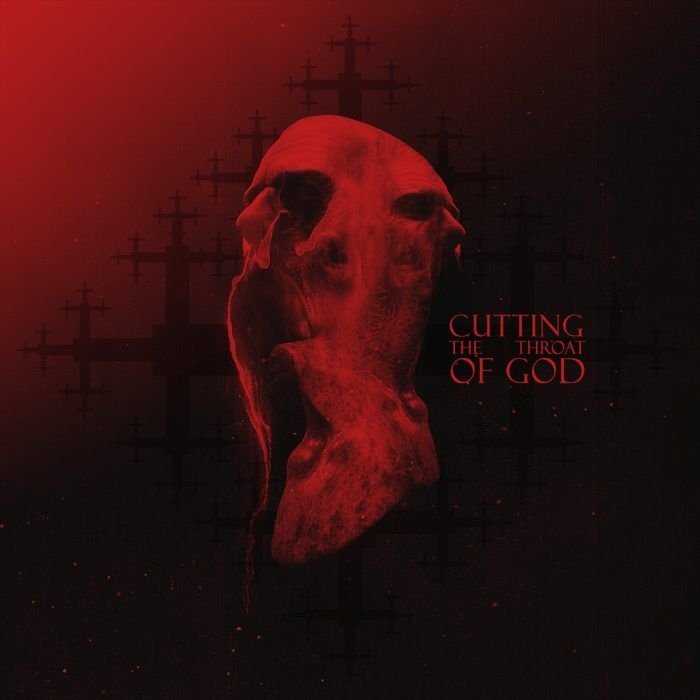
ULCERATE – Cutting the Throat of God
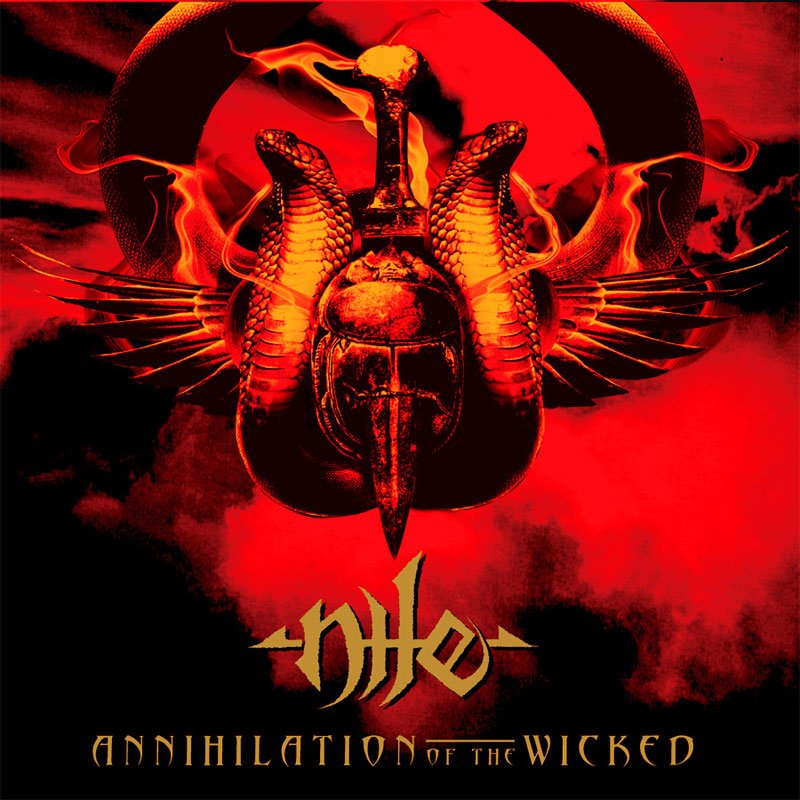
NILE – Annihilation of the Wicked