


In metal, concept albums come in every imaginable form and often in many languages. English remains the dominant choice, but it is far from the only one. As bands develop more specific artistic identities, they often turn to languages that better reflect their themes—whether their native tongue, a regional dialect, or even an ancient language.
These languages carry entire civilizations within them: forgotten religions, cosmologies, poetic traditions, and systems of thought belonging to cultures separated from us by centuries, sometimes millennia. When incorporated into extreme metal, they are not simply quoted or referenced—they are revived, woven into compositions that breathe new life into their sounds and meanings.
The result is a fascinating paradox. Languages once used to preserve sacred texts, philosophy, or collective memory find a new home within music built on intensity and extremity, becoming ritualistic tools that deepen the atmosphere, reinforce the melodies, and strengthen the identity of the bands that embrace them.
Sì, perché queste lingue portano con sé interi mondi culturali: antiche religioni, cosmologie, forme poetiche e strutture del pensiero che appartengono a civiltà distanti nel tempo e nello spazio. E quando vengono inserite nel metal estremo, non vengono semplicemente “citate”, ma incorporate in composizioni che ne rivitalizzano l’uso e la forma.
Il risultato è un paradosso affascinante: lingue nate per ordinare il sacro, la filosofia o la memoria collettiva vengono introdotte in una musica costruita sull’eccesso, ma che diventano improvvisamente uno strumento ritualistico che dà ancor più valore e forma alle atmosfere, alle melodie e all’identità di ogni singola band che le utilizza.
In metal, concept albums come in every imaginable form and often in many languages. English remains the dominant choice, but it is far from the only one. As bands develop more specific artistic identities, they often turn to languages that better reflect their themes—whether their native tongue, a regional dialect, or even an ancient language.
These languages carry entire civilizations within them: forgotten religions, cosmologies, poetic traditions, and systems of thought belonging to cultures separated from us by centuries, sometimes millennia. When incorporated into extreme metal, they are not simply quoted or referenced—they are revived, woven into compositions that breathe new life into their sounds and meanings.
The result is a fascinating paradox. Languages once used to preserve sacred texts, philosophy, or collective memory find a new home within music built on intensity and extremity, becoming ritualistic tools that deepen the atmosphere, reinforce the melodies, and strengthen the identity of the bands that embrace them.
Sì, perché queste lingue portano con sé interi mondi culturali: antiche religioni, cosmologie, forme poetiche e strutture del pensiero che appartengono a civiltà distanti nel tempo e nello spazio. E quando vengono inserite nel metal estremo, non vengono semplicemente “citate”, ma incorporate in composizioni che ne rivitalizzano l’uso e la forma.
Il risultato è un paradosso affascinante: lingue nate per ordinare il sacro, la filosofia o la memoria collettiva vengono introdotte in una musica costruita sull’eccesso, ma che diventano improvvisamente uno strumento ritualistico che dà ancor più valore e forma alle atmosfere, alle melodie e all’identità di ogni singola band che le utilizza.
In metal, concept albums come in every imaginable form and often in many languages. English remains the dominant choice, but it is far from the only one. As bands develop more specific artistic identities, they often turn to languages that better reflect their themes—whether their native tongue, a regional dialect, or even an ancient language.
These languages carry entire civilizations within them: forgotten religions, cosmologies, poetic traditions, and systems of thought belonging to cultures separated from us by centuries, sometimes millennia. When incorporated into extreme metal, they are not simply quoted or referenced—they are revived, woven into compositions that breathe new life into their sounds and meanings.
The result is a fascinating paradox. Languages once used to preserve sacred texts, philosophy, or collective memory find a new home within music built on intensity and extremity, becoming ritualistic tools that deepen the atmosphere, reinforce the melodies, and strengthen the identity of the bands that embrace them.
In metal, concept albums come in every imaginable form and often in many languages. English remains the dominant choice, but it is far from the only one. As bands develop more specific artistic identities, they often turn to languages that better reflect their themes—whether their native tongue, a regional dialect, or even an ancient language.
These languages carry entire civilizations within them: forgotten religions, cosmologies, poetic traditions, and systems of thought belonging to cultures separated from us by centuries, sometimes millennia. When incorporated into extreme metal, they are not simply quoted or referenced—they are revived, woven into compositions that breathe new life into their sounds and meanings.
The result is a fascinating paradox. Languages once used to preserve sacred texts, philosophy, or collective memory find a new home within music built on intensity and extremity, becoming ritualistic tools that deepen the atmosphere, reinforce the melodies, and strengthen the identity of the bands that embrace them.
In metal, concept albums come in every imaginable form and often in many languages. English remains the dominant choice, but it is far from the only one. As bands develop more specific artistic identities, they often turn to languages that better reflect their themes—whether their native tongue, a regional dialect, or even an ancient language.
These languages carry entire civilizations within them: forgotten religions, cosmologies, poetic traditions, and systems of thought belonging to cultures separated from us by centuries, sometimes millennia. When incorporated into extreme metal, they are not simply quoted or referenced—they are revived, woven into compositions that breathe new life into their sounds and meanings.
The result is a fascinating paradox. Languages once used to preserve sacred texts, philosophy, or collective memory find a new home within music built on intensity and extremity, becoming ritualistic tools that deepen the atmosphere, reinforce the melodies, and strengthen the identity of the bands that embrace them.

Few bands have earned the respect that Nile enjoys within the extreme metal scene. Their reputation rests not only on extraordinary technical ability but also on a concept that, at first glance, seems completely at odds with brutal and technical death metal. Yet that unlikely combination is precisely what made them unique. Formed in Greenville, the band has devoted its artistic vision entirely to Ancient Egypt, going far beyond mere references. Drawing on funerary texts, religious formulas, and scholarly translations, Nile reconstructs an entire civilization through music. Frontman Karl Sanders has long nurtured a deep fascination with ancient Egyptian culture, leading him to incorporate material written in Ancient Egyptian itself—one of humanity’s longest-lasting languages, documented for more than four thousand years through hieroglyphic, hieratic, and demotic writing systems. Songs such as Kheftiu Asar Butchiu and Barra Edinazzu integrate ritual formulas and divine names directly into their death metal compositions, occasionally incorporating other ancient languages, such as Sumerian and Babylonian.
Few bands have earned the respect that Nile enjoys within the extreme metal scene. Their reputation rests not only on extraordinary technical ability but also on a concept that, at first glance, seems completely at odds with brutal and technical death metal. Yet that unlikely combination is precisely what made them unique. Formed in Greenville, the band has devoted its artistic vision entirely to Ancient Egypt, going far beyond mere references. Drawing on funerary texts, religious formulas, and scholarly translations, Nile reconstructs an entire civilization through music. Frontman Karl Sanders has long nurtured a deep fascination with ancient Egyptian culture, leading him to incorporate material written in Ancient Egyptian itself—one of humanity’s longest-lasting languages, documented for more than four thousand years through hieroglyphic, hieratic, and demotic writing systems. Songs such as Kheftiu Asar Butchiu and Barra Edinazzu integrate ritual formulas and divine names directly into their death metal compositions, occasionally incorporating other ancient languages, such as Sumerian and Babylonian.
Few bands have earned the respect that Nile enjoys within the extreme metal scene. Their reputation rests not only on extraordinary technical ability but also on a concept that, at first glance, seems completely at odds with brutal and technical death metal. Yet that unlikely combination is precisely what made them unique. Formed in Greenville, the band has devoted its artistic vision entirely to Ancient Egypt, going far beyond mere references. Drawing on funerary texts, religious formulas, and scholarly translations, Nile reconstructs an entire civilization through music. Frontman Karl Sanders has long nurtured a deep fascination with ancient Egyptian culture, leading him to incorporate material written in Ancient Egyptian itself—one of humanity’s longest-lasting languages, documented for more than four thousand years through hieroglyphic, hieratic, and demotic writing systems. Songs such as Kheftiu Asar Butchiu and Barra Edinazzu integrate ritual formulas and divine names directly into their death metal compositions, occasionally incorporating other ancient languages, such as Sumerian and Babylonian.
Few bands have earned the respect that Nile enjoys within the extreme metal scene. Their reputation rests not only on extraordinary technical ability but also on a concept that, at first glance, seems completely at odds with brutal and technical death metal. Yet that unlikely combination is precisely what made them unique. Formed in Greenville, the band has devoted its artistic vision entirely to Ancient Egypt, going far beyond mere references. Drawing on funerary texts, religious formulas, and scholarly translations, Nile reconstructs an entire civilization through music. Frontman Karl Sanders has long nurtured a deep fascination with ancient Egyptian culture, leading him to incorporate material written in Ancient Egyptian itself—one of humanity’s longest-lasting languages, documented for more than four thousand years through hieroglyphic, hieratic, and demotic writing systems. Songs such as Kheftiu Asar Butchiu and Barra Edinazzu integrate ritual formulas and divine names directly into their death metal compositions, occasionally incorporating other ancient languages, such as Sumerian and Babylonian.
Few bands have earned the respect that Nile enjoys within the extreme metal scene. Their reputation rests not only on extraordinary technical ability but also on a concept that, at first glance, seems completely at odds with brutal and technical death metal. Yet that unlikely combination is precisely what made them unique. Formed in Greenville, the band has devoted its artistic vision entirely to Ancient Egypt, going far beyond mere references. Drawing on funerary texts, religious formulas, and scholarly translations, Nile reconstructs an entire civilization through music. Frontman Karl Sanders has long nurtured a deep fascination with ancient Egyptian culture, leading him to incorporate material written in Ancient Egyptian itself—one of humanity’s longest-lasting languages, documented for more than four thousand years through hieroglyphic, hieratic, and demotic writing systems. Songs such as Kheftiu Asar Butchiu and Barra Edinazzu integrate ritual formulas and divine names directly into their death metal compositions, occasionally incorporating other ancient languages, such as Sumerian and Babylonian.

Since the release of Litourgiya in 2015, Batushka has built its entire aesthetic around the traditions of the Eastern Orthodox Church, making extensive use of Old Church Slavonic—the first literary language of the Slavic peoples. Created during the ninth century by Saints Cyril and Methodius to translate the Holy Scriptures, Old Church Slavonic is still used today in the liturgy of numerous Orthodox churches. Within Batushka’s music, the language returns through choral passages, prayers, and liturgical texts, turning each composition into something resembling a religious service transplanted into the world of black metal, both on record and on stage.
Since the release of Litourgiya in 2015, Batushka has built its entire aesthetic around the traditions of the Eastern Orthodox Church, making extensive use of Old Church Slavonic—the first literary language of the Slavic peoples. Created during the ninth century by Saints Cyril and Methodius to translate the Holy Scriptures, Old Church Slavonic is still used today in the liturgy of numerous Orthodox churches. Within Batushka’s music, the language returns through choral passages, prayers, and liturgical texts, turning each composition into something resembling a religious service transplanted into the world of black metal, both on record and on stage.
Since the release of Litourgiya in 2015, Batushka has built its entire aesthetic around the traditions of the Eastern Orthodox Church, making extensive use of Old Church Slavonic—the first literary language of the Slavic peoples. Created during the ninth century by Saints Cyril and Methodius to translate the Holy Scriptures, Old Church Slavonic is still used today in the liturgy of numerous Orthodox churches. Within Batushka’s music, the language returns through choral passages, prayers, and liturgical texts, turning each composition into something resembling a religious service transplanted into the world of black metal, both on record and on stage.
Since the release of Litourgiya in 2015, Batushka has built its entire aesthetic around the traditions of the Eastern Orthodox Church, making extensive use of Old Church Slavonic—the first literary language of the Slavic peoples. Created during the ninth century by Saints Cyril and Methodius to translate the Holy Scriptures, Old Church Slavonic is still used today in the liturgy of numerous Orthodox churches. Within Batushka’s music, the language returns through choral passages, prayers, and liturgical texts, turning each composition into something resembling a religious service transplanted into the world of black metal, both on record and on stage.
Since the release of Litourgiya in 2015, Batushka has built its entire aesthetic around the traditions of the Eastern Orthodox Church, making extensive use of Old Church Slavonic—the first literary language of the Slavic peoples. Created during the ninth century by Saints Cyril and Methodius to translate the Holy Scriptures, Old Church Slavonic is still used today in the liturgy of numerous Orthodox churches. Within Batushka’s music, the language returns through choral passages, prayers, and liturgical texts, turning each composition into something resembling a religious service transplanted into the world of black metal, both on record and on stage.

Deathspell Omega has long centered its music around philosophical and theological inquiry, making Latin a natural part of its artistic vocabulary. The French collective employs the language of Catholic tradition in both their album titles and lyrics, drawing heavily on medieval theology and Scholastic philosophy. For more than a thousand years, Latin served as the language of the Church, academia, and European intellectual life, and within Deathspell Omega’s highly conceptual black metal, it is reimagined as a vehicle for exploring sin, evil, and the crisis of faith. Albums such as Si Monumentum Requires, Circumspice, and Fas – Ite, Maledicti, in Ignem Aeternum stand as the clearest examples of this approach, blending liturgical formulas and doctrinal references into one of the most intellectually demanding discographies in modern black metal.
Deathspell Omega has long centered its music around philosophical and theological inquiry, making Latin a natural part of its artistic vocabulary. The French collective employs the language of Catholic tradition in both their album titles and lyrics, drawing heavily on medieval theology and Scholastic philosophy. For more than a thousand years, Latin served as the language of the Church, academia, and European intellectual life, and within Deathspell Omega’s highly conceptual black metal, it is reimagined as a vehicle for exploring sin, evil, and the crisis of faith. Albums such as Si Monumentum Requires, Circumspice, and Fas – Ite, Maledicti, in Ignem Aeternum stand as the clearest examples of this approach, blending liturgical formulas and doctrinal references into one of the most intellectually demanding discographies in modern black metal.
Deathspell Omega has long centered its music around philosophical and theological inquiry, making Latin a natural part of its artistic vocabulary. The French collective employs the language of Catholic tradition in both their album titles and lyrics, drawing heavily on medieval theology and Scholastic philosophy. For more than a thousand years, Latin served as the language of the Church, academia, and European intellectual life, and within Deathspell Omega’s highly conceptual black metal, it is reimagined as a vehicle for exploring sin, evil, and the crisis of faith. Albums such as Si Monumentum Requires, Circumspice, and Fas – Ite, Maledicti, in Ignem Aeternum stand as the clearest examples of this approach, blending liturgical formulas and doctrinal references into one of the most intellectually demanding discographies in modern black metal.
Deathspell Omega has long centered its music around philosophical and theological inquiry, making Latin a natural part of its artistic vocabulary. The French collective employs the language of Catholic tradition in both their album titles and lyrics, drawing heavily on medieval theology and Scholastic philosophy. For more than a thousand years, Latin served as the language of the Church, academia, and European intellectual life, and within Deathspell Omega’s highly conceptual black metal, it is reimagined as a vehicle for exploring sin, evil, and the crisis of faith. Albums such as Si Monumentum Requires, Circumspice, and Fas – Ite, Maledicti, in Ignem Aeternum stand as the clearest examples of this approach, blending liturgical formulas and doctrinal references into one of the most intellectually demanding discographies in modern black metal.
Deathspell Omega has long centered its music around philosophical and theological inquiry, making Latin a natural part of its artistic vocabulary. The French collective employs the language of Catholic tradition in both their album titles and lyrics, drawing heavily on medieval theology and Scholastic philosophy. For more than a thousand years, Latin served as the language of the Church, academia, and European intellectual life, and within Deathspell Omega’s highly conceptual black metal, it is reimagined as a vehicle for exploring sin, evil, and the crisis of faith. Albums such as Si Monumentum Requires, Circumspice, and Fas – Ite, Maledicti, in Ignem Aeternum stand as the clearest examples of this approach, blending liturgical formulas and doctrinal references into one of the most intellectually demanding discographies in modern black metal.

Among the pioneers of Viking metal, Enslaved occupy a place of unquestionable importance. Since their earliest days, the Norwegian band has built its identity around the history, mythology, and culture of pre-Christian Scandinavia, incorporating Old Norse—the language spoken throughout the Viking Age between the 8th and 13th centuries—into both its lyrics and its overall artistic vision. Their goal has never been limited to adding historical flavor. Instead, Enslaved have consistently sought to revive a cultural heritage that might otherwise remain confined to medieval manuscripts. Early releases such as the Yggdrasill EP and their debut full-length Vikingligr Veldi feature verses drawn directly from the Poetic Edda and other Old Norse literary sources, breathing new life into a language that today survives primarily through philological studies and the Icelandic sagas.
Among the pioneers of Viking metal, Enslaved occupy a place of unquestionable importance. Since their earliest days, the Norwegian band has built its identity around the history, mythology, and culture of pre-Christian Scandinavia, incorporating Old Norse—the language spoken throughout the Viking Age between the 8th and 13th centuries—into both its lyrics and its overall artistic vision. Their goal has never been limited to adding historical flavor. Instead, Enslaved have consistently sought to revive a cultural heritage that might otherwise remain confined to medieval manuscripts. Early releases such as the Yggdrasill EP and their debut full-length Vikingligr Veldi feature verses drawn directly from the Poetic Edda and other Old Norse literary sources, breathing new life into a language that today survives primarily through philological studies and the Icelandic sagas.
Among the pioneers of Viking metal, Enslaved occupy a place of unquestionable importance. Since their earliest days, the Norwegian band has built its identity around the history, mythology, and culture of pre-Christian Scandinavia, incorporating Old Norse—the language spoken throughout the Viking Age between the 8th and 13th centuries—into both its lyrics and its overall artistic vision. Their goal has never been limited to adding historical flavor. Instead, Enslaved have consistently sought to revive a cultural heritage that might otherwise remain confined to medieval manuscripts. Early releases such as the Yggdrasill EP and their debut full-length Vikingligr Veldi feature verses drawn directly from the Poetic Edda and other Old Norse literary sources, breathing new life into a language that today survives primarily through philological studies and the Icelandic sagas.
Among the pioneers of Viking metal, Enslaved occupy a place of unquestionable importance. Since their earliest days, the Norwegian band has built its identity around the history, mythology, and culture of pre-Christian Scandinavia, incorporating Old Norse—the language spoken throughout the Viking Age between the 8th and 13th centuries—into both its lyrics and its overall artistic vision. Their goal has never been limited to adding historical flavor. Instead, Enslaved have consistently sought to revive a cultural heritage that might otherwise remain confined to medieval manuscripts. Early releases such as the Yggdrasill EP and their debut full-length Vikingligr Veldi feature verses drawn directly from the Poetic Edda and other Old Norse literary sources, breathing new life into a language that today survives primarily through philological studies and the Icelandic sagas.
Among the pioneers of Viking metal, Enslaved occupy a place of unquestionable importance. Since their earliest days, the Norwegian band has built its identity around the history, mythology, and culture of pre-Christian Scandinavia, incorporating Old Norse—the language spoken throughout the Viking Age between the 8th and 13th centuries—into both its lyrics and its overall artistic vision. Their goal has never been limited to adding historical flavor. Instead, Enslaved have consistently sought to revive a cultural heritage that might otherwise remain confined to medieval manuscripts. Early releases such as the Yggdrasill EP and their debut full-length Vikingligr Veldi feature verses drawn directly from the Poetic Edda and other Old Norse literary sources, breathing new life into a language that today survives primarily through philological studies and the Icelandic sagas.

Helheim has likewise made Old Norse a defining feature of its artistic output. Active since 1992, the Norwegian band has always aimed to reconstruct the worldview of ancient Scandinavian societies through music, drawing extensively from medieval historical and literary sources. Albums such as Jormundgand and Av norrøn ætt feature lyrics and passages written in Old Norse that evoke the cosmology preserved in the earliest Nordic texts, creating an atmosphere deeply rooted in Viking culture. More than a stylistic choice, Helheim’s use of the language represents an effort to preserve a linguistic tradition that, together with the myths it carried, remains one of Northern Europe’s greatest cultural legacies.
Helheim has likewise made Old Norse a defining feature of its artistic output. Active since 1992, the Norwegian band has always aimed to reconstruct the worldview of ancient Scandinavian societies through music, drawing extensively from medieval historical and literary sources. Albums such as Jormundgand and Av norrøn ætt feature lyrics and passages written in Old Norse that evoke the cosmology preserved in the earliest Nordic texts, creating an atmosphere deeply rooted in Viking culture. More than a stylistic choice, Helheim’s use of the language represents an effort to preserve a linguistic tradition that, together with the myths it carried, remains one of Northern Europe’s greatest cultural legacies.
Helheim has likewise made Old Norse a defining feature of its artistic output. Active since 1992, the Norwegian band has always aimed to reconstruct the worldview of ancient Scandinavian societies through music, drawing extensively from medieval historical and literary sources. Albums such as Jormundgand and Av norrøn ætt feature lyrics and passages written in Old Norse that evoke the cosmology preserved in the earliest Nordic texts, creating an atmosphere deeply rooted in Viking culture. More than a stylistic choice, Helheim’s use of the language represents an effort to preserve a linguistic tradition that, together with the myths it carried, remains one of Northern Europe’s greatest cultural legacies.
Helheim has likewise made Old Norse a defining feature of its artistic output. Active since 1992, the Norwegian band has always aimed to reconstruct the worldview of ancient Scandinavian societies through music, drawing extensively from medieval historical and literary sources. Albums such as Jormundgand and Av norrøn ætt feature lyrics and passages written in Old Norse that evoke the cosmology preserved in the earliest Nordic texts, creating an atmosphere deeply rooted in Viking culture. More than a stylistic choice, Helheim’s use of the language represents an effort to preserve a linguistic tradition that, together with the myths it carried, remains one of Northern Europe’s greatest cultural legacies.
Helheim has likewise made Old Norse a defining feature of its artistic output. Active since 1992, the Norwegian band has always aimed to reconstruct the worldview of ancient Scandinavian societies through music, drawing extensively from medieval historical and literary sources. Albums such as Jormundgand and Av norrøn ætt feature lyrics and passages written in Old Norse that evoke the cosmology preserved in the earliest Nordic texts, creating an atmosphere deeply rooted in Viking culture. More than a stylistic choice, Helheim’s use of the language represents an effort to preserve a linguistic tradition that, together with the myths it carried, remains one of Northern Europe’s greatest cultural legacies.

Completing this trio of Norwegian bands is Ásmegin, another project deeply committed to the linguistic and literary traditions of medieval Scandinavia. Their music frequently incorporates both Old Norse and archaic Norwegian forms to recount myths, legends, and traditional folklore, turning their albums into journeys through the origins of Nordic culture. By adopting this approach, Ásmegin shows how metal can become a vehicle for preserving linguistic traditions that have long disappeared from everyday life. Although the band has remained inactive for nearly two decades, they left behind two highly regarded full-length albums—Hin vordende sod & sø (2003) and Arv (2008)—that continue to stand as remarkable examples of this philosophy.
Completing this trio of Norwegian bands is Ásmegin, another project deeply committed to the linguistic and literary traditions of medieval Scandinavia. Their music frequently incorporates both Old Norse and archaic Norwegian forms to recount myths, legends, and traditional folklore, turning their albums into journeys through the origins of Nordic culture. By adopting this approach, Ásmegin shows how metal can become a vehicle for preserving linguistic traditions that have long disappeared from everyday life. Although the band has remained inactive for nearly two decades, they left behind two highly regarded full-length albums—Hin vordende sod & sø (2003) and Arv (2008)—that continue to stand as remarkable examples of this philosophy.
Completing this trio of Norwegian bands is Ásmegin, another project deeply committed to the linguistic and literary traditions of medieval Scandinavia. Their music frequently incorporates both Old Norse and archaic Norwegian forms to recount myths, legends, and traditional folklore, turning their albums into journeys through the origins of Nordic culture. By adopting this approach, Ásmegin shows how metal can become a vehicle for preserving linguistic traditions that have long disappeared from everyday life. Although the band has remained inactive for nearly two decades, they left behind two highly regarded full-length albums—Hin vordende sod & sø (2003) and Arv (2008)—that continue to stand as remarkable examples of this philosophy.
Completing this trio of Norwegian bands is Ásmegin, another project deeply committed to the linguistic and literary traditions of medieval Scandinavia. Their music frequently incorporates both Old Norse and archaic Norwegian forms to recount myths, legends, and traditional folklore, turning their albums into journeys through the origins of Nordic culture. By adopting this approach, Ásmegin shows how metal can become a vehicle for preserving linguistic traditions that have long disappeared from everyday life. Although the band has remained inactive for nearly two decades, they left behind two highly regarded full-length albums—Hin vordende sod & sø (2003) and Arv (2008)—that continue to stand as remarkable examples of this philosophy.
Completing this trio of Norwegian bands is Ásmegin, another project deeply committed to the linguistic and literary traditions of medieval Scandinavia. Their music frequently incorporates both Old Norse and archaic Norwegian forms to recount myths, legends, and traditional folklore, turning their albums into journeys through the origins of Nordic culture. By adopting this approach, Ásmegin shows how metal can become a vehicle for preserving linguistic traditions that have long disappeared from everyday life. Although the band has remained inactive for nearly two decades, they left behind two highly regarded full-length albums—Hin vordende sod & sø (2003) and Arv (2008)—that continue to stand as remarkable examples of this philosophy.

Far less well known than many of their contemporaries, Árstíðir Lífsins nevertheless represent one of the most rigorous examples of ancient-language usage in extreme metal. Born from a collaboration between Icelandic and German musicians, the project composes much of its material in Old Icelandic, the medieval form of Old Norse from which modern Icelandic directly descends. Rather than simply borrowing historical imagery, the band’s ambition is to recreate the atmosphere of the Icelandic sagas and skaldic poetry with the highest possible degree of historical accuracy, allowing black metal to engage with one of medieval Europe’s richest literary traditions. As a result, Árstíðir Lífsins often feel less like a conventional concept band and more like a historical and philological reconstruction expressed through the language of extreme metal.
Far less well known than many of their contemporaries, Árstíðir Lífsins nevertheless represent one of the most rigorous examples of ancient-language usage in extreme metal. Born from a collaboration between Icelandic and German musicians, the project composes much of its material in Old Icelandic, the medieval form of Old Norse from which modern Icelandic directly descends. Rather than simply borrowing historical imagery, the band’s ambition is to recreate the atmosphere of the Icelandic sagas and skaldic poetry with the highest possible degree of historical accuracy, allowing black metal to engage with one of medieval Europe’s richest literary traditions. As a result, Árstíðir Lífsins often feel less like a conventional concept band and more like a historical and philological reconstruction expressed through the language of extreme metal.
Far less well known than many of their contemporaries, Árstíðir Lífsins nevertheless represent one of the most rigorous examples of ancient-language usage in extreme metal. Born from a collaboration between Icelandic and German musicians, the project composes much of its material in Old Icelandic, the medieval form of Old Norse from which modern Icelandic directly descends. Rather than simply borrowing historical imagery, the band’s ambition is to recreate the atmosphere of the Icelandic sagas and skaldic poetry with the highest possible degree of historical accuracy, allowing black metal to engage with one of medieval Europe’s richest literary traditions. As a result, Árstíðir Lífsins often feel less like a conventional concept band and more like a historical and philological reconstruction expressed through the language of extreme metal.
Far less well known than many of their contemporaries, Árstíðir Lífsins nevertheless represent one of the most rigorous examples of ancient-language usage in extreme metal. Born from a collaboration between Icelandic and German musicians, the project composes much of its material in Old Icelandic, the medieval form of Old Norse from which modern Icelandic directly descends. Rather than simply borrowing historical imagery, the band’s ambition is to recreate the atmosphere of the Icelandic sagas and skaldic poetry with the highest possible degree of historical accuracy, allowing black metal to engage with one of medieval Europe’s richest literary traditions. As a result, Árstíðir Lífsins often feel less like a conventional concept band and more like a historical and philological reconstruction expressed through the language of extreme metal.
Far less well known than many of their contemporaries, Árstíðir Lífsins nevertheless represent one of the most rigorous examples of ancient-language usage in extreme metal. Born from a collaboration between Icelandic and German musicians, the project composes much of its material in Old Icelandic, the medieval form of Old Norse from which modern Icelandic directly descends. Rather than simply borrowing historical imagery, the band’s ambition is to recreate the atmosphere of the Icelandic sagas and skaldic poetry with the highest possible degree of historical accuracy, allowing black metal to engage with one of medieval Europe’s richest literary traditions. As a result, Árstíðir Lífsins often feel less like a conventional concept band and more like a historical and philological reconstruction expressed through the language of extreme metal.

When discussing the intersection of extreme metal and Eastern spirituality, Rudra are impossible to overlook. Formed in Singapore in 1992, they are widely regarded as pioneers of Vedic Metal, that fuses black and death metal with the philosophical and spiritual traditions of Hinduism. Unlike many bands that merely borrow Indian imagery or symbolism, Rudra take their concept much further by incorporating Sanskrit directly into their music. The ancient language—through which the Vedas, the Upanishads, and much of India’s sacred literature have been preserved—appears throughout their lyrics in the form of hymns, mantras, and philosophical passages. On the band’s early albums in particular, Sanskrit is never treated as an exotic ornament. Instead, it serves as an essential component of Rudra’s ritualistic and philosophical identity, reinforcing the spiritual foundation of their music.
When discussing the intersection of extreme metal and Eastern spirituality, Rudra are impossible to overlook. Formed in Singapore in 1992, they are widely regarded as pioneers of Vedic Metal, that fuses black and death metal with the philosophical and spiritual traditions of Hinduism. Unlike many bands that merely borrow Indian imagery or symbolism, Rudra take their concept much further by incorporating Sanskrit directly into their music. The ancient language—through which the Vedas, the Upanishads, and much of India’s sacred literature have been preserved—appears throughout their lyrics in the form of hymns, mantras, and philosophical passages. On the band’s early albums in particular, Sanskrit is never treated as an exotic ornament. Instead, it serves as an essential component of Rudra’s ritualistic and philosophical identity, reinforcing the spiritual foundation of their music.
When discussing the intersection of extreme metal and Eastern spirituality, Rudra are impossible to overlook. Formed in Singapore in 1992, they are widely regarded as pioneers of Vedic Metal, that fuses black and death metal with the philosophical and spiritual traditions of Hinduism. Unlike many bands that merely borrow Indian imagery or symbolism, Rudra take their concept much further by incorporating Sanskrit directly into their music. The ancient language—through which the Vedas, the Upanishads, and much of India’s sacred literature have been preserved—appears throughout their lyrics in the form of hymns, mantras, and philosophical passages. On the band’s early albums in particular, Sanskrit is never treated as an exotic ornament. Instead, it serves as an essential component of Rudra’s ritualistic and philosophical identity, reinforcing the spiritual foundation of their music.
When discussing the intersection of extreme metal and Eastern spirituality, Rudra are impossible to overlook. Formed in Singapore in 1992, they are widely regarded as pioneers of Vedic Metal, that fuses black and death metal with the philosophical and spiritual traditions of Hinduism. Unlike many bands that merely borrow Indian imagery or symbolism, Rudra take their concept much further by incorporating Sanskrit directly into their music. The ancient language—through which the Vedas, the Upanishads, and much of India’s sacred literature have been preserved—appears throughout their lyrics in the form of hymns, mantras, and philosophical passages. On the band’s early albums in particular, Sanskrit is never treated as an exotic ornament. Instead, it serves as an essential component of Rudra’s ritualistic and philosophical identity, reinforcing the spiritual foundation of their music.
When discussing the intersection of extreme metal and Eastern spirituality, Rudra are impossible to overlook. Formed in Singapore in 1992, they are widely regarded as pioneers of Vedic Metal, that fuses black and death metal with the philosophical and spiritual traditions of Hinduism. Unlike many bands that merely borrow Indian imagery or symbolism, Rudra take their concept much further by incorporating Sanskrit directly into their music. The ancient language—through which the Vedas, the Upanishads, and much of India’s sacred literature have been preserved—appears throughout their lyrics in the form of hymns, mantras, and philosophical passages. On the band’s early albums in particular, Sanskrit is never treated as an exotic ornament. Instead, it serves as an essential component of Rudra’s ritualistic and philosophical identity, reinforcing the spiritual foundation of their music.

To close this journey, we turn to one of the most fascinating and unconventional projects in contemporary extreme metal. Behind the one-man band Hoplites—stylized in Ancient Greek as Ὁπλίτης—stands Chinese multi-instrumentalist Liu Zhenyang, a musician and accomplished linguist from Zhejiang Province. At first glance, it may seem unusual for a Chinese artist to adopt Ancient Greek as the foundation of his work. However, the choice becomes perfectly understandable when considering Zhenyang’s deep academic interest in the Greek language and classical civilization. The project’s name references the hoplites, the heavily armed citizen-soldiers of the ancient Greek poleis, and its album titles—Ψευδομένη (Pseudoménē, “The Deceiver”), Τρωθησομένη (Trōthēsoménē, “She Who Shall Be Wounded”), and Παραμάθειν (Paramáthein, “To Learn”)—extend that commitment. These works demonstrate a clear intention to revive Ancient Greek not merely as an artistic flourish, but as the vehicle for a precise philosophical and literary imagination. The language of Homer’s epics, the tragedies of Aeschylus, Sophocles, and Euripides, and the writings of Plato and Aristotle is transplanted into a musical landscape defined by modern dissonance and relentless experimentation. Rather than striving for a strict historical reconstruction, Hoplites use Ancient Greek to evoke the intellectual legacy of classical antiquity, proving that a language long absent from everyday speech can still wield extraordinary symbolic power within the ever-evolving world of extreme metal.
To close this journey, we turn to one of the most fascinating and unconventional projects in contemporary extreme metal. Behind the one-man band Hoplites—stylized in Ancient Greek as Ὁπλίτης—stands Chinese multi-instrumentalist Liu Zhenyang, a musician and accomplished linguist from Zhejiang Province. At first glance, it may seem unusual for a Chinese artist to adopt Ancient Greek as the foundation of his work. However, the choice becomes perfectly understandable when considering Zhenyang’s deep academic interest in the Greek language and classical civilization. The project’s name references the hoplites, the heavily armed citizen-soldiers of the ancient Greek poleis, and its album titles—Ψευδομένη (Pseudoménē, “The Deceiver”), Τρωθησομένη (Trōthēsoménē, “She Who Shall Be Wounded”), and Παραμάθειν (Paramáthein, “To Learn”)—extend that commitment. These works demonstrate a clear intention to revive Ancient Greek not merely as an artistic flourish, but as the vehicle for a precise philosophical and literary imagination. The language of Homer’s epics, the tragedies of Aeschylus, Sophocles, and Euripides, and the writings of Plato and Aristotle is transplanted into a musical landscape defined by modern dissonance and relentless experimentation. Rather than striving for a strict historical reconstruction, Hoplites use Ancient Greek to evoke the intellectual legacy of classical antiquity, proving that a language long absent from everyday speech can still wield extraordinary symbolic power within the ever-evolving world of extreme metal.
To close this journey, we turn to one of the most fascinating and unconventional projects in contemporary extreme metal. Behind the one-man band Hoplites—stylized in Ancient Greek as Ὁπλίτης—stands Chinese multi-instrumentalist Liu Zhenyang, a musician and accomplished linguist from Zhejiang Province. At first glance, it may seem unusual for a Chinese artist to adopt Ancient Greek as the foundation of his work. However, the choice becomes perfectly understandable when considering Zhenyang’s deep academic interest in the Greek language and classical civilization. The project’s name references the hoplites, the heavily armed citizen-soldiers of the ancient Greek poleis, and its album titles—Ψευδομένη (Pseudoménē, “The Deceiver”), Τρωθησομένη (Trōthēsoménē, “She Who Shall Be Wounded”), and Παραμάθειν (Paramáthein, “To Learn”)—extend that commitment. These works demonstrate a clear intention to revive Ancient Greek not merely as an artistic flourish, but as the vehicle for a precise philosophical and literary imagination. The language of Homer’s epics, the tragedies of Aeschylus, Sophocles, and Euripides, and the writings of Plato and Aristotle is transplanted into a musical landscape defined by modern dissonance and relentless experimentation. Rather than striving for a strict historical reconstruction, Hoplites use Ancient Greek to evoke the intellectual legacy of classical antiquity, proving that a language long absent from everyday speech can still wield extraordinary symbolic power within the ever-evolving world of extreme metal.
To close this journey, we turn to one of the most fascinating and unconventional projects in contemporary extreme metal. Behind the one-man band Hoplites—stylized in Ancient Greek as Ὁπλίτης—stands Chinese multi-instrumentalist Liu Zhenyang, a musician and accomplished linguist from Zhejiang Province. At first glance, it may seem unusual for a Chinese artist to adopt Ancient Greek as the foundation of his work. However, the choice becomes perfectly understandable when considering Zhenyang’s deep academic interest in the Greek language and classical civilization. The project’s name references the hoplites, the heavily armed citizen-soldiers of the ancient Greek poleis, and its album titles—Ψευδομένη (Pseudoménē, “The Deceiver”), Τρωθησομένη (Trōthēsoménē, “She Who Shall Be Wounded”), and Παραμάθειν (Paramáthein, “To Learn”)—extend that commitment. These works demonstrate a clear intention to revive Ancient Greek not merely as an artistic flourish, but as the vehicle for a precise philosophical and literary imagination. The language of Homer’s epics, the tragedies of Aeschylus, Sophocles, and Euripides, and the writings of Plato and Aristotle is transplanted into a musical landscape defined by modern dissonance and relentless experimentation. Rather than striving for a strict historical reconstruction, Hoplites use Ancient Greek to evoke the intellectual legacy of classical antiquity, proving that a language long absent from everyday speech can still wield extraordinary symbolic power within the ever-evolving world of extreme metal.
To close this journey, we turn to one of the most fascinating and unconventional projects in contemporary extreme metal. Behind the one-man band Hoplites—stylized in Ancient Greek as Ὁπλίτης—stands Chinese multi-instrumentalist Liu Zhenyang, a musician and accomplished linguist from Zhejiang Province. At first glance, it may seem unusual for a Chinese artist to adopt Ancient Greek as the foundation of his work. However, the choice becomes perfectly understandable when considering Zhenyang’s deep academic interest in the Greek language and classical civilization. The project’s name references the hoplites, the heavily armed citizen-soldiers of the ancient Greek poleis, and its album titles—Ψευδομένη (Pseudoménē, “The Deceiver”), Τρωθησομένη (Trōthēsoménē, “She Who Shall Be Wounded”), and Παραμάθειν (Paramáthein, “To Learn”)—extend that commitment. These works demonstrate a clear intention to revive Ancient Greek not merely as an artistic flourish, but as the vehicle for a precise philosophical and literary imagination. The language of Homer’s epics, the tragedies of Aeschylus, Sophocles, and Euripides, and the writings of Plato and Aristotle is transplanted into a musical landscape defined by modern dissonance and relentless experimentation. Rather than striving for a strict historical reconstruction, Hoplites use Ancient Greek to evoke the intellectual legacy of classical antiquity, proving that a language long absent from everyday speech can still wield extraordinary symbolic power within the ever-evolving world of extreme metal.


testo minimo
Related articles
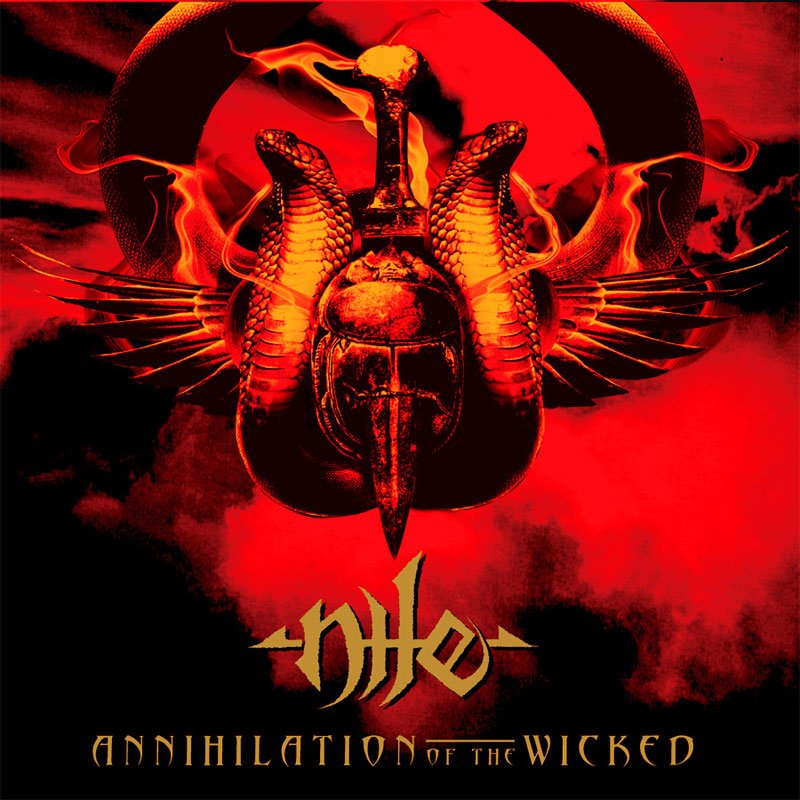
NILE – Annihilation of the Wicked

ENSLAVED – Heimdal