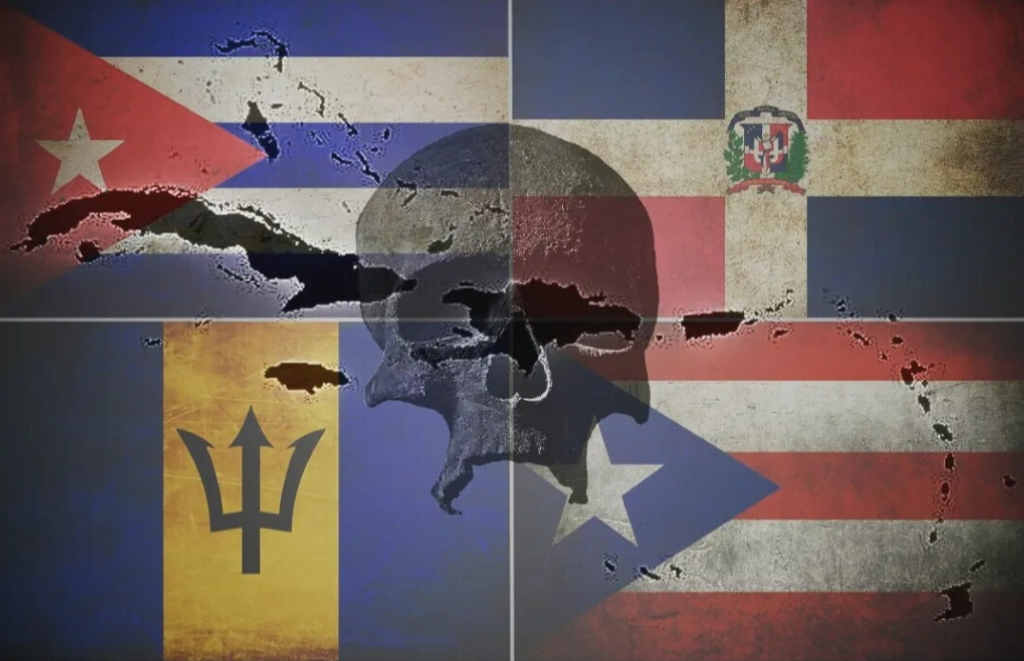
Hellish Islands: The Extreme Metal of the Caribbean – Part two
Beyond the large Puerto Rican scene, the Caribbean scene is also shaped by smaller nations, which have given rise to unusual and unique projects


Beyond the large Puerto Rican scene, the Caribbean scene is also shaped by smaller nations, which have given rise to unusual and unique projects
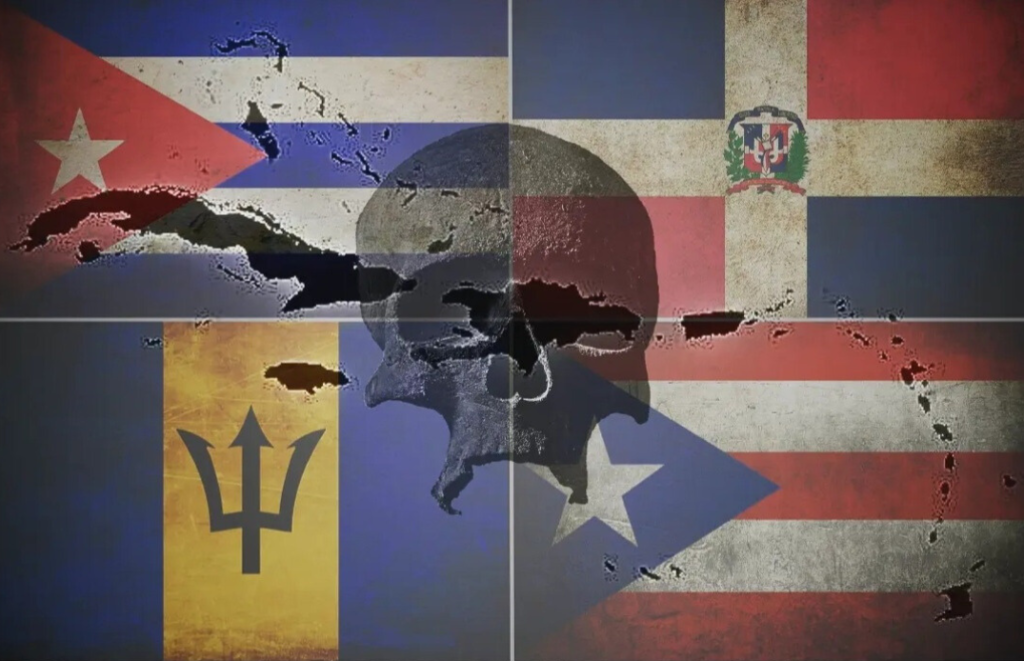
Contrary to popular belief, the Caribbean islands have developed rich and vibrant music scenes, now well-established within socio-cultural contexts that vary from country to country.
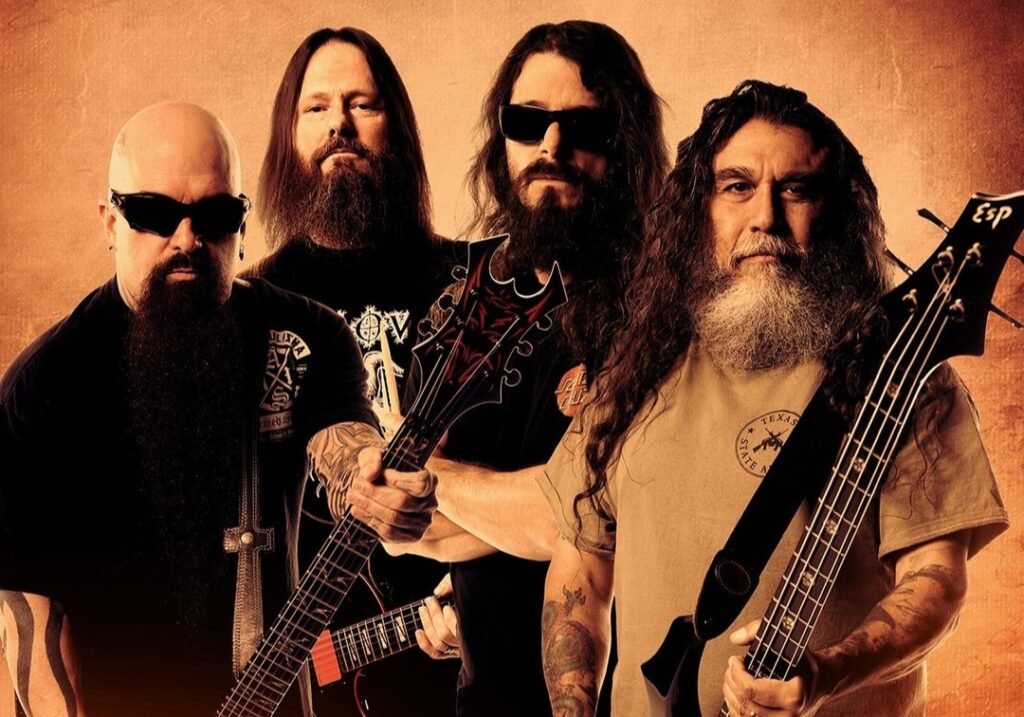
The titans of thrash metal have suddenly reunited, sparking all kinds of reactions and opening up new future scenarios.
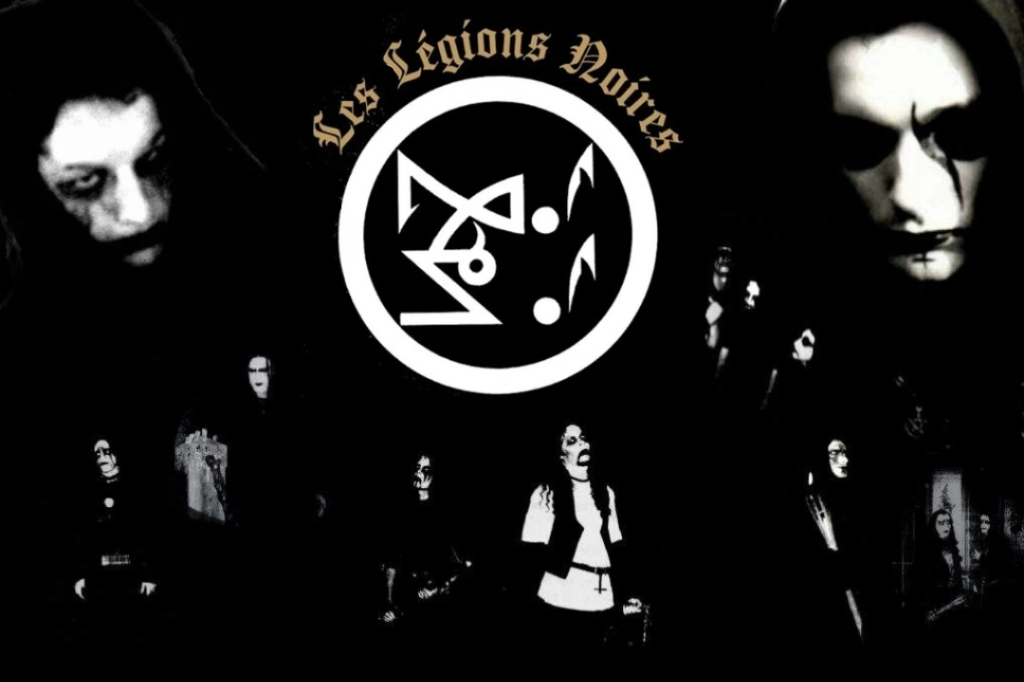
Ten musicians, two independent labels, and a single path to follow. This is how the Black Legions forged a unique musical legacy—one steeped in nihilism and misanthropy, ideals that fully reflected their philosophy.
In the early 1990s, black metal spread from Norway to the rest of Europe, giving rise to numerous groups of musicians gathered into real sects. One of the first formed across the Alps, quickly becoming the most distinctive of them all.
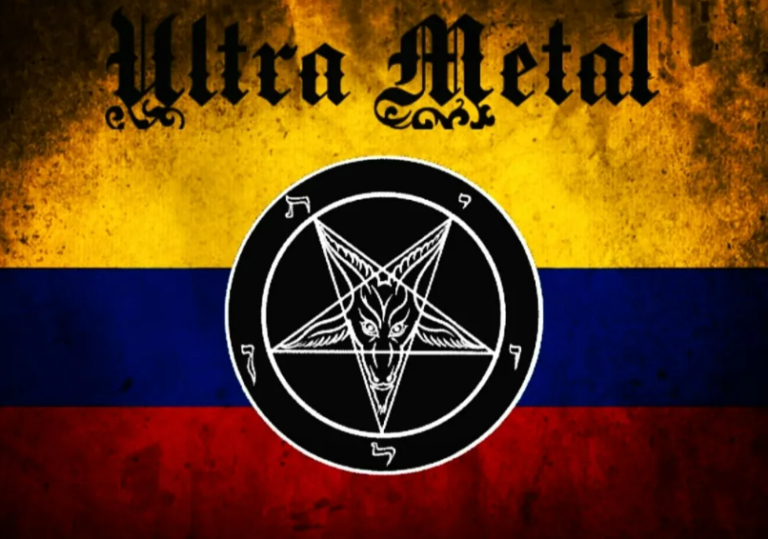
After Batalla de las Bandas, this new musical movement grew with numerous bands. Some lasted only a short time, others are still active, but all have passed down to future generations their stylistic legacy, which remains exemplary today.
In an era when metal was still finding its voice, a corner of Latin America swiftly gave rise to a groundbreaking and historic movement.
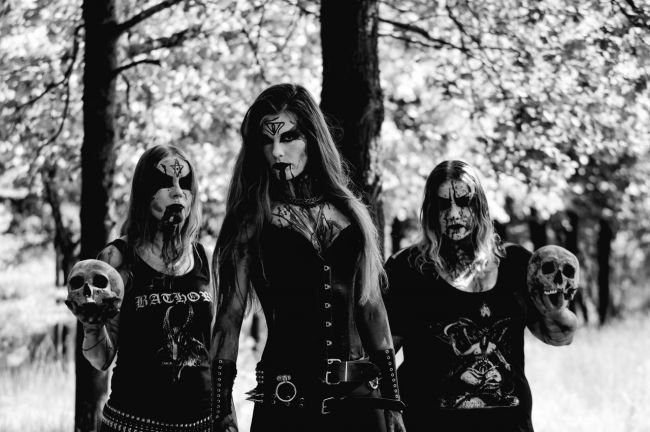
From Nervosa to Crypta, through bands like Konvent and a wide range of solo projects, countless women are carrying the tradition forward—and they never stop impressing.
In the collective imagination, it is difficult to associate women with a genre considered too masculine. But reality tells a different story.
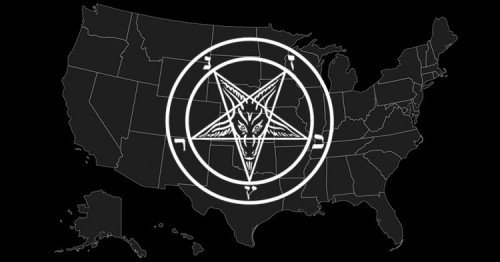
After its rapid expansion, the black metal scene grew quickly across the United States, evolving into a unique and distinctive sound that varies from region to region thanks to numerous different movements.
Beyond the large Puerto Rican scene, the Caribbean scene is also shaped by smaller nations, which have given rise to unusual and unique projects
Contrary to popular belief, the Caribbean islands have developed rich and vibrant music scenes, now well-established within socio-cultural contexts that vary from country to country.
The titans of thrash metal have suddenly reunited, sparking all kinds of reactions and opening up new future scenarios.
Ten musicians, two independent labels, and a single path to follow. This is how the Black Legions forged a unique musical legacy—one steeped in nihilism and misanthropy, ideals that fully reflected their philosophy.
In the early 1990s, black metal spread from Norway to the rest of Europe, giving rise to numerous groups of musicians gathered into real sects. One of the first formed across the Alps, quickly becoming the most distinctive of them all.
After Batalla de las Bandas, this new musical movement grew with numerous bands. Some lasted only a short time, others are still active, but all have passed down to future generations their stylistic legacy, which remains exemplary today.
In an era when metal was still finding its voice, a corner of Latin America swiftly gave rise to a groundbreaking and historic movement.
From Nervosa to Crypta, through bands like Konvent and a wide range of solo projects, countless women are carrying the tradition forward—and they never stop impressing.
In the collective imagination, it is difficult to associate women with a genre considered too masculine. But reality tells a different story.
After its rapid expansion, the black metal scene grew quickly across the United States, evolving into a unique and distinctive sound that varies from region to region thanks to numerous different movements.