Extreme is the way

USBM: The History of American Black Metal – Part two

After its rapid expansion, the black metal scene grew quickly across the United States, evolving into a unique and distinctive sound that varies from region to region thanks to numerous different movements.

The Different Movements of USBM

At the dawn of the new millennium, black metal in the United States became a true institution: underground circles began promoting any band playing the genre, organizing events, festivals, and even in-depth gatherings aimed at fully understanding the cultural roots of black metal.

Even in Florida and the famous Bay Area—birthplaces of death and thrash metal—the cult of black metal grew immensely. While the old school of Darkthrone and Mayhem served as the foundation from which American fans expanded their knowledge, it was clear they were also witnessing an evolution that would not only change the history of black metal, but ultimately stamp it with the label “Made in USA.”

The underground scene that defines Southern California, especially Los Angeles area, has always been an essential part of extreme metal’s development, hosting numerous small yet highly impactful events. None of this would have been possible without the contribution of the Black Twilight Circle.

Similar to the more famous Inner Circle, the BTC is a movement founded by musicians of Latin American origin, united by a passion for black metal, occultism, and pre-Columbian culture. Unlike the Norwegian circle, however, its members not only keep their ideologies and secrets within their own ranks, but also collaborate extensively, blending traditional black metal with a wide variety of extreme music influences.

Thus, a distinct movement emerged, often referred to as “Black Twilight Metal.” On one side are Volahn, led by Eduardo Ramírez, crafting music that is both raw and innovative, enriched with melodic guitar lines and longer compositions; on the other are Arizmenda, led by Juan Cabello, channeling deep despair through a decayed, hypnotic form of depressive black metal.

The list continues with Mata Mata, who incorporate punk and hardcore elements into their black metal foundation, and expands further with Dolorvotre, Kuxan Suum, Kallathon, Odz Manouk, Axeman, and The Haunting Presence—projects united by shared traits and by the BTC’s independent label, Crepúsculo Negro.

Despite remaining within a niche, these bands have earned strong followings among fans and even recognition from more established acts such as the Canadian Blasphemy and Revenge, who have shared stages with key members of the circle.

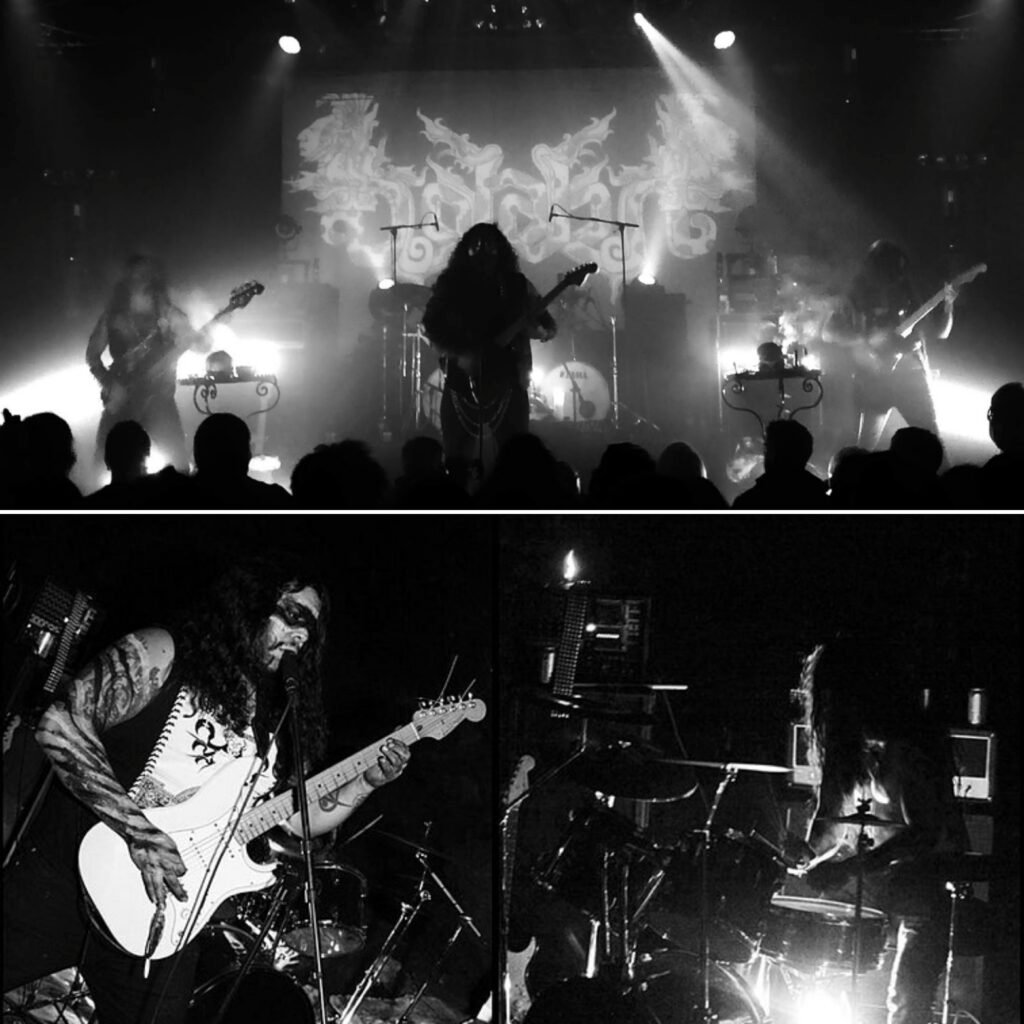
Volahn (top) and Kuxan Suum (bottom) during a live performance.

The Black Twilight Circle quickly became one of the most important movements within USBM, but it was far from the only one to emerge. Around the same time, another fundamental current developed on the West Coast.

Attention shifts north to California’s neighboring states: Oregon and Washington. These territories are defined by their breathtaking natural landscapes—forests, lakes, and rugged mountains—forming a vast, largely untouched region known as Cascadia, aside from major urban centers like Portland and Seattle.

Cascadia refers to the Pacific Northwest region that includes Oregon and Washington in the United States, as well as British Columbia in Canada. Beyond geography, it is also associated with a political independence movement that envisions a broader territory stretching into Idaho, Montana, Wyoming, Alaska, and Canada’s Yukon. In such a socially and ideologically vibrant region, the birth of a new black metal movement was inevitable—one that would eventually be recognized almost as a genre of its own: Cascadian Black Metal.

The exact origins of this scene remain unclear, but many experts point to By Blood and by Earth, the 46-minute debut (and only album) by Threnos from Olympia, Washington, released in 2004. While it may initially sound like a traditional demo rooted in atmospheric black metal with touches of thrash, it already reveals key themes that would define the movement: nature, mysticism, and a deep sense of belonging to one’s land.

The minds behind the project, Johnny Delacy and Jason Phillips—also known as “Vines” and “Echtra”—would go on to further develop the Cascadian Black concept through Fauna and the one-man project Echtra, both of which feature deeply introspective and ritualistic themes.

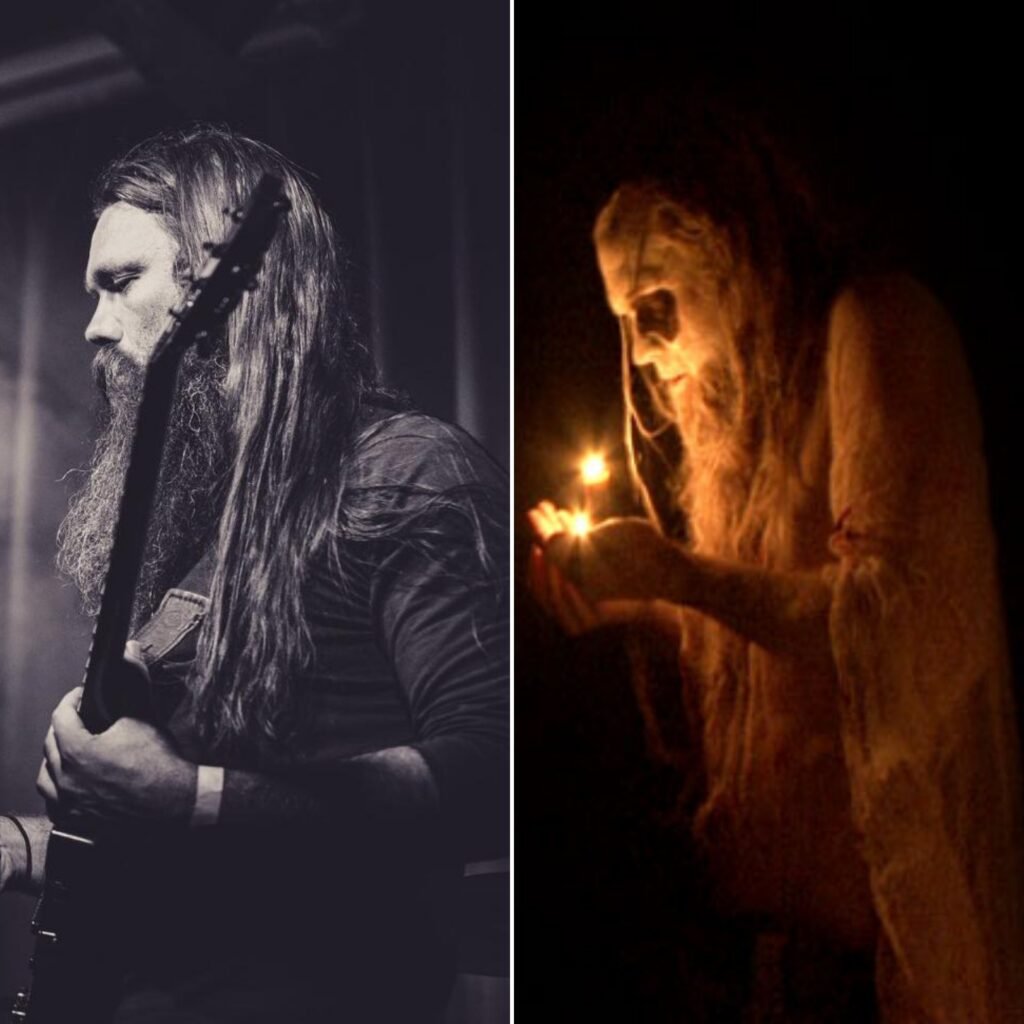
Johnny “Vines” Delacy and Jason “Echtra” Phillips, the pioneering artists of Cascadian Black Metal.

Another important precursor is Dead as Dreams (2000), the only full-length by Weakling. Although often considered secondary due to the band’s San Francisco origins, the album clearly laid the groundwork for the Cascadian sound, particularly in its atmospheric depth, slow passages, and ambient interludes, which were influenced by post-rock and progressive elements.

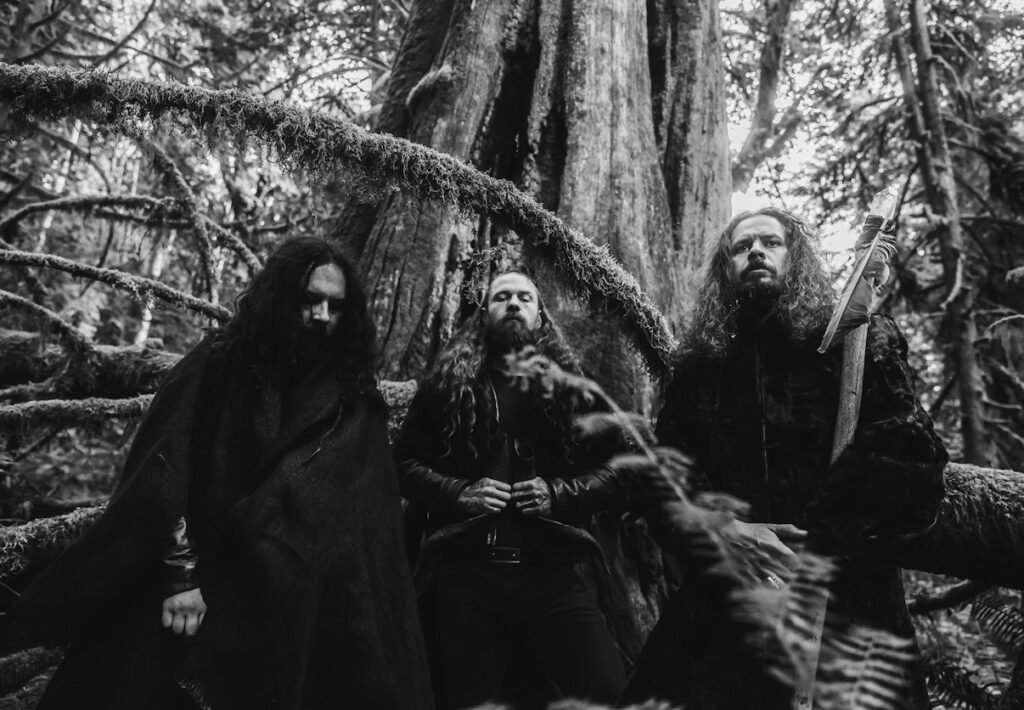
However, Wolves in the Throne Room truly defined Cascadian Black Metal with their debut Diadem of 12 Stars, merging their distinctive sound with themes rooted in their native Washington landscape.

Wolves In The Throne Room

Just a year later, Aaron and Nathan Weaver released the trilogy that would bring them worldwide acclaim: Two Hunters, Black Cascade, and Celestial Lineage (2007–2011). These albums stood out for their originality, cohesion, expansive compositions, and their powerful message of connection to the natural world—effectively establishing the core principles of Cascadian Black Metal.

Equally important were Agalloch, whose unique blend of folk, ambient, and black metal earned them a prominent place in the scene, starting with Pale Folklore, later perfected with The Mantle. Other notable projects include Canada’s Skagos, along with Twilight Falls, Boreal, and Stellar Descent, all united by themes of spirituality and mysticism.

Wild’s Reprisal brought an ecological perspective, while Addaura explored ritualistic themes, alongside one of Portland’s most well-known acts: Uada.

It is therefore clear that Cascadian Black Metal has become a solid and internationally recognized movement, defined by a coherent artistic and conceptual vision.

At the same time, another region of the United States was emerging as a key player in shaping a new scene—this time further south, in the arid and rocky landscapes of Colorado.

The city of Denver quickly became a thriving hub for extreme music, giving rise to numerous promising bands. In 2004, the first edition of Gathering of Shadows took place—a yearly black metal festival held in remote locations throughout the Rocky Mountains.

Despite some controversy due to its associations with certain ideological circles, the festival provided a platform for a diverse range of bands. Among them were Deafest, advocates of nature-inspired themes; the abyssal Saeva; the more melodic Crafteon; and the atmospheric Wayfarer.

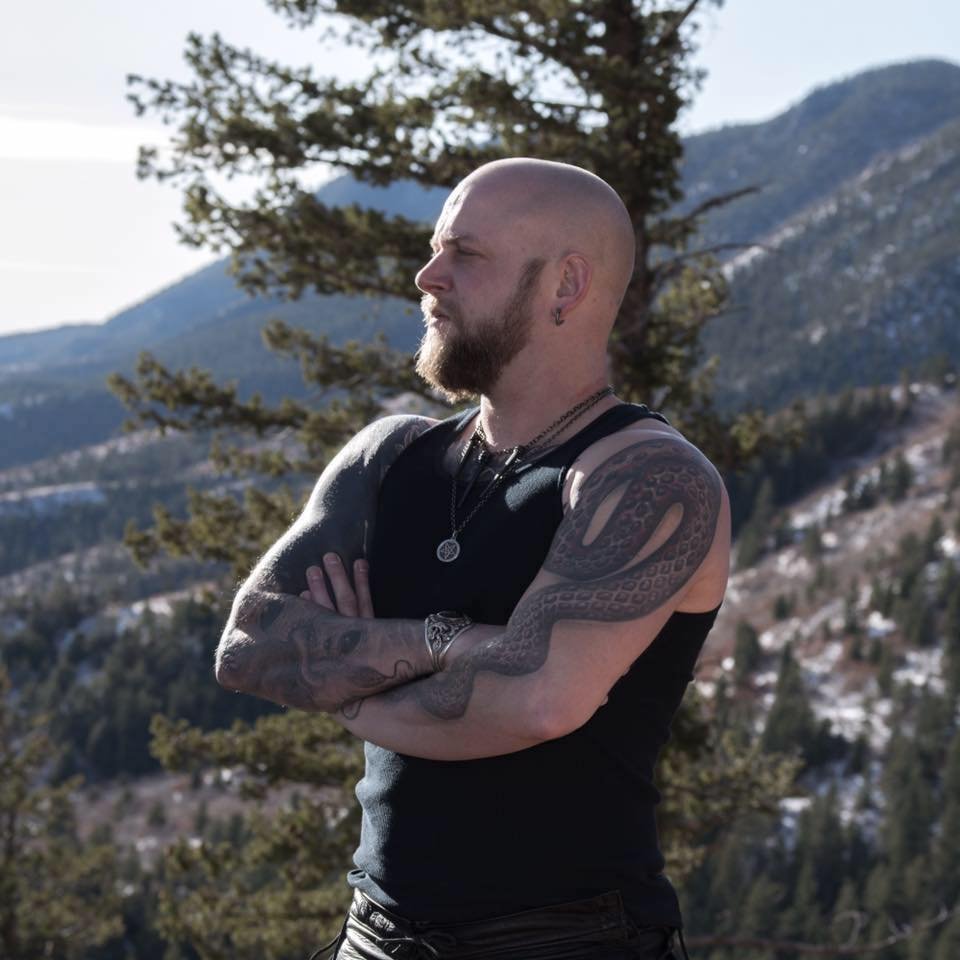
Yet the Colorado scene owes much of its recognition to one figure in particular: Naas Alcameth.

Naas Alcameth

Since the early 2000s, Kyle Spanswick (his real name) has been a central force in the scene through multiple projects—Akhlys, Aoratos, Excommunion, Nightbringer, and Bestia Arcana—all characterized by a uniquely abstract and violent sound that has added another powerful dimension to both USBM and black metal as a whole.

While much of the innovation in American black metal took place in the western United States, the East Coast cannot be overlooked.

In New York’s already rich musical landscape, a new wave of bands brought unprecedented levels of technicality and creativity to the genre.

By the 2010s, the New York underground scene had introduced a number of notable bands. Black Anvil, formed from the legendary Kill Your Idols, blended black metal with elements of New York hardcore, thrash, and punk. Black Table also emerged as a strong post-black presence in the region.

However, two bands in particular brought international attention back to New York: Krallice and Liturgy. In 2011, with the release of Diotima and Aesthethica, respectively, they redefined the city as a fertile ground for black metal innovation.

Both bands employ highly intricate structures driven by layers of interwoven guitars. Liturgy introduced an additional element of chaos through the “burst beat,” a jazz-influenced reinterpretation of the traditional blast beat, while Krallice, led by Colin Marston, created an unusually evocative and grand sonic landscape.

Despite their differing aesthetics, their philosophies mirror one another: both consciously reject the nihilism of traditional black metal in favor of a more “transcendental” approach—a concept described by Hunter Hunt-Hendrix, a former Columbia philosophy student, as “transcendental black metal.”

According to Marston, this approach emphasizes the emotional impact of sound—immediate, tangible, and potentially the foundation of a new musical current.

As of 2022, American black metal shows no signs of decline. Numerous acts across the country continue to carve out significant roles within the scene, including Deafheaven (San Francisco), Nachtmystium (Chicago), and Caladan Brood (Salt Lake City). Each state boasts its own standout bands, contributing to the richness, diversity, and constant evolution of the movement.

This is USBM: a branch of black metal that remains vastly underrated, yet possesses a long, established, and ever-growing history.

Related articles

Leave a Reply

Your email address will not be published. Required fields are marked *

Share