South Africa: Extreme Music Against Racism
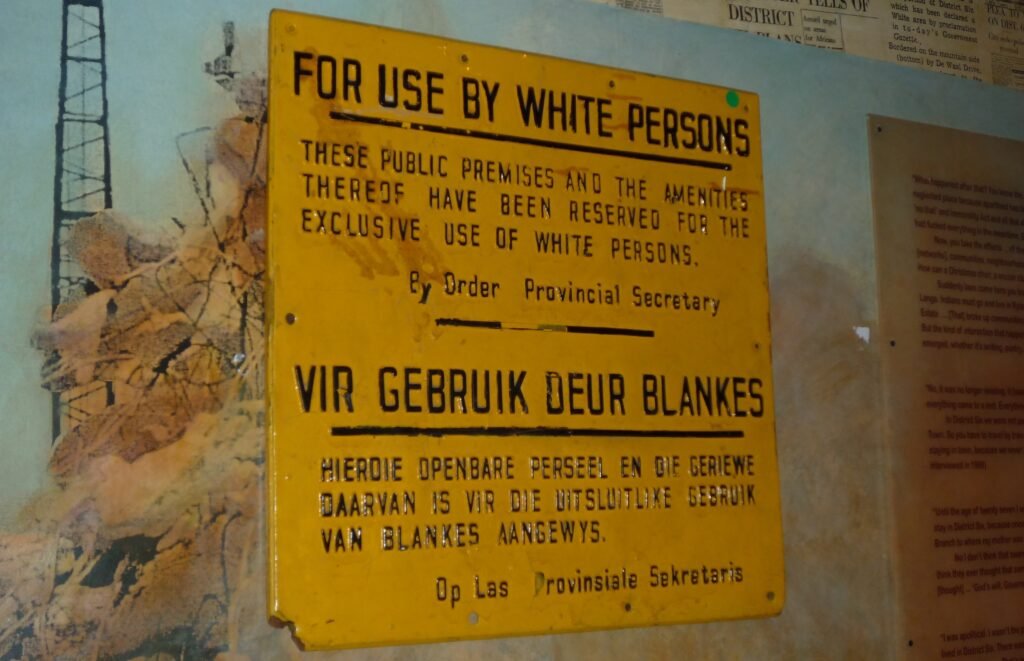
Although the British and Afrikaners had been rivals, they shared one goal: maintaining white supremacy at the expense of the black population.
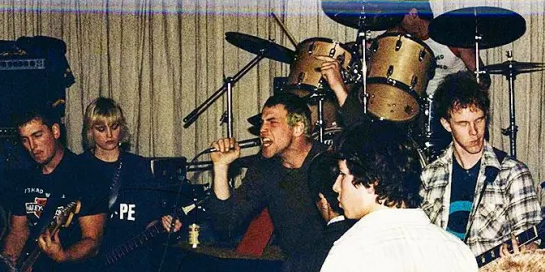
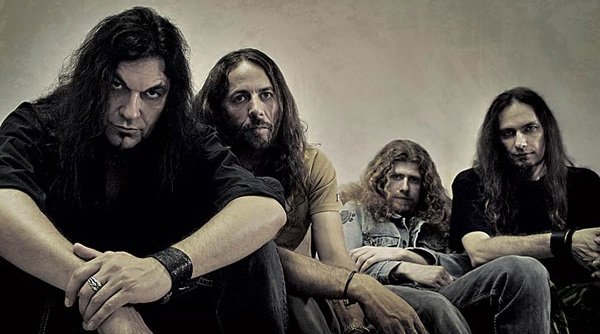
Post-apartheid, cultural openness and access to international music allowed new bands to emerge. Notable groups include Groinchurn (Johannesburg, grindcore), Mind Assault (Somerset West, melodeath, politically charged Afrikaans lyrics), Sacraphyx (Cape Town, early death metal), and SacriFist (melodeath). Extreme acts such as Pledge Defiance (brutal death) and Throne Below (black metal solo project) also gained prominence.
Recent international successes include Infanteria (thrash), Red Helen (metalcore), and Vulvodynia (brutal death), all performing at Wacken Open Air.
Mozambique: A Symbol of Resistance
In 1977, a long civil war began, marked by numerous atrocities: RENAMO relentlessly attacked villages, infrastructure, and railways, recruited child soldiers, and carried out brutal guerrilla strategies.
It was only from 1986, when Joaquim Chissano came to power, that the situation began to improve, as he sought to negotiate agreements both with political opponents and with the international community.
In 1992, after 15 years of bloodshed, the Mozambican government and RENAMO signed the Rome General Peace Accords, bringing an end to a conflict that had claimed over a million lives.
After this severe conflict, Mozambique never truly returned to a state of peace. New tensions between FRELIMO and RENAMO have periodically flared up even after 1992, with frequent armed clashes between 2013 and 2016.
In 2019, a new peace agreement was signed, but once again it failed to resolve anything. The threats of terrorism, the exploitation of mineral resources, and the growing number of displaced people continue to fuel an increasingly tense environment, where new conflicts could erupt at any moment.
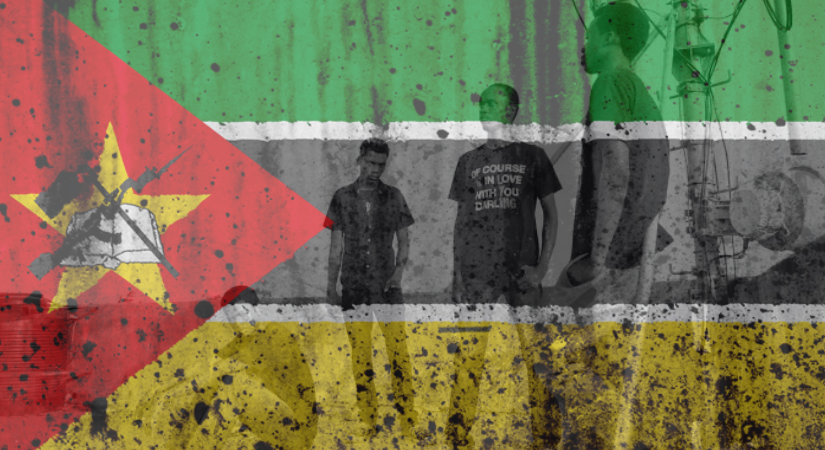
In a country unable to find peace, plagued by ongoing social tensions and extreme poverty, there was only one outlet capable of expressing the traumas of war and internal politics: heavy metal, which became the main means of release for many young people seeking a way to reclaim their lives.
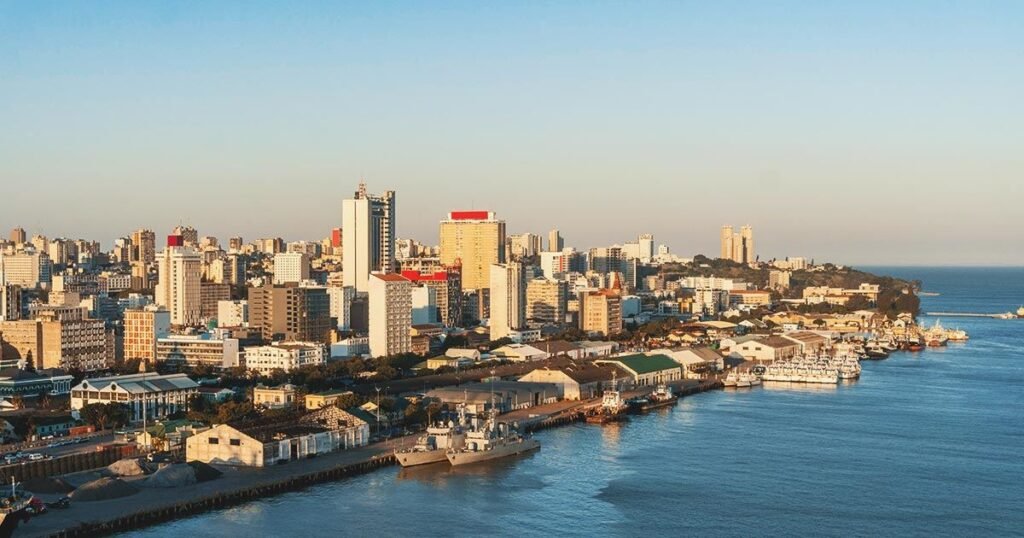
The metal scene emerged in the suburbs of Beira and the capital, Maputo, in the mid-1990s following the end of the conflict. Surrounded by an apocalyptic landscape of destroyed homes, a decimated population, and severe famine, young musicians sought an outlet to denounce the horrors they had witnessed in previous years, bringing together those who shared the same passion and forming a tight-knit community.
As in Angola, Mozambique’s metal scene gained recognition thanks to the documentary Terra Pesada, directed by American filmmaker Leslie Bornstein. The movie explores the lives of Maputo’s metal musicians, highlighting their daily struggles, aspirations, and how metal music became a form of cultural and personal resistance.
The bands emerging from the capital vary widely in both number and style, starting with the most well-known: Sarcotrofia. Founded in 2006 by drummer Goro Edgar Fast, the quartet has released only one EP, Left to Rot (2013), consisting of five tracks of pure, ferocious, and overflowing death metal, reflecting the intense rebellious spirit at the core of their identity.
Goro Edgar Fast’s name also appears in the lineup of Darkest Place, a gothic/black band that, like Sarcotrofia, has released only one official work, Ashes of the Earth (2010).
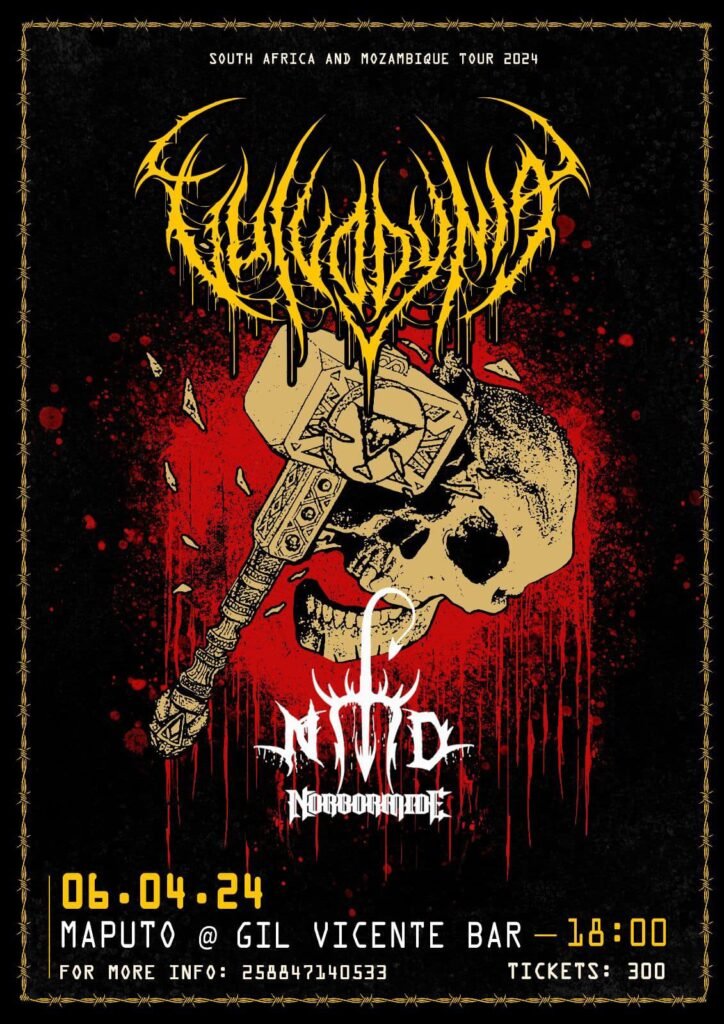
Other notable acts include OVNI, who blend deathcore and thrash to create a powerful, distinctive sound on their self-titled 2011 EP. There are also bands with particularly unique approaches, such as Norbormide NMD, which fuse heavy metal, death, metalcore, and fusion to produce a bold and original sound.
Finally, noteworthy mentions include Ectogenesis, a black metal trio led by Magnus Madrugoth, and Hora Vitrum, a metalcore band that, despite having released only three singles, demonstrates remarkable inspiration and talent.
Madagascar: The Island of Rebellion
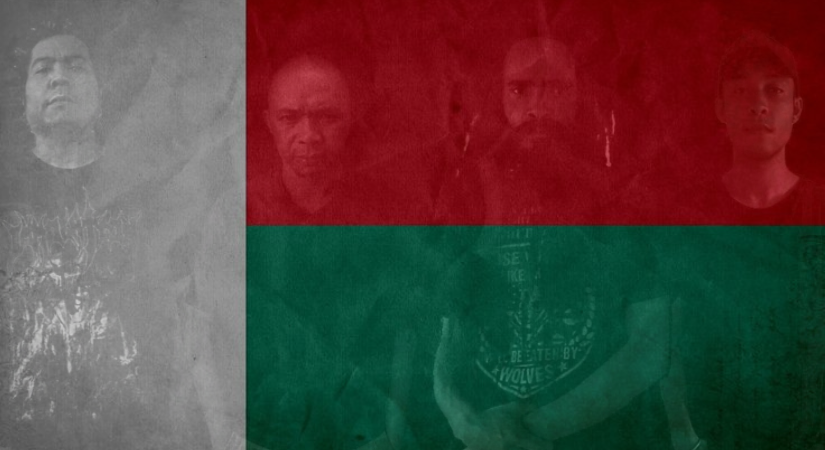
It was precisely this repressive phase that, paradoxically, contributed to the birth of the Malagasy metal scene. Although the genre was virtually unknown at the time, it took root in the island’s major urban centers, giving young people a way to express dissent, frustration, and a sense of alternative identity within a closed political climate.
Pioneering bands such as Kazar, Lokömotiva, Pharaons, and Apost began writing original material inspired by hard rock, heavy metal, and thrash. These groups played a key role in shaping and consolidating Madagascar’s metal identity, developing a distinctive sound later reflected in albums like Lokömotiva Mpivahiny, Apokalipsa, and Evil World, recorded partly in English and partly in Malagasy.
In the years that followed, Madagascar went through further difficult periods: Ratsiraka lost power and was exiled to France, and after his rule, internal tensions escalated through coups and ongoing reprisals.
All of this also impacted the development of the metal scene, which entered a period of decline in the 2000s, marked by lower concert attendance and reduced media coverage.
From 2010 onwards, however, a new wave of growth emerged with the rise of fresh talent. Among them are Sasamaso, one of the first metal bands in the country to feature a female vocalist (Rasah), delivering a fierce, high-energy thrash metal sound sung in Malagasy
Other long-standing bands include Storm, the country’s only power metal band, formed in 1998, and Beyond Your Ritual, a prog/thrash outfit with three studio albums to their name, helping pave the way for younger musicians who have made the scene even more dynamic.
Most of them have gone on to form thrash metal bands such as Sharks, Soradra, My Veins, and Load, though there is no shortage of death and black metal projects as well, including Valan’kisoa and Lamasy.