

Not everyone is calm under pressure, and musicians are no exception — even in the metal world. Differences of opinion, as normal as they are, often spiral into misunderstandings that can turn into fights or full-blown conflicts. And when they do, no one is safe.
Forget sports rivalries and fan brawls: when bands declare war on each other, there’s no stopping them. A single provocation, a small argument, or a copyright dispute can spark a feud that lasts for years, with battles played out in courts, onstage, or even in hospital corridors.
Not everyone is calm under pressure, and musicians are no exception — even in the metal world. Differences of opinion, as normal as they are, often spiral into misunderstandings that can turn into fights or full-blown conflicts. And when they do, no one is safe.
Forget sports rivalries and fan brawls: when bands declare war on each other, there’s no stopping them. A single provocation, a small argument, or a copyright dispute can spark a feud that lasts for years, with battles played out in courts, onstage, or even in hospital corridors.
Not everyone is calm under pressure, and musicians are no exception — even in the metal world. Differences of opinion, as normal as they are, often spiral into misunderstandings that can turn into fights or full-blown conflicts. And when they do, no one is safe.
Forget sports rivalries and fan brawls: when bands declare war on each other, there’s no stopping them. A single provocation, a small argument, or a copyright dispute can spark a feud that lasts for years, with battles played out in courts, onstage, or even in hospital corridors.
Not everyone is calm under pressure, and musicians are no exception — even in the metal world. Differences of opinion, as normal as they are, often spiral into misunderstandings that can turn into fights or full-blown conflicts. And when they do, no one is safe.
Forget sports rivalries and fan brawls: when bands declare war on each other, there’s no stopping them. A single provocation, a small argument, or a copyright dispute can spark a feud that lasts for years, with battles played out in courts, onstage, or even in hospital corridors.
Not everyone is calm under pressure, and musicians are no exception — even in the metal world. Differences of opinion, as normal as they are, often spiral into misunderstandings that can turn into fights or full-blown conflicts. And when they do, no one is safe.
Forget sports rivalries and fan brawls: when bands declare war on each other, there’s no stopping them. A single provocation, a small argument, or a copyright dispute can spark a feud that lasts for years, with battles played out in courts, onstage, or even in hospital corridors.
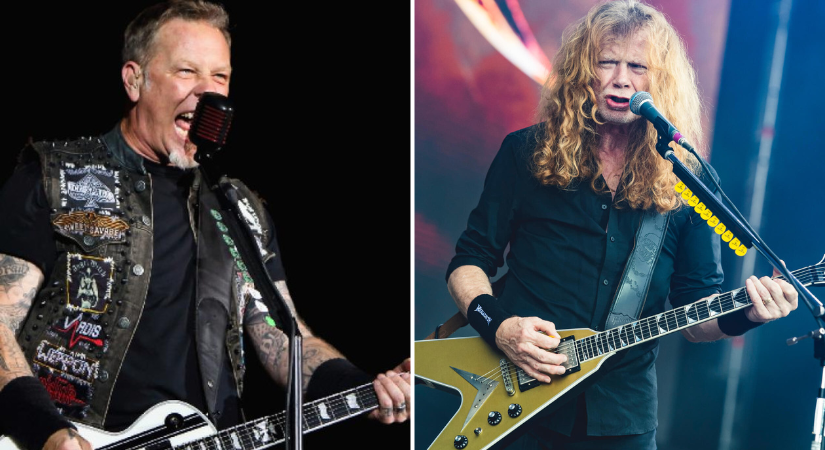
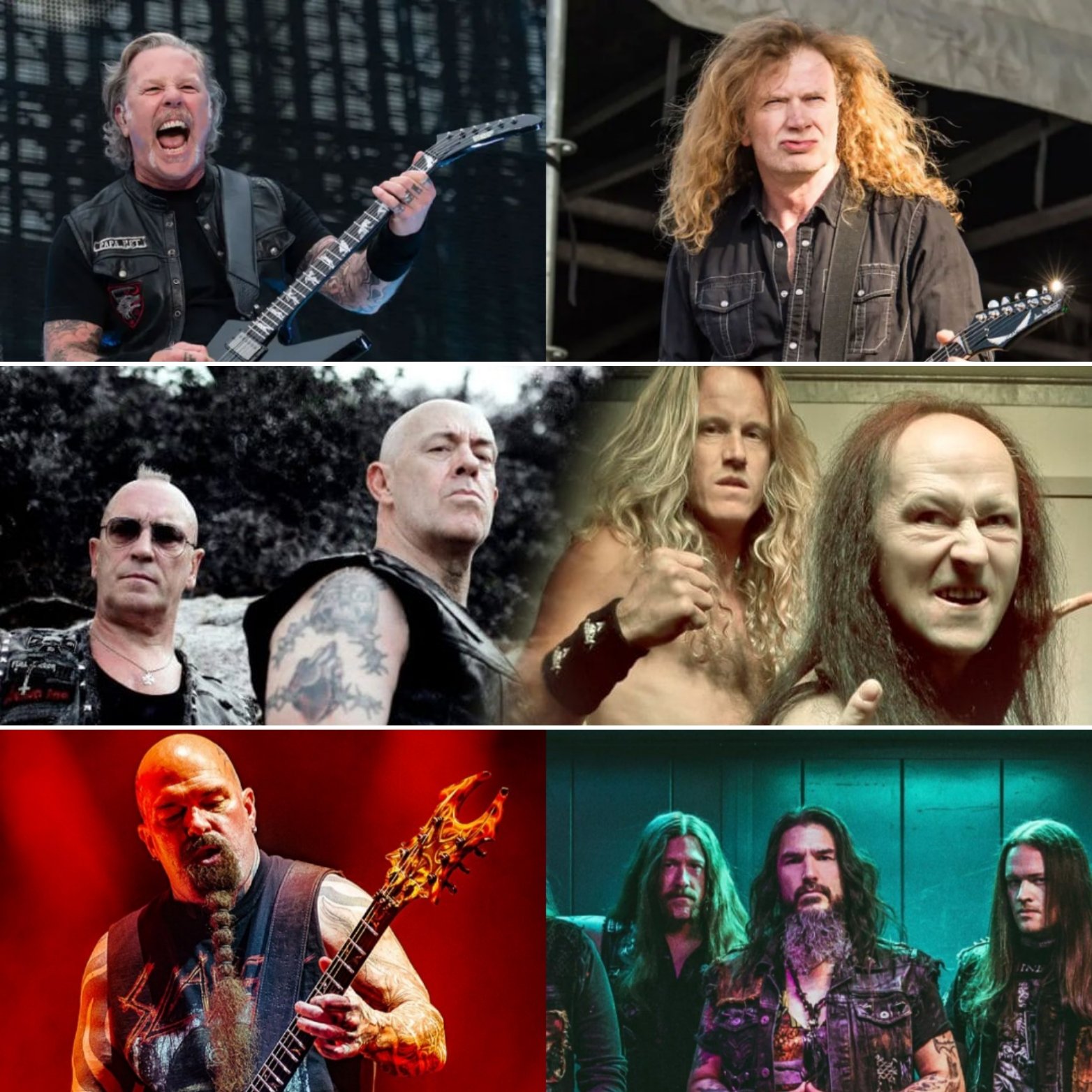
A rivalry that refuses to die. The tension between Metallica and Megadeth has been brewing for years, and the story is well-known. In April 1983, Dave Mustaine was kicked out of Metallica after major clashes with James Hetfield and Lars Ulrich. His fiery personality, compounded by struggles with alcohol and drugs, only made matters worse. The breaking point came three months later, when Kill ‘Em All was released: Mustaine had written the riffs for four tracks (The Four Horsemen, Jump in the Fire, Phantom Lord, and Metal Militia), but they were included without his consent, credited to Ulrich instead. With the birth of Megadeth, the feud was far from over. On Killing Is My Business…, Mustaine included Mechanix to prove that the riffs for The Four Horsemen were his own. At every concert, he took shots at his former bandmates. What followed — public jabs, courtroom drama, and divided fanbases — cemented this long-running hostility, still very much alive today.
A rivalry that refuses to die. The tension between Metallica and Megadeth has been brewing for years, and the story is well-known. In April 1983, Dave Mustaine was kicked out of Metallica after major clashes with James Hetfield and Lars Ulrich. His fiery personality, compounded by struggles with alcohol and drugs, only made matters worse. The breaking point came three months later, when Kill ‘Em All was released: Mustaine had written the riffs for four tracks (The Four Horsemen, Jump in the Fire, Phantom Lord, and Metal Militia), but they were included without his consent, credited to Ulrich instead. With the birth of Megadeth, the feud was far from over. On Killing Is My Business…, Mustaine included Mechanix to prove that the riffs for The Four Horsemen were his own. At every concert, he took shots at his former bandmates. What followed — public jabs, courtroom drama, and divided fanbases — cemented this long-running hostility, still very much alive today.
A rivalry that refuses to die. The tension between Metallica and Megadeth has been brewing for years, and the story is well-known. In April 1983, Dave Mustaine was kicked out of Metallica after major clashes with James Hetfield and Lars Ulrich. His fiery personality, compounded by struggles with alcohol and drugs, only made matters worse. The breaking point came three months later, when Kill ‘Em All was released: Mustaine had written the riffs for four tracks (The Four Horsemen, Jump in the Fire, Phantom Lord, and Metal Militia), but they were included without his consent, credited to Ulrich instead. With the birth of Megadeth, the feud was far from over. On Killing Is My Business…, Mustaine included Mechanix to prove that the riffs for The Four Horsemen were his own. At every concert, he took shots at his former bandmates. What followed — public jabs, courtroom drama, and divided fanbases — cemented this long-running hostility, still very much alive today.
A rivalry that refuses to die. The tension between Metallica and Megadeth has been brewing for years, and the story is well-known. In April 1983, Dave Mustaine was kicked out of Metallica after major clashes with James Hetfield and Lars Ulrich. His fiery personality, compounded by struggles with alcohol and drugs, only made matters worse. The breaking point came three months later, when Kill ‘Em All was released: Mustaine had written the riffs for four tracks (The Four Horsemen, Jump in the Fire, Phantom Lord, and Metal Militia), but they were included without his consent, credited to Ulrich instead. With the birth of Megadeth, the feud was far from over. On Killing Is My Business…, Mustaine included Mechanix to prove that the riffs for The Four Horsemen were his own. At every concert, he took shots at his former bandmates. What followed — public jabs, courtroom drama, and divided fanbases — cemented this long-running hostility, still very much alive today.
A rivalry that refuses to die. The tension between Metallica and Megadeth has been brewing for years, and the story is well-known. In April 1983, Dave Mustaine was kicked out of Metallica after major clashes with James Hetfield and Lars Ulrich. His fiery personality, compounded by struggles with alcohol and drugs, only made matters worse. The breaking point came three months later, when Kill ‘Em All was released: Mustaine had written the riffs for four tracks (The Four Horsemen, Jump in the Fire, Phantom Lord, and Metal Militia), but they were included without his consent, credited to Ulrich instead. With the birth of Megadeth, the feud was far from over. On Killing Is My Business…, Mustaine included Mechanix to prove that the riffs for The Four Horsemen were his own. At every concert, he took shots at his former bandmates. What followed — public jabs, courtroom drama, and divided fanbases — cemented this long-running hostility, still very much alive today.
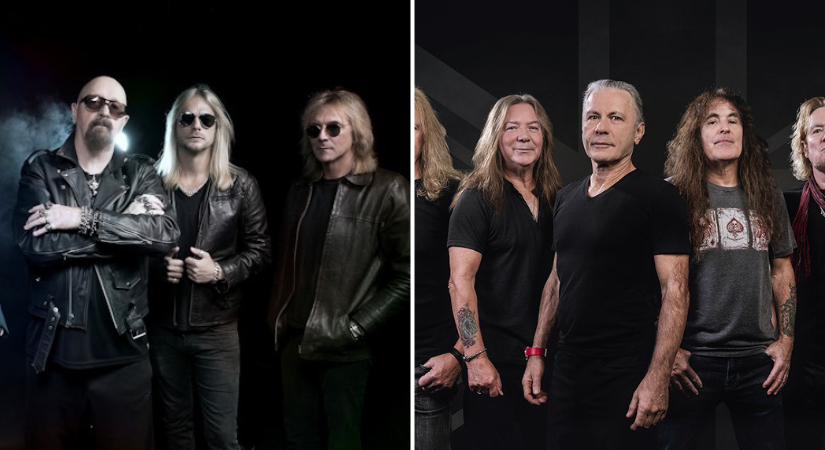
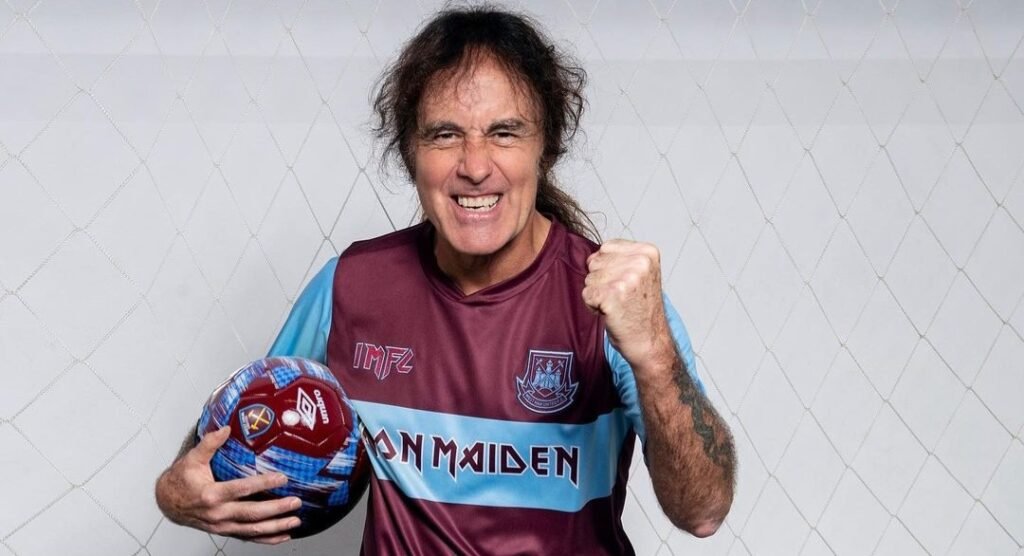
Though now a distant memory, the feud between Judas Priest and Iron Maiden was intense. It all began in the early ’80s, when Rob Halford’s band was already established, and Steve Harris and co. were still on the rise. With British Steel freshly released, Judas Priest went on a UK tour with Iron Maiden as support. The Londoners weren’t happy with the arrangement, and tensions flared. K.K. Downing later described the rocky relationship with Paul Di’Anno in an interview with Blabbermouth. Even after Bruce Dickinson replaced Di’Anno, friction persisted on U.S. tours in ’81 and ’82. Eventually, the two giants reconciled, but not without difficulty.
Though now a distant memory, the feud between Judas Priest and Iron Maiden was intense. It all began in the early ’80s, when Rob Halford’s band was already established, and Steve Harris and co. were still on the rise. With British Steel freshly released, Judas Priest went on a UK tour with Iron Maiden as support. The Londoners weren’t happy with the arrangement, and tensions flared. K.K. Downing later described the rocky relationship with Paul Di’Anno in an interview with Blabbermouth. Even after Bruce Dickinson replaced Di’Anno, friction persisted on U.S. tours in ’81 and ’82. Eventually, the two giants reconciled, but not without difficulty.
Though now a distant memory, the feud between Judas Priest and Iron Maiden was intense. It all began in the early ’80s, when Rob Halford’s band was already established, and Steve Harris and co. were still on the rise. With British Steel freshly released, Judas Priest went on a UK tour with Iron Maiden as support. The Londoners weren’t happy with the arrangement, and tensions flared. K.K. Downing later described the rocky relationship with Paul Di’Anno in an interview with Blabbermouth. Even after Bruce Dickinson replaced Di’Anno, friction persisted on U.S. tours in ’81 and ’82. Eventually, the two giants reconciled, but not without difficulty.
Though now a distant memory, the feud between Judas Priest and Iron Maiden was intense. It all began in the early ’80s, when Rob Halford’s band was already established, and Steve Harris and co. were still on the rise. With British Steel freshly released, Judas Priest went on a UK tour with Iron Maiden as support. The Londoners weren’t happy with the arrangement, and tensions flared. K.K. Downing later described the rocky relationship with Paul Di’Anno in an interview with Blabbermouth. Even after Bruce Dickinson replaced Di’Anno, friction persisted on U.S. tours in ’81 and ’82. Eventually, the two giants reconciled, but not without difficulty.
Though now a distant memory, the feud between Judas Priest and Iron Maiden was intense. It all began in the early ’80s, when Rob Halford’s band was already established, and Steve Harris and co. were still on the rise. With British Steel freshly released, Judas Priest went on a UK tour with Iron Maiden as support. The Londoners weren’t happy with the arrangement, and tensions flared. K.K. Downing later described the rocky relationship with Paul Di’Anno in an interview with Blabbermouth. Even after Bruce Dickinson replaced Di’Anno, friction persisted on U.S. tours in ’81 and ’82. Eventually, the two giants reconciled, but not without difficulty.
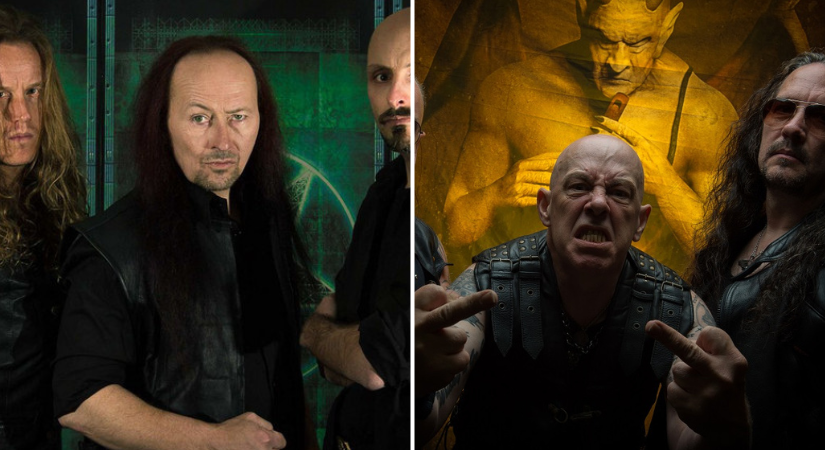
There’s no love lost between Venom and Venom Inc. On one side is Cronos’ original trio, and on the other, three former members — Demolition Man, Mantas, and Abaddon — using the same name but releasing new material, since Abaddon, in the band until 2018, claimed he co-created the “Venom” name with Cronos, The addition of “Inc.” eventually distinguished the bands, but initially, confusion ran rampant. Cronos’ reaction was far from friendly, fueling a bitter ongoing feud with his former bandmates.
There’s no love lost between Venom and Venom Inc. On one side is Cronos’ original trio, and on the other, three former members — Demolition Man, Mantas, and Abaddon — using the same name but releasing new material, since Abaddon, in the band until 2018, claimed he co-created the “Venom” name with Cronos, The addition of “Inc.” eventually distinguished the bands, but initially, confusion ran rampant. Cronos’ reaction was far from friendly, fueling a bitter ongoing feud with his former bandmates.
There’s no love lost between Venom and Venom Inc. On one side is Cronos’ original trio, and on the other, three former members — Demolition Man, Mantas, and Abaddon — using the same name but releasing new material, since Abaddon, in the band until 2018, claimed he co-created the “Venom” name with Cronos, The addition of “Inc.” eventually distinguished the bands, but initially, confusion ran rampant. Cronos’ reaction was far from friendly, fueling a bitter ongoing feud with his former bandmates.
There’s no love lost between Venom and Venom Inc. On one side is Cronos’ original trio, and on the other, three former members — Demolition Man, Mantas, and Abaddon — using the same name but releasing new material, since Abaddon, in the band until 2018, claimed he co-created the “Venom” name with Cronos, The addition of “Inc.” eventually distinguished the bands, but initially, confusion ran rampant. Cronos’ reaction was far from friendly, fueling a bitter ongoing feud with his former bandmates.
There’s no love lost between Venom and Venom Inc. On one side is Cronos’ original trio, and on the other, three former members — Demolition Man, Mantas, and Abaddon — using the same name but releasing new material, since Abaddon, in the band until 2018, claimed he co-created the “Venom” name with Cronos, The addition of “Inc.” eventually distinguished the bands, but initially, confusion ran rampant. Cronos’ reaction was far from friendly, fueling a bitter ongoing feud with his former bandmates.
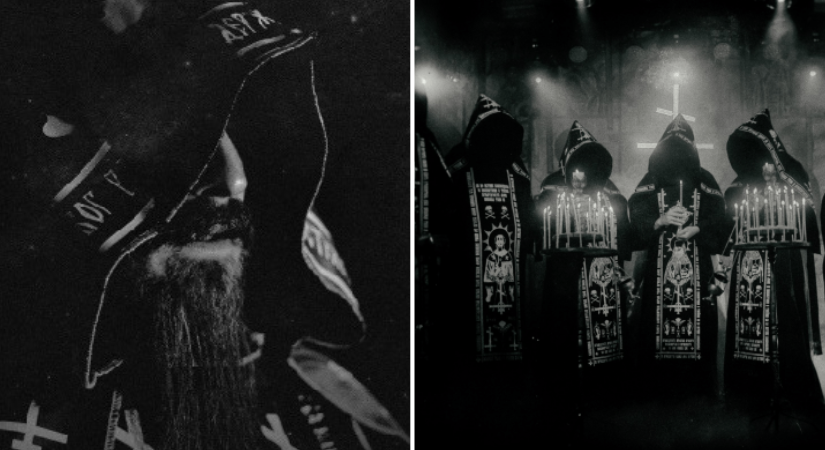
A feud destined to be remembered. Formed in 2015 by Krzysztof Drabikowski, Batushka had its concept and name set from the start. Drabikowski recorded most of the first album, Litourgyia, himself, with Bartłomiej Krysiuk as the second member. The album gained immediate success, and the band signed with Metal Blade Records. Krysiuk pushed for a new album, but Drabikowski wasn’t inspired. In 2018, Krysiuk abruptly left and recorded Hospodi with new musicians under the Batushka name, claiming all legal rights. Drabikowski responded with Panihida in 2019, critically acclaimed in contrast to Hospodi. The dispute went to court, lasting nearly seven years, after which Krysiuk’s band became Patriarkh.
A feud destined to be remembered. Formed in 2015 by Krzysztof Drabikowski, Batushka had its concept and name set from the start. Drabikowski recorded most of the first album, Litourgyia, himself, with Bartłomiej Krysiuk as the second member. The album gained immediate success, and the band signed with Metal Blade Records. Krysiuk pushed for a new album, but Drabikowski wasn’t inspired. In 2018, Krysiuk abruptly left and recorded Hospodi with new musicians under the Batushka name, claiming all legal rights. Drabikowski responded with Panihida in 2019, critically acclaimed in contrast to Hospodi. The dispute went to court, lasting nearly seven years, after which Krysiuk’s band became Patriarkh.
A feud destined to be remembered. Formed in 2015 by Krzysztof Drabikowski, Batushka had its concept and name set from the start. Drabikowski recorded most of the first album, Litourgyia, himself, with Bartłomiej Krysiuk as the second member. The album gained immediate success, and the band signed with Metal Blade Records. Krysiuk pushed for a new album, but Drabikowski wasn’t inspired. In 2018, Krysiuk abruptly left and recorded Hospodi with new musicians under the Batushka name, claiming all legal rights. Drabikowski responded with Panihida in 2019, critically acclaimed in contrast to Hospodi. The dispute went to court, lasting nearly seven years, after which Krysiuk’s band became Patriarkh.
A feud destined to be remembered. Formed in 2015 by Krzysztof Drabikowski, Batushka had its concept and name set from the start. Drabikowski recorded most of the first album, Litourgyia, himself, with Bartłomiej Krysiuk as the second member. The album gained immediate success, and the band signed with Metal Blade Records. Krysiuk pushed for a new album, but Drabikowski wasn’t inspired. In 2018, Krysiuk abruptly left and recorded Hospodi with new musicians under the Batushka name, claiming all legal rights. Drabikowski responded with Panihida in 2019, critically acclaimed in contrast to Hospodi. The dispute went to court, lasting nearly seven years, after which Krysiuk’s band became Patriarkh.
A feud destined to be remembered. Formed in 2015 by Krzysztof Drabikowski, Batushka had its concept and name set from the start. Drabikowski recorded most of the first album, Litourgyia, himself, with Bartłomiej Krysiuk as the second member. The album gained immediate success, and the band signed with Metal Blade Records. Krysiuk pushed for a new album, but Drabikowski wasn’t inspired. In 2018, Krysiuk abruptly left and recorded Hospodi with new musicians under the Batushka name, claiming all legal rights. Drabikowski responded with Panihida in 2019, critically acclaimed in contrast to Hospodi. The dispute went to court, lasting nearly seven years, after which Krysiuk’s band became Patriarkh.
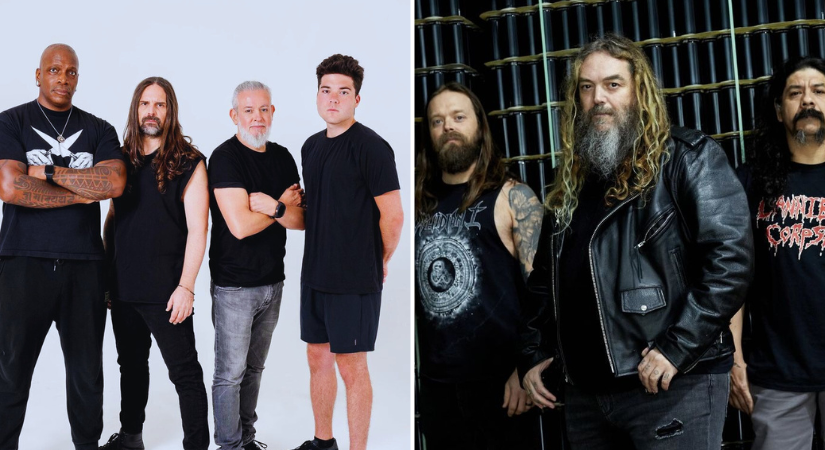
Can Sepultura exist without the Cavalera brothers? Some would say no, but current members Paulo Jr. and Andreas Kisser, alongside Derrick Green, keep the band alive. Max and Igor Cavalera, however, were the true masterminds, leaving in 1996 due to personal tragedies and disagreements with the band’s management. Max’s words in a RockMusicStar interview speak volumes: “Sepultura was founded by me and my brother Igor. Paulo and Derrick are not original members. In my view, they’ve hijacked the band’s name for self-promotion, undermining its legacy. Their albums get less popular, and I see nothing good in them.”
Can Sepultura exist without the Cavalera brothers? Some would say no, but current members Paulo Jr. and Andreas Kisser, alongside Derrick Green, keep the band alive. Max and Igor Cavalera, however, were the true masterminds, leaving in 1996 due to personal tragedies and disagreements with the band’s management. Max’s words in a RockMusicStar interview speak volumes: “Sepultura was founded by me and my brother Igor. Paulo and Derrick are not original members. In my view, they’ve hijacked the band’s name for self-promotion, undermining its legacy. Their albums get less popular, and I see nothing good in them.”
Can Sepultura exist without the Cavalera brothers? Some would say no, but current members Paulo Jr. and Andreas Kisser, alongside Derrick Green, keep the band alive. Max and Igor Cavalera, however, were the true masterminds, leaving in 1996 due to personal tragedies and disagreements with the band’s management. Max’s words in a RockMusicStar interview speak volumes: “Sepultura was founded by me and my brother Igor. Paulo and Derrick are not original members. In my view, they’ve hijacked the band’s name for self-promotion, undermining its legacy. Their albums get less popular, and I see nothing good in them.”
Can Sepultura exist without the Cavalera brothers? Some would say no, but current members Paulo Jr. and Andreas Kisser, alongside Derrick Green, keep the band alive. Max and Igor Cavalera, however, were the true masterminds, leaving in 1996 due to personal tragedies and disagreements with the band’s management. Max’s words in a RockMusicStar interview speak volumes: “Sepultura was founded by me and my brother Igor. Paulo and Derrick are not original members. In my view, they’ve hijacked the band’s name for self-promotion, undermining its legacy. Their albums get less popular, and I see nothing good in them.”
Can Sepultura exist without the Cavalera brothers? Some would say no, but current members Paulo Jr. and Andreas Kisser, alongside Derrick Green, keep the band alive. Max and Igor Cavalera, however, were the true masterminds, leaving in 1996 due to personal tragedies and disagreements with the band’s management. Max’s words in a RockMusicStar interview speak volumes: “Sepultura was founded by me and my brother Igor. Paulo and Derrick are not original members. In my view, they’ve hijacked the band’s name for self-promotion, undermining its legacy. Their albums get less popular, and I see nothing good in them.”
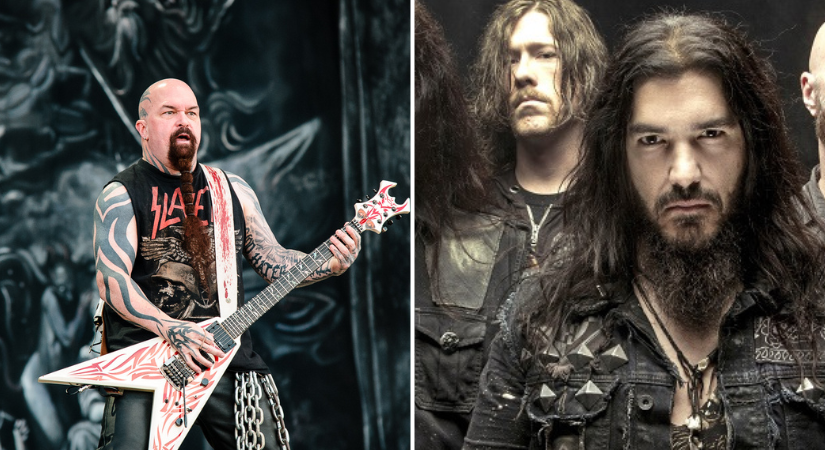
Machine Head, one of the hottest ’90s bands, faced criticism from both fans and peers, including Slayer, for their style shift. Kerry King loved their debut Burn My Eyes, but rejected their nu-metal turn. After Supercharger, King called Machine Head “sellouts,” claiming they weren’t metal anymore. Robb Flynn fired back, calling him an “idiot,” while clarifying he was still a Slayer fan — just not of Kerry.
Machine Head, one of the hottest ’90s bands, faced criticism from both fans and peers, including Slayer, for their style shift. Kerry King loved their debut Burn My Eyes, but rejected their nu-metal turn. After Supercharger, King called Machine Head “sellouts,” claiming they weren’t metal anymore. Robb Flynn fired back, calling him an “idiot,” while clarifying he was still a Slayer fan — just not of Kerry.
Machine Head, one of the hottest ’90s bands, faced criticism from both fans and peers, including Slayer, for their style shift. Kerry King loved their debut Burn My Eyes, but rejected their nu-metal turn. After Supercharger, King called Machine Head “sellouts,” claiming they weren’t metal anymore. Robb Flynn fired back, calling him an “idiot,” while clarifying he was still a Slayer fan — just not of Kerry.
Machine Head, one of the hottest ’90s bands, faced criticism from both fans and peers, including Slayer, for their style shift. Kerry King loved their debut Burn My Eyes, but rejected their nu-metal turn. After Supercharger, King called Machine Head “sellouts,” claiming they weren’t metal anymore. Robb Flynn fired back, calling him an “idiot,” while clarifying he was still a Slayer fan — just not of Kerry.
Machine Head, one of the hottest ’90s bands, faced criticism from both fans and peers, including Slayer, for their style shift. Kerry King loved their debut Burn My Eyes, but rejected their nu-metal turn. After Supercharger, King called Machine Head “sellouts,” claiming they weren’t metal anymore. Robb Flynn fired back, calling him an “idiot,” while clarifying he was still a Slayer fan — just not of Kerry.
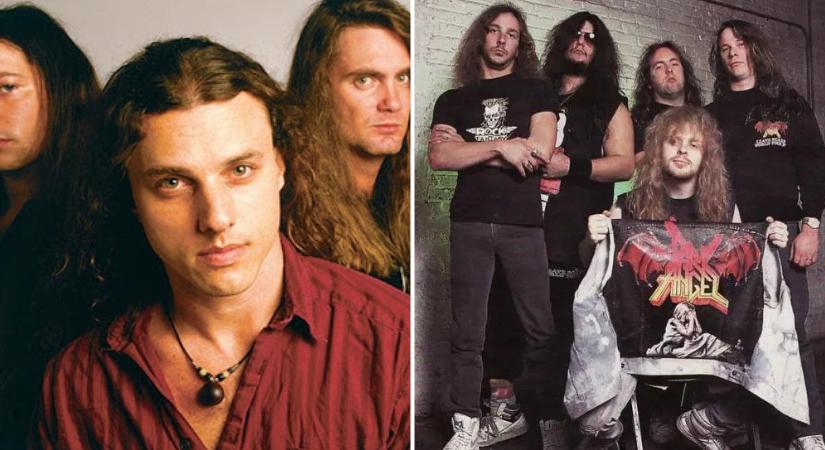
Even respected pioneers like Death had their clashes. On a 1989 U.S. tour, tensions with Dark Angel arose over merchandise sales: Death made big profits from lower prices, leaving Dark Angel frustrated. They withdrew their merch in protest, delayed shows due to complex soundchecks, and eventually, Death left the tour. Dark Angel continued the tour anyway, complaining about their former bandmates on stage, but the brief rivalry ended quickly. Gene Hoglan later joined Death to contribute to Individual Thought Patterns, helping resolve the feud.
Even respected pioneers like Death had their clashes. On a 1989 U.S. tour, tensions with Dark Angel arose over merchandise sales: Death made big profits from lower prices, leaving Dark Angel frustrated. They withdrew their merch in protest, delayed shows due to complex soundchecks, and eventually, Death left the tour. Dark Angel continued the tour anyway, complaining about their former bandmates on stage, but the brief rivalry ended quickly. Gene Hoglan later joined Death to contribute to Individual Thought Patterns, helping resolve the feud.
Even respected pioneers like Death had their clashes. On a 1989 U.S. tour, tensions with Dark Angel arose over merchandise sales: Death made big profits from lower prices, leaving Dark Angel frustrated. They withdrew their merch in protest, delayed shows due to complex soundchecks, and eventually, Death left the tour. Dark Angel continued the tour anyway, complaining about their former bandmates on stage, but the brief rivalry ended quickly. Gene Hoglan later joined Death to contribute to Individual Thought Patterns, helping resolve the feud.
Even respected pioneers like Death had their clashes. On a 1989 U.S. tour, tensions with Dark Angel arose over merchandise sales: Death made big profits from lower prices, leaving Dark Angel frustrated. They withdrew their merch in protest, delayed shows due to complex soundchecks, and eventually, Death left the tour. Dark Angel continued the tour anyway, complaining about their former bandmates on stage, but the brief rivalry ended quickly. Gene Hoglan later joined Death to contribute to Individual Thought Patterns, helping resolve the feud.
Even respected pioneers like Death had their clashes. On a 1989 U.S. tour, tensions with Dark Angel arose over merchandise sales: Death made big profits from lower prices, leaving Dark Angel frustrated. They withdrew their merch in protest, delayed shows due to complex soundchecks, and eventually, Death left the tour. Dark Angel continued the tour anyway, complaining about their former bandmates on stage, but the brief rivalry ended quickly. Gene Hoglan later joined Death to contribute to Individual Thought Patterns, helping resolve the feud.
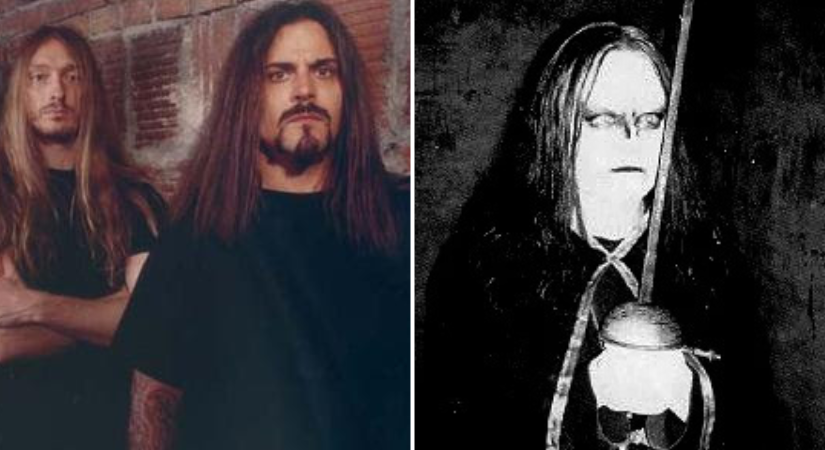
This is more a case of the early ’90s death metal vs. black metal rivalry. Euronymous and the Inner Circle criticized death metal for being “commercial” and “fake” in satanic attitude. Consequently, Deicide became the target of an attack during a Norwegian tour: a bomb exploded while Gorefest was on stage, causing minor injuries. The culprit was never identified, but suspicion points to Inner Circle followers.
This is more a case of the early ’90s death metal vs. black metal rivalry. Euronymous and the Inner Circle criticized death metal for being “commercial” and “fake” in satanic attitude. Consequently, Deicide became the target of an attack during a Norwegian tour: a bomb exploded while Gorefest was on stage, causing minor injuries. The culprit was never identified, but suspicion points to Inner Circle followers.
This is more a case of the early ’90s death metal vs. black metal rivalry. Euronymous and the Inner Circle criticized death metal for being “commercial” and “fake” in satanic attitude. Consequently, Deicide became the target of an attack during a Norwegian tour: a bomb exploded while Gorefest was on stage, causing minor injuries. The culprit was never identified, but suspicion points to Inner Circle followers.
This is more a case of the early ’90s death metal vs. black metal rivalry. Euronymous and the Inner Circle criticized death metal for being “commercial” and “fake” in satanic attitude. Consequently, Deicide became the target of an attack during a Norwegian tour: a bomb exploded while Gorefest was on stage, causing minor injuries. The culprit was never identified, but suspicion points to Inner Circle followers.
This is more a case of the early ’90s death metal vs. black metal rivalry. Euronymous and the Inner Circle criticized death metal for being “commercial” and “fake” in satanic attitude. Consequently, Deicide became the target of an attack during a Norwegian tour: a bomb exploded while Gorefest was on stage, causing minor injuries. The culprit was never identified, but suspicion points to Inner Circle followers.


Related articles
Megadeth + Lacuna Coil + Katatonia + Messa
From Venom to Testament: Tales of Unlucky Namesakes