

- Band: IRON MAIDEN
- Length: 40:28
- Release date: March 22nd, 1982
- Label: EMI Records
“Woe to you, oh Earth and Sea
For the Devil sends the beast with wrath because he
knows the time is short…
Let him who hath understanding reckon
The Number of the Beast
for it is a human number
Its number is six hundred and sixty six”
A legendary introduction that still stands as a symbol of history today. This album has been reviewed countless times—everyone, in one way or another, already knows it: some well, some poorly, some casually, track by track, or just by reputation. Yet on its 41st anniversary, I felt it only right to contribute once more with an article celebrating one of the most important works of heavy metal.
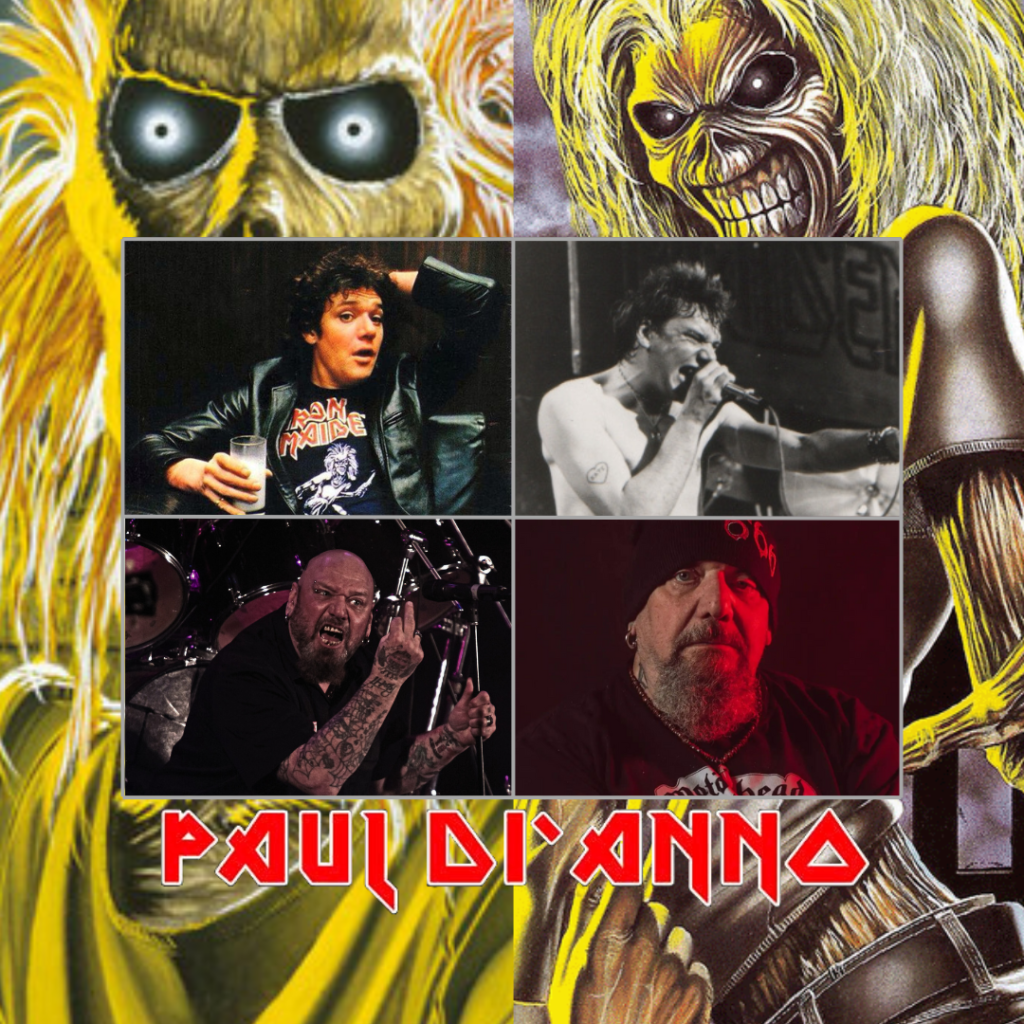
In 1982, Iron Maiden quickly established themselves in the New Wave of British Heavy Metal scene thanks to their first two albums, Iron Maiden and Killers, which marked a seismic shift in the evolution of metal music. Just two years after their debut, a major change occurred: Paul Di’Anno was let go due to issues stemming from alcohol and drug abuse, leaving the vocal duties to Bruce Dickinson, formerly of Samson. Despite the lineup change, the rest of the band remained intact, and with renewed energy, the new album was finished—only awaiting release, which arrived punctually on March 22 under the name The Number of the Beast. Iron Maiden’s identity fully evolved with Dickinson’s extraordinary vocal range, elevating Steve Harris’ mature and personal songwriting. Harris, both lyricist and bassist, shaped the album’s signature sound. The Murray-Smith guitar duo provided dynamic riffs and solos, while Clive Burr’s versatile drumming—his last with the band—enhanced the overall intensity and complexity, completing the group’s influential lineup.
The new sound is immediately apparent as the album opens with the rousing Invaders, which bursts into life after a brief, energetic intro with breathtaking riffing. The song, inspired by the Viking invasion of Britain, is brought to life by Dickinson’s intense vocals, interspersed with the exceptional solos of Dave Murray and Adrian Smith. The rhythm section shines as well, with Burr in peak form and Harris’ bass perfectly melodic yet driving. Next comes Children of the Damned, which shifts gears by slowing the pace slightly with a melodic, brooding intro. Dickinson enters with warm, expressive vocals inspired by the film Village of the Damned, leading into a chorus that has become a classic. The second half of the track kicks in with energizing guitars, fast-paced drumming, and whirlwind solos, creating another memorable instrumental section that bears Iron Maiden’s unmistakable stamp. The third track, The Prisoner, draws inspiration from the British TV series of the same name, telling the story of a government agent, Number 6, trapped in a seemingly idyllic village that is actually a prison. The song’s intensity perfectly mirrors the protagonist’s struggle, propelled by Smith and Murray’s impeccable guitar work. 22 Acacia Avenue continues the story of the prostitute Charlotte from the debut album, moving through slower moments with hints of punk and blues. The album reaches its centerpiece with the fifth, legendary title track. Born from a nightmare Harris had after watching The Omen, its musical translation became one of metal’s most iconic songs. After the instantly recognizable intro, Dickinson delivers a dramatic, expressive performance culminating in a demonic scream, followed by soaring instrumentals, an epic bridge, Murray’s first solo, the unforgettable chorus, and Smith’s monstrous riffing. Harris even steps forward with a brief bass solo, completing an epic masterpiece. Next is the massive Run to the Hills, driven by rough guitar and bass riffs and Burr’s warlike drumming, culminating in an epic gallop. Dickinson’s expressive vocals never falter, supported by Murray’s stunning soloing and Harris’s galloping bass. Gangland may be the album’s only minor detour in terms of power, though it remains highly enjoyable. The album closes with what will forever remain a cornerstone of the genre: Hallowed Be Thy Name. Drawing from the Lord’s Prayer for its title, it tells the story of a condemned man’s final moments as he reflects on his life. Tolling bells open the track, giving way to Dickinson’s expressive vocals, but the real brilliance lies in the intertwining riffs and solos, especially in the song’s central section, showcasing the unparalleled skills of the guitar duo.
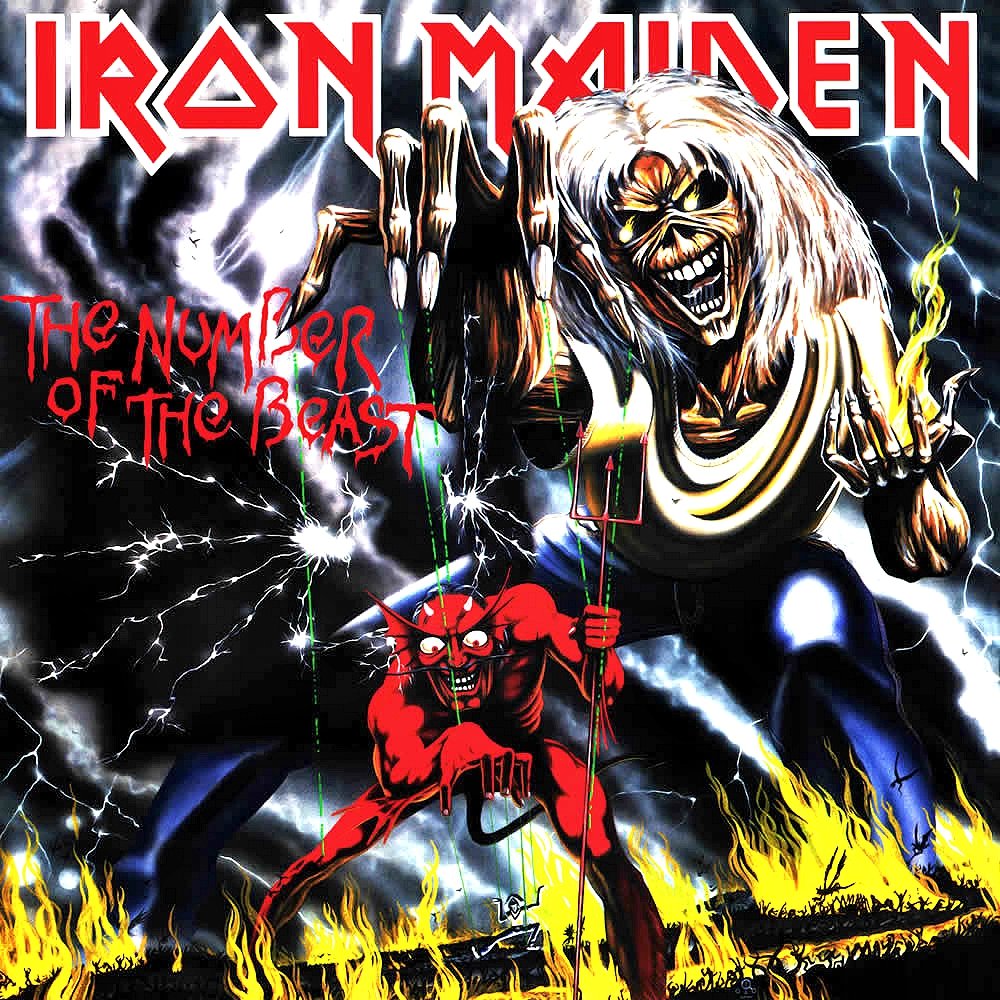
There’s nothing more to say: The Number of the Beast is near perfection. Its impact on metal—and music in general—remains indelible 41 years later, thanks to its epic tracks, iconic cover art, and, most importantly, for defining what “heavy metal” means today. A timeless masterpiece.
Best track: Hallowed be thy Name
Mark

TRACKLIST:
- Invaders
- Children of the Damned
- The Prisoner
- 22 Acacia Avenue
- The Number of the Beast
- Run to the Hills
- Gangland
- Hallowed be thy Name