


They change within just a handful of miles. The Middle East and the Far East are well known for their histories, but Central Asia is more complex.
The region, located along the ancient Silk Road, has historically been the ultimate crossroads for the exchange of goods, ideas, and peoples between Asia and Europe. In the last century, it was part of the Soviet Union, and today it is divided among the countries ending in “-stan,” home to an enormous number of ethnic groups. These are people who not only preserve millennia-old traditions but also often struggle to identify with modern national labels, as they descend from Cossacks, Mongols, Uyghurs, and many others.
In short, a crossroads of nomadic populations who settled there, bringing all their customs with them. And how better to pass them down than through music? Each group has developed its own distinctive style with unique instruments, and of course, some have chosen to blend it with metal—even if only lyrically—to give it a clearly recognizable identity.
They change within just a handful of miles. The Middle East and the Far East are well known for their histories, but Central Asia is more complex.
The region, located along the ancient Silk Road, has historically been the ultimate crossroads for the exchange of goods, ideas, and peoples between Asia and Europe. In the last century, it was part of the Soviet Union, and today it is divided among the countries ending in “-stan,” home to an enormous number of ethnic groups. These are people who not only preserve millennia-old traditions but also often struggle to identify with modern national labels, as they descend from Cossacks, Mongols, Uyghurs, and many others.
In short, a crossroads of nomadic populations who settled there, bringing all their customs with them. And how better to pass them down than through music? Each group has developed its own distinctive style with unique instruments, and of course, some have chosen to blend it with metal—even if only lyrically—to give it a clearly recognizable identity.
They change within just a handful of miles. The Middle East and the Far East are well known for their histories, but Central Asia is more complex.
The region, located along the ancient Silk Road, has historically been the ultimate crossroads for the exchange of goods, ideas, and peoples between Asia and Europe. In the last century, it was part of the Soviet Union, and today it is divided among the countries ending in “-stan,” home to an enormous number of ethnic groups. These are people who not only preserve millennia-old traditions but also often struggle to identify with modern national labels, as they descend from Cossacks, Mongols, Uyghurs, and many others.
In short, a crossroads of nomadic populations who settled there, bringing all their customs with them. And how better to pass them down than through music? Each group has developed its own distinctive style with unique instruments, and of course, some have chosen to blend it with metal—even if only lyrically—to give it a clearly recognizable identity.
They change within just a handful of miles. The Middle East and the Far East are well known for their histories, but Central Asia is more complex.
The region, located along the ancient Silk Road, has historically been the ultimate crossroads for the exchange of goods, ideas, and peoples between Asia and Europe. In the last century, it was part of the Soviet Union, and today it is divided among the countries ending in “-stan,” home to an enormous number of ethnic groups. These are people who not only preserve millennia-old traditions but also often struggle to identify with modern national labels, as they descend from Cossacks, Mongols, Uyghurs, and many others.
In short, a crossroads of nomadic populations who settled there, bringing all their customs with them. And how better to pass them down than through music? Each group has developed its own distinctive style with unique instruments, and of course, some have chosen to blend it with metal—even if only lyrically—to give it a clearly recognizable identity.
They change within just a handful of miles. The Middle East and the Far East are well known for their histories, but Central Asia is more complex.
The region, located along the ancient Silk Road, has historically been the ultimate crossroads for the exchange of goods, ideas, and peoples between Asia and Europe. In the last century, it was part of the Soviet Union, and today it is divided among the countries ending in “-stan,” home to an enormous number of ethnic groups. These are people who not only preserve millennia-old traditions but also often struggle to identify with modern national labels, as they descend from Cossacks, Mongols, Uyghurs, and many others.
In short, a crossroads of nomadic populations who settled there, bringing all their customs with them. And how better to pass them down than through music? Each group has developed its own distinctive style with unique instruments, and of course, some have chosen to blend it with metal—even if only lyrically—to give it a clearly recognizable identity.

Darkestrah is a band from Bishkek, the capital of Kyrgyzstan. An unusual place, certainly—but their sound is even more so. From their debut album Sary Oy (2004) to their latest Nomad (2024), they have merged epic black metal with traditional regional sounds, thanks to characteristic string instruments such as the kyl kyyak, komuz and tar. With lyrics rooted in Central Asian legends, Darkestrah immerse listeners in a parallel historical dimension, also through a distinctive form of throat singing known as “sygyt”. This is masterfully performed by vocalists Kriegtalith (in the band until 2014) and Charuk Revan (current), the two main frontwomen of the project.
Darkestrah is a band from Bishkek, the capital of Kyrgyzstan. An unusual place, certainly—but their sound is even more so. From their debut album Sary Oy (2004) to their latest Nomad (2024), they have merged epic black metal with traditional regional sounds, thanks to characteristic string instruments such as the kyl kyyak, komuz and tar. With lyrics rooted in Central Asian legends, Darkestrah immerse listeners in a parallel historical dimension, also through a distinctive form of throat singing known as “sygyt”. This is masterfully performed by vocalists Kriegtalith (in the band until 2014) and Charuk Revan (current), the two main frontwomen of the project.
Darkestrah is a band from Bishkek, the capital of Kyrgyzstan. An unusual place, certainly—but their sound is even more so. From their debut album Sary Oy (2004) to their latest Nomad (2024), they have merged epic black metal with traditional regional sounds, thanks to characteristic string instruments such as the kyl kyyak, komuz and tar. With lyrics rooted in Central Asian legends, Darkestrah immerse listeners in a parallel historical dimension, also through a distinctive form of throat singing known as “sygyt”. This is masterfully performed by vocalists Kriegtalith (in the band until 2014) and Charuk Revan (current), the two main frontwomen of the project.
Darkestrah is a band from Bishkek, the capital of Kyrgyzstan. An unusual place, certainly—but their sound is even more so. From their debut album Sary Oy (2004) to their latest Nomad (2024), they have merged epic black metal with traditional regional sounds, thanks to characteristic string instruments such as the kyl kyyak, komuz and tar. With lyrics rooted in Central Asian legends, Darkestrah immerse listeners in a parallel historical dimension, also through a distinctive form of throat singing known as “sygyt”. This is masterfully performed by vocalists Kriegtalith (in the band until 2014) and Charuk Revan (current), the two main frontwomen of the project.
Darkestrah is a band from Bishkek, the capital of Kyrgyzstan. An unusual place, certainly—but their sound is even more so. From their debut album Sary Oy (2004) to their latest Nomad (2024), they have merged epic black metal with traditional regional sounds, thanks to characteristic string instruments such as the kyl kyyak, komuz and tar. With lyrics rooted in Central Asian legends, Darkestrah immerse listeners in a parallel historical dimension, also through a distinctive form of throat singing known as “sygyt”. This is masterfully performed by vocalists Kriegtalith (in the band until 2014) and Charuk Revan (current), the two main frontwomen of the project.

Another band from Kyrgyzstan (and from Bishkek), Kashgar has been active since 2014. Their sound leans toward fairly standard blackened death metal, which might not immediately suggest any folk influence. However, a closer look at their lyrics reveals the opposite. Their debut—and so far only—album, released in 2016, features just six tracks, each deeply infused with Central Asian culture and folklore. The longest track, Tyan-Shan/Batyr, already hints at this by referencing the region’s great mountain range, while Erlik draws heavily on the deity of the same name and the local Tengrism cult.
Another band from Kyrgyzstan (and from Bishkek), Kashgar has been active since 2014. Their sound leans toward fairly standard blackened death metal, which might not immediately suggest any folk influence. However, a closer look at their lyrics reveals the opposite. Their debut—and so far only—album, released in 2016, features just six tracks, each deeply infused with Central Asian culture and folklore. The longest track, Tyan-Shan/Batyr, already hints at this by referencing the region’s great mountain range, while Erlik draws heavily on the deity of the same name and the local Tengrism cult.
Another band from Kyrgyzstan (and from Bishkek), Kashgar has been active since 2014. Their sound leans toward fairly standard blackened death metal, which might not immediately suggest any folk influence. However, a closer look at their lyrics reveals the opposite. Their debut—and so far only—album, released in 2016, features just six tracks, each deeply infused with Central Asian culture and folklore. The longest track, Tyan-Shan/Batyr, already hints at this by referencing the region’s great mountain range, while Erlik draws heavily on the deity of the same name and the local Tengrism cult.
Another band from Kyrgyzstan (and from Bishkek), Kashgar has been active since 2014. Their sound leans toward fairly standard blackened death metal, which might not immediately suggest any folk influence. However, a closer look at their lyrics reveals the opposite. Their debut—and so far only—album, released in 2016, features just six tracks, each deeply infused with Central Asian culture and folklore. The longest track, Tyan-Shan/Batyr, already hints at this by referencing the region’s great mountain range, while Erlik draws heavily on the deity of the same name and the local Tengrism cult.
Another band from Kyrgyzstan (and from Bishkek), Kashgar has been active since 2014. Their sound leans toward fairly standard blackened death metal, which might not immediately suggest any folk influence. However, a closer look at their lyrics reveals the opposite. Their debut—and so far only—album, released in 2016, features just six tracks, each deeply infused with Central Asian culture and folklore. The longest track, Tyan-Shan/Batyr, already hints at this by referencing the region’s great mountain range, while Erlik draws heavily on the deity of the same name and the local Tengrism cult.

Ulytau is a trio from Kazakhstan, formed by Erjan Alimbetov, Maxim Kichigin, and violinist Asel Isaeva. The project was founded in 2001 by producer Kydyrali Bolmanov with the aim of blending Western music with local traditions. Their entirely instrumental sound combines the dombra (a traditional Kazakh instrument), violin, and a full metal setup, often supported by session musicians. Their compositions draw heavily from classical music and traditional ballads. In their album Jumyr-Kylysh (2006), you can hear reinterpretations of composers like Mozart, Bach, and Vivaldi through tracks such as Turkish March, Toccata and Fugue, and Winter, reimagined in a neoclassical and highly virtuosic style—something you might expect from guitarists like Steve Vai or Yngwie Malmsteen. But, in this case, imagine they're from Astana or Almaty.
Ulytau is a trio from Kazakhstan, formed by Erjan Alimbetov, Maxim Kichigin, and violinist Asel Isaeva. The project was founded in 2001 by producer Kydyrali Bolmanov with the aim of blending Western music with local traditions. Their entirely instrumental sound combines the dombra (a traditional Kazakh instrument), violin, and a full metal setup, often supported by session musicians. Their compositions draw heavily from classical music and traditional ballads. In their album Jumyr-Kylysh (2006), you can hear reinterpretations of composers like Mozart, Bach, and Vivaldi through tracks such as Turkish March, Toccata and Fugue, and Winter, reimagined in a neoclassical and highly virtuosic style—something you might expect from guitarists like Steve Vai or Yngwie Malmsteen. But, in this case, imagine they're from Astana or Almaty.
Ulytau is a trio from Kazakhstan, formed by Erjan Alimbetov, Maxim Kichigin, and violinist Asel Isaeva. The project was founded in 2001 by producer Kydyrali Bolmanov with the aim of blending Western music with local traditions. Their entirely instrumental sound combines the dombra (a traditional Kazakh instrument), violin, and a full metal setup, often supported by session musicians. Their compositions draw heavily from classical music and traditional ballads. In their album Jumyr-Kylysh (2006), you can hear reinterpretations of composers like Mozart, Bach, and Vivaldi through tracks such as Turkish March, Toccata and Fugue, and Winter, reimagined in a neoclassical and highly virtuosic style—something you might expect from guitarists like Steve Vai or Yngwie Malmsteen. But, in this case, imagine they're from Astana or Almaty.
Ulytau is a trio from Kazakhstan, formed by Erjan Alimbetov, Maxim Kichigin, and violinist Asel Isaeva. The project was founded in 2001 by producer Kydyrali Bolmanov with the aim of blending Western music with local traditions. Their entirely instrumental sound combines the dombra (a traditional Kazakh instrument), violin, and a full metal setup, often supported by session musicians. Their compositions draw heavily from classical music and traditional ballads. In their album Jumyr-Kylysh (2006), you can hear reinterpretations of composers like Mozart, Bach, and Vivaldi through tracks such as Turkish March, Toccata and Fugue, and Winter, reimagined in a neoclassical and highly virtuosic style—something you might expect from guitarists like Steve Vai or Yngwie Malmsteen. But, in this case, imagine they're from Astana or Almaty.
Ulytau is a trio from Kazakhstan, formed by Erjan Alimbetov, Maxim Kichigin, and violinist Asel Isaeva. The project was founded in 2001 by producer Kydyrali Bolmanov with the aim of blending Western music with local traditions. Their entirely instrumental sound combines the dombra (a traditional Kazakh instrument), violin, and a full metal setup, often supported by session musicians. Their compositions draw heavily from classical music and traditional ballads. In their album Jumyr-Kylysh (2006), you can hear reinterpretations of composers like Mozart, Bach, and Vivaldi through tracks such as Turkish March, Toccata and Fugue, and Winter, reimagined in a neoclassical and highly virtuosic style—something you might expect from guitarists like Steve Vai or Yngwie Malmsteen. But, in this case, imagine they're from Astana or Almaty.
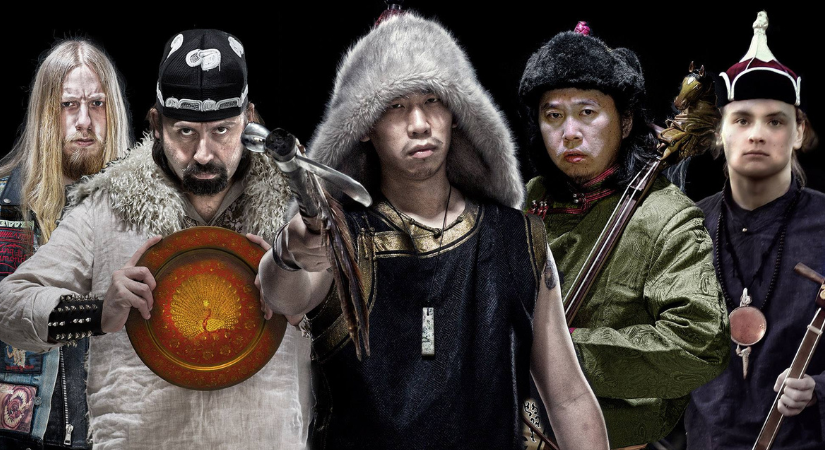
Mongolia, although geographically considered part of the Far East, reflects Central Asian traditions more closely than its ethnic groups and cultures. Many bands embody this identity, including Tengger Cavalry. Their story is quite eventful: formed in 2010 in Beijing by a mix of Chinese and Mongolian musicians, they later relocated to New York and incorporated American members into their lineup. The band became inactive after the death of frontman Nature G. in 2019, but during their peak years, they were highly productive. They released nine albums and two EPs, blending classic heavy metal with death-influenced vocals, all enriched by strong folk atmospheres created with traditional instruments such as the igil, topshur, and the morin khuur—symbols of Mongolian culture. This style of folk metal had rarely gained attention before, but Tengger Cavalry were among the first to bring it into the spotlight, even catching the attention of Napalm Records, who signed them for a period.
Mongolia, although geographically considered part of the Far East, reflects Central Asian traditions more closely than its ethnic groups and cultures. Many bands embody this identity, including Tengger Cavalry. Their story is quite eventful: formed in 2010 in Beijing by a mix of Chinese and Mongolian musicians, they later relocated to New York and incorporated American members into their lineup. The band became inactive after the death of frontman Nature G. in 2019, but during their peak years, they were highly productive. They released nine albums and two EPs, blending classic heavy metal with death-influenced vocals, all enriched by strong folk atmospheres created with traditional instruments such as the igil, topshur, and the morin khuur—symbols of Mongolian culture. This style of folk metal had rarely gained attention before, but Tengger Cavalry were among the first to bring it into the spotlight, even catching the attention of Napalm Records, who signed them for a period.
Mongolia, although geographically considered part of the Far East, reflects Central Asian traditions more closely than its ethnic groups and cultures. Many bands embody this identity, including Tengger Cavalry. Their story is quite eventful: formed in 2010 in Beijing by a mix of Chinese and Mongolian musicians, they later relocated to New York and incorporated American members into their lineup. The band became inactive after the death of frontman Nature G. in 2019, but during their peak years, they were highly productive. They released nine albums and two EPs, blending classic heavy metal with death-influenced vocals, all enriched by strong folk atmospheres created with traditional instruments such as the igil, topshur, and the morin khuur—symbols of Mongolian culture. This style of folk metal had rarely gained attention before, but Tengger Cavalry were among the first to bring it into the spotlight, even catching the attention of Napalm Records, who signed them for a period.
Mongolia, although geographically considered part of the Far East, reflects Central Asian traditions more closely than its ethnic groups and cultures. Many bands embody this identity, including Tengger Cavalry. Their story is quite eventful: formed in 2010 in Beijing by a mix of Chinese and Mongolian musicians, they later relocated to New York and incorporated American members into their lineup. The band became inactive after the death of frontman Nature G. in 2019, but during their peak years, they were highly productive. They released nine albums and two EPs, blending classic heavy metal with death-influenced vocals, all enriched by strong folk atmospheres created with traditional instruments such as the igil, topshur, and the morin khuur—symbols of Mongolian culture. This style of folk metal had rarely gained attention before, but Tengger Cavalry were among the first to bring it into the spotlight, even catching the attention of Napalm Records, who signed them for a period.
Mongolia, although geographically considered part of the Far East, reflects Central Asian traditions more closely than its ethnic groups and cultures. Many bands embody this identity, including Tengger Cavalry. Their story is quite eventful: formed in 2010 in Beijing by a mix of Chinese and Mongolian musicians, they later relocated to New York and incorporated American members into their lineup. The band became inactive after the death of frontman Nature G. in 2019, but during their peak years, they were highly productive. They released nine albums and two EPs, blending classic heavy metal with death-influenced vocals, all enriched by strong folk atmospheres created with traditional instruments such as the igil, topshur, and the morin khuur—symbols of Mongolian culture. This style of folk metal had rarely gained attention before, but Tengger Cavalry were among the first to bring it into the spotlight, even catching the attention of Napalm Records, who signed them for a period.

Whether or not they’re pronounced like The Who doesn’t really matter—what matters is not confusing them. This band from Ulaanbaatar, formed in 2016, followed a path similar to Tengger Cavalry, albeit with a lighter sound, while still incorporating the same traditional instruments. So far, The Hu have released two albums: The Gereg (2019) and Rumble of Thunder (2022), both rich in tributes to Mongolian history and culture, particularly Genghis Khan. Their success has been remarkable: they’ve surpassed 50 million streams on digital platforms and even earned an invitation from Iron Maiden to join them on their upcoming North American tour.
Whether or not they’re pronounced like The Who doesn’t really matter—what matters is not confusing them. This band from Ulaanbaatar, formed in 2016, followed a path similar to Tengger Cavalry, albeit with a lighter sound, while still incorporating the same traditional instruments. So far, The Hu have released two albums: The Gereg (2019) and Rumble of Thunder (2022), both rich in tributes to Mongolian history and culture, particularly Genghis Khan. Their success has been remarkable: they’ve surpassed 50 million streams on digital platforms and even earned an invitation from Iron Maiden to join them on their upcoming North American tour.
Whether or not they’re pronounced like The Who doesn’t really matter—what matters is not confusing them. This band from Ulaanbaatar, formed in 2016, followed a path similar to Tengger Cavalry, albeit with a lighter sound, while still incorporating the same traditional instruments. So far, The Hu have released two albums: The Gereg (2019) and Rumble of Thunder (2022), both rich in tributes to Mongolian history and culture, particularly Genghis Khan. Their success has been remarkable: they’ve surpassed 50 million streams on digital platforms and even earned an invitation from Iron Maiden to join them on their upcoming North American tour.
Whether or not they’re pronounced like The Who doesn’t really matter—what matters is not confusing them. This band from Ulaanbaatar, formed in 2016, followed a path similar to Tengger Cavalry, albeit with a lighter sound, while still incorporating the same traditional instruments. So far, The Hu have released two albums: The Gereg (2019) and Rumble of Thunder (2022), both rich in tributes to Mongolian history and culture, particularly Genghis Khan. Their success has been remarkable: they’ve surpassed 50 million streams on digital platforms and even earned an invitation from Iron Maiden to join them on their upcoming North American tour.
Whether or not they’re pronounced like The Who doesn’t really matter—what matters is not confusing them. This band from Ulaanbaatar, formed in 2016, followed a path similar to Tengger Cavalry, albeit with a lighter sound, while still incorporating the same traditional instruments. So far, The Hu have released two albums: The Gereg (2019) and Rumble of Thunder (2022), both rich in tributes to Mongolian history and culture, particularly Genghis Khan. Their success has been remarkable: they’ve surpassed 50 million streams on digital platforms and even earned an invitation from Iron Maiden to join them on their upcoming North American tour.

Aravt is another band proudly carrying forward their country’s traditions. Hailing from Ulaanbaatar, they play melodic death metal influenced by bands like Amon Amarth, but with a strong historical and mythological focus. Their two albums, released in 2015 and 2017, are entirely written and performed in their native language, adding an extra layer of authenticity. Among the few bands exploring these themes, they remain one of the lesser-known acts—but they possess a deeper “folk” spirit than one might initially expect.
Aravt is another band proudly carrying forward their country’s traditions. Hailing from Ulaanbaatar, they play melodic death metal influenced by bands like Amon Amarth, but with a strong historical and mythological focus. Their two albums, released in 2015 and 2017, are entirely written and performed in their native language, adding an extra layer of authenticity. Among the few bands exploring these themes, they remain one of the lesser-known acts—but they possess a deeper “folk” spirit than one might initially expect.
Aravt is another band proudly carrying forward their country’s traditions. Hailing from Ulaanbaatar, they play melodic death metal influenced by bands like Amon Amarth, but with a strong historical and mythological focus. Their two albums, released in 2015 and 2017, are entirely written and performed in their native language, adding an extra layer of authenticity. Among the few bands exploring these themes, they remain one of the lesser-known acts—but they possess a deeper “folk” spirit than one might initially expect.
Aravt is another band proudly carrying forward their country’s traditions. Hailing from Ulaanbaatar, they play melodic death metal influenced by bands like Amon Amarth, but with a strong historical and mythological focus. Their two albums, released in 2015 and 2017, are entirely written and performed in their native language, adding an extra layer of authenticity. Among the few bands exploring these themes, they remain one of the lesser-known acts—but they possess a deeper “folk” spirit than one might initially expect.
Aravt is another band proudly carrying forward their country’s traditions. Hailing from Ulaanbaatar, they play melodic death metal influenced by bands like Amon Amarth, but with a strong historical and mythological focus. Their two albums, released in 2015 and 2017, are entirely written and performed in their native language, adding an extra layer of authenticity. Among the few bands exploring these themes, they remain one of the lesser-known acts—but they possess a deeper “folk” spirit than one might initially expect.


testo minimo