Extreme is the way

Down Under Extreme: Origins and Development of the Australian Metal Scene – Part one

The vast Oceanian nation has risen to international prominence in extreme music, with a well-established scene rooted in each of its major cities.

Introduction

Australia is a unique country—a huge, remote continent with miles of dry outback, while its coasts have modern cities existing alongside wild natural areas.
 
Australia is famous for its beautiful scenery, unique animals, and busy city life. Its history is complicated, shaped by colonial influences, changing national identity, and strong traditions.
 
Australian culture is shaped by an independent spirit, distance from other countries, and a tough daily life. This mix led to many youth subcultures—one of which was heavy metal—despite the country being far from others.
 
The key traits of this phenomenon began to emerge in the early 1970s, when heavier and more abrasive sounds reached the continent through a number of artists who laid the groundwork for the genre’s expansion and development.

Lobby Loyde, pioneer of Australian heavy metal. JazzRockSoul.com
Guitarist Lobby Loyde’s innovations were among the primary sources of inspiration for what would come next. His style—rooted in psychedelic blues and proto-punk—yielded a heavily distorted sound he showcased with his band Coloured Balls and further refined alongside Billy Thorpe & The Aztecs, another project that followed a similar path.
 
These foundations were later solidified by bands such as Buffalo, a nationally renowned prog-rock band; Cold Chisel, with its blues-infused hard rock; and the hugely influential AC/DC, who brought the Australian sound to a global audience. This led to the rise of the so-called pub rock movement, from which the country’s underground scene would eventually emerge.

Jimmy Barnes, frontman of Cold Chisel. The Guardian
At the same time, throughout the 1980s, the influence of the New Wave of British Heavy Metal began to spread to the southern hemisphere. Local bands slowly started to emerge, spreading this new musical language to an ever-growing audience.
 
As a result, new live music venues and record stores opened in Australia. Fans became more dedicated, helping the metal scene grow—it was shaped locally but influenced by global ideas and music. Over time, the country’s major cities developed distinct movements, each with its own identity, sound, and key players. Together, they formed a unified national scene that today stands as one of the most prolific, diverse, and talented in the world.

Melbourne: The Heart of the Scene

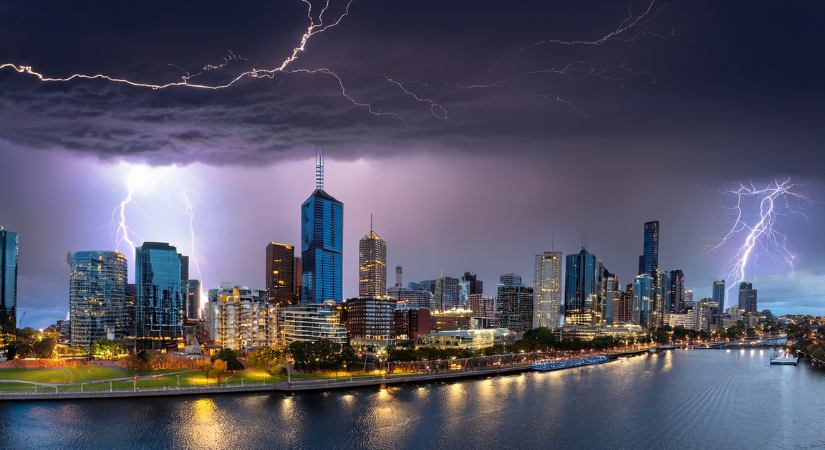
Melbourne may not be Australia’s largest city nor its political capital, but when it comes to artistic and cultural movements, it has always been the most important.
 
Located in the state of Victoria, the city is home to over five million people and consistently ranks among the world’s most livable cities. This reputation is not only due to its excellent healthcare, multiculturalism, and economic stability, but also to its ever-evolving music scene—metal included, which found fertile ground here and began to grow exponentially.
 
As early as the 1970s, Melbourne experienced a wave of musicians, fueled by the pub rock phenomenon, who began performing in the city’s most iconic venues, channeling the stylistic foundations laid by Lobby Loyde and other pioneering acts.
 
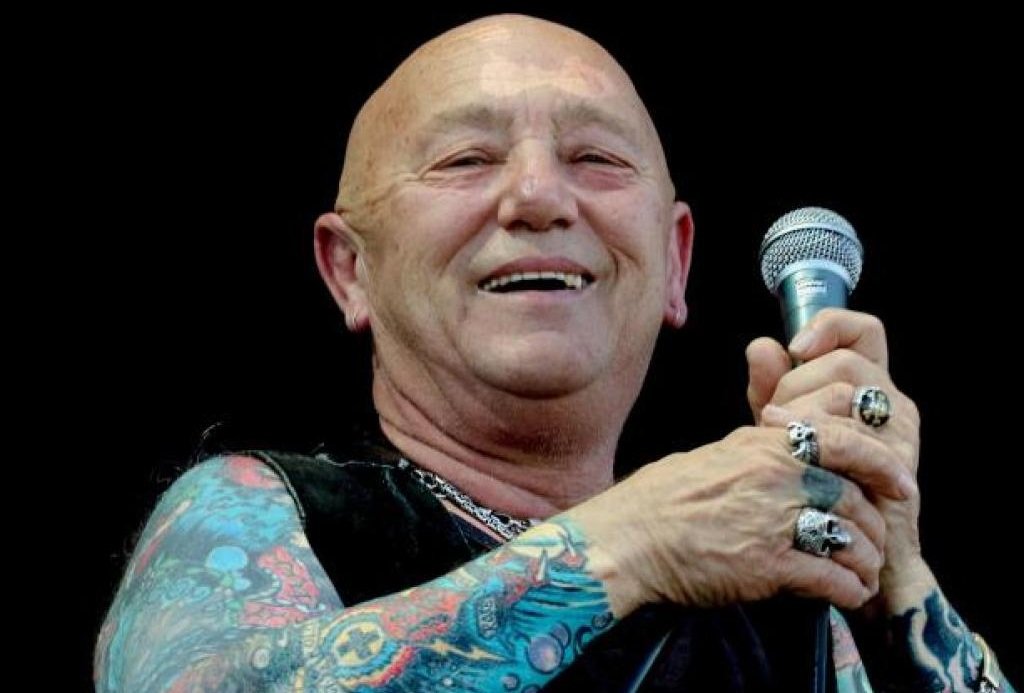
One of them was Gary “Angry” Anderson, who in 1973 formed Buster Brown, the city’s first hard rock band to push toward heavier, more metal-oriented sounds. The project, however, lasted only two years, passing the torch to other local musicians.

Angry Anderson. Music Artists Spotlights
By the early 1980s, with the arrival of NWOBHM influences, Melbourne’s leading bands began drawing inspiration from acts like Judas Priest, Motörhead, and Iron Maiden, spreading that sound across the city.
 
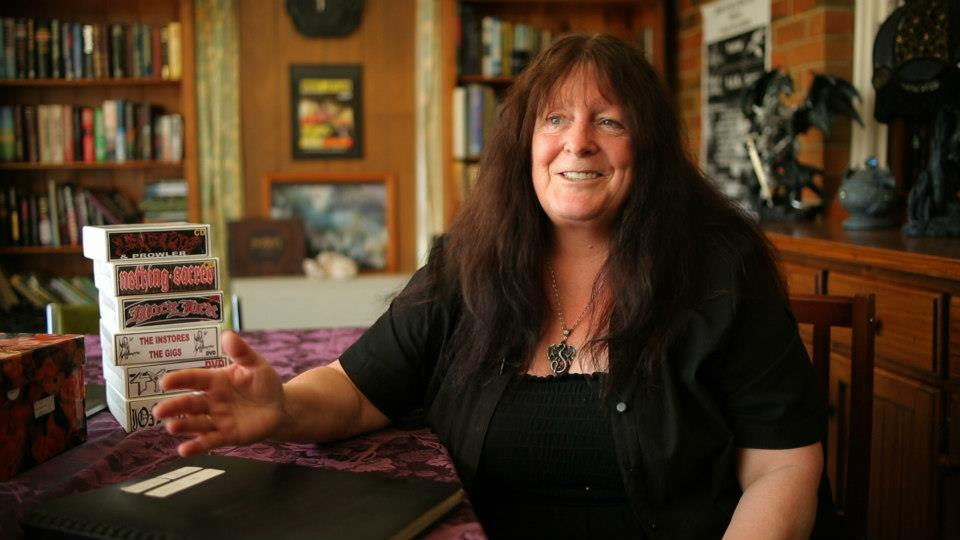
A crucial role in this development was played by Greta Tate, founder of Metal for Melbourne—the city’s first true hub for metalheads. Opened in 1981, it was the first store dedicated entirely to metal, selling records, vinyl, shirts, and merchandise. It later evolved into a record label, bringing together both fans and emerging artists looking for exposure.

Greta Tate, founder of Metal for Melbourne. Phantom Lord
Many local bands passed through its doors, including Taipan, formed in 1980, and Black Jack, who released demos and the EP Five Pieces of Eight (1985), contributing to the scene’s growth.
 
Another key act was Bengal Tigers. Formed in 1979 and led by Gordon Herald, they blended the party-driven attitude of pub rock with the sharper, more aggressive traits of British heavy metal—soaring vocals, piercing solos, and driving rhythms—captured in their debut EP Metal Fetish (1982), now considered a rare gem of the old-school sound.

By the early ’80s, Melbourne had become a true catalyst for the Australian metal movement, absorbing global influences and shaping a dynamic and evolving scene.
 
Thrash metal was among the fastest-growing subgenres, with bands like Nothing Sacred leading the charge. Their debut album Let Us Prey (1988) combined sharp thrash/speed elements with melodic undertones, becoming a reference point despite its raw production.
 
Similarly, Taramis carved out a prominent place in the scene. Originally formed as Prowler in 1983, they later changed their name and released Queen of Thieves (1987), blending thrash, power, and traditional heavy metal into a highly influential record.

In the early ’90s, the scene grew even more extreme. Hobbs’ Angel of Death pushed thrash toward a more aggressive direction, influenced by Slayer and Sodom. Meanwhile, Abramelin helped launch Melbourne’s first wave of death metal, alongside Blood Duster (leaning toward grindcore) and Deströyer 666, who would later achieve international recognition with their black/thrash fusion.
 
The 2000s ultimately cemented Melbourne’s status, with bands gaining recognition across Europe and North America. Among them, Ne Obliviscaris stand out for their unique blend of progressive and death metal, enriched by violin arrangements, while Be’lakor gained acclaim for their refined melodic death metal.

The black metal scene also flourished, with acts like Denouncement Pyre (black/death), Bestial Warlust (a cult name in war metal), Suldusk (atmospheric black), Moon (a solo project), and Adamus Exul, who leaned toward a more melodic, Scandinavian-inspired sound.
 
Melbourne’s extreme scene has essentially gone through two phases: first, evolving from traditional heavy metal into a thrash-dominated foundation; and later, expanding into more experimental and hybrid forms across black, death, and beyond.
 
This is why Melbourne is widely considered the capital of Australian metal—not only for its historical importance, but also for its ongoing vitality, strong DIY ethic, and abundance of live venues.

Sydney: From Old School to Deathcore

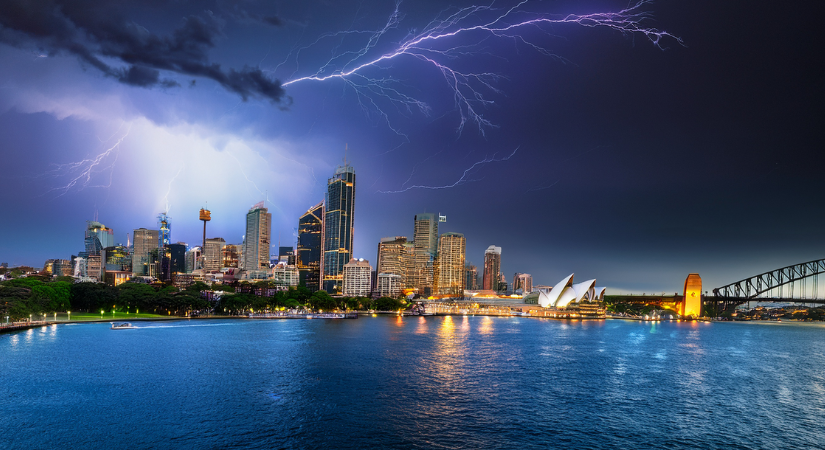
Sydney’s metal scene followed a slightly different path from Melbourne’s, yet reached a similar level of importance.
 
As Australia’s largest and most globally recognized city, Sydney has always been in the spotlight—and so have its artists.
 
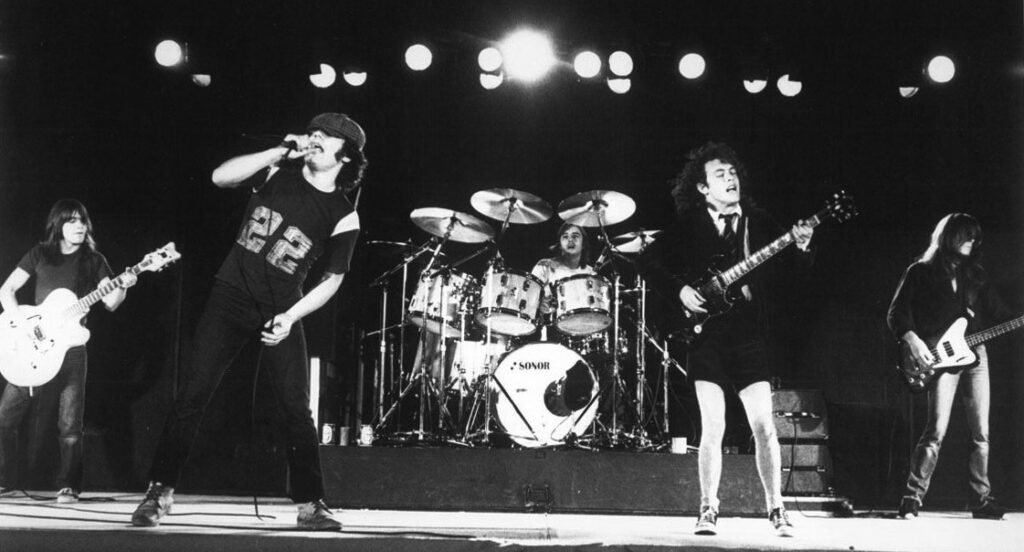
A prime example is AC/DC, who achieved worldwide fame with Back in Black (1980), their first album with Brian Johnson following the death of Bon Scott.

AC/DC on stage in 1980. Hennemusic
However, AC/DC were just the tip of the iceberg. Even before their success, Sydney had already established a solid musical foundation.
 
Buffalo, formed in 1971, were among the pioneers of pub rock, heavily influenced by Black Sabbath. Rose Tattoo—featuring former Buffalo members and later joined by Angry Anderson—also played a crucial role, shaping a sound that leaned closer to heavy metal with their 1978 debut.

Rose Tattoo in the 1980s. IMDb

During the 1980s, Sydney’s scene also began moving toward more extreme territories. One of the first bands to do so was Mortal Sin, whose debut album, Mayhemic Destruction (1987), inspired by the Bay Area thrash sound, gained international recognition.

Another important act was Slaughter Lord. Despite their short lifespan, they had a significant impact on both the thrash and death scenes worldwide. Their influence was such that At The Gates later covered their track Legion, from the demo Taste of Blood including it as a bonus track in the reissue of the masterpiece Slaughter of the Soul.
 
In the 1990s, the extreme underground fully exploded. Sadistik Exekution was among the key figures, delivering chaotic, violent war metal that reached a wide audience and helped solidify Australia’s global reputation. Black metal also found its place with bands like Lord Kaos, whose Thorns of Impurity (1997) became a landmark release in the national scene.
 
At the same time, independent labels began to emerge. One of the most important was Warhead Records, founded in 1992 by British immigrants Brad Sims and Julie Martin.

Warhead Records logo
It played a role similar to Metal for Melbourne, promoting numerous bands across different subgenres, including Cryogenic (death), Dungeon (power), and Lord Kaos. Warhead continued its activity into the 2000s, a decade in which Sydney experienced a major stylistic shift.
 
With the rise of metalcore and deathcore, the city became a hotspot for these modern subgenres. The most prominent name is Thy Art Is Murder, who gained international fame with albums like Hate and Godlike, known for their brutal sound and provocative themes.
Other key bands include Zeolite, Northlane, Justice for the Damned, and To The Grave, all of whom helped define the Australian deathcore movement on a global scale.

Today, Sydney’s metal scene remains one of the most vibrant in Australia. While it retains a strong old-school core, its focus has shifted toward more aggressive, modern sounds—a trend that has spread across the country.

Continues

Related articles

Leave a Reply

Your email address will not be published. Required fields are marked *

Share