

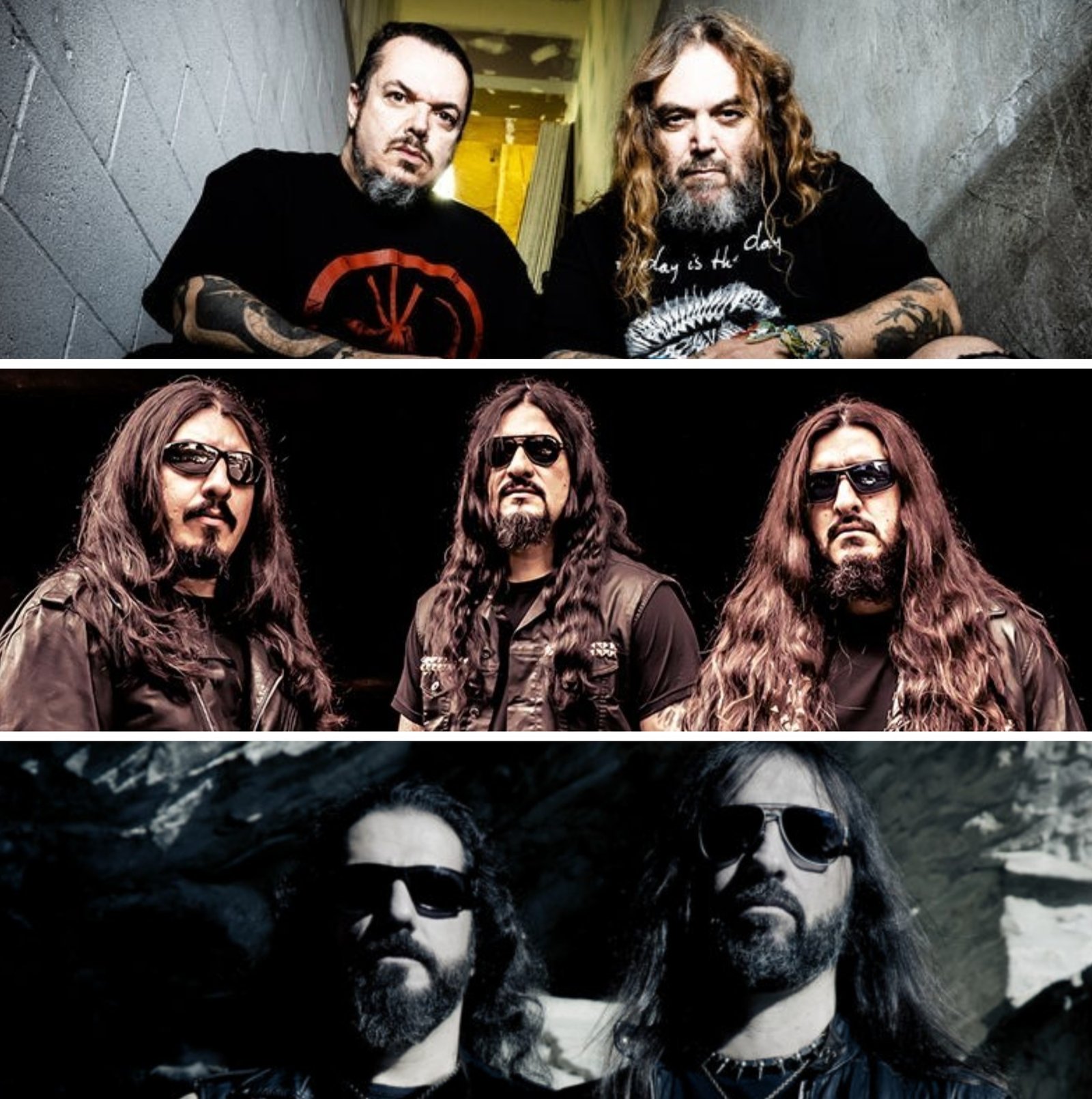
In extreme metal, some bonds go far beyond music. These are stories of brothers who grew up together, united by a shared passion and a desire to turn a shared idea into something unique.
In some cases, that bond gave rise to bands destined to leave a lasting mark on the genre’s history. In others, it became part of personal stories shaped by breakups, changes, and painful losses.
From death and thrash metal pioneers to some of the most uncompromising names in the underground, blood ties have helped shape musical identities, artistic journeys, and extraordinary human stories. These are brothers who founded bands, shared stages, and faced the challenges of a career built far from compromise.
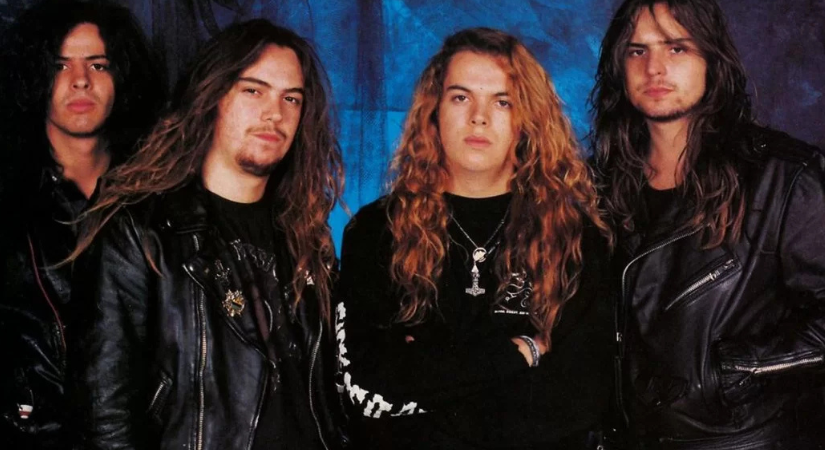
The story behind Sepultura, one of the most successful bands to emerge from the extreme metal scene, begins with two brothers and a shared vision. Max and Igor Cavalera grew up far from the world’s major metal hubs, in Belo Horizonte, Brazil. Yet, they managed to build a project that would eventually break through international boundaries. Their rise was driven by a string of now-iconic albums, from Morbid Visions to Arise, including Beneath the Remains (1989) and Roots (1996), the latter of which helped establish Sepultura among the most influential metal bands of all time. The bond between Max and Igor played a crucial role in that success, but even their shared history could not prevent a major rift. In 1996, Max left the band following internal disputes, while Igor remained with Sepultura for another decade before departing in 2006. The brothers eventually reunited musically in Cavalera Conspiracy, bringing their creative partnership back to life.
The story behind Sepultura, one of the most successful bands to emerge from the extreme metal scene, begins with two brothers and a shared vision. Max and Igor Cavalera grew up far from the world’s major metal hubs, in Belo Horizonte, Brazil. Yet, they managed to build a project that would eventually break through international boundaries. Their rise was driven by a string of now-iconic albums, from Morbid Visions to Arise, including Beneath the Remains (1989) and Roots (1996), the latter of which helped establish Sepultura among the most influential metal bands of all time. The bond between Max and Igor played a crucial role in that success, but even their shared history could not prevent a major rift. In 1996, Max left the band following internal disputes, while Igor remained with Sepultura for another decade before departing in 2006. The brothers eventually reunited musically in Cavalera Conspiracy, bringing their creative partnership back to life.
The story behind Sepultura, one of the most successful bands to emerge from the extreme metal scene, begins with two brothers and a shared vision. Max and Igor Cavalera grew up far from the world’s major metal hubs, in Belo Horizonte, Brazil. Yet, they managed to build a project that would eventually break through international boundaries. Their rise was driven by a string of now-iconic albums, from Morbid Visions to Arise, including Beneath the Remains (1989) and Roots (1996), the latter of which helped establish Sepultura among the most influential metal bands of all time. The bond between Max and Igor played a crucial role in that success, but even their shared history could not prevent a major rift. In 1996, Max left the band following internal disputes, while Igor remained with Sepultura for another decade before departing in 2006. The brothers eventually reunited musically in Cavalera Conspiracy, bringing their creative partnership back to life.
The story behind Sepultura, one of the most successful bands to emerge from the extreme metal scene, begins with two brothers and a shared vision. Max and Igor Cavalera grew up far from the world’s major metal hubs, in Belo Horizonte, Brazil. Yet, they managed to build a project that would eventually break through international boundaries. Their rise was driven by a string of now-iconic albums, from Morbid Visions to Arise, including Beneath the Remains (1989) and Roots (1996), the latter of which helped establish Sepultura among the most influential metal bands of all time. The bond between Max and Igor played a crucial role in that success, but even their shared history could not prevent a major rift. In 1996, Max left the band following internal disputes, while Igor remained with Sepultura for another decade before departing in 2006. The brothers eventually reunited musically in Cavalera Conspiracy, bringing their creative partnership back to life.
The story behind Sepultura, one of the most successful bands to emerge from the extreme metal scene, begins with two brothers and a shared vision. Max and Igor Cavalera grew up far from the world’s major metal hubs, in Belo Horizonte, Brazil. Yet, they managed to build a project that would eventually break through international boundaries. Their rise was driven by a string of now-iconic albums, from Morbid Visions to Arise, including Beneath the Remains (1989) and Roots (1996), the latter of which helped establish Sepultura among the most influential metal bands of all time. The bond between Max and Igor played a crucial role in that success, but even their shared history could not prevent a major rift. In 1996, Max left the band following internal disputes, while Igor remained with Sepultura for another decade before departing in 2006. The brothers eventually reunited musically in Cavalera Conspiracy, bringing their creative partnership back to life.
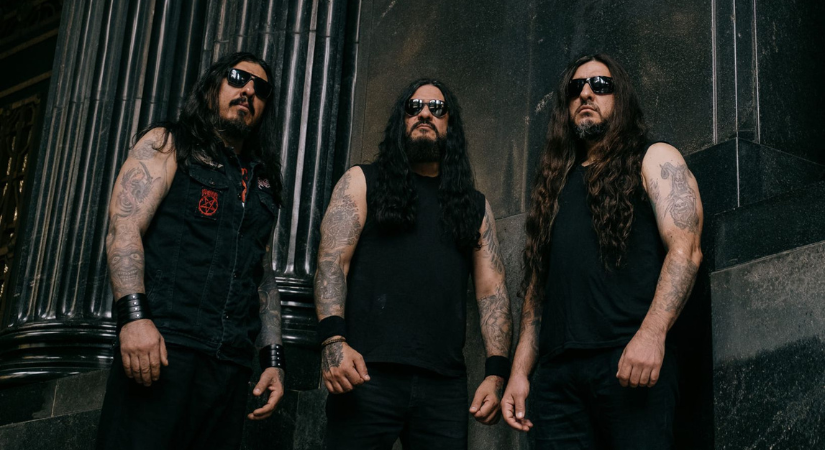
Few bands embody the idea of a brotherhood-driven project as clearly as Krisiun. Hailing from Ijuí, Brazil, brothers Max, Moyses, and Alex Kolesne—who uses the surname Camargo—grew up sharing a passion for the most extreme forms of metal. They eventually turned that family bond into a musical force whose unmistakable ferocity has made Krisiun one of the most respected names in South American death metal. After releasing their early demos and the Unmerciful Order EP (1993), the band issued their debut album, Black Force Domain, in 1995, immediately establishing themselves through sheer speed, aggression, and technical precision. Records such as Apocalyptic Revelation and Conquerors of Armageddon (2000) gradually brought Krisiun to an international audience, taking their brutal death metal to stages worldwide. What makes their story particularly remarkable is not simply the fact that all three members are brothers, but their ability to maintain that unity over the years. Through decades of changes within the metal scene, Krisiun have remained faithful to their original identity. Here, the bond between brothers is far more than an interesting biographical detail: it is an essential part of the band’s strength and longevity.
Few bands embody the idea of a brotherhood-driven project as clearly as Krisiun. Hailing from Ijuí, Brazil, brothers Max, Moyses, and Alex Kolesne—who uses the surname Camargo—grew up sharing a passion for the most extreme forms of metal. They eventually turned that family bond into a musical force whose unmistakable ferocity has made Krisiun one of the most respected names in South American death metal. After releasing their early demos and the Unmerciful Order EP (1993), the band issued their debut album, Black Force Domain, in 1995, immediately establishing themselves through sheer speed, aggression, and technical precision. Records such as Apocalyptic Revelation and Conquerors of Armageddon (2000) gradually brought Krisiun to an international audience, taking their brutal death metal to stages worldwide. What makes their story particularly remarkable is not simply the fact that all three members are brothers, but their ability to maintain that unity over the years. Through decades of changes within the metal scene, Krisiun have remained faithful to their original identity. Here, the bond between brothers is far more than an interesting biographical detail: it is an essential part of the band’s strength and longevity.
Few bands embody the idea of a brotherhood-driven project as clearly as Krisiun. Hailing from Ijuí, Brazil, brothers Max, Moyses, and Alex Kolesne—who uses the surname Camargo—grew up sharing a passion for the most extreme forms of metal. They eventually turned that family bond into a musical force whose unmistakable ferocity has made Krisiun one of the most respected names in South American death metal. After releasing their early demos and the Unmerciful Order EP (1993), the band issued their debut album, Black Force Domain, in 1995, immediately establishing themselves through sheer speed, aggression, and technical precision. Records such as Apocalyptic Revelation and Conquerors of Armageddon (2000) gradually brought Krisiun to an international audience, taking their brutal death metal to stages worldwide. What makes their story particularly remarkable is not simply the fact that all three members are brothers, but their ability to maintain that unity over the years. Through decades of changes within the metal scene, Krisiun have remained faithful to their original identity. Here, the bond between brothers is far more than an interesting biographical detail: it is an essential part of the band’s strength and longevity.
Few bands embody the idea of a brotherhood-driven project as clearly as Krisiun. Hailing from Ijuí, Brazil, brothers Max, Moyses, and Alex Kolesne—who uses the surname Camargo—grew up sharing a passion for the most extreme forms of metal. They eventually turned that family bond into a musical force whose unmistakable ferocity has made Krisiun one of the most respected names in South American death metal. After releasing their early demos and the Unmerciful Order EP (1993), the band issued their debut album, Black Force Domain, in 1995, immediately establishing themselves through sheer speed, aggression, and technical precision. Records such as Apocalyptic Revelation and Conquerors of Armageddon (2000) gradually brought Krisiun to an international audience, taking their brutal death metal to stages worldwide. What makes their story particularly remarkable is not simply the fact that all three members are brothers, but their ability to maintain that unity over the years. Through decades of changes within the metal scene, Krisiun have remained faithful to their original identity. Here, the bond between brothers is far more than an interesting biographical detail: it is an essential part of the band’s strength and longevity.
Few bands embody the idea of a brotherhood-driven project as clearly as Krisiun. Hailing from Ijuí, Brazil, brothers Max, Moyses, and Alex Kolesne—who uses the surname Camargo—grew up sharing a passion for the most extreme forms of metal. They eventually turned that family bond into a musical force whose unmistakable ferocity has made Krisiun one of the most respected names in South American death metal. After releasing their early demos and the Unmerciful Order EP (1993), the band issued their debut album, Black Force Domain, in 1995, immediately establishing themselves through sheer speed, aggression, and technical precision. Records such as Apocalyptic Revelation and Conquerors of Armageddon (2000) gradually brought Krisiun to an international audience, taking their brutal death metal to stages worldwide. What makes their story particularly remarkable is not simply the fact that all three members are brothers, but their ability to maintain that unity over the years. Through decades of changes within the metal scene, Krisiun have remained faithful to their original identity. Here, the bond between brothers is far more than an interesting biographical detail: it is an essential part of the band’s strength and longevity.
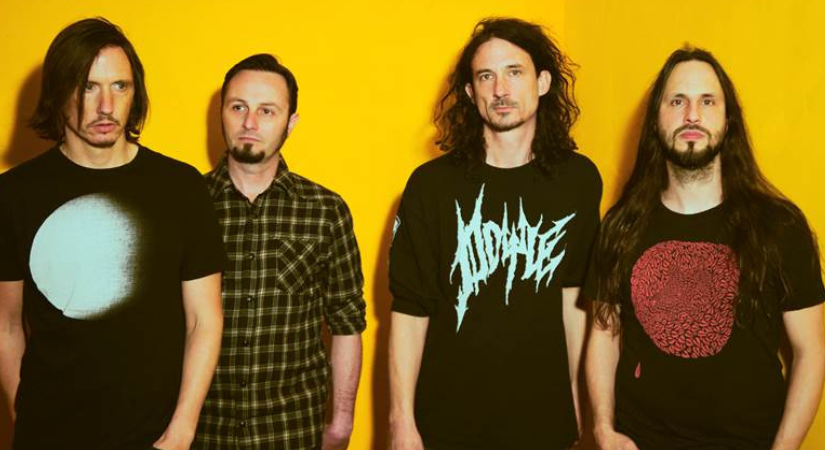
Gojira took shape in 1996, driven by brothers Joe and Mario Duplantier, respectively the band’s guitarist/vocalist and drummer. When they decided to join forces, Joe was nineteen and Mario just fourteen. Having grown up sharing a passion for music and spent time pursuing separate projects, the two found in Gojira a way to bring their musical vision together. Alongside guitarist Christian Andreu and bassist Alexandre Cornillon, they initially operated under the name Godzilla, developing a technical, melodic take on death metal that already hinted at a desire to carve out an identity of their own. Following their debut album, Terra Incognita (2001), the band steadily broadened its musical horizons, reaching an international audience with From Mars to Sirius (2005). Blending massive riffs, intricate song structures, and lyrics exploring humanity’s relationship with nature, the album marked a major step forward in Gojira’s evolution. Over the years, Joe and Mario have remained the band’s creative driving force. Joe has channeled his vision into the group’s songwriting and lyrics, while Mario has developed a distinctive drumming style that has become one of Gojira’s defining trademarks. Their musical chemistry, forged long before the band came into existence, has continued to shape the evolution of albums such as Magma (2016) and Fortitude (2021), taking Gojira far beyond the boundaries of their early death metal sound.
Gojira took shape in 1996, driven by brothers Joe and Mario Duplantier, respectively the band’s guitarist/vocalist and drummer. When they decided to join forces, Joe was nineteen and Mario just fourteen. Having grown up sharing a passion for music and spent time pursuing separate projects, the two found in Gojira a way to bring their musical vision together. Alongside guitarist Christian Andreu and bassist Alexandre Cornillon, they initially operated under the name Godzilla, developing a technical, melodic take on death metal that already hinted at a desire to carve out an identity of their own. Following their debut album, Terra Incognita (2001), the band steadily broadened its musical horizons, reaching an international audience with From Mars to Sirius (2005). Blending massive riffs, intricate song structures, and lyrics exploring humanity’s relationship with nature, the album marked a major step forward in Gojira’s evolution. Over the years, Joe and Mario have remained the band’s creative driving force. Joe has channeled his vision into the group’s songwriting and lyrics, while Mario has developed a distinctive drumming style that has become one of Gojira’s defining trademarks. Their musical chemistry, forged long before the band came into existence, has continued to shape the evolution of albums such as Magma (2016) and Fortitude (2021), taking Gojira far beyond the boundaries of their early death metal sound.
Gojira took shape in 1996, driven by brothers Joe and Mario Duplantier, respectively the band’s guitarist/vocalist and drummer. When they decided to join forces, Joe was nineteen and Mario just fourteen. Having grown up sharing a passion for music and spent time pursuing separate projects, the two found in Gojira a way to bring their musical vision together. Alongside guitarist Christian Andreu and bassist Alexandre Cornillon, they initially operated under the name Godzilla, developing a technical, melodic take on death metal that already hinted at a desire to carve out an identity of their own. Following their debut album, Terra Incognita (2001), the band steadily broadened its musical horizons, reaching an international audience with From Mars to Sirius (2005). Blending massive riffs, intricate song structures, and lyrics exploring humanity’s relationship with nature, the album marked a major step forward in Gojira’s evolution. Over the years, Joe and Mario have remained the band’s creative driving force. Joe has channeled his vision into the group’s songwriting and lyrics, while Mario has developed a distinctive drumming style that has become one of Gojira’s defining trademarks. Their musical chemistry, forged long before the band came into existence, has continued to shape the evolution of albums such as Magma (2016) and Fortitude (2021), taking Gojira far beyond the boundaries of their early death metal sound.
Gojira took shape in 1996, driven by brothers Joe and Mario Duplantier, respectively the band’s guitarist/vocalist and drummer. When they decided to join forces, Joe was nineteen and Mario just fourteen. Having grown up sharing a passion for music and spent time pursuing separate projects, the two found in Gojira a way to bring their musical vision together. Alongside guitarist Christian Andreu and bassist Alexandre Cornillon, they initially operated under the name Godzilla, developing a technical, melodic take on death metal that already hinted at a desire to carve out an identity of their own. Following their debut album, Terra Incognita (2001), the band steadily broadened its musical horizons, reaching an international audience with From Mars to Sirius (2005). Blending massive riffs, intricate song structures, and lyrics exploring humanity’s relationship with nature, the album marked a major step forward in Gojira’s evolution. Over the years, Joe and Mario have remained the band’s creative driving force. Joe has channeled his vision into the group’s songwriting and lyrics, while Mario has developed a distinctive drumming style that has become one of Gojira’s defining trademarks. Their musical chemistry, forged long before the band came into existence, has continued to shape the evolution of albums such as Magma (2016) and Fortitude (2021), taking Gojira far beyond the boundaries of their early death metal sound.
Gojira took shape in 1996, driven by brothers Joe and Mario Duplantier, respectively the band’s guitarist/vocalist and drummer. When they decided to join forces, Joe was nineteen and Mario just fourteen. Having grown up sharing a passion for music and spent time pursuing separate projects, the two found in Gojira a way to bring their musical vision together. Alongside guitarist Christian Andreu and bassist Alexandre Cornillon, they initially operated under the name Godzilla, developing a technical, melodic take on death metal that already hinted at a desire to carve out an identity of their own. Following their debut album, Terra Incognita (2001), the band steadily broadened its musical horizons, reaching an international audience with From Mars to Sirius (2005). Blending massive riffs, intricate song structures, and lyrics exploring humanity’s relationship with nature, the album marked a major step forward in Gojira’s evolution. Over the years, Joe and Mario have remained the band’s creative driving force. Joe has channeled his vision into the group’s songwriting and lyrics, while Mario has developed a distinctive drumming style that has become one of Gojira’s defining trademarks. Their musical chemistry, forged long before the band came into existence, has continued to shape the evolution of albums such as Magma (2016) and Fortitude (2021), taking Gojira far beyond the boundaries of their early death metal sound.
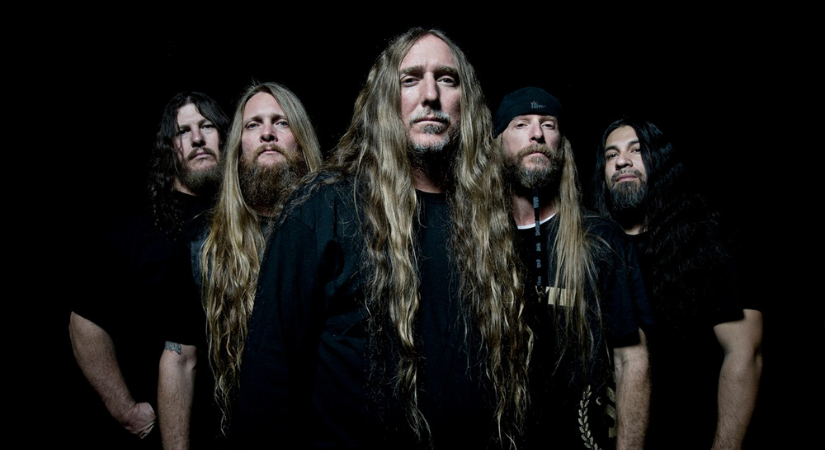
It’s impossible to imagine death metal without Obituary. It’s equally difficult to imagine the band existing without brothers John and Donald Tardy, who grew up together in Florida and developed a shared passion for the music that would help shape the sound of death metal alongside other artists from the same region. What began as a project among brothers and friends—including guitarist Trevor Peres—quickly evolved into a genuine institution. John’s cavernous vocals and Donald’s powerful drumming became two defining elements of Obituary’s sound, helping shape landmark albums such as Slowly We Rot (1989) and Cause of Death (1990), both now regarded as undisputed classics. Over the decades, despite lineup changes and a hiatus lasting several years, the Tardy brothers have continued to serve as the band’s backbone, keeping alive a project they started when they were still very young. With Obituary, then, the family connection is far more than a biographical curiosity. It’s an integral part of a story that has spanned more than four decades.
It’s impossible to imagine death metal without Obituary. It’s equally difficult to imagine the band existing without brothers John and Donald Tardy, who grew up together in Florida and developed a shared passion for the music that would help shape the sound of death metal alongside other artists from the same region. What began as a project among brothers and friends—including guitarist Trevor Peres—quickly evolved into a genuine institution. John’s cavernous vocals and Donald’s powerful drumming became two defining elements of Obituary’s sound, helping shape landmark albums such as Slowly We Rot (1989) and Cause of Death (1990), both now regarded as undisputed classics. Over the decades, despite lineup changes and a hiatus lasting several years, the Tardy brothers have continued to serve as the band’s backbone, keeping alive a project they started when they were still very young. With Obituary, then, the family connection is far more than a biographical curiosity. It’s an integral part of a story that has spanned more than four decades.
It’s impossible to imagine death metal without Obituary. It’s equally difficult to imagine the band existing without brothers John and Donald Tardy, who grew up together in Florida and developed a shared passion for the music that would help shape the sound of death metal alongside other artists from the same region. What began as a project among brothers and friends—including guitarist Trevor Peres—quickly evolved into a genuine institution. John’s cavernous vocals and Donald’s powerful drumming became two defining elements of Obituary’s sound, helping shape landmark albums such as Slowly We Rot (1989) and Cause of Death (1990), both now regarded as undisputed classics. Over the decades, despite lineup changes and a hiatus lasting several years, the Tardy brothers have continued to serve as the band’s backbone, keeping alive a project they started when they were still very young. With Obituary, then, the family connection is far more than a biographical curiosity. It’s an integral part of a story that has spanned more than four decades.
It’s impossible to imagine death metal without Obituary. It’s equally difficult to imagine the band existing without brothers John and Donald Tardy, who grew up together in Florida and developed a shared passion for the music that would help shape the sound of death metal alongside other artists from the same region. What began as a project among brothers and friends—including guitarist Trevor Peres—quickly evolved into a genuine institution. John’s cavernous vocals and Donald’s powerful drumming became two defining elements of Obituary’s sound, helping shape landmark albums such as Slowly We Rot (1989) and Cause of Death (1990), both now regarded as undisputed classics. Over the decades, despite lineup changes and a hiatus lasting several years, the Tardy brothers have continued to serve as the band’s backbone, keeping alive a project they started when they were still very young. With Obituary, then, the family connection is far more than a biographical curiosity. It’s an integral part of a story that has spanned more than four decades.
It’s impossible to imagine death metal without Obituary. It’s equally difficult to imagine the band existing without brothers John and Donald Tardy, who grew up together in Florida and developed a shared passion for the music that would help shape the sound of death metal alongside other artists from the same region. What began as a project among brothers and friends—including guitarist Trevor Peres—quickly evolved into a genuine institution. John’s cavernous vocals and Donald’s powerful drumming became two defining elements of Obituary’s sound, helping shape landmark albums such as Slowly We Rot (1989) and Cause of Death (1990), both now regarded as undisputed classics. Over the decades, despite lineup changes and a hiatus lasting several years, the Tardy brothers have continued to serve as the band’s backbone, keeping alive a project they started when they were still very young. With Obituary, then, the family connection is far more than a biographical curiosity. It’s an integral part of a story that has spanned more than four decades.
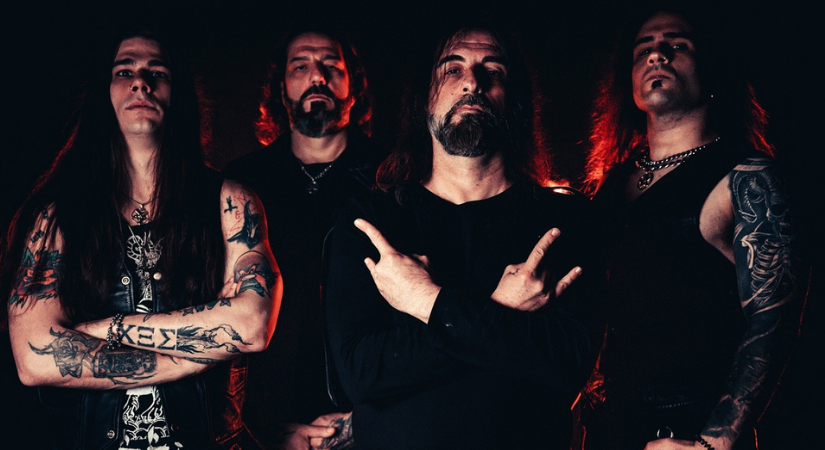
From the United States to Greece, the dynamics remain much the same. Founded in Athens in 1987, Rotting Christ shares an important characteristic with Obituary—not in terms of musical style, but in how the band began and evolved. The project was launched by brothers Sakis and Themis Tolis, who initially drew inspiration from the extreme sounds emerging from Northern Europe before developing a distinctive identity of their own. Starting with a sound rooted in the more extreme end of the spectrum, including grindcore influences, the band gradually forged their own path with albums such as Thy Mighty Contract (1993) and Non Serviam (1994). In doing so, they helped define the unmistakable sound of Greek black metal, eventually incorporating melody, majestic atmospheres, and mythological themes into their music. Throughout the band’s evolution, Sakis and Themis have remained firmly at the helm, while numerous other musicians have come and gone. They have continued to experiment, explore new directions, and expand their musical horizons, becoming virtually synonymous with Rotting Christ themselves. Without the bond between these two brothers, the band would almost certainly be a very different proposition today.
From the United States to Greece, the dynamics remain much the same. Founded in Athens in 1987, Rotting Christ shares an important characteristic with Obituary—not in terms of musical style, but in how the band began and evolved. The project was launched by brothers Sakis and Themis Tolis, who initially drew inspiration from the extreme sounds emerging from Northern Europe before developing a distinctive identity of their own. Starting with a sound rooted in the more extreme end of the spectrum, including grindcore influences, the band gradually forged their own path with albums such as Thy Mighty Contract (1993) and Non Serviam (1994). In doing so, they helped define the unmistakable sound of Greek black metal, eventually incorporating melody, majestic atmospheres, and mythological themes into their music. Throughout the band’s evolution, Sakis and Themis have remained firmly at the helm, while numerous other musicians have come and gone. They have continued to experiment, explore new directions, and expand their musical horizons, becoming virtually synonymous with Rotting Christ themselves. Without the bond between these two brothers, the band would almost certainly be a very different proposition today.
From the United States to Greece, the dynamics remain much the same. Founded in Athens in 1987, Rotting Christ shares an important characteristic with Obituary—not in terms of musical style, but in how the band began and evolved. The project was launched by brothers Sakis and Themis Tolis, who initially drew inspiration from the extreme sounds emerging from Northern Europe before developing a distinctive identity of their own. Starting with a sound rooted in the more extreme end of the spectrum, including grindcore influences, the band gradually forged their own path with albums such as Thy Mighty Contract (1993) and Non Serviam (1994). In doing so, they helped define the unmistakable sound of Greek black metal, eventually incorporating melody, majestic atmospheres, and mythological themes into their music. Throughout the band’s evolution, Sakis and Themis have remained firmly at the helm, while numerous other musicians have come and gone. They have continued to experiment, explore new directions, and expand their musical horizons, becoming virtually synonymous with Rotting Christ themselves. Without the bond between these two brothers, the band would almost certainly be a very different proposition today.
From the United States to Greece, the dynamics remain much the same. Founded in Athens in 1987, Rotting Christ shares an important characteristic with Obituary—not in terms of musical style, but in how the band began and evolved. The project was launched by brothers Sakis and Themis Tolis, who initially drew inspiration from the extreme sounds emerging from Northern Europe before developing a distinctive identity of their own. Starting with a sound rooted in the more extreme end of the spectrum, including grindcore influences, the band gradually forged their own path with albums such as Thy Mighty Contract (1993) and Non Serviam (1994). In doing so, they helped define the unmistakable sound of Greek black metal, eventually incorporating melody, majestic atmospheres, and mythological themes into their music. Throughout the band’s evolution, Sakis and Themis have remained firmly at the helm, while numerous other musicians have come and gone. They have continued to experiment, explore new directions, and expand their musical horizons, becoming virtually synonymous with Rotting Christ themselves. Without the bond between these two brothers, the band would almost certainly be a very different proposition today.
From the United States to Greece, the dynamics remain much the same. Founded in Athens in 1987, Rotting Christ shares an important characteristic with Obituary—not in terms of musical style, but in how the band began and evolved. The project was launched by brothers Sakis and Themis Tolis, who initially drew inspiration from the extreme sounds emerging from Northern Europe before developing a distinctive identity of their own. Starting with a sound rooted in the more extreme end of the spectrum, including grindcore influences, the band gradually forged their own path with albums such as Thy Mighty Contract (1993) and Non Serviam (1994). In doing so, they helped define the unmistakable sound of Greek black metal, eventually incorporating melody, majestic atmospheres, and mythological themes into their music. Throughout the band’s evolution, Sakis and Themis have remained firmly at the helm, while numerous other musicians have come and gone. They have continued to experiment, explore new directions, and expand their musical horizons, becoming virtually synonymous with Rotting Christ themselves. Without the bond between these two brothers, the band would almost certainly be a very different proposition today.
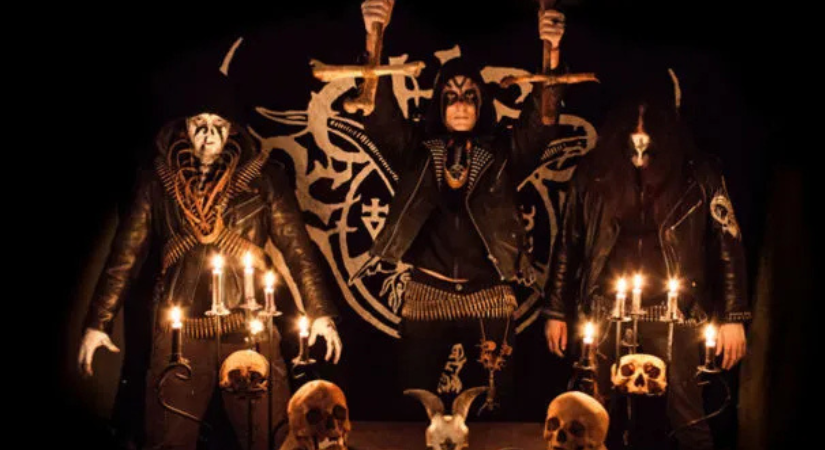
In the case of Archgoat, even the term brotherhood doesn’t quite tell the whole story: the band was founded by twin brothers. Born and raised in Turku, Finland, Rainer and Kai Puolakanaho formed the band in 1989, adopting the stage names Lord Angelslayer and Ritual Butcherer, respectively, and establishing a clear artistic identity from the outset. Their vision gave rise to a ferocious, dark, and bestial sound comparable to the one developed by Canada’s Blasphemy. It was already evident on early releases such as the Jesus Spawn demo (1991) and the Angelcunt (Tales of Desecration) EP (1993). That same year, however, the band brought their activities to a halt, partly because they refused to compromise with a scene they felt was becoming increasingly commercial. The hiatus was not the end of the story. In 2004, Archgoat returned, picking up a journey that had begun fifteen years earlier. From Whore of Bethlehem (2006) onward, the brothers have continued to pursue their vision without abandoning the band’s original identity. Their history demonstrates how their bond has endured through both drastic decisions, such as putting the band on hold, and the determination to carry on with a project that has become one of the most important names in war metal and extreme music as a whole.
In the case of Archgoat, even the term brotherhood doesn’t quite tell the whole story: the band was founded by twin brothers. Born and raised in Turku, Finland, Rainer and Kai Puolakanaho formed the band in 1989, adopting the stage names Lord Angelslayer and Ritual Butcherer, respectively, and establishing a clear artistic identity from the outset. Their vision gave rise to a ferocious, dark, and bestial sound comparable to the one developed by Canada’s Blasphemy. It was already evident on early releases such as the Jesus Spawn demo (1991) and the Angelcunt (Tales of Desecration) EP (1993). That same year, however, the band brought their activities to a halt, partly because they refused to compromise with a scene they felt was becoming increasingly commercial. The hiatus was not the end of the story. In 2004, Archgoat returned, picking up a journey that had begun fifteen years earlier. From Whore of Bethlehem (2006) onward, the brothers have continued to pursue their vision without abandoning the band’s original identity. Their history demonstrates how their bond has endured through both drastic decisions, such as putting the band on hold, and the determination to carry on with a project that has become one of the most important names in war metal and extreme music as a whole.
In the case of Archgoat, even the term brotherhood doesn’t quite tell the whole story: the band was founded by twin brothers. Born and raised in Turku, Finland, Rainer and Kai Puolakanaho formed the band in 1989, adopting the stage names Lord Angelslayer and Ritual Butcherer, respectively, and establishing a clear artistic identity from the outset. Their vision gave rise to a ferocious, dark, and bestial sound comparable to the one developed by Canada’s Blasphemy. It was already evident on early releases such as the Jesus Spawn demo (1991) and the Angelcunt (Tales of Desecration) EP (1993). That same year, however, the band brought their activities to a halt, partly because they refused to compromise with a scene they felt was becoming increasingly commercial. The hiatus was not the end of the story. In 2004, Archgoat returned, picking up a journey that had begun fifteen years earlier. From Whore of Bethlehem (2006) onward, the brothers have continued to pursue their vision without abandoning the band’s original identity. Their history demonstrates how their bond has endured through both drastic decisions, such as putting the band on hold, and the determination to carry on with a project that has become one of the most important names in war metal and extreme music as a whole.
In the case of Archgoat, even the term brotherhood doesn’t quite tell the whole story: the band was founded by twin brothers. Born and raised in Turku, Finland, Rainer and Kai Puolakanaho formed the band in 1989, adopting the stage names Lord Angelslayer and Ritual Butcherer, respectively, and establishing a clear artistic identity from the outset. Their vision gave rise to a ferocious, dark, and bestial sound comparable to the one developed by Canada’s Blasphemy. It was already evident on early releases such as the Jesus Spawn demo (1991) and the Angelcunt (Tales of Desecration) EP (1993). That same year, however, the band brought their activities to a halt, partly because they refused to compromise with a scene they felt was becoming increasingly commercial. The hiatus was not the end of the story. In 2004, Archgoat returned, picking up a journey that had begun fifteen years earlier. From Whore of Bethlehem (2006) onward, the brothers have continued to pursue their vision without abandoning the band’s original identity. Their history demonstrates how their bond has endured through both drastic decisions, such as putting the band on hold, and the determination to carry on with a project that has become one of the most important names in war metal and extreme music as a whole.
In the case of Archgoat, even the term brotherhood doesn’t quite tell the whole story: the band was founded by twin brothers. Born and raised in Turku, Finland, Rainer and Kai Puolakanaho formed the band in 1989, adopting the stage names Lord Angelslayer and Ritual Butcherer, respectively, and establishing a clear artistic identity from the outset. Their vision gave rise to a ferocious, dark, and bestial sound comparable to the one developed by Canada’s Blasphemy. It was already evident on early releases such as the Jesus Spawn demo (1991) and the Angelcunt (Tales of Desecration) EP (1993). That same year, however, the band brought their activities to a halt, partly because they refused to compromise with a scene they felt was becoming increasingly commercial. The hiatus was not the end of the story. In 2004, Archgoat returned, picking up a journey that had begun fifteen years earlier. From Whore of Bethlehem (2006) onward, the brothers have continued to pursue their vision without abandoning the band’s original identity. Their history demonstrates how their bond has endured through both drastic decisions, such as putting the band on hold, and the determination to carry on with a project that has become one of the most important names in war metal and extreme music as a whole.
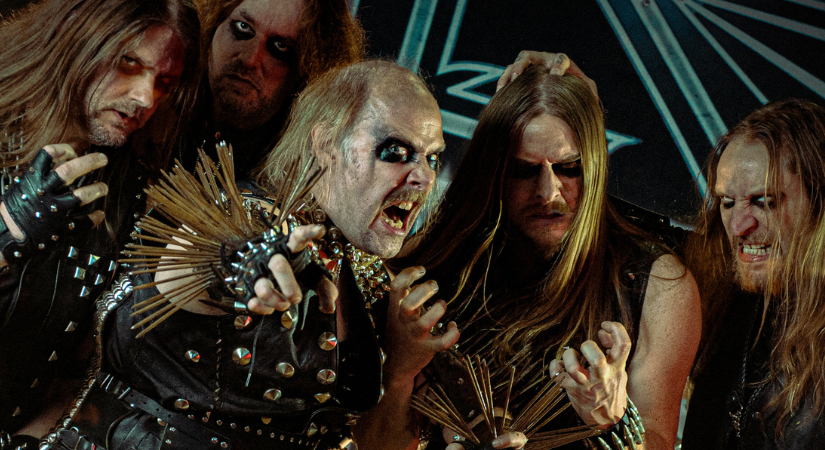
Founded in Sweden in 1990, Nifelheim share a key characteristic with Archgoat: twin brothers at the heart of a project built around an unwavering commitment to extreme metal. Erik and Per Gustafsson, better known as Tyrant and Hellbutcher, respectively, helped establish Nifelheim as one of the leading names in Swedish black metal, while also drawing heavily on the thrash influences of bands such as Venom, Bathory, and Sodom. Following their self-titled debut in 1995, Nifelheim cemented their reputation with albums such as Devil’s Force (1998) and Servants of Darkness (2000). Throughout their career, they maintained a raw, uncompromising approach that remained largely untouched by changing trends, right through to their final EP, The Burning Warpath to Hell. The band’s consistency has been closely tied to the presence of its founders: two brothers who turned a shared passion into a clearly defined musical identity and carried it forward for much of their lives.
Founded in Sweden in 1990, Nifelheim share a key characteristic with Archgoat: twin brothers at the heart of a project built around an unwavering commitment to extreme metal. Erik and Per Gustafsson, better known as Tyrant and Hellbutcher, respectively, helped establish Nifelheim as one of the leading names in Swedish black metal, while also drawing heavily on the thrash influences of bands such as Venom, Bathory, and Sodom. Following their self-titled debut in 1995, Nifelheim cemented their reputation with albums such as Devil’s Force (1998) and Servants of Darkness (2000). Throughout their career, they maintained a raw, uncompromising approach that remained largely untouched by changing trends, right through to their final EP, The Burning Warpath to Hell. The band’s consistency has been closely tied to the presence of its founders: two brothers who turned a shared passion into a clearly defined musical identity and carried it forward for much of their lives.
Founded in Sweden in 1990, Nifelheim share a key characteristic with Archgoat: twin brothers at the heart of a project built around an unwavering commitment to extreme metal. Erik and Per Gustafsson, better known as Tyrant and Hellbutcher, respectively, helped establish Nifelheim as one of the leading names in Swedish black metal, while also drawing heavily on the thrash influences of bands such as Venom, Bathory, and Sodom. Following their self-titled debut in 1995, Nifelheim cemented their reputation with albums such as Devil’s Force (1998) and Servants of Darkness (2000). Throughout their career, they maintained a raw, uncompromising approach that remained largely untouched by changing trends, right through to their final EP, The Burning Warpath to Hell. The band’s consistency has been closely tied to the presence of its founders: two brothers who turned a shared passion into a clearly defined musical identity and carried it forward for much of their lives.
Founded in Sweden in 1990, Nifelheim share a key characteristic with Archgoat: twin brothers at the heart of a project built around an unwavering commitment to extreme metal. Erik and Per Gustafsson, better known as Tyrant and Hellbutcher, respectively, helped establish Nifelheim as one of the leading names in Swedish black metal, while also drawing heavily on the thrash influences of bands such as Venom, Bathory, and Sodom. Following their self-titled debut in 1995, Nifelheim cemented their reputation with albums such as Devil’s Force (1998) and Servants of Darkness (2000). Throughout their career, they maintained a raw, uncompromising approach that remained largely untouched by changing trends, right through to their final EP, The Burning Warpath to Hell. The band’s consistency has been closely tied to the presence of its founders: two brothers who turned a shared passion into a clearly defined musical identity and carried it forward for much of their lives.
Founded in Sweden in 1990, Nifelheim share a key characteristic with Archgoat: twin brothers at the heart of a project built around an unwavering commitment to extreme metal. Erik and Per Gustafsson, better known as Tyrant and Hellbutcher, respectively, helped establish Nifelheim as one of the leading names in Swedish black metal, while also drawing heavily on the thrash influences of bands such as Venom, Bathory, and Sodom. Following their self-titled debut in 1995, Nifelheim cemented their reputation with albums such as Devil’s Force (1998) and Servants of Darkness (2000). Throughout their career, they maintained a raw, uncompromising approach that remained largely untouched by changing trends, right through to their final EP, The Burning Warpath to Hell. The band’s consistency has been closely tied to the presence of its founders: two brothers who turned a shared passion into a clearly defined musical identity and carried it forward for much of their lives.
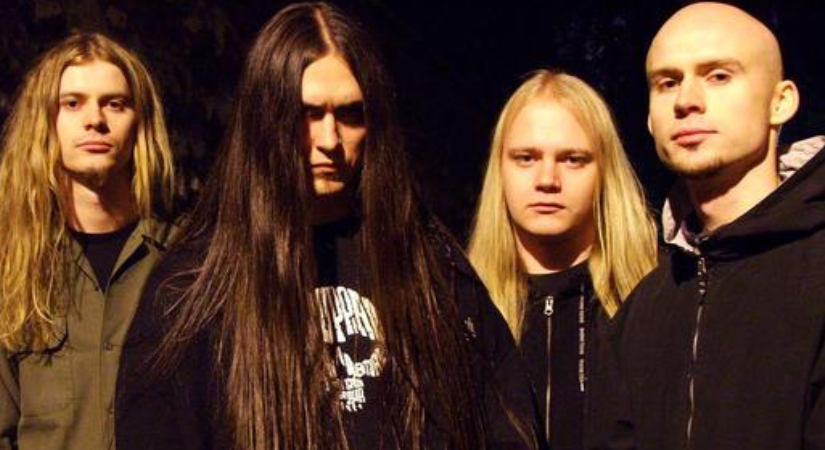
Formed in Krosno, Poland, in 1996, Decapitated began with brothers Wacław “Vogg” and Witold “Vitek” Kiełtyka, respectively the band’s guitarist and drummer. At the time, Vogg was just fifteen years old, while Vitek was only twelve. Despite their young age, they already shared a musical vision that would eventually make them leading figures in European technical death metal. Joined by vocalist Sauron and, in 1997, bassist Martin Rygiel, the brothers developed an increasingly technical and aggressive sound. Their first breakthrough came with Winds of Creation (2000), followed by Nihility (2002) and The Negation (2004). In 2006, Organic Hallucinosis pushed the band’s musical language even further. The following year, however, their story was shattered by a tragic road accident. On October 29, 2007, while traveling to a show in Belarus, the band’s tour bus collided with a truck in Russia. Vitek, just 23 years old, died on November 2 from the injuries he had sustained, while vocalist Adrian “Covan” Kowanek was left seriously injured. For Vogg, losing his brother was devastating, and continuing with Decapitated initially seemed unthinkable. After an extended hiatus, however, the guitarist decided to move forward with a new lineup in 2009. The band continues its journey today, but Vitek’s contribution remains an indelible part of its history. Decapitated were born out of the shared creativity of two brothers, and their identity still bears the mark of that bond.
Formed in Krosno, Poland, in 1996, Decapitated began with brothers Wacław “Vogg” and Witold “Vitek” Kiełtyka, respectively the band’s guitarist and drummer. At the time, Vogg was just fifteen years old, while Vitek was only twelve. Despite their young age, they already shared a musical vision that would eventually make them leading figures in European technical death metal. Joined by vocalist Sauron and, in 1997, bassist Martin Rygiel, the brothers developed an increasingly technical and aggressive sound. Their first breakthrough came with Winds of Creation (2000), followed by Nihility (2002) and The Negation (2004). In 2006, Organic Hallucinosis pushed the band’s musical language even further. The following year, however, their story was shattered by a tragic road accident. On October 29, 2007, while traveling to a show in Belarus, the band’s tour bus collided with a truck in Russia. Vitek, just 23 years old, died on November 2 from the injuries he had sustained, while vocalist Adrian “Covan” Kowanek was left seriously injured. For Vogg, losing his brother was devastating, and continuing with Decapitated initially seemed unthinkable. After an extended hiatus, however, the guitarist decided to move forward with a new lineup in 2009. The band continues its journey today, but Vitek’s contribution remains an indelible part of its history. Decapitated were born out of the shared creativity of two brothers, and their identity still bears the mark of that bond.
Formed in Krosno, Poland, in 1996, Decapitated began with brothers Wacław “Vogg” and Witold “Vitek” Kiełtyka, respectively the band’s guitarist and drummer. At the time, Vogg was just fifteen years old, while Vitek was only twelve. Despite their young age, they already shared a musical vision that would eventually make them leading figures in European technical death metal. Joined by vocalist Sauron and, in 1997, bassist Martin Rygiel, the brothers developed an increasingly technical and aggressive sound. Their first breakthrough came with Winds of Creation (2000), followed by Nihility (2002) and The Negation (2004). In 2006, Organic Hallucinosis pushed the band’s musical language even further. The following year, however, their story was shattered by a tragic road accident. On October 29, 2007, while traveling to a show in Belarus, the band’s tour bus collided with a truck in Russia. Vitek, just 23 years old, died on November 2 from the injuries he had sustained, while vocalist Adrian “Covan” Kowanek was left seriously injured. For Vogg, losing his brother was devastating, and continuing with Decapitated initially seemed unthinkable. After an extended hiatus, however, the guitarist decided to move forward with a new lineup in 2009. The band continues its journey today, but Vitek’s contribution remains an indelible part of its history. Decapitated were born out of the shared creativity of two brothers, and their identity still bears the mark of that bond.
Formed in Krosno, Poland, in 1996, Decapitated began with brothers Wacław “Vogg” and Witold “Vitek” Kiełtyka, respectively the band’s guitarist and drummer. At the time, Vogg was just fifteen years old, while Vitek was only twelve. Despite their young age, they already shared a musical vision that would eventually make them leading figures in European technical death metal. Joined by vocalist Sauron and, in 1997, bassist Martin Rygiel, the brothers developed an increasingly technical and aggressive sound. Their first breakthrough came with Winds of Creation (2000), followed by Nihility (2002) and The Negation (2004). In 2006, Organic Hallucinosis pushed the band’s musical language even further. The following year, however, their story was shattered by a tragic road accident. On October 29, 2007, while traveling to a show in Belarus, the band’s tour bus collided with a truck in Russia. Vitek, just 23 years old, died on November 2 from the injuries he had sustained, while vocalist Adrian “Covan” Kowanek was left seriously injured. For Vogg, losing his brother was devastating, and continuing with Decapitated initially seemed unthinkable. After an extended hiatus, however, the guitarist decided to move forward with a new lineup in 2009. The band continues its journey today, but Vitek’s contribution remains an indelible part of its history. Decapitated were born out of the shared creativity of two brothers, and their identity still bears the mark of that bond.
Formed in Krosno, Poland, in 1996, Decapitated began with brothers Wacław “Vogg” and Witold “Vitek” Kiełtyka, respectively the band’s guitarist and drummer. At the time, Vogg was just fifteen years old, while Vitek was only twelve. Despite their young age, they already shared a musical vision that would eventually make them leading figures in European technical death metal. Joined by vocalist Sauron and, in 1997, bassist Martin Rygiel, the brothers developed an increasingly technical and aggressive sound. Their first breakthrough came with Winds of Creation (2000), followed by Nihility (2002) and The Negation (2004). In 2006, Organic Hallucinosis pushed the band’s musical language even further. The following year, however, their story was shattered by a tragic road accident. On October 29, 2007, while traveling to a show in Belarus, the band’s tour bus collided with a truck in Russia. Vitek, just 23 years old, died on November 2 from the injuries he had sustained, while vocalist Adrian “Covan” Kowanek was left seriously injured. For Vogg, losing his brother was devastating, and continuing with Decapitated initially seemed unthinkable. After an extended hiatus, however, the guitarist decided to move forward with a new lineup in 2009. The band continues its journey today, but Vitek’s contribution remains an indelible part of its history. Decapitated were born out of the shared creativity of two brothers, and their identity still bears the mark of that bond.
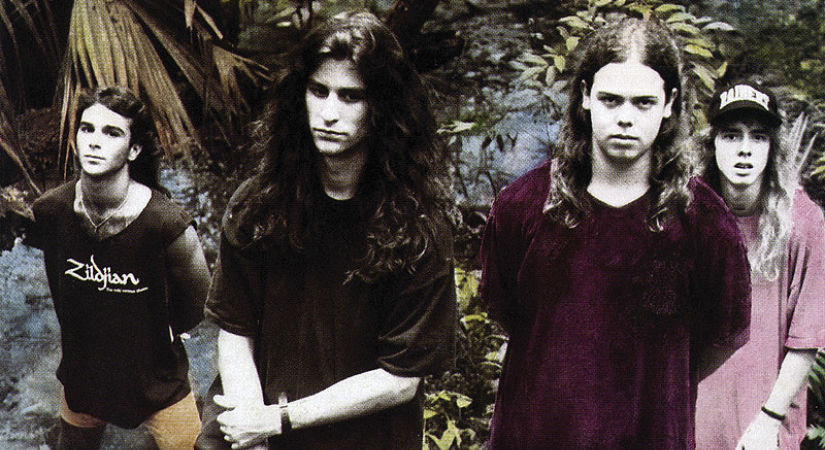
In late-1980s Florida, as American death metal was beginning to establish its defining characteristics, brothers Chad and Pat Bailey formed Killing Addiction in Ocala in 1989, alongside guitarist Chris Wicklein. With Chad on guitar and Pat handling bass and vocals, the band developed a distinctive, technical, and dark sound that went beyond a simple pursuit of speed. Following their early demos and the Necrosphere EP (1991), Killing Addiction released their debut album, Omega Factor, in 1993. Although the record never brought them the same level of recognition enjoyed by some of their contemporaries in the Florida scene, it secured their reputation within the underground. The band’s journey was far from straightforward, but the bond between the brothers remained a constant. After a lengthy hiatus, Killing Addiction returned in 2006, resuming a musical journey left unfinished and releasing new material in the following years, including the Shores of Oblivion EP (2016). That same year, however, Chad Bailey died from complications related to an organ transplant. His passing marked a profound turning point in the band’s history, but it could not erase his contribution to its identity. Pat has continued to carry the project forward, keeping the Killing Addiction name alive and honoring the path he and his brother began nearly three decades earlier.
In late-1980s Florida, as American death metal was beginning to establish its defining characteristics, brothers Chad and Pat Bailey formed Killing Addiction in Ocala in 1989, alongside guitarist Chris Wicklein. With Chad on guitar and Pat handling bass and vocals, the band developed a distinctive, technical, and dark sound that went beyond a simple pursuit of speed. Following their early demos and the Necrosphere EP (1991), Killing Addiction released their debut album, Omega Factor, in 1993. Although the record never brought them the same level of recognition enjoyed by some of their contemporaries in the Florida scene, it secured their reputation within the underground. The band’s journey was far from straightforward, but the bond between the brothers remained a constant. After a lengthy hiatus, Killing Addiction returned in 2006, resuming a musical journey left unfinished and releasing new material in the following years, including the Shores of Oblivion EP (2016). That same year, however, Chad Bailey died from complications related to an organ transplant. His passing marked a profound turning point in the band’s history, but it could not erase his contribution to its identity. Pat has continued to carry the project forward, keeping the Killing Addiction name alive and honoring the path he and his brother began nearly three decades earlier.
In late-1980s Florida, as American death metal was beginning to establish its defining characteristics, brothers Chad and Pat Bailey formed Killing Addiction in Ocala in 1989, alongside guitarist Chris Wicklein. With Chad on guitar and Pat handling bass and vocals, the band developed a distinctive, technical, and dark sound that went beyond a simple pursuit of speed. Following their early demos and the Necrosphere EP (1991), Killing Addiction released their debut album, Omega Factor, in 1993. Although the record never brought them the same level of recognition enjoyed by some of their contemporaries in the Florida scene, it secured their reputation within the underground. The band’s journey was far from straightforward, but the bond between the brothers remained a constant. After a lengthy hiatus, Killing Addiction returned in 2006, resuming a musical journey left unfinished and releasing new material in the following years, including the Shores of Oblivion EP (2016). That same year, however, Chad Bailey died from complications related to an organ transplant. His passing marked a profound turning point in the band’s history, but it could not erase his contribution to its identity. Pat has continued to carry the project forward, keeping the Killing Addiction name alive and honoring the path he and his brother began nearly three decades earlier.
In late-1980s Florida, as American death metal was beginning to establish its defining characteristics, brothers Chad and Pat Bailey formed Killing Addiction in Ocala in 1989, alongside guitarist Chris Wicklein. With Chad on guitar and Pat handling bass and vocals, the band developed a distinctive, technical, and dark sound that went beyond a simple pursuit of speed. Following their early demos and the Necrosphere EP (1991), Killing Addiction released their debut album, Omega Factor, in 1993. Although the record never brought them the same level of recognition enjoyed by some of their contemporaries in the Florida scene, it secured their reputation within the underground. The band’s journey was far from straightforward, but the bond between the brothers remained a constant. After a lengthy hiatus, Killing Addiction returned in 2006, resuming a musical journey left unfinished and releasing new material in the following years, including the Shores of Oblivion EP (2016). That same year, however, Chad Bailey died from complications related to an organ transplant. His passing marked a profound turning point in the band’s history, but it could not erase his contribution to its identity. Pat has continued to carry the project forward, keeping the Killing Addiction name alive and honoring the path he and his brother began nearly three decades earlier.
In late-1980s Florida, as American death metal was beginning to establish its defining characteristics, brothers Chad and Pat Bailey formed Killing Addiction in Ocala in 1989, alongside guitarist Chris Wicklein. With Chad on guitar and Pat handling bass and vocals, the band developed a distinctive, technical, and dark sound that went beyond a simple pursuit of speed. Following their early demos and the Necrosphere EP (1991), Killing Addiction released their debut album, Omega Factor, in 1993. Although the record never brought them the same level of recognition enjoyed by some of their contemporaries in the Florida scene, it secured their reputation within the underground. The band’s journey was far from straightforward, but the bond between the brothers remained a constant. After a lengthy hiatus, Killing Addiction returned in 2006, resuming a musical journey left unfinished and releasing new material in the following years, including the Shores of Oblivion EP (2016). That same year, however, Chad Bailey died from complications related to an organ transplant. His passing marked a profound turning point in the band’s history, but it could not erase his contribution to its identity. Pat has continued to carry the project forward, keeping the Killing Addiction name alive and honoring the path he and his brother began nearly three decades earlier.
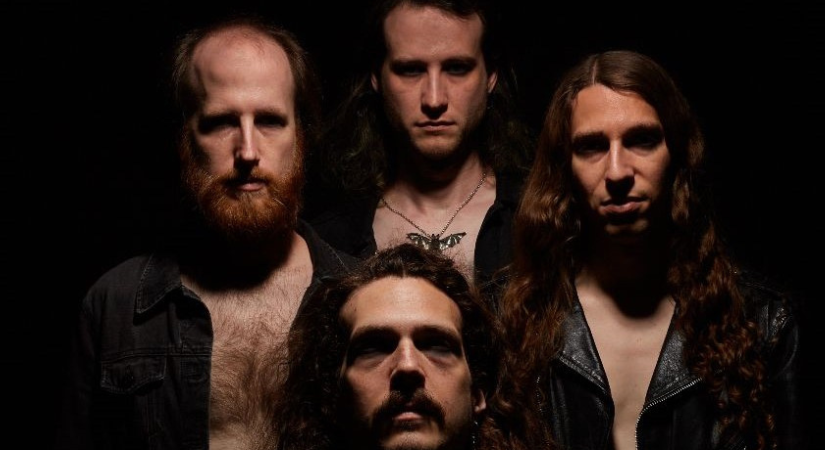
Long before founding Horrendous, brothers Matt and Jamie Knox had already spent years playing music together. Back in high school, they had performed in several punk-oriented bands, building a creative partnership that would eventually lead them in a very different direction. After enrolling at the University of South Carolina, they launched Horrendous in 2009, bringing in their friend Damian Herring and exploring sounds closer to death metal. Following the Sweet Blasphemies demo (2009), their debut album, The Chills (2012), revealed a band rooted in the death metal tradition but already developing a personality of its own. With Ecdysis (2014) and, especially, Anareta (2015), Horrendous progressively expanded their musical vocabulary, combining technical precision, melodic passages, and increasingly ambitious structures. The relationship between Matt and Jamie has remained a key element of that evolution. As the brothers have explained, playing together comes naturally because they have known each other’s musical instincts and working methods for so long. That familiarity allows them to experiment and push the band’s sound in new directions. Subsequent albums such as Idol (2018) and Ontological Mysterium (2023) further confirmed Horrendous’ ability to move beyond the boundaries of traditional death metal, demonstrating how a creative partnership forged long before the band’s formation can become a lasting artistic asset.
Long before founding Horrendous, brothers Matt and Jamie Knox had already spent years playing music together. Back in high school, they had performed in several punk-oriented bands, building a creative partnership that would eventually lead them in a very different direction. After enrolling at the University of South Carolina, they launched Horrendous in 2009, bringing in their friend Damian Herring and exploring sounds closer to death metal. Following the Sweet Blasphemies demo (2009), their debut album, The Chills (2012), revealed a band rooted in the death metal tradition but already developing a personality of its own. With Ecdysis (2014) and, especially, Anareta (2015), Horrendous progressively expanded their musical vocabulary, combining technical precision, melodic passages, and increasingly ambitious structures. The relationship between Matt and Jamie has remained a key element of that evolution. As the brothers have explained, playing together comes naturally because they have known each other’s musical instincts and working methods for so long. That familiarity allows them to experiment and push the band’s sound in new directions. Subsequent albums such as Idol (2018) and Ontological Mysterium (2023) further confirmed Horrendous’ ability to move beyond the boundaries of traditional death metal, demonstrating how a creative partnership forged long before the band’s formation can become a lasting artistic asset.
Long before founding Horrendous, brothers Matt and Jamie Knox had already spent years playing music together. Back in high school, they had performed in several punk-oriented bands, building a creative partnership that would eventually lead them in a very different direction. After enrolling at the University of South Carolina, they launched Horrendous in 2009, bringing in their friend Damian Herring and exploring sounds closer to death metal. Following the Sweet Blasphemies demo (2009), their debut album, The Chills (2012), revealed a band rooted in the death metal tradition but already developing a personality of its own. With Ecdysis (2014) and, especially, Anareta (2015), Horrendous progressively expanded their musical vocabulary, combining technical precision, melodic passages, and increasingly ambitious structures. The relationship between Matt and Jamie has remained a key element of that evolution. As the brothers have explained, playing together comes naturally because they have known each other’s musical instincts and working methods for so long. That familiarity allows them to experiment and push the band’s sound in new directions. Subsequent albums such as Idol (2018) and Ontological Mysterium (2023) further confirmed Horrendous’ ability to move beyond the boundaries of traditional death metal, demonstrating how a creative partnership forged long before the band’s formation can become a lasting artistic asset.
Long before founding Horrendous, brothers Matt and Jamie Knox had already spent years playing music together. Back in high school, they had performed in several punk-oriented bands, building a creative partnership that would eventually lead them in a very different direction. After enrolling at the University of South Carolina, they launched Horrendous in 2009, bringing in their friend Damian Herring and exploring sounds closer to death metal. Following the Sweet Blasphemies demo (2009), their debut album, The Chills (2012), revealed a band rooted in the death metal tradition but already developing a personality of its own. With Ecdysis (2014) and, especially, Anareta (2015), Horrendous progressively expanded their musical vocabulary, combining technical precision, melodic passages, and increasingly ambitious structures. The relationship between Matt and Jamie has remained a key element of that evolution. As the brothers have explained, playing together comes naturally because they have known each other’s musical instincts and working methods for so long. That familiarity allows them to experiment and push the band’s sound in new directions. Subsequent albums such as Idol (2018) and Ontological Mysterium (2023) further confirmed Horrendous’ ability to move beyond the boundaries of traditional death metal, demonstrating how a creative partnership forged long before the band’s formation can become a lasting artistic asset.
Long before founding Horrendous, brothers Matt and Jamie Knox had already spent years playing music together. Back in high school, they had performed in several punk-oriented bands, building a creative partnership that would eventually lead them in a very different direction. After enrolling at the University of South Carolina, they launched Horrendous in 2009, bringing in their friend Damian Herring and exploring sounds closer to death metal. Following the Sweet Blasphemies demo (2009), their debut album, The Chills (2012), revealed a band rooted in the death metal tradition but already developing a personality of its own. With Ecdysis (2014) and, especially, Anareta (2015), Horrendous progressively expanded their musical vocabulary, combining technical precision, melodic passages, and increasingly ambitious structures. The relationship between Matt and Jamie has remained a key element of that evolution. As the brothers have explained, playing together comes naturally because they have known each other’s musical instincts and working methods for so long. That familiarity allows them to experiment and push the band’s sound in new directions. Subsequent albums such as Idol (2018) and Ontological Mysterium (2023) further confirmed Horrendous’ ability to move beyond the boundaries of traditional death metal, demonstrating how a creative partnership forged long before the band’s formation can become a lasting artistic asset.
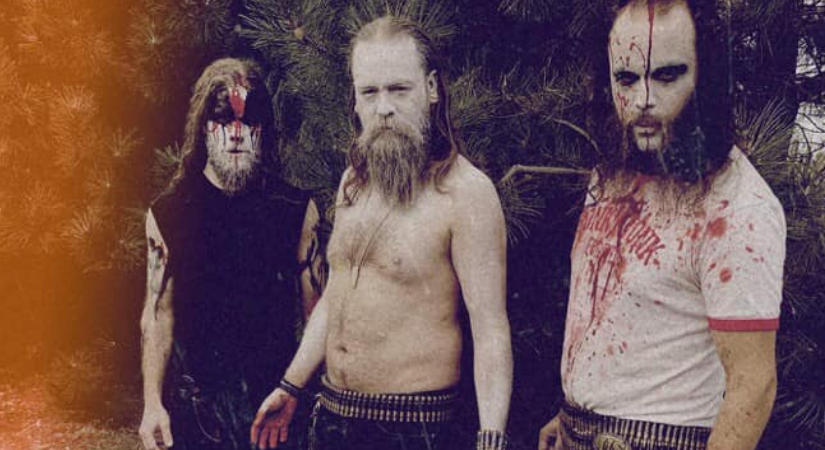
Before becoming a notable name in American blackened death metal, A Hill to Die Upon began as the project of two brothers from Illinois who wanted to play extreme music. Adam and R. Michael Cook founded the band in 2004, initially operating as a hardcore and metalcore duo, with Adam on guitar and vocals and Michael on drums. At the time, extreme black and death metal were not yet their primary points of reference, but their growing interest in both genres gradually transformed their musical vision. Their debut album, Infinite Titanic Immortal (2009), marked the beginning of a new chapter, which continued with Omens (2011) and Holy Despair (2014). Over the years, several musicians have passed through the lineup, but Adam and Michael have remained the band’s core, sharing artistic decisions and guiding its evolution. Their music also stands out for its exploration of historical, literary, mythological, and religious themes, all woven into an increasingly complex musical framework without sacrificing the intensity of their sound. With Via Artis, Via Mortis (2017) and The Black Nativity (2023), the Cook brothers have continued to explore new creative possibilities, proving that a project that began as little more than a shared pastime can evolve into an enduring artistic collaboration.
Before becoming a notable name in American blackened death metal, A Hill to Die Upon began as the project of two brothers from Illinois who wanted to play extreme music. Adam and R. Michael Cook founded the band in 2004, initially operating as a hardcore and metalcore duo, with Adam on guitar and vocals and Michael on drums. At the time, extreme black and death metal were not yet their primary points of reference, but their growing interest in both genres gradually transformed their musical vision. Their debut album, Infinite Titanic Immortal (2009), marked the beginning of a new chapter, which continued with Omens (2011) and Holy Despair (2014). Over the years, several musicians have passed through the lineup, but Adam and Michael have remained the band’s core, sharing artistic decisions and guiding its evolution. Their music also stands out for its exploration of historical, literary, mythological, and religious themes, all woven into an increasingly complex musical framework without sacrificing the intensity of their sound. With Via Artis, Via Mortis (2017) and The Black Nativity (2023), the Cook brothers have continued to explore new creative possibilities, proving that a project that began as little more than a shared pastime can evolve into an enduring artistic collaboration.
Before becoming a notable name in American blackened death metal, A Hill to Die Upon began as the project of two brothers from Illinois who wanted to play extreme music. Adam and R. Michael Cook founded the band in 2004, initially operating as a hardcore and metalcore duo, with Adam on guitar and vocals and Michael on drums. At the time, extreme black and death metal were not yet their primary points of reference, but their growing interest in both genres gradually transformed their musical vision. Their debut album, Infinite Titanic Immortal (2009), marked the beginning of a new chapter, which continued with Omens (2011) and Holy Despair (2014). Over the years, several musicians have passed through the lineup, but Adam and Michael have remained the band’s core, sharing artistic decisions and guiding its evolution. Their music also stands out for its exploration of historical, literary, mythological, and religious themes, all woven into an increasingly complex musical framework without sacrificing the intensity of their sound. With Via Artis, Via Mortis (2017) and The Black Nativity (2023), the Cook brothers have continued to explore new creative possibilities, proving that a project that began as little more than a shared pastime can evolve into an enduring artistic collaboration.
Before becoming a notable name in American blackened death metal, A Hill to Die Upon began as the project of two brothers from Illinois who wanted to play extreme music. Adam and R. Michael Cook founded the band in 2004, initially operating as a hardcore and metalcore duo, with Adam on guitar and vocals and Michael on drums. At the time, extreme black and death metal were not yet their primary points of reference, but their growing interest in both genres gradually transformed their musical vision. Their debut album, Infinite Titanic Immortal (2009), marked the beginning of a new chapter, which continued with Omens (2011) and Holy Despair (2014). Over the years, several musicians have passed through the lineup, but Adam and Michael have remained the band’s core, sharing artistic decisions and guiding its evolution. Their music also stands out for its exploration of historical, literary, mythological, and religious themes, all woven into an increasingly complex musical framework without sacrificing the intensity of their sound. With Via Artis, Via Mortis (2017) and The Black Nativity (2023), the Cook brothers have continued to explore new creative possibilities, proving that a project that began as little more than a shared pastime can evolve into an enduring artistic collaboration.
Before becoming a notable name in American blackened death metal, A Hill to Die Upon began as the project of two brothers from Illinois who wanted to play extreme music. Adam and R. Michael Cook founded the band in 2004, initially operating as a hardcore and metalcore duo, with Adam on guitar and vocals and Michael on drums. At the time, extreme black and death metal were not yet their primary points of reference, but their growing interest in both genres gradually transformed their musical vision. Their debut album, Infinite Titanic Immortal (2009), marked the beginning of a new chapter, which continued with Omens (2011) and Holy Despair (2014). Over the years, several musicians have passed through the lineup, but Adam and Michael have remained the band’s core, sharing artistic decisions and guiding its evolution. Their music also stands out for its exploration of historical, literary, mythological, and religious themes, all woven into an increasingly complex musical framework without sacrificing the intensity of their sound. With Via Artis, Via Mortis (2017) and The Black Nativity (2023), the Cook brothers have continued to explore new creative possibilities, proving that a project that began as little more than a shared pastime can evolve into an enduring artistic collaboration.


testo minimo
Related articles
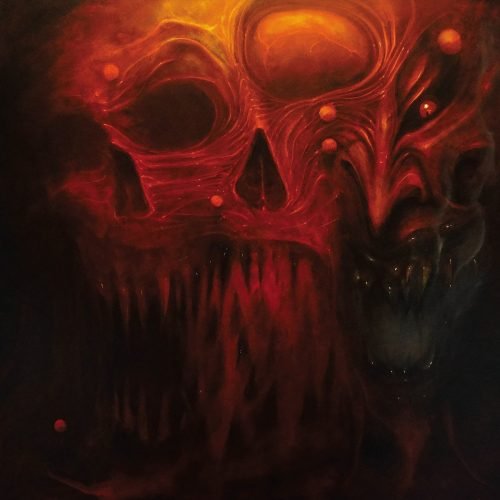
HORRENDOUS – Ontological Mysterium
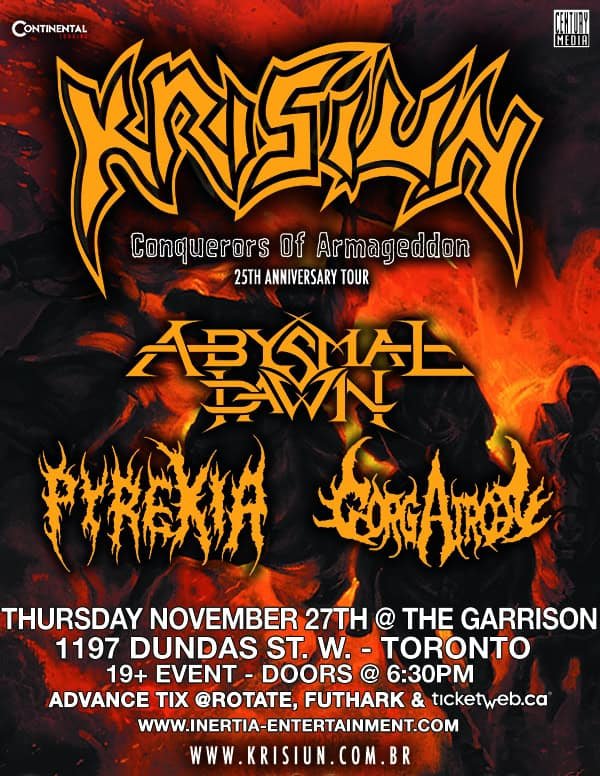
Krisiun+ Abysmal Dawn + Pyrexia + Gorgatron