


In metal, there are important figures, there are essential figures, and then there are the truly irreplaceable ones. These are the leads who defined the identity of a band or an entire subgenre, becoming icons not only for their own groups but for the global metal community.
The death of Ozzy Osbourne on July 22, 2025, marked yet another moment in which the metal world had to confront the loss of one of its greatest legends. But before him, other giants left behind the same kind of void: men who were never just the voice of a band, but its face, its soul, and its history. Their absence has never been something that could be filled.
That is why they continue to be remembered not merely as singers, but as legends that time—and metal itself—has never truly been able to replace.
In metal, there are important figures, there are essential figures, and then there are the truly irreplaceable ones. These are the leads who defined the identity of a band or an entire subgenre, becoming icons not only for their own groups but for the global metal community.
The death of Ozzy Osbourne on July 22, 2025, marked yet another moment in which the metal world had to confront the loss of one of its greatest legends. But before him, other giants left behind the same kind of void: men who were never just the voice of a band, but its face, its soul, and its history. Their absence has never been something that could be filled.
That is why they continue to be remembered not merely as singers, but as legends that time—and metal itself—has never truly been able to replace.
In metal, there are important figures, there are essential figures, and then there are the truly irreplaceable ones. These are the leads who defined the identity of a band or an entire subgenre, becoming icons not only for their own groups but for the global metal community.
The death of Ozzy Osbourne on July 22, 2025, marked yet another moment in which the metal world had to confront the loss of one of its greatest legends. But before him, other giants left behind the same kind of void: men who were never just the voice of a band, but its face, its soul, and its history. Their absence has never been something that could be filled.
That is why they continue to be remembered not merely as singers, but as legends that time—and metal itself—has never truly been able to replace.
In metal, there are important figures, there are essential figures, and then there are the truly irreplaceable ones. These are the leads who defined the identity of a band or an entire subgenre, becoming icons not only for their own groups but for the global metal community.
The death of Ozzy Osbourne on July 22, 2025, marked yet another moment in which the metal world had to confront the loss of one of its greatest legends. But before him, other giants left behind the same kind of void: men who were never just the voice of a band, but its face, its soul, and its history. Their absence has never been something that could be filled.
That is why they continue to be remembered not merely as singers, but as legends that time—and metal itself—has never truly been able to replace.
In metal, there are important figures, there are essential figures, and then there are the truly irreplaceable ones. These are the leads who defined the identity of a band or an entire subgenre, becoming icons not only for their own groups but for the global metal community.
The death of Ozzy Osbourne on July 22, 2025, marked yet another moment in which the metal world had to confront the loss of one of its greatest legends. But before him, other giants left behind the same kind of void: men who were never just the voice of a band, but its face, its soul, and its history. Their absence has never been something that could be filled.
That is why they continue to be remembered not merely as singers, but as legends that time—and metal itself—has never truly been able to replace.

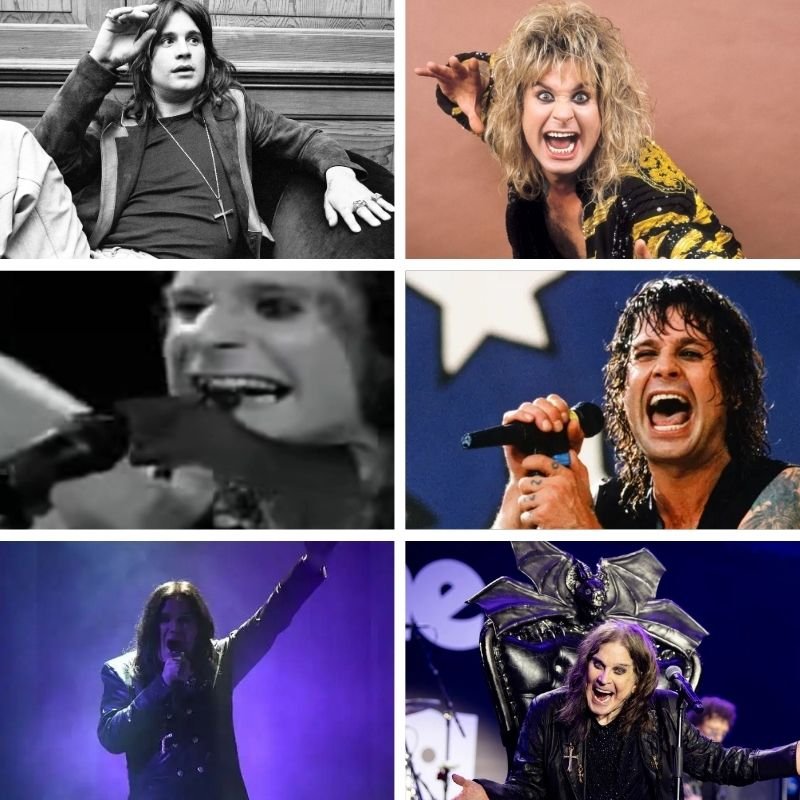
What would metal have been without Ozzy Osbourne? That is the first question anyone should ask when reflecting on the Prince of Darkness. The answer is obvious: without him, heavy metal as we know it would likely not exist. As the frontman of Black Sabbath, he helped create the very genre that generations of fans continue to celebrate today. Of course, Ozzy was not the only legendary singer to stand behind Tony Iommi’s riffs. The guitarist later recruited other iconic vocalists such as Ronnie James Dio, Tony Martin, and Ian Gillan. Yet Ozzy was the one who gave Black Sabbath its unmistakable identity through his haunting, melancholic, and unpredictable character. When he embarked on his solo career, that identity only grew stronger. Albums such as Blizzard of Ozz, Diary of a Madman, Bark at the Moon, and No More Tears cemented his legacy while introducing guitar heroes like Randy Rhoads, Jake E. Lee, and Zakk Wylde. Beyond his own music, Ozzy remained one of heavy metal’s greatest ambassadors until the very end. Through Ozzfest, he championed countless bands across every corner of the genre, helping shape and support the global metal scene for decades. Simply put, metal may never see another figure as iconic as Ozzy Osbourne.
What would metal have been without Ozzy Osbourne? That is the first question anyone should ask when reflecting on the Prince of Darkness. The answer is obvious: without him, heavy metal as we know it would likely not exist. As the frontman of Black Sabbath, he helped create the very genre that generations of fans continue to celebrate today. Of course, Ozzy was not the only legendary singer to stand behind Tony Iommi’s riffs. The guitarist later recruited other iconic vocalists such as Ronnie James Dio, Tony Martin, and Ian Gillan. Yet Ozzy was the one who gave Black Sabbath its unmistakable identity through his haunting, melancholic, and unpredictable character. When he embarked on his solo career, that identity only grew stronger. Albums such as Blizzard of Ozz, Diary of a Madman, Bark at the Moon, and No More Tears cemented his legacy while introducing guitar heroes like Randy Rhoads, Jake E. Lee, and Zakk Wylde. Beyond his own music, Ozzy remained one of heavy metal’s greatest ambassadors until the very end. Through Ozzfest, he championed countless bands across every corner of the genre, helping shape and support the global metal scene for decades. Simply put, metal may never see another figure as iconic as Ozzy Osbourne.
What would metal have been without Ozzy Osbourne? That is the first question anyone should ask when reflecting on the Prince of Darkness. The answer is obvious: without him, heavy metal as we know it would likely not exist. As the frontman of Black Sabbath, he helped create the very genre that generations of fans continue to celebrate today. Of course, Ozzy was not the only legendary singer to stand behind Tony Iommi’s riffs. The guitarist later recruited other iconic vocalists such as Ronnie James Dio, Tony Martin, and Ian Gillan. Yet Ozzy was the one who gave Black Sabbath its unmistakable identity through his haunting, melancholic, and unpredictable character. When he embarked on his solo career, that identity only grew stronger. Albums such as Blizzard of Ozz, Diary of a Madman, Bark at the Moon, and No More Tears cemented his legacy while introducing guitar heroes like Randy Rhoads, Jake E. Lee, and Zakk Wylde. Beyond his own music, Ozzy remained one of heavy metal’s greatest ambassadors until the very end. Through Ozzfest, he championed countless bands across every corner of the genre, helping shape and support the global metal scene for decades. Simply put, metal may never see another figure as iconic as Ozzy Osbourne.
What would metal have been without Ozzy Osbourne? That is the first question anyone should ask when reflecting on the Prince of Darkness. The answer is obvious: without him, heavy metal as we know it would likely not exist. As the frontman of Black Sabbath, he helped create the very genre that generations of fans continue to celebrate today. Of course, Ozzy was not the only legendary singer to stand behind Tony Iommi’s riffs. The guitarist later recruited other iconic vocalists such as Ronnie James Dio, Tony Martin, and Ian Gillan. Yet Ozzy was the one who gave Black Sabbath its unmistakable identity through his haunting, melancholic, and unpredictable character. When he embarked on his solo career, that identity only grew stronger. Albums such as Blizzard of Ozz, Diary of a Madman, Bark at the Moon, and No More Tears cemented his legacy while introducing guitar heroes like Randy Rhoads, Jake E. Lee, and Zakk Wylde. Beyond his own music, Ozzy remained one of heavy metal’s greatest ambassadors until the very end. Through Ozzfest, he championed countless bands across every corner of the genre, helping shape and support the global metal scene for decades. Simply put, metal may never see another figure as iconic as Ozzy Osbourne.
What would metal have been without Ozzy Osbourne? That is the first question anyone should ask when reflecting on the Prince of Darkness. The answer is obvious: without him, heavy metal as we know it would likely not exist. As the frontman of Black Sabbath, he helped create the very genre that generations of fans continue to celebrate today. Of course, Ozzy was not the only legendary singer to stand behind Tony Iommi’s riffs. The guitarist later recruited other iconic vocalists such as Ronnie James Dio, Tony Martin, and Ian Gillan. Yet Ozzy was the one who gave Black Sabbath its unmistakable identity through his haunting, melancholic, and unpredictable character. When he embarked on his solo career, that identity only grew stronger. Albums such as Blizzard of Ozz, Diary of a Madman, Bark at the Moon, and No More Tears cemented his legacy while introducing guitar heroes like Randy Rhoads, Jake E. Lee, and Zakk Wylde. Beyond his own music, Ozzy remained one of heavy metal’s greatest ambassadors until the very end. Through Ozzfest, he championed countless bands across every corner of the genre, helping shape and support the global metal scene for decades. Simply put, metal may never see another figure as iconic as Ozzy Osbourne.

No discussion about irreplaceable metal leads would be complete without Ronnie James Dio. Few artists have left such an extraordinary mark on heavy music. After achieving success with Rainbow, Dio took on the daunting task of replacing Ozzy Osbourne in Black Sabbath—a challenge many considered impossible. Yet he revitalized the band with classics such as Heaven and Hell and Mob Rules, proving that Black Sabbath could evolve without sacrificing their identity. His own band, Dio, then produced timeless masterpieces including Holy Diver, The Last in Line, and Dream Evil, establishing him as the definitive voice of epic and melodic heavy metal. His extraordinary vocal ability inspired generations of singers and set a standard that remains unmatched. His influence reached beyond music. Dio helped popularize the now-universal “devil horns” hand gesture, turning it into one of metal’s defining symbols. When he passed away in 2010, metal lost not only one of its greatest voices but one of its most respected ambassadors. More than a decade later, there is still no true successor to Ronnie James Dio—and perhaps there never will be.
No discussion about irreplaceable metal leads would be complete without Ronnie James Dio. Few artists have left such an extraordinary mark on heavy music. After achieving success with Rainbow, Dio took on the daunting task of replacing Ozzy Osbourne in Black Sabbath—a challenge many considered impossible. Yet he revitalized the band with classics such as Heaven and Hell and Mob Rules, proving that Black Sabbath could evolve without sacrificing their identity. His own band, Dio, then produced timeless masterpieces including Holy Diver, The Last in Line, and Dream Evil, establishing him as the definitive voice of epic and melodic heavy metal. His extraordinary vocal ability inspired generations of singers and set a standard that remains unmatched. His influence reached beyond music. Dio helped popularize the now-universal “devil horns” hand gesture, turning it into one of metal’s defining symbols. When he passed away in 2010, metal lost not only one of its greatest voices but one of its most respected ambassadors. More than a decade later, there is still no true successor to Ronnie James Dio—and perhaps there never will be.
No discussion about irreplaceable metal leads would be complete without Ronnie James Dio. Few artists have left such an extraordinary mark on heavy music. After achieving success with Rainbow, Dio took on the daunting task of replacing Ozzy Osbourne in Black Sabbath—a challenge many considered impossible. Yet he revitalized the band with classics such as Heaven and Hell and Mob Rules, proving that Black Sabbath could evolve without sacrificing their identity. His own band, Dio, then produced timeless masterpieces including Holy Diver, The Last in Line, and Dream Evil, establishing him as the definitive voice of epic and melodic heavy metal. His extraordinary vocal ability inspired generations of singers and set a standard that remains unmatched. His influence reached beyond music. Dio helped popularize the now-universal “devil horns” hand gesture, turning it into one of metal’s defining symbols. When he passed away in 2010, metal lost not only one of its greatest voices but one of its most respected ambassadors. More than a decade later, there is still no true successor to Ronnie James Dio—and perhaps there never will be.
No discussion about irreplaceable metal leads would be complete without Ronnie James Dio. Few artists have left such an extraordinary mark on heavy music. After achieving success with Rainbow, Dio took on the daunting task of replacing Ozzy Osbourne in Black Sabbath—a challenge many considered impossible. Yet he revitalized the band with classics such as Heaven and Hell and Mob Rules, proving that Black Sabbath could evolve without sacrificing their identity. His own band, Dio, then produced timeless masterpieces including Holy Diver, The Last in Line, and Dream Evil, establishing him as the definitive voice of epic and melodic heavy metal. His extraordinary vocal ability inspired generations of singers and set a standard that remains unmatched. His influence reached beyond music. Dio helped popularize the now-universal “devil horns” hand gesture, turning it into one of metal’s defining symbols. When he passed away in 2010, metal lost not only one of its greatest voices but one of its most respected ambassadors. More than a decade later, there is still no true successor to Ronnie James Dio—and perhaps there never will be.
No discussion about irreplaceable metal leads would be complete without Ronnie James Dio. Few artists have left such an extraordinary mark on heavy music. After achieving success with Rainbow, Dio took on the daunting task of replacing Ozzy Osbourne in Black Sabbath—a challenge many considered impossible. Yet he revitalized the band with classics such as Heaven and Hell and Mob Rules, proving that Black Sabbath could evolve without sacrificing their identity. His own band, Dio, then produced timeless masterpieces including Holy Diver, The Last in Line, and Dream Evil, establishing him as the definitive voice of epic and melodic heavy metal. His extraordinary vocal ability inspired generations of singers and set a standard that remains unmatched. His influence reached beyond music. Dio helped popularize the now-universal “devil horns” hand gesture, turning it into one of metal’s defining symbols. When he passed away in 2010, metal lost not only one of its greatest voices but one of its most respected ambassadors. More than a decade later, there is still no true successor to Ronnie James Dio—and perhaps there never will be.

There is simply no debating Lemmy Kilmister’s importance, originality, and impact on the world of heavy metal. With Motörhead, he forged a sound that tore down the barriers between heavy metal, hard rock, and punk, influencing generations of musicians across multiple scenes. Landmark albums such as Ace of Spades, Overkill, Bomber, and Iron Fist established Motörhead as one of heavy music’s most iconic bands, while Lemmy’s gravelly voice, overdriven bass tone, and relentless rhythms—equally rooted in rock ’n’ roll and a groundbreaking new sense of speed—helped redefine the genre itself. Yet Lemmy’s legacy extends far beyond his musicianship. His instantly recognizable look, immense charisma, and fiercely uncompromising personality made him a one-of-a-kind figure, turning him into the symbol of an entire generation that no one could ever hope to replicate. It’s no coincidence that after he died in 2015, Motörhead ceased to exist. Without the man who created it, the name had no meaning.
There is simply no debating Lemmy Kilmister’s importance, originality, and impact on the world of heavy metal. With Motörhead, he forged a sound that tore down the barriers between heavy metal, hard rock, and punk, influencing generations of musicians across multiple scenes. Landmark albums such as Ace of Spades, Overkill, Bomber, and Iron Fist established Motörhead as one of heavy music’s most iconic bands, while Lemmy’s gravelly voice, overdriven bass tone, and relentless rhythms—equally rooted in rock ’n’ roll and a groundbreaking new sense of speed—helped redefine the genre itself. Yet Lemmy’s legacy extends far beyond his musicianship. His instantly recognizable look, immense charisma, and fiercely uncompromising personality made him a one-of-a-kind figure, turning him into the symbol of an entire generation that no one could ever hope to replicate. It’s no coincidence that after he died in 2015, Motörhead ceased to exist. Without the man who created it, the name had no meaning.
There is simply no debating Lemmy Kilmister’s importance, originality, and impact on the world of heavy metal. With Motörhead, he forged a sound that tore down the barriers between heavy metal, hard rock, and punk, influencing generations of musicians across multiple scenes. Landmark albums such as Ace of Spades, Overkill, Bomber, and Iron Fist established Motörhead as one of heavy music’s most iconic bands, while Lemmy’s gravelly voice, overdriven bass tone, and relentless rhythms—equally rooted in rock ’n’ roll and a groundbreaking new sense of speed—helped redefine the genre itself. Yet Lemmy’s legacy extends far beyond his musicianship. His instantly recognizable look, immense charisma, and fiercely uncompromising personality made him a one-of-a-kind figure, turning him into the symbol of an entire generation that no one could ever hope to replicate. It’s no coincidence that after he died in 2015, Motörhead ceased to exist. Without the man who created it, the name had no meaning.
There is simply no debating Lemmy Kilmister’s importance, originality, and impact on the world of heavy metal. With Motörhead, he forged a sound that tore down the barriers between heavy metal, hard rock, and punk, influencing generations of musicians across multiple scenes. Landmark albums such as Ace of Spades, Overkill, Bomber, and Iron Fist established Motörhead as one of heavy music’s most iconic bands, while Lemmy’s gravelly voice, overdriven bass tone, and relentless rhythms—equally rooted in rock ’n’ roll and a groundbreaking new sense of speed—helped redefine the genre itself. Yet Lemmy’s legacy extends far beyond his musicianship. His instantly recognizable look, immense charisma, and fiercely uncompromising personality made him a one-of-a-kind figure, turning him into the symbol of an entire generation that no one could ever hope to replicate. It’s no coincidence that after he died in 2015, Motörhead ceased to exist. Without the man who created it, the name had no meaning.
There is simply no debating Lemmy Kilmister’s importance, originality, and impact on the world of heavy metal. With Motörhead, he forged a sound that tore down the barriers between heavy metal, hard rock, and punk, influencing generations of musicians across multiple scenes. Landmark albums such as Ace of Spades, Overkill, Bomber, and Iron Fist established Motörhead as one of heavy music’s most iconic bands, while Lemmy’s gravelly voice, overdriven bass tone, and relentless rhythms—equally rooted in rock ’n’ roll and a groundbreaking new sense of speed—helped redefine the genre itself. Yet Lemmy’s legacy extends far beyond his musicianship. His instantly recognizable look, immense charisma, and fiercely uncompromising personality made him a one-of-a-kind figure, turning him into the symbol of an entire generation that no one could ever hope to replicate. It’s no coincidence that after he died in 2015, Motörhead ceased to exist. Without the man who created it, the name had no meaning.

There is no question that Chuck Schuldiner belongs among metal’s truly irreplaceable figures. The heart, soul, and mastermind behind Death, Schuldiner became one of death metal’s defining architects, shaping not only the genre’s foundations but also its evolution. Although Death’s lineup changed repeatedly from one album to the next, Chuck remained the constant creative force, his vision becoming synonymous with innovation and brilliance. Every record—from Scream Bloody Gore to The Sound of Perseverance—represented another step forward, bearing his unmistakable creative signature and cementing Death as universally recognized as his creation. His passing in 2001 did not simply mark the end of the band—it robbed metal of one of its greatest innovators.
There is no question that Chuck Schuldiner belongs among metal’s truly irreplaceable figures. The heart, soul, and mastermind behind Death, Schuldiner became one of death metal’s defining architects, shaping not only the genre’s foundations but also its evolution. Although Death’s lineup changed repeatedly from one album to the next, Chuck remained the constant creative force, his vision becoming synonymous with innovation and brilliance. Every record—from Scream Bloody Gore to The Sound of Perseverance—represented another step forward, bearing his unmistakable creative signature and cementing Death as universally recognized as his creation. His passing in 2001 did not simply mark the end of the band—it robbed metal of one of its greatest innovators.
There is no question that Chuck Schuldiner belongs among metal’s truly irreplaceable figures. The heart, soul, and mastermind behind Death, Schuldiner became one of death metal’s defining architects, shaping not only the genre’s foundations but also its evolution. Although Death’s lineup changed repeatedly from one album to the next, Chuck remained the constant creative force, his vision becoming synonymous with innovation and brilliance. Every record—from Scream Bloody Gore to The Sound of Perseverance—represented another step forward, bearing his unmistakable creative signature and cementing Death as universally recognized as his creation. His passing in 2001 did not simply mark the end of the band—it robbed metal of one of its greatest innovators.
There is no question that Chuck Schuldiner belongs among metal’s truly irreplaceable figures. The heart, soul, and mastermind behind Death, Schuldiner became one of death metal’s defining architects, shaping not only the genre’s foundations but also its evolution. Although Death’s lineup changed repeatedly from one album to the next, Chuck remained the constant creative force, his vision becoming synonymous with innovation and brilliance. Every record—from Scream Bloody Gore to The Sound of Perseverance—represented another step forward, bearing his unmistakable creative signature and cementing Death as universally recognized as his creation. His passing in 2001 did not simply mark the end of the band—it robbed metal of one of its greatest innovators.
There is no question that Chuck Schuldiner belongs among metal’s truly irreplaceable figures. The heart, soul, and mastermind behind Death, Schuldiner became one of death metal’s defining architects, shaping not only the genre’s foundations but also its evolution. Although Death’s lineup changed repeatedly from one album to the next, Chuck remained the constant creative force, his vision becoming synonymous with innovation and brilliance. Every record—from Scream Bloody Gore to The Sound of Perseverance—represented another step forward, bearing his unmistakable creative signature and cementing Death as universally recognized as his creation. His passing in 2001 did not simply mark the end of the band—it robbed metal of one of its greatest innovators.

Once again, it’s worth asking: what would Bathory have been without Quorthon? The answer is simple—they never would have existed. Thomas "Quorthon" Forsberg was the visionary behind a project that forever changed the face of extreme metal. Bathory’s early releases, together with the self-titled debut, The Return...... and Under the Sign of the Black Mark, laid the foundations of black metal, while Hammerheart and Twilight of the Gods pioneered the Viking metal sound that would go on to inspire hundreds of bands. More than a frontman, Quorthon was an artistic visionary who continually reinvented himself without ever compromising his identity. His death in 2004 inevitably brought Bathory to an end, because the band and its creator were the same.
Once again, it’s worth asking: what would Bathory have been without Quorthon? The answer is simple—they never would have existed. Thomas "Quorthon" Forsberg was the visionary behind a project that forever changed the face of extreme metal. Bathory’s early releases, together with the self-titled debut, The Return...... and Under the Sign of the Black Mark, laid the foundations of black metal, while Hammerheart and Twilight of the Gods pioneered the Viking metal sound that would go on to inspire hundreds of bands. More than a frontman, Quorthon was an artistic visionary who continually reinvented himself without ever compromising his identity. His death in 2004 inevitably brought Bathory to an end, because the band and its creator were the same.
Once again, it’s worth asking: what would Bathory have been without Quorthon? The answer is simple—they never would have existed. Thomas "Quorthon" Forsberg was the visionary behind a project that forever changed the face of extreme metal. Bathory’s early releases, together with the self-titled debut, The Return...... and Under the Sign of the Black Mark, laid the foundations of black metal, while Hammerheart and Twilight of the Gods pioneered the Viking metal sound that would go on to inspire hundreds of bands. More than a frontman, Quorthon was an artistic visionary who continually reinvented himself without ever compromising his identity. His death in 2004 inevitably brought Bathory to an end, because the band and its creator were the same.
Once again, it’s worth asking: what would Bathory have been without Quorthon? The answer is simple—they never would have existed. Thomas "Quorthon" Forsberg was the visionary behind a project that forever changed the face of extreme metal. Bathory’s early releases, together with the self-titled debut, The Return...... and Under the Sign of the Black Mark, laid the foundations of black metal, while Hammerheart and Twilight of the Gods pioneered the Viking metal sound that would go on to inspire hundreds of bands. More than a frontman, Quorthon was an artistic visionary who continually reinvented himself without ever compromising his identity. His death in 2004 inevitably brought Bathory to an end, because the band and its creator were the same.
Once again, it’s worth asking: what would Bathory have been without Quorthon? The answer is simple—they never would have existed. Thomas "Quorthon" Forsberg was the visionary behind a project that forever changed the face of extreme metal. Bathory’s early releases, together with the self-titled debut, The Return...... and Under the Sign of the Black Mark, laid the foundations of black metal, while Hammerheart and Twilight of the Gods pioneered the Viking metal sound that would go on to inspire hundreds of bands. More than a frontman, Quorthon was an artistic visionary who continually reinvented himself without ever compromising his identity. His death in 2004 inevitably brought Bathory to an end, because the band and its creator were the same.

Peter Steele was far more than the frontman of Type O Negative—he was the band’s principal songwriter and creative driving force. With his unmistakably deep voice and lyrics steeped in melancholy, irony, and dark romance, Steele transformed the Brooklyn outfit into one of the defining names in gothic and doom metal. Albums such as Bloody Kisses, October Rust, World Coming Down, and Life Is Killing Me proved that crushing heaviness, haunting atmosphere, and memorable melodies could coexist without sacrificing an ounce of personality. When he passed away on April 14, 2010, metal lost not only one of its most charismatic and distinctive leads, but also the only person truly capable of embodying the essence of Type O Negative. Not surprisingly, the band chose not to continue, knowing they could never find anyone who could truly replace him.
Peter Steele was far more than the frontman of Type O Negative—he was the band’s principal songwriter and creative driving force. With his unmistakably deep voice and lyrics steeped in melancholy, irony, and dark romance, Steele transformed the Brooklyn outfit into one of the defining names in gothic and doom metal. Albums such as Bloody Kisses, October Rust, World Coming Down, and Life Is Killing Me proved that crushing heaviness, haunting atmosphere, and memorable melodies could coexist without sacrificing an ounce of personality. When he passed away on April 14, 2010, metal lost not only one of its most charismatic and distinctive leads, but also the only person truly capable of embodying the essence of Type O Negative. Not surprisingly, the band chose not to continue, knowing they could never find anyone who could truly replace him.
Peter Steele was far more than the frontman of Type O Negative—he was the band’s principal songwriter and creative driving force. With his unmistakably deep voice and lyrics steeped in melancholy, irony, and dark romance, Steele transformed the Brooklyn outfit into one of the defining names in gothic and doom metal. Albums such as Bloody Kisses, October Rust, World Coming Down, and Life Is Killing Me proved that crushing heaviness, haunting atmosphere, and memorable melodies could coexist without sacrificing an ounce of personality. When he passed away on April 14, 2010, metal lost not only one of its most charismatic and distinctive leads, but also the only person truly capable of embodying the essence of Type O Negative. Not surprisingly, the band chose not to continue, knowing they could never find anyone who could truly replace him.
Peter Steele was far more than the frontman of Type O Negative—he was the band’s principal songwriter and creative driving force. With his unmistakably deep voice and lyrics steeped in melancholy, irony, and dark romance, Steele transformed the Brooklyn outfit into one of the defining names in gothic and doom metal. Albums such as Bloody Kisses, October Rust, World Coming Down, and Life Is Killing Me proved that crushing heaviness, haunting atmosphere, and memorable melodies could coexist without sacrificing an ounce of personality. When he passed away on April 14, 2010, metal lost not only one of its most charismatic and distinctive leads, but also the only person truly capable of embodying the essence of Type O Negative. Not surprisingly, the band chose not to continue, knowing they could never find anyone who could truly replace him.
Peter Steele was far more than the frontman of Type O Negative—he was the band’s principal songwriter and creative driving force. With his unmistakably deep voice and lyrics steeped in melancholy, irony, and dark romance, Steele transformed the Brooklyn outfit into one of the defining names in gothic and doom metal. Albums such as Bloody Kisses, October Rust, World Coming Down, and Life Is Killing Me proved that crushing heaviness, haunting atmosphere, and memorable melodies could coexist without sacrificing an ounce of personality. When he passed away on April 14, 2010, metal lost not only one of its most charismatic and distinctive leads, but also the only person truly capable of embodying the essence of Type O Negative. Not surprisingly, the band chose not to continue, knowing they could never find anyone who could truly replace him.

Melodic death metal has produced many influential figures, but few are as iconic as Alexi Laiho. If Children of Bodom became one of the defining bands of the Finnish—and later the global—melodic death metal scene, much of the credit belongs to Laiho. His exceptional songwriting and extraordinary guitar playing made him a benchmark for generations of musicians through landmark albums such as Something Wild, Hatebreeder, and Follow the Reaper. Laiho passed away in 2020, just one year after the band’s breakup and shortly after launching his new project, Bodom After Midnight, which also came to an end following his death. Today, Children of Bodom have returned to the stage, but not as an attempt to replace Alexi. Instead, the reunion exists as a tribute to his legacy. Interim frontman Samy Elbanna has repeatedly made it clear that he has no intention of taking Laiho’s place, but only of honoring what he left behind. And that is precisely the point: Alexi Laiho can be celebrated, but he can never be replaced.
Melodic death metal has produced many influential figures, but few are as iconic as Alexi Laiho. If Children of Bodom became one of the defining bands of the Finnish—and later the global—melodic death metal scene, much of the credit belongs to Laiho. His exceptional songwriting and extraordinary guitar playing made him a benchmark for generations of musicians through landmark albums such as Something Wild, Hatebreeder, and Follow the Reaper. Laiho passed away in 2020, just one year after the band’s breakup and shortly after launching his new project, Bodom After Midnight, which also came to an end following his death. Today, Children of Bodom have returned to the stage, but not as an attempt to replace Alexi. Instead, the reunion exists as a tribute to his legacy. Interim frontman Samy Elbanna has repeatedly made it clear that he has no intention of taking Laiho’s place, but only of honoring what he left behind. And that is precisely the point: Alexi Laiho can be celebrated, but he can never be replaced.
Melodic death metal has produced many influential figures, but few are as iconic as Alexi Laiho. If Children of Bodom became one of the defining bands of the Finnish—and later the global—melodic death metal scene, much of the credit belongs to Laiho. His exceptional songwriting and extraordinary guitar playing made him a benchmark for generations of musicians through landmark albums such as Something Wild, Hatebreeder, and Follow the Reaper. Laiho passed away in 2020, just one year after the band’s breakup and shortly after launching his new project, Bodom After Midnight, which also came to an end following his death. Today, Children of Bodom have returned to the stage, but not as an attempt to replace Alexi. Instead, the reunion exists as a tribute to his legacy. Interim frontman Samy Elbanna has repeatedly made it clear that he has no intention of taking Laiho’s place, but only of honoring what he left behind. And that is precisely the point: Alexi Laiho can be celebrated, but he can never be replaced.
Melodic death metal has produced many influential figures, but few are as iconic as Alexi Laiho. If Children of Bodom became one of the defining bands of the Finnish—and later the global—melodic death metal scene, much of the credit belongs to Laiho. His exceptional songwriting and extraordinary guitar playing made him a benchmark for generations of musicians through landmark albums such as Something Wild, Hatebreeder, and Follow the Reaper. Laiho passed away in 2020, just one year after the band’s breakup and shortly after launching his new project, Bodom After Midnight, which also came to an end following his death. Today, Children of Bodom have returned to the stage, but not as an attempt to replace Alexi. Instead, the reunion exists as a tribute to his legacy. Interim frontman Samy Elbanna has repeatedly made it clear that he has no intention of taking Laiho’s place, but only of honoring what he left behind. And that is precisely the point: Alexi Laiho can be celebrated, but he can never be replaced.
Melodic death metal has produced many influential figures, but few are as iconic as Alexi Laiho. If Children of Bodom became one of the defining bands of the Finnish—and later the global—melodic death metal scene, much of the credit belongs to Laiho. His exceptional songwriting and extraordinary guitar playing made him a benchmark for generations of musicians through landmark albums such as Something Wild, Hatebreeder, and Follow the Reaper. Laiho passed away in 2020, just one year after the band’s breakup and shortly after launching his new project, Bodom After Midnight, which also came to an end following his death. Today, Children of Bodom have returned to the stage, but not as an attempt to replace Alexi. Instead, the reunion exists as a tribute to his legacy. Interim frontman Samy Elbanna has repeatedly made it clear that he has no intention of taking Laiho’s place, but only of honoring what he left behind. And that is precisely the point: Alexi Laiho can be celebrated, but he can never be replaced.

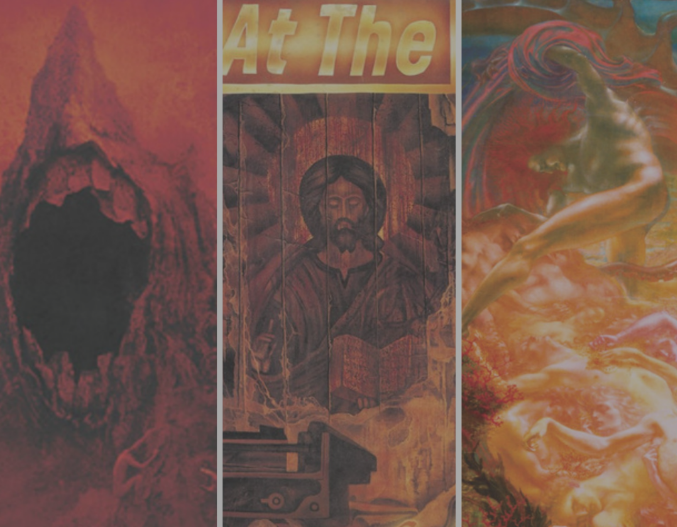
Staying within the melodic death metal realm, it is impossible to overlook another recent and deeply significant loss: Tomas Lindberg. At the Gates stand among the founding pillars of the genre, thanks to landmark releases such as The Red in the Sky Is Ours, Terminal Spirit Disease, and the undisputed masterpiece Slaughter of the Soul—albums shaped by Lindberg’s unmistakable voice and artistic identity. The impact was undeniable. These records were not only praised by fans and critics alike, but also became hugely influential on countless musicians who followed in their footsteps. His passing deprived At the Gates of their defining voice and left a void that will be extraordinarily difficult to fill. Regardless of what the band’s future may hold, some musicians transcend their role within a group and become symbols of an entire movement. Tomas Lindberg was unquestionably one of them.
Staying within the melodic death metal realm, it is impossible to overlook another recent and deeply significant loss: Tomas Lindberg. At the Gates stand among the founding pillars of the genre, thanks to landmark releases such as The Red in the Sky Is Ours, Terminal Spirit Disease, and the undisputed masterpiece Slaughter of the Soul—albums shaped by Lindberg’s unmistakable voice and artistic identity. The impact was undeniable. These records were not only praised by fans and critics alike, but also became hugely influential on countless musicians who followed in their footsteps. His passing deprived At the Gates of their defining voice and left a void that will be extraordinarily difficult to fill. Regardless of what the band’s future may hold, some musicians transcend their role within a group and become symbols of an entire movement. Tomas Lindberg was unquestionably one of them.
Staying within the melodic death metal realm, it is impossible to overlook another recent and deeply significant loss: Tomas Lindberg. At the Gates stand among the founding pillars of the genre, thanks to landmark releases such as The Red in the Sky Is Ours, Terminal Spirit Disease, and the undisputed masterpiece Slaughter of the Soul—albums shaped by Lindberg’s unmistakable voice and artistic identity. The impact was undeniable. These records were not only praised by fans and critics alike, but also became hugely influential on countless musicians who followed in their footsteps. His passing deprived At the Gates of their defining voice and left a void that will be extraordinarily difficult to fill. Regardless of what the band’s future may hold, some musicians transcend their role within a group and become symbols of an entire movement. Tomas Lindberg was unquestionably one of them.
Staying within the melodic death metal realm, it is impossible to overlook another recent and deeply significant loss: Tomas Lindberg. At the Gates stand among the founding pillars of the genre, thanks to landmark releases such as The Red in the Sky Is Ours, Terminal Spirit Disease, and the undisputed masterpiece Slaughter of the Soul—albums shaped by Lindberg’s unmistakable voice and artistic identity. The impact was undeniable. These records were not only praised by fans and critics alike, but also became hugely influential on countless musicians who followed in their footsteps. His passing deprived At the Gates of their defining voice and left a void that will be extraordinarily difficult to fill. Regardless of what the band’s future may hold, some musicians transcend their role within a group and become symbols of an entire movement. Tomas Lindberg was unquestionably one of them.
Staying within the melodic death metal realm, it is impossible to overlook another recent and deeply significant loss: Tomas Lindberg. At the Gates stand among the founding pillars of the genre, thanks to landmark releases such as The Red in the Sky Is Ours, Terminal Spirit Disease, and the undisputed masterpiece Slaughter of the Soul—albums shaped by Lindberg’s unmistakable voice and artistic identity. The impact was undeniable. These records were not only praised by fans and critics alike, but also became hugely influential on countless musicians who followed in their footsteps. His passing deprived At the Gates of their defining voice and left a void that will be extraordinarily difficult to fill. Regardless of what the band’s future may hold, some musicians transcend their role within a group and become symbols of an entire movement. Tomas Lindberg was unquestionably one of them.

Warrel Dane may not have achieved the same level of recognition as some of the other leads on this list, but his inclusion here is fully deserved. His legacy has always been inseparable from Nevermore, the band that blended power, thrash, and progressive metal into a sound defined by technical excellence, emotional intensity, and thought-provoking lyrics. As the group’s founder, leader, and creative mastermind, Dane was the driving force behind acclaimed albums such as The Politics of Ecstasy, Dead Heart in a Dead World, and Enemies of Reality, helping establish Nevermore as one of modern metal’s most respected bands. Following the band’s breakup in 2011, fans spent years hoping for a reunion. Dane’s untimely death in 2017 ultimately brought those hopes to an end. For that reason, Warrel Dane was never simply one of the most gifted frontmen of his generation—he was the very soul of a band that few have ever been able to imagine without him.
Warrel Dane may not have achieved the same level of recognition as some of the other leads on this list, but his inclusion here is fully deserved. His legacy has always been inseparable from Nevermore, the band that blended power, thrash, and progressive metal into a sound defined by technical excellence, emotional intensity, and thought-provoking lyrics. As the group’s founder, leader, and creative mastermind, Dane was the driving force behind acclaimed albums such as The Politics of Ecstasy, Dead Heart in a Dead World, and Enemies of Reality, helping establish Nevermore as one of modern metal’s most respected bands. Following the band’s breakup in 2011, fans spent years hoping for a reunion. Dane’s untimely death in 2017 ultimately brought those hopes to an end. For that reason, Warrel Dane was never simply one of the most gifted frontmen of his generation—he was the very soul of a band that few have ever been able to imagine without him.
Warrel Dane may not have achieved the same level of recognition as some of the other leads on this list, but his inclusion here is fully deserved. His legacy has always been inseparable from Nevermore, the band that blended power, thrash, and progressive metal into a sound defined by technical excellence, emotional intensity, and thought-provoking lyrics. As the group’s founder, leader, and creative mastermind, Dane was the driving force behind acclaimed albums such as The Politics of Ecstasy, Dead Heart in a Dead World, and Enemies of Reality, helping establish Nevermore as one of modern metal’s most respected bands. Following the band’s breakup in 2011, fans spent years hoping for a reunion. Dane’s untimely death in 2017 ultimately brought those hopes to an end. For that reason, Warrel Dane was never simply one of the most gifted frontmen of his generation—he was the very soul of a band that few have ever been able to imagine without him.
Warrel Dane may not have achieved the same level of recognition as some of the other leads on this list, but his inclusion here is fully deserved. His legacy has always been inseparable from Nevermore, the band that blended power, thrash, and progressive metal into a sound defined by technical excellence, emotional intensity, and thought-provoking lyrics. As the group’s founder, leader, and creative mastermind, Dane was the driving force behind acclaimed albums such as The Politics of Ecstasy, Dead Heart in a Dead World, and Enemies of Reality, helping establish Nevermore as one of modern metal’s most respected bands. Following the band’s breakup in 2011, fans spent years hoping for a reunion. Dane’s untimely death in 2017 ultimately brought those hopes to an end. For that reason, Warrel Dane was never simply one of the most gifted frontmen of his generation—he was the very soul of a band that few have ever been able to imagine without him.
Warrel Dane may not have achieved the same level of recognition as some of the other leads on this list, but his inclusion here is fully deserved. His legacy has always been inseparable from Nevermore, the band that blended power, thrash, and progressive metal into a sound defined by technical excellence, emotional intensity, and thought-provoking lyrics. As the group’s founder, leader, and creative mastermind, Dane was the driving force behind acclaimed albums such as The Politics of Ecstasy, Dead Heart in a Dead World, and Enemies of Reality, helping establish Nevermore as one of modern metal’s most respected bands. Following the band’s breakup in 2011, fans spent years hoping for a reunion. Dane’s untimely death in 2017 ultimately brought those hopes to an end. For that reason, Warrel Dane was never simply one of the most gifted frontmen of his generation—he was the very soul of a band that few have ever been able to imagine without him.


testo minimo
Related articles
Ozzy Osbourne: From Darkness to Legend – Part one

AT THE GATES – Slaughter of the Soul