

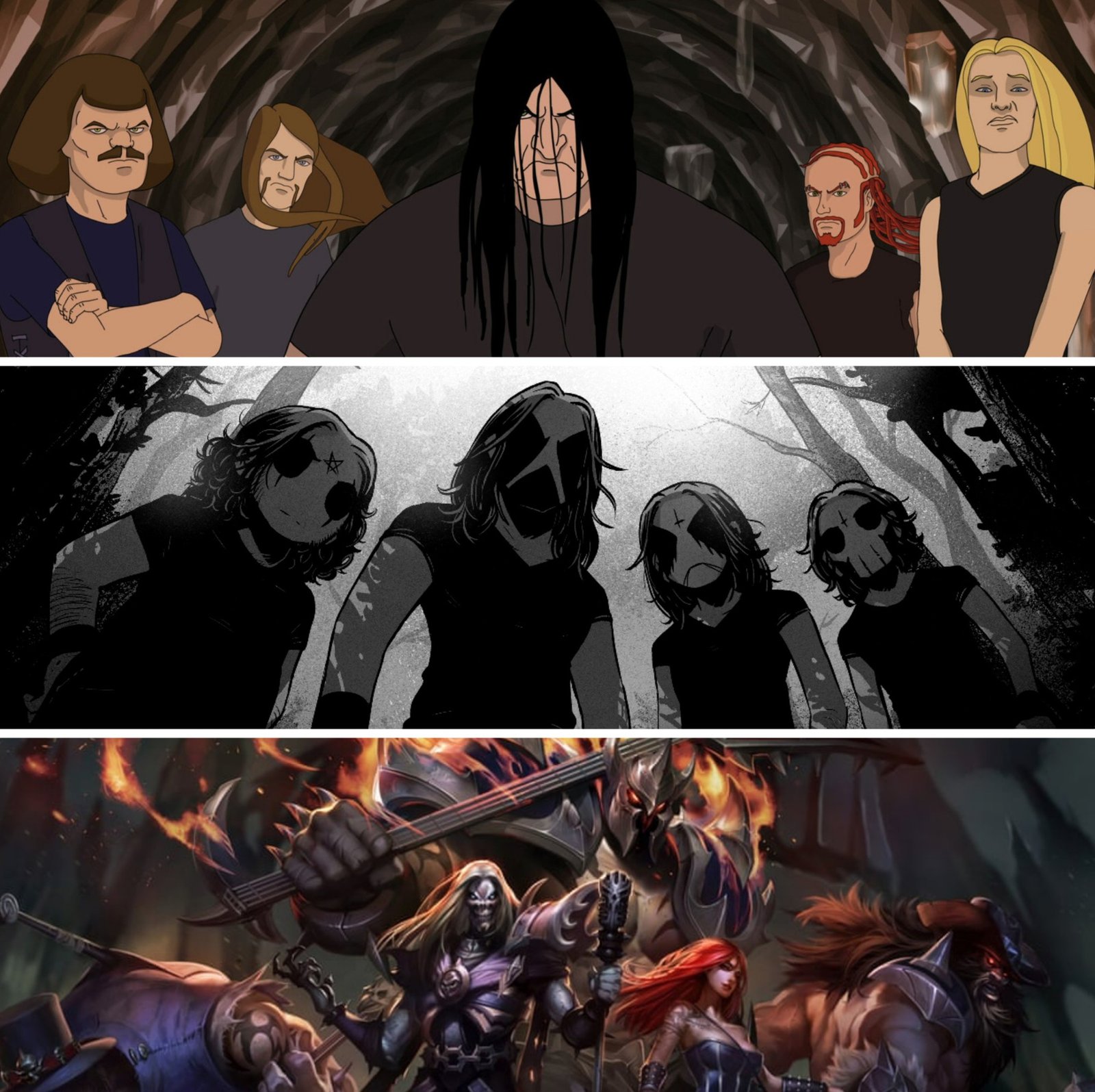
Exploring metal from top to bottom, you encounter all kinds of bands: from large ensembles to solo projects, from groups built around a specific theme to the most prolific acts with seemingly endless discographies. Many of them are truly bizarre, and among these, virtual bands undoubtedly stand out.
In this particular category—far removed from purely AI-generated music—are bands entirely composed of fictional members, yet performing original music thanks to real-life musicians.
The most famous example is Gorillaz, known for hits like Clint Eastwood and Demon Days, created by Damon Albarn, frontman of Blur, who crafted the identities of all the characters.
This model can also be found in extreme music, where bands that don’t physically exist still have their own identity, full discography, and have even performed live tours.
Exploring metal from top to bottom, you encounter all kinds of bands: from large ensembles to solo projects, from groups built around a specific theme to the most prolific acts with seemingly endless discographies. Many of them are truly bizarre, and among these, virtual bands undoubtedly stand out.
In this particular category—far removed from purely AI-generated music—are bands entirely composed of fictional members, yet performing original music thanks to real-life musicians.
The most famous example is Gorillaz, known for hits like Clint Eastwood and Demon Days, created by Damon Albarn, frontman of Blur, who crafted the identities of all the characters.
This model can also be found in extreme music, where bands that don’t physically exist still have their own identity, full discography, and have even performed live tours.
Exploring metal from top to bottom, you encounter all kinds of bands: from large ensembles to solo projects, from groups built around a specific theme to the most prolific acts with seemingly endless discographies. Many of them are truly bizarre, and among these, virtual bands undoubtedly stand out.
In this particular category—far removed from purely AI-generated music—are bands entirely composed of fictional members, yet performing original music thanks to real-life musicians.
The most famous example is Gorillaz, known for hits like Clint Eastwood and Demon Days, created by Damon Albarn, frontman of Blur, who crafted the identities of all the characters.
This model can also be found in extreme music, where bands that don’t physically exist still have their own identity, full discography, and have even performed live tours.
Exploring metal from top to bottom, you encounter all kinds of bands: from large ensembles to solo projects, from groups built around a specific theme to the most prolific acts with seemingly endless discographies. Many of them are truly bizarre, and among these, virtual bands undoubtedly stand out.
In this particular category—far removed from purely AI-generated music—are bands entirely composed of fictional members, yet performing original music thanks to real-life musicians.
The most famous example is Gorillaz, known for hits like Clint Eastwood and Demon Days, created by Damon Albarn, frontman of Blur, who crafted the identities of all the characters.
This model can also be found in extreme music, where bands that don’t physically exist still have their own identity, full discography, and have even performed live tours.
Exploring metal from top to bottom, you encounter all kinds of bands: from large ensembles to solo projects, from groups built around a specific theme to the most prolific acts with seemingly endless discographies. Many of them are truly bizarre, and among these, virtual bands undoubtedly stand out.
In this particular category—far removed from purely AI-generated music—are bands entirely composed of fictional members, yet performing original music thanks to real-life musicians.
The most famous example is Gorillaz, known for hits like Clint Eastwood and Demon Days, created by Damon Albarn, frontman of Blur, who crafted the identities of all the characters.
This model can also be found in extreme music, where bands that don’t physically exist still have their own identity, full discography, and have even performed live tours.
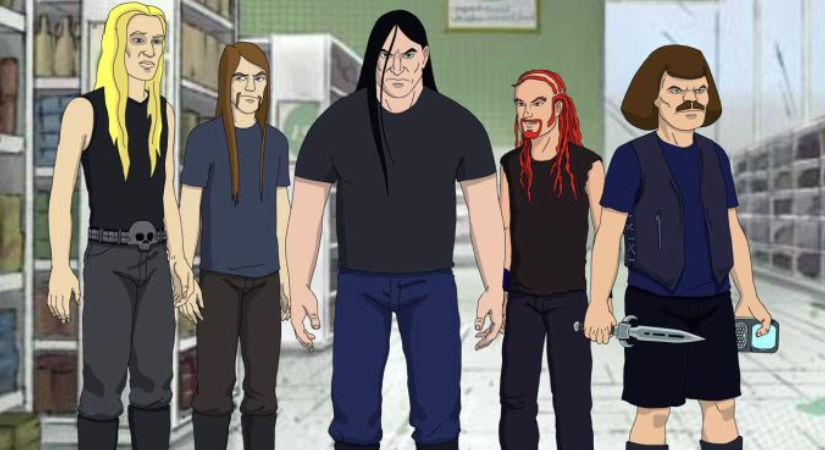
How can an animated band become real? It sounds absurd, but Brendon Small, a U.S. actor and producer with a lifelong passion for metal, made it happen. In 2006, alongside his friend Tommy Blacha, he created the animated series Metalocalypse, featuring Dethklok—a melodic death metal band notorious in-universe for its dark, grotesque, and satirical lyrics. Here’s the twist: fictional members Nathan Explosion (vocals), Skwisgaar Skwigelf (lead guitar), Toki Wartooth (rhythm guitar), William Murderface (bass), and Pickles the Drummer (drums) perform entirely original songs, all composed by Small. With contributions from Gene Hoglan and Bryan Beller, Dethklok became a real touring band, sharing stages with Mastodon, Converge, and High on Fire. Not bad for a cartoon band!
How can an animated band become real? It sounds absurd, but Brendon Small, a U.S. actor and producer with a lifelong passion for metal, made it happen. In 2006, alongside his friend Tommy Blacha, he created the animated series Metalocalypse, featuring Dethklok—a melodic death metal band notorious in-universe for its dark, grotesque, and satirical lyrics. Here’s the twist: fictional members Nathan Explosion (vocals), Skwisgaar Skwigelf (lead guitar), Toki Wartooth (rhythm guitar), William Murderface (bass), and Pickles the Drummer (drums) perform entirely original songs, all composed by Small. With contributions from Gene Hoglan and Bryan Beller, Dethklok became a real touring band, sharing stages with Mastodon, Converge, and High on Fire. Not bad for a cartoon band!
How can an animated band become real? It sounds absurd, but Brendon Small, a U.S. actor and producer with a lifelong passion for metal, made it happen. In 2006, alongside his friend Tommy Blacha, he created the animated series Metalocalypse, featuring Dethklok—a melodic death metal band notorious in-universe for its dark, grotesque, and satirical lyrics. Here’s the twist: fictional members Nathan Explosion (vocals), Skwisgaar Skwigelf (lead guitar), Toki Wartooth (rhythm guitar), William Murderface (bass), and Pickles the Drummer (drums) perform entirely original songs, all composed by Small. With contributions from Gene Hoglan and Bryan Beller, Dethklok became a real touring band, sharing stages with Mastodon, Converge, and High on Fire. Not bad for a cartoon band!
How can an animated band become real? It sounds absurd, but Brendon Small, a U.S. actor and producer with a lifelong passion for metal, made it happen. In 2006, alongside his friend Tommy Blacha, he created the animated series Metalocalypse, featuring Dethklok—a melodic death metal band notorious in-universe for its dark, grotesque, and satirical lyrics. Here’s the twist: fictional members Nathan Explosion (vocals), Skwisgaar Skwigelf (lead guitar), Toki Wartooth (rhythm guitar), William Murderface (bass), and Pickles the Drummer (drums) perform entirely original songs, all composed by Small. With contributions from Gene Hoglan and Bryan Beller, Dethklok became a real touring band, sharing stages with Mastodon, Converge, and High on Fire. Not bad for a cartoon band!
How can an animated band become real? It sounds absurd, but Brendon Small, a U.S. actor and producer with a lifelong passion for metal, made it happen. In 2006, alongside his friend Tommy Blacha, he created the animated series Metalocalypse, featuring Dethklok—a melodic death metal band notorious in-universe for its dark, grotesque, and satirical lyrics. Here’s the twist: fictional members Nathan Explosion (vocals), Skwisgaar Skwigelf (lead guitar), Toki Wartooth (rhythm guitar), William Murderface (bass), and Pickles the Drummer (drums) perform entirely original songs, all composed by Small. With contributions from Gene Hoglan and Bryan Beller, Dethklok became a real touring band, sharing stages with Mastodon, Converge, and High on Fire. Not bad for a cartoon band!
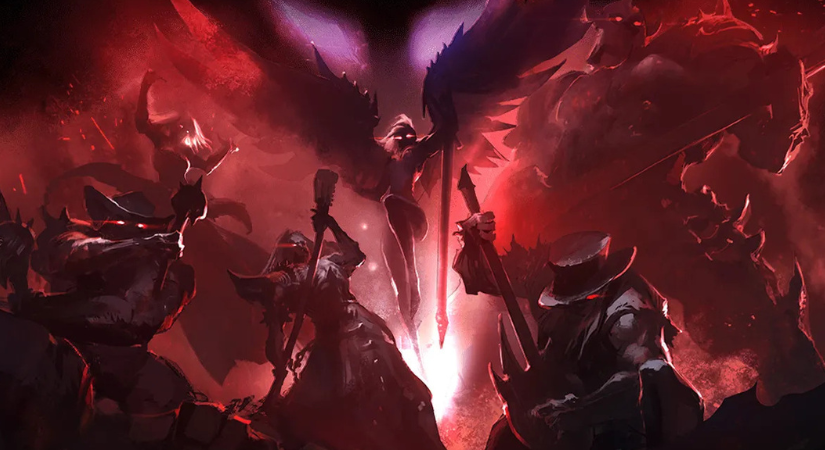
Imagine characters from a fantasy video game forming a band, performing live, and releasing albums. It seems impossible—until Pentakill. Created in 2014 by Riot Games, the developers of League of Legends, the band features characters Karthus (vocals), Mordekaiser (guitar), Yorick (bass), Sona (keyboards), Olaf (drums), and Kayle (female vocals). The albums Smite and Ignite (2014), II: Grasp of the Undying (2017), and III: Lost Chapter (2021) deliver power metal with prog and melodic elements, performed by seasoned musicians like Jørn Lande (Karthus) and Noora Louhimo (Kayle) of Battle Beast. The project gained recognition well beyond the game’s community.
Imagine characters from a fantasy video game forming a band, performing live, and releasing albums. It seems impossible—until Pentakill. Created in 2014 by Riot Games, the developers of League of Legends, the band features characters Karthus (vocals), Mordekaiser (guitar), Yorick (bass), Sona (keyboards), Olaf (drums), and Kayle (female vocals). The albums Smite and Ignite (2014), II: Grasp of the Undying (2017), and III: Lost Chapter (2021) deliver power metal with prog and melodic elements, performed by seasoned musicians like Jørn Lande (Karthus) and Noora Louhimo (Kayle) of Battle Beast. The project gained recognition well beyond the game’s community.
Imagine characters from a fantasy video game forming a band, performing live, and releasing albums. It seems impossible—until Pentakill. Created in 2014 by Riot Games, the developers of League of Legends, the band features characters Karthus (vocals), Mordekaiser (guitar), Yorick (bass), Sona (keyboards), Olaf (drums), and Kayle (female vocals). The albums Smite and Ignite (2014), II: Grasp of the Undying (2017), and III: Lost Chapter (2021) deliver power metal with prog and melodic elements, performed by seasoned musicians like Jørn Lande (Karthus) and Noora Louhimo (Kayle) of Battle Beast. The project gained recognition well beyond the game’s community.
Imagine characters from a fantasy video game forming a band, performing live, and releasing albums. It seems impossible—until Pentakill. Created in 2014 by Riot Games, the developers of League of Legends, the band features characters Karthus (vocals), Mordekaiser (guitar), Yorick (bass), Sona (keyboards), Olaf (drums), and Kayle (female vocals). The albums Smite and Ignite (2014), II: Grasp of the Undying (2017), and III: Lost Chapter (2021) deliver power metal with prog and melodic elements, performed by seasoned musicians like Jørn Lande (Karthus) and Noora Louhimo (Kayle) of Battle Beast. The project gained recognition well beyond the game’s community.
Imagine characters from a fantasy video game forming a band, performing live, and releasing albums. It seems impossible—until Pentakill. Created in 2014 by Riot Games, the developers of League of Legends, the band features characters Karthus (vocals), Mordekaiser (guitar), Yorick (bass), Sona (keyboards), Olaf (drums), and Kayle (female vocals). The albums Smite and Ignite (2014), II: Grasp of the Undying (2017), and III: Lost Chapter (2021) deliver power metal with prog and melodic elements, performed by seasoned musicians like Jørn Lande (Karthus) and Noora Louhimo (Kayle) of Battle Beast. The project gained recognition well beyond the game’s community.
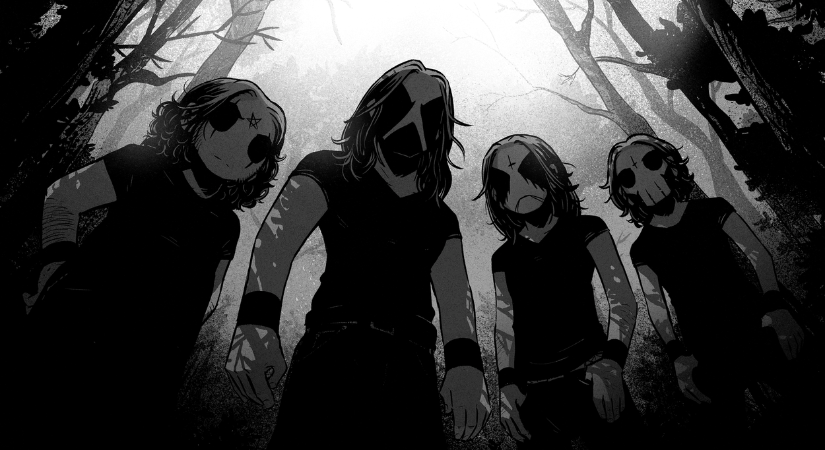
Creating a band is one thing; creating one through a comic and turning it into a real project is another. In 2014, Finnish illustrator JP Ahonen introduced three characters—Sløth, Izkarioth, and Hubbath—forming a fictional band in 2002. After early setbacks and lost albums, the band “reformed” in 2015, coinciding with Ahonen’s return to music as a former member of gothic metal band Wolfpack. The result was Pantheon of the Nightside Gods (2019), a melodic blackened death metal album released via Century Media Records, performed by anonymous musicians. Many speculate that Niilo Sevänen of Insomnium handled the vocals, but what matters most is the album’s exceptional quality.
Creating a band is one thing; creating one through a comic and turning it into a real project is another. In 2014, Finnish illustrator JP Ahonen introduced three characters—Sløth, Izkarioth, and Hubbath—forming a fictional band in 2002. After early setbacks and lost albums, the band “reformed” in 2015, coinciding with Ahonen’s return to music as a former member of gothic metal band Wolfpack. The result was Pantheon of the Nightside Gods (2019), a melodic blackened death metal album released via Century Media Records, performed by anonymous musicians. Many speculate that Niilo Sevänen of Insomnium handled the vocals, but what matters most is the album’s exceptional quality.
Creating a band is one thing; creating one through a comic and turning it into a real project is another. In 2014, Finnish illustrator JP Ahonen introduced three characters—Sløth, Izkarioth, and Hubbath—forming a fictional band in 2002. After early setbacks and lost albums, the band “reformed” in 2015, coinciding with Ahonen’s return to music as a former member of gothic metal band Wolfpack. The result was Pantheon of the Nightside Gods (2019), a melodic blackened death metal album released via Century Media Records, performed by anonymous musicians. Many speculate that Niilo Sevänen of Insomnium handled the vocals, but what matters most is the album’s exceptional quality.
Creating a band is one thing; creating one through a comic and turning it into a real project is another. In 2014, Finnish illustrator JP Ahonen introduced three characters—Sløth, Izkarioth, and Hubbath—forming a fictional band in 2002. After early setbacks and lost albums, the band “reformed” in 2015, coinciding with Ahonen’s return to music as a former member of gothic metal band Wolfpack. The result was Pantheon of the Nightside Gods (2019), a melodic blackened death metal album released via Century Media Records, performed by anonymous musicians. Many speculate that Niilo Sevänen of Insomnium handled the vocals, but what matters most is the album’s exceptional quality.
Creating a band is one thing; creating one through a comic and turning it into a real project is another. In 2014, Finnish illustrator JP Ahonen introduced three characters—Sløth, Izkarioth, and Hubbath—forming a fictional band in 2002. After early setbacks and lost albums, the band “reformed” in 2015, coinciding with Ahonen’s return to music as a former member of gothic metal band Wolfpack. The result was Pantheon of the Nightside Gods (2019), a melodic blackened death metal album released via Century Media Records, performed by anonymous musicians. Many speculate that Niilo Sevänen of Insomnium handled the vocals, but what matters most is the album’s exceptional quality.
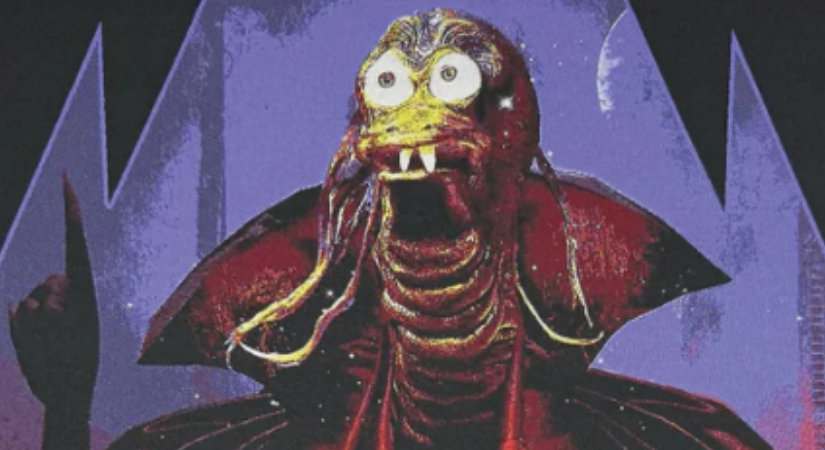
Someone might wonder who is this character and why he’s so peculiar. Behind the alien with a giant head and outsized ego—the self-proclaimed “omniscient”—is Canadian musician Devin Townsend. Ziltoid stars in the concept album Ziltoid the Omniscient and its sequel Z², both primarily performed by Townsend. The character’s quest is simple yet absurd: a cup of coffee. Dissatisfied with the service on Earth, Ziltoid launches an epic, surreal invasion. Over time, he has become a fictional alter ego through which Townsend explores progressive metal, rock opera, and sci-fi satire.
Someone might wonder who is this character and why he’s so peculiar. Behind the alien with a giant head and outsized ego—the self-proclaimed “omniscient”—is Canadian musician Devin Townsend. Ziltoid stars in the concept album Ziltoid the Omniscient and its sequel Z², both primarily performed by Townsend. The character’s quest is simple yet absurd: a cup of coffee. Dissatisfied with the service on Earth, Ziltoid launches an epic, surreal invasion. Over time, he has become a fictional alter ego through which Townsend explores progressive metal, rock opera, and sci-fi satire.
Someone might wonder who is this character and why he’s so peculiar. Behind the alien with a giant head and outsized ego—the self-proclaimed “omniscient”—is Canadian musician Devin Townsend. Ziltoid stars in the concept album Ziltoid the Omniscient and its sequel Z², both primarily performed by Townsend. The character’s quest is simple yet absurd: a cup of coffee. Dissatisfied with the service on Earth, Ziltoid launches an epic, surreal invasion. Over time, he has become a fictional alter ego through which Townsend explores progressive metal, rock opera, and sci-fi satire.
Someone might wonder who is this character and why he’s so peculiar. Behind the alien with a giant head and outsized ego—the self-proclaimed “omniscient”—is Canadian musician Devin Townsend. Ziltoid stars in the concept album Ziltoid the Omniscient and its sequel Z², both primarily performed by Townsend. The character’s quest is simple yet absurd: a cup of coffee. Dissatisfied with the service on Earth, Ziltoid launches an epic, surreal invasion. Over time, he has become a fictional alter ego through which Townsend explores progressive metal, rock opera, and sci-fi satire.
Someone might wonder who is this character and why he’s so peculiar. Behind the alien with a giant head and outsized ego—the self-proclaimed “omniscient”—is Canadian musician Devin Townsend. Ziltoid stars in the concept album Ziltoid the Omniscient and its sequel Z², both primarily performed by Townsend. The character’s quest is simple yet absurd: a cup of coffee. Dissatisfied with the service on Earth, Ziltoid launches an epic, surreal invasion. Over time, he has become a fictional alter ego through which Townsend explores progressive metal, rock opera, and sci-fi satire.
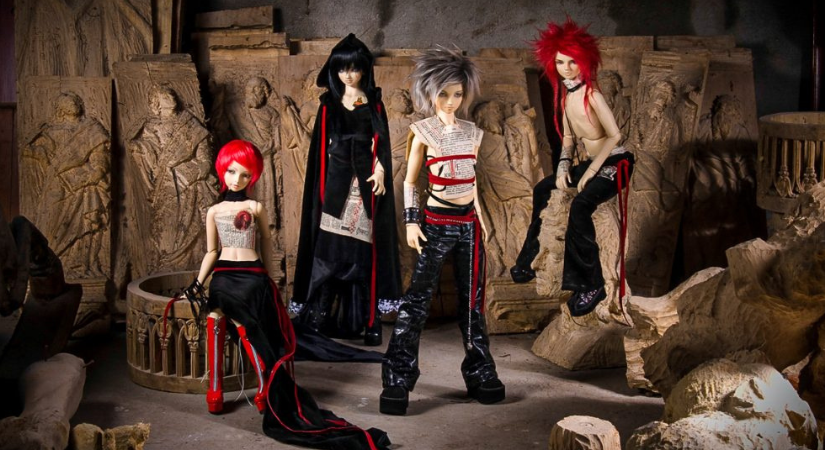
Finally, there’s Mistula—a virtual band composed entirely of dolls. Created in 2004 by Filipino musicians Joey David and Rey Tiempo, the group features characters Uno, Manx Minuet, Bella Lugosi, and Lobo, each with their own personality, story, and vocal/ instrumental performers. Mistula blends hard rock and heavy metal with graphic art and literature, maintaining a strong online presence through regular updates, new tracks, and creative projects. It’s a perfect example of how the virtual and real can merge seamlessly in music.
Finally, there’s Mistula—a virtual band composed entirely of dolls. Created in 2004 by Filipino musicians Joey David and Rey Tiempo, the group features characters Uno, Manx Minuet, Bella Lugosi, and Lobo, each with their own personality, story, and vocal/ instrumental performers. Mistula blends hard rock and heavy metal with graphic art and literature, maintaining a strong online presence through regular updates, new tracks, and creative projects. It’s a perfect example of how the virtual and real can merge seamlessly in music.
Finally, there’s Mistula—a virtual band composed entirely of dolls. Created in 2004 by Filipino musicians Joey David and Rey Tiempo, the group features characters Uno, Manx Minuet, Bella Lugosi, and Lobo, each with their own personality, story, and vocal/ instrumental performers. Mistula blends hard rock and heavy metal with graphic art and literature, maintaining a strong online presence through regular updates, new tracks, and creative projects. It’s a perfect example of how the virtual and real can merge seamlessly in music.
Finally, there’s Mistula—a virtual band composed entirely of dolls. Created in 2004 by Filipino musicians Joey David and Rey Tiempo, the group features characters Uno, Manx Minuet, Bella Lugosi, and Lobo, each with their own personality, story, and vocal/ instrumental performers. Mistula blends hard rock and heavy metal with graphic art and literature, maintaining a strong online presence through regular updates, new tracks, and creative projects. It’s a perfect example of how the virtual and real can merge seamlessly in music.
Finally, there’s Mistula—a virtual band composed entirely of dolls. Created in 2004 by Filipino musicians Joey David and Rey Tiempo, the group features characters Uno, Manx Minuet, Bella Lugosi, and Lobo, each with their own personality, story, and vocal/ instrumental performers. Mistula blends hard rock and heavy metal with graphic art and literature, maintaining a strong online presence through regular updates, new tracks, and creative projects. It’s a perfect example of how the virtual and real can merge seamlessly in music.