


Three regions immediately dominate the global metal landscape: the United Kingdom, Northern Europe, and North America. Each has fostered movements, subgenres, and bands whose influence extends far beyond their borders, shaping metal history and culture worldwide.
It has become customary to associate black metal with Norway, classic heavy metal with England, and thrash and death metal with the United States (particularly California and Florida). Less commonly acknowledged, but equally significant, is Canada’s strong identity in extreme music.
The vast North American country has built a solid, important scene over time, producing bands that have earned well-deserved worldwide recognition, especially in its major cities. Montréal and Vancouver lead in sheer number of bands, followed by other important centers such as Calgary, Edmonton, and the capital, Ottawa. Toronto, however, stands out as the city with a historic and consistent scene, on par with the first two.
Canada’s economic engine, Toronto, is the country’s largest city, home to roughly 3 million residents, and its sprawling metropolitan area includes Brampton, Markham, and Mississauga. In this context, given its geographic location, the emergence of metal bands from the genre's early days was almost inevitable. The city hosts acts of every extreme genre, but thrash and death metal have produced a dense roster of bands—some still active, others disbanded—that have shaped the history of Canadian metal.
Three regions immediately dominate the global metal landscape: the United Kingdom, Northern Europe, and North America. Each has fostered movements, subgenres, and bands whose influence extends far beyond their borders, shaping metal history and culture worldwide.
It has become customary to associate black metal with Norway, classic heavy metal with England, and thrash and death metal with the United States (particularly California and Florida). Less commonly acknowledged, but equally significant, is Canada’s strong identity in extreme music.
The vast North American country has built a solid, important scene over time, producing bands that have earned well-deserved worldwide recognition, especially in its major cities. Montréal and Vancouver lead in sheer number of bands, followed by other important centers such as Calgary, Edmonton, and the capital, Ottawa. Toronto, however, stands out as the city with a historic and consistent scene, on par with the first two.
Canada’s economic engine, Toronto, is the country’s largest city, home to roughly 3 million residents, and its sprawling metropolitan area includes Brampton, Markham, and Mississauga. In this context, given its geographic location, the emergence of metal bands from the genre's early days was almost inevitable. The city hosts acts of every extreme genre, but thrash and death metal have produced a dense roster of bands—some still active, others disbanded—that have shaped the history of Canadian metal.
Three regions immediately dominate the global metal landscape: the United Kingdom, Northern Europe, and North America. Each has fostered movements, subgenres, and bands whose influence extends far beyond their borders, shaping metal history and culture worldwide.
It has become customary to associate black metal with Norway, classic heavy metal with England, and thrash and death metal with the United States (particularly California and Florida). Less commonly acknowledged, but equally significant, is Canada’s strong identity in extreme music.
The vast North American country has built a solid, important scene over time, producing bands that have earned well-deserved worldwide recognition, especially in its major cities. Montréal and Vancouver lead in sheer number of bands, followed by other important centers such as Calgary, Edmonton, and the capital, Ottawa. Toronto, however, stands out as the city with a historic and consistent scene, on par with the first two.
Canada’s economic engine, Toronto, is the country’s largest city, home to roughly 3 million residents, and its sprawling metropolitan area includes Brampton, Markham, and Mississauga. In this context, given its geographic location, the emergence of metal bands from the genre's early days was almost inevitable. The city hosts acts of every extreme genre, but thrash and death metal have produced a dense roster of bands—some still active, others disbanded—that have shaped the history of Canadian metal.
Three regions immediately dominate the global metal landscape: the United Kingdom, Northern Europe, and North America. Each has fostered movements, subgenres, and bands whose influence extends far beyond their borders, shaping metal history and culture worldwide.
It has become customary to associate black metal with Norway, classic heavy metal with England, and thrash and death metal with the United States (particularly California and Florida). Less commonly acknowledged, but equally significant, is Canada’s strong identity in extreme music.
The vast North American country has built a solid, important scene over time, producing bands that have earned well-deserved worldwide recognition, especially in its major cities. Montréal and Vancouver lead in sheer number of bands, followed by other important centers such as Calgary, Edmonton, and the capital, Ottawa. Toronto, however, stands out as the city with a historic and consistent scene, on par with the first two.
Canada’s economic engine, Toronto, is the country’s largest city, home to roughly 3 million residents, and its sprawling metropolitan area includes Brampton, Markham, and Mississauga. In this context, given its geographic location, the emergence of metal bands from the genre's early days was almost inevitable. The city hosts acts of every extreme genre, but thrash and death metal have produced a dense roster of bands—some still active, others disbanded—that have shaped the history of Canadian metal.
Three regions immediately dominate the global metal landscape: the United Kingdom, Northern Europe, and North America. Each has fostered movements, subgenres, and bands whose influence extends far beyond their borders, shaping metal history and culture worldwide.
It has become customary to associate black metal with Norway, classic heavy metal with England, and thrash and death metal with the United States (particularly California and Florida). Less commonly acknowledged, but equally significant, is Canada’s strong identity in extreme music.
The vast North American country has built a solid, important scene over time, producing bands that have earned well-deserved worldwide recognition, especially in its major cities. Montréal and Vancouver lead in sheer number of bands, followed by other important centers such as Calgary, Edmonton, and the capital, Ottawa. Toronto, however, stands out as the city with a historic and consistent scene, on par with the first two.
Canada’s economic engine, Toronto, is the country’s largest city, home to roughly 3 million residents, and its sprawling metropolitan area includes Brampton, Markham, and Mississauga. In this context, given its geographic location, the emergence of metal bands from the genre's early days was almost inevitable. The city hosts acts of every extreme genre, but thrash and death metal have produced a dense roster of bands—some still active, others disbanded—that have shaped the history of Canadian metal.

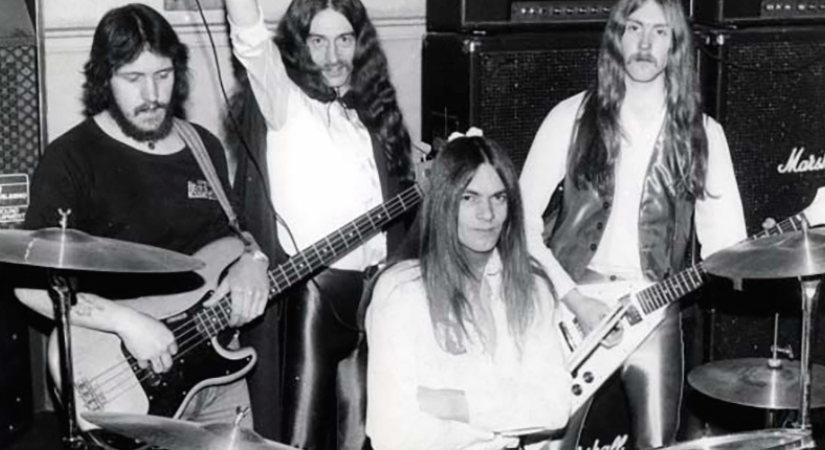
Razor is a cornerstone not just for Toronto but for all of Canada. Mike Campagnolo, Dave Carlo, and Bob Reid, originally from Guelph, became key figures in Toronto’s scene. They helped define the Canadian speed/thrash movement, which also included Exciter from Ottawa. Active since 1983, Razor gained international acclaim with cult thrash classics: Executioner’s Song (1985), Evil Invaders (1985), and Malicious Intent (1986). Still active today, the thrash veterans have released 9 full-length albums, 3 EPs, and 3 demos. Their influence on Canadian metal endures.
Razor is a cornerstone not just for Toronto but for all of Canada. Mike Campagnolo, Dave Carlo, and Bob Reid, originally from Guelph, became key figures in Toronto’s scene. They helped define the Canadian speed/thrash movement, which also included Exciter from Ottawa. Active since 1983, Razor gained international acclaim with cult thrash classics: Executioner’s Song (1985), Evil Invaders (1985), and Malicious Intent (1986). Still active today, the thrash veterans have released 9 full-length albums, 3 EPs, and 3 demos. Their influence on Canadian metal endures.
Razor is a cornerstone not just for Toronto but for all of Canada. Mike Campagnolo, Dave Carlo, and Bob Reid, originally from Guelph, became key figures in Toronto’s scene. They helped define the Canadian speed/thrash movement, which also included Exciter from Ottawa. Active since 1983, Razor gained international acclaim with cult thrash classics: Executioner’s Song (1985), Evil Invaders (1985), and Malicious Intent (1986). Still active today, the thrash veterans have released 9 full-length albums, 3 EPs, and 3 demos. Their influence on Canadian metal endures.
Razor is a cornerstone not just for Toronto but for all of Canada. Mike Campagnolo, Dave Carlo, and Bob Reid, originally from Guelph, became key figures in Toronto’s scene. They helped define the Canadian speed/thrash movement, which also included Exciter from Ottawa. Active since 1983, Razor gained international acclaim with cult thrash classics: Executioner’s Song (1985), Evil Invaders (1985), and Malicious Intent (1986). Still active today, the thrash veterans have released 9 full-length albums, 3 EPs, and 3 demos. Their influence on Canadian metal endures.
Razor is a cornerstone not just for Toronto but for all of Canada. Mike Campagnolo, Dave Carlo, and Bob Reid, originally from Guelph, became key figures in Toronto’s scene. They helped define the Canadian speed/thrash movement, which also included Exciter from Ottawa. Active since 1983, Razor gained international acclaim with cult thrash classics: Executioner’s Song (1985), Evil Invaders (1985), and Malicious Intent (1986). Still active today, the thrash veterans have released 9 full-length albums, 3 EPs, and 3 demos. Their influence on Canadian metal endures.

While not strictly thrash, Anvil’s sound has inspired many Canadians. Steve Kudlow’s band is among the longest-running in Canadian metal history. They continue to represent Toronto and the nation worldwide. Active since 1981, Anvil has released 20 albums. Their latest, One and Only (2024), continues the Toronto tradition in speed/thrash and blends in power-metal influences from across the years.
While not strictly thrash, Anvil’s sound has inspired many Canadians. Steve Kudlow’s band is among the longest-running in Canadian metal history. They continue to represent Toronto and the nation worldwide. Active since 1981, Anvil has released 20 albums. Their latest, One and Only (2024), continues the Toronto tradition in speed/thrash and blends in power-metal influences from across the years.
While not strictly thrash, Anvil’s sound has inspired many Canadians. Steve Kudlow’s band is among the longest-running in Canadian metal history. They continue to represent Toronto and the nation worldwide. Active since 1981, Anvil has released 20 albums. Their latest, One and Only (2024), continues the Toronto tradition in speed/thrash and blends in power-metal influences from across the years.
While not strictly thrash, Anvil’s sound has inspired many Canadians. Steve Kudlow’s band is among the longest-running in Canadian metal history. They continue to represent Toronto and the nation worldwide. Active since 1981, Anvil has released 20 albums. Their latest, One and Only (2024), continues the Toronto tradition in speed/thrash and blends in power-metal influences from across the years.
While not strictly thrash, Anvil’s sound has inspired many Canadians. Steve Kudlow’s band is among the longest-running in Canadian metal history. They continue to represent Toronto and the nation worldwide. Active since 1981, Anvil has released 20 albums. Their latest, One and Only (2024), continues the Toronto tradition in speed/thrash and blends in power-metal influences from across the years.

Toronto has produced many iconic bands, and Slaughter is certainly among them. Their debut, Strappado (1987), played a pivotal role in shaping death metal, with rough riffs, high-speed rhythms, and Dave Hewson’s brutal vocals. Slaughter is also remembered for Chuck Schuldiner’s brief stint before founding Death—he joined the band in Toronto for just two weeks. Slaughter disbanded in 1989 but later reformed under the name of their album Strappado, releasing Not Dead Yet (1991), reissued in 2011 under the Slaughter name.
Toronto has produced many iconic bands, and Slaughter is certainly among them. Their debut, Strappado (1987), played a pivotal role in shaping death metal, with rough riffs, high-speed rhythms, and Dave Hewson’s brutal vocals. Slaughter is also remembered for Chuck Schuldiner’s brief stint before founding Death—he joined the band in Toronto for just two weeks. Slaughter disbanded in 1989 but later reformed under the name of their album Strappado, releasing Not Dead Yet (1991), reissued in 2011 under the Slaughter name.
Toronto has produced many iconic bands, and Slaughter is certainly among them. Their debut, Strappado (1987), played a pivotal role in shaping death metal, with rough riffs, high-speed rhythms, and Dave Hewson’s brutal vocals. Slaughter is also remembered for Chuck Schuldiner’s brief stint before founding Death—he joined the band in Toronto for just two weeks. Slaughter disbanded in 1989 but later reformed under the name of their album Strappado, releasing Not Dead Yet (1991), reissued in 2011 under the Slaughter name.
Toronto has produced many iconic bands, and Slaughter is certainly among them. Their debut, Strappado (1987), played a pivotal role in shaping death metal, with rough riffs, high-speed rhythms, and Dave Hewson’s brutal vocals. Slaughter is also remembered for Chuck Schuldiner’s brief stint before founding Death—he joined the band in Toronto for just two weeks. Slaughter disbanded in 1989 but later reformed under the name of their album Strappado, releasing Not Dead Yet (1991), reissued in 2011 under the Slaughter name.
Toronto has produced many iconic bands, and Slaughter is certainly among them. Their debut, Strappado (1987), played a pivotal role in shaping death metal, with rough riffs, high-speed rhythms, and Dave Hewson’s brutal vocals. Slaughter is also remembered for Chuck Schuldiner’s brief stint before founding Death—he joined the band in Toronto for just two weeks. Slaughter disbanded in 1989 but later reformed under the name of their album Strappado, releasing Not Dead Yet (1991), reissued in 2011 under the Slaughter name.

Thrash fans know Sacrifice well, but had the band come from San Francisco, they might be even more widely recognized. Their seminal trilogy—Torment in Fire (1986), Forward to Termination (1987), and Soldiers of Misfortune (1990)—cemented them as Canadian thrash leaders. Five albums have been released by the classic lineup of Scott Watts, Rob Urbinati, Joe Rico, and Gus Pynn. Volume Six, their next release, is planned for February 2025.
Thrash fans know Sacrifice well, but had the band come from San Francisco, they might be even more widely recognized. Their seminal trilogy—Torment in Fire (1986), Forward to Termination (1987), and Soldiers of Misfortune (1990)—cemented them as Canadian thrash leaders. Five albums have been released by the classic lineup of Scott Watts, Rob Urbinati, Joe Rico, and Gus Pynn. Volume Six, their next release, is planned for February 2025.
Thrash fans know Sacrifice well, but had the band come from San Francisco, they might be even more widely recognized. Their seminal trilogy—Torment in Fire (1986), Forward to Termination (1987), and Soldiers of Misfortune (1990)—cemented them as Canadian thrash leaders. Five albums have been released by the classic lineup of Scott Watts, Rob Urbinati, Joe Rico, and Gus Pynn. Volume Six, their next release, is planned for February 2025.
Thrash fans know Sacrifice well, but had the band come from San Francisco, they might be even more widely recognized. Their seminal trilogy—Torment in Fire (1986), Forward to Termination (1987), and Soldiers of Misfortune (1990)—cemented them as Canadian thrash leaders. Five albums have been released by the classic lineup of Scott Watts, Rob Urbinati, Joe Rico, and Gus Pynn. Volume Six, their next release, is planned for February 2025.
Thrash fans know Sacrifice well, but had the band come from San Francisco, they might be even more widely recognized. Their seminal trilogy—Torment in Fire (1986), Forward to Termination (1987), and Soldiers of Misfortune (1990)—cemented them as Canadian thrash leaders. Five albums have been released by the classic lineup of Scott Watts, Rob Urbinati, Joe Rico, and Gus Pynn. Volume Six, their next release, is planned for February 2025.

Although based in Vancouver today, Infernäl Mäjesty was born and raised in Toronto, representing the city and Canada in thrash metal. Active since 1986, they released the albums None Shall Defy (1987) and Unholier Than Thou (1998), which remain cornerstones of Canadian thrash and have influenced generations of metalheads.
Although based in Vancouver today, Infernäl Mäjesty was born and raised in Toronto, representing the city and Canada in thrash metal. Active since 1986, they released the albums None Shall Defy (1987) and Unholier Than Thou (1998), which remain cornerstones of Canadian thrash and have influenced generations of metalheads.
Although based in Vancouver today, Infernäl Mäjesty was born and raised in Toronto, representing the city and Canada in thrash metal. Active since 1986, they released the albums None Shall Defy (1987) and Unholier Than Thou (1998), which remain cornerstones of Canadian thrash and have influenced generations of metalheads.
Although based in Vancouver today, Infernäl Mäjesty was born and raised in Toronto, representing the city and Canada in thrash metal. Active since 1986, they released the albums None Shall Defy (1987) and Unholier Than Thou (1998), which remain cornerstones of Canadian thrash and have influenced generations of metalheads.
Although based in Vancouver today, Infernäl Mäjesty was born and raised in Toronto, representing the city and Canada in thrash metal. Active since 1986, they released the albums None Shall Defy (1987) and Unholier Than Thou (1998), which remain cornerstones of Canadian thrash and have influenced generations of metalheads.

Piledriver may have been short-lived, but they left a mark. Known for both their outrageous stage costumes and their thrash/speed sound, the band's founder, Gordon Kirchin, moved from Montréal to Toronto to start the band. They initially gained traction with Metal Inquisition (1984) and Stay Ugly (1986). Later, the project evolved into Dogs with Jobs and The Exalted Piledriver, releasing several albums, but neither project remains active following Kirchin’s passing in 2022.
Piledriver may have been short-lived, but they left a mark. Known for both their outrageous stage costumes and their thrash/speed sound, the band's founder, Gordon Kirchin, moved from Montréal to Toronto to start the band. They initially gained traction with Metal Inquisition (1984) and Stay Ugly (1986). Later, the project evolved into Dogs with Jobs and The Exalted Piledriver, releasing several albums, but neither project remains active following Kirchin’s passing in 2022.
Piledriver may have been short-lived, but they left a mark. Known for both their outrageous stage costumes and their thrash/speed sound, the band's founder, Gordon Kirchin, moved from Montréal to Toronto to start the band. They initially gained traction with Metal Inquisition (1984) and Stay Ugly (1986). Later, the project evolved into Dogs with Jobs and The Exalted Piledriver, releasing several albums, but neither project remains active following Kirchin’s passing in 2022.
Piledriver may have been short-lived, but they left a mark. Known for both their outrageous stage costumes and their thrash/speed sound, the band's founder, Gordon Kirchin, moved from Montréal to Toronto to start the band. They initially gained traction with Metal Inquisition (1984) and Stay Ugly (1986). Later, the project evolved into Dogs with Jobs and The Exalted Piledriver, releasing several albums, but neither project remains active following Kirchin’s passing in 2022.
Piledriver may have been short-lived, but they left a mark. Known for both their outrageous stage costumes and their thrash/speed sound, the band's founder, Gordon Kirchin, moved from Montréal to Toronto to start the band. They initially gained traction with Metal Inquisition (1984) and Stay Ugly (1986). Later, the project evolved into Dogs with Jobs and The Exalted Piledriver, releasing several albums, but neither project remains active following Kirchin’s passing in 2022.

Though now a thing of the past, Rammer made a solid impression on Toronto’s metal scene. Members like Phil Zeller and Al Biddle previously played in bands such as Toxic Holocaust, Prong, and Cauldron, forming connections across the metal community. Their releases Cancer (2006) and Siege of Madness (2014) showcase a fully old-school thrash sound.
Though now a thing of the past, Rammer made a solid impression on Toronto’s metal scene. Members like Phil Zeller and Al Biddle previously played in bands such as Toxic Holocaust, Prong, and Cauldron, forming connections across the metal community. Their releases Cancer (2006) and Siege of Madness (2014) showcase a fully old-school thrash sound.
Though now a thing of the past, Rammer made a solid impression on Toronto’s metal scene. Members like Phil Zeller and Al Biddle previously played in bands such as Toxic Holocaust, Prong, and Cauldron, forming connections across the metal community. Their releases Cancer (2006) and Siege of Madness (2014) showcase a fully old-school thrash sound.
Though now a thing of the past, Rammer made a solid impression on Toronto’s metal scene. Members like Phil Zeller and Al Biddle previously played in bands such as Toxic Holocaust, Prong, and Cauldron, forming connections across the metal community. Their releases Cancer (2006) and Siege of Madness (2014) showcase a fully old-school thrash sound.
Though now a thing of the past, Rammer made a solid impression on Toronto’s metal scene. Members like Phil Zeller and Al Biddle previously played in bands such as Toxic Holocaust, Prong, and Cauldron, forming connections across the metal community. Their releases Cancer (2006) and Siege of Madness (2014) showcase a fully old-school thrash sound.

Formed in 1993, Spewgore emerged after thrash was well-established, yet it holds a historic place in Toronto. Founders Steve and Mark Macpherson previously played in Piledriver, while Rob Mills was in Razor. These ties connect Spewgore to seminal Canadian acts. The Brampton-based thrashers released Chipped Teeth, Broken Fingers (2008) and Breakneck Therapy (2010), blending old-school thrash with hardcore elements.
Formed in 1993, Spewgore emerged after thrash was well-established, yet it holds a historic place in Toronto. Founders Steve and Mark Macpherson previously played in Piledriver, while Rob Mills was in Razor. These ties connect Spewgore to seminal Canadian acts. The Brampton-based thrashers released Chipped Teeth, Broken Fingers (2008) and Breakneck Therapy (2010), blending old-school thrash with hardcore elements.
Formed in 1993, Spewgore emerged after thrash was well-established, yet it holds a historic place in Toronto. Founders Steve and Mark Macpherson previously played in Piledriver, while Rob Mills was in Razor. These ties connect Spewgore to seminal Canadian acts. The Brampton-based thrashers released Chipped Teeth, Broken Fingers (2008) and Breakneck Therapy (2010), blending old-school thrash with hardcore elements.
Formed in 1993, Spewgore emerged after thrash was well-established, yet it holds a historic place in Toronto. Founders Steve and Mark Macpherson previously played in Piledriver, while Rob Mills was in Razor. These ties connect Spewgore to seminal Canadian acts. The Brampton-based thrashers released Chipped Teeth, Broken Fingers (2008) and Breakneck Therapy (2010), blending old-school thrash with hardcore elements.
Formed in 1993, Spewgore emerged after thrash was well-established, yet it holds a historic place in Toronto. Founders Steve and Mark Macpherson previously played in Piledriver, while Rob Mills was in Razor. These ties connect Spewgore to seminal Canadian acts. The Brampton-based thrashers released Chipped Teeth, Broken Fingers (2008) and Breakneck Therapy (2010), blending old-school thrash with hardcore elements.

Also formed in 1993, Eidolon quickly released their first albums, Zero Hour (1996) and Seven Spirits (1997), showcasing their talent. The band featured Shawn and Glen Drover, who later played together in Megadeth (United Abominations) and individually in Queensrÿche, King Diamond, Act of Defiance, and Infernäl Mäjesty. The brothers’ later projects highlight Eidolon’s direct connection to these internationally known bands, while the group itself delivered direct, speed/thrash metal with power influences, becoming a cult fixture in Toronto.
Also formed in 1993, Eidolon quickly released their first albums, Zero Hour (1996) and Seven Spirits (1997), showcasing their talent. The band featured Shawn and Glen Drover, who later played together in Megadeth (United Abominations) and individually in Queensrÿche, King Diamond, Act of Defiance, and Infernäl Mäjesty. The brothers’ later projects highlight Eidolon’s direct connection to these internationally known bands, while the group itself delivered direct, speed/thrash metal with power influences, becoming a cult fixture in Toronto.
Also formed in 1993, Eidolon quickly released their first albums, Zero Hour (1996) and Seven Spirits (1997), showcasing their talent. The band featured Shawn and Glen Drover, who later played together in Megadeth (United Abominations) and individually in Queensrÿche, King Diamond, Act of Defiance, and Infernäl Mäjesty. The brothers’ later projects highlight Eidolon’s direct connection to these internationally known bands, while the group itself delivered direct, speed/thrash metal with power influences, becoming a cult fixture in Toronto.
Also formed in 1993, Eidolon quickly released their first albums, Zero Hour (1996) and Seven Spirits (1997), showcasing their talent. The band featured Shawn and Glen Drover, who later played together in Megadeth (United Abominations) and individually in Queensrÿche, King Diamond, Act of Defiance, and Infernäl Mäjesty. The brothers’ later projects highlight Eidolon’s direct connection to these internationally known bands, while the group itself delivered direct, speed/thrash metal with power influences, becoming a cult fixture in Toronto.
Also formed in 1993, Eidolon quickly released their first albums, Zero Hour (1996) and Seven Spirits (1997), showcasing their talent. The band featured Shawn and Glen Drover, who later played together in Megadeth (United Abominations) and individually in Queensrÿche, King Diamond, Act of Defiance, and Infernäl Mäjesty. The brothers’ later projects highlight Eidolon’s direct connection to these internationally known bands, while the group itself delivered direct, speed/thrash metal with power influences, becoming a cult fixture in Toronto.

Entropy is a true gem for anyone exploring Toronto’s extreme scene, not only for their longevity (active since 1989) but also for their early releases, Ashen Existence (1992) and Transcendence (1995). Their sound combines aggressive Testament-style thrash with technical precision and occasional death metal leanings. Gerry Schreinert and company remain active, continuing Toronto’s metal tradition while evolving their sound.
Entropy is a true gem for anyone exploring Toronto’s extreme scene, not only for their longevity (active since 1989) but also for their early releases, Ashen Existence (1992) and Transcendence (1995). Their sound combines aggressive Testament-style thrash with technical precision and occasional death metal leanings. Gerry Schreinert and company remain active, continuing Toronto’s metal tradition while evolving their sound.
Entropy is a true gem for anyone exploring Toronto’s extreme scene, not only for their longevity (active since 1989) but also for their early releases, Ashen Existence (1992) and Transcendence (1995). Their sound combines aggressive Testament-style thrash with technical precision and occasional death metal leanings. Gerry Schreinert and company remain active, continuing Toronto’s metal tradition while evolving their sound.
Entropy is a true gem for anyone exploring Toronto’s extreme scene, not only for their longevity (active since 1989) but also for their early releases, Ashen Existence (1992) and Transcendence (1995). Their sound combines aggressive Testament-style thrash with technical precision and occasional death metal leanings. Gerry Schreinert and company remain active, continuing Toronto’s metal tradition while evolving their sound.
Entropy is a true gem for anyone exploring Toronto’s extreme scene, not only for their longevity (active since 1989) but also for their early releases, Ashen Existence (1992) and Transcendence (1995). Their sound combines aggressive Testament-style thrash with technical precision and occasional death metal leanings. Gerry Schreinert and company remain active, continuing Toronto’s metal tradition while evolving their sound.


Related articles
THANTIFAXATH – Hive Mind Narcosis

TOMB MOLD – The Enduring Spirit