

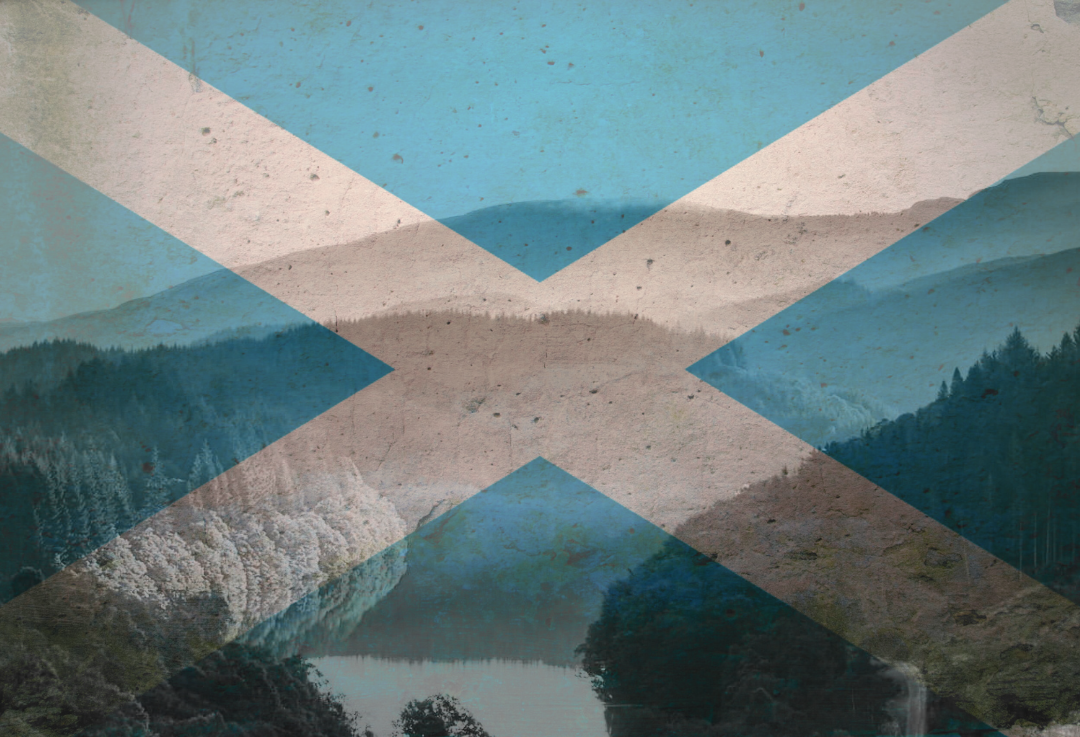
The extreme metal scene in the United Kingdom is incredibly vast: countless bands can be found across every style and subgenre, shaping movements that are rich, diverse, and full of innovation. Among the four home nations, England has traditionally offered the broadest landscape in metal, encompassing both legacy acts and newer names. However, Scotland has been steadily carving out its own space—especially in recent years.
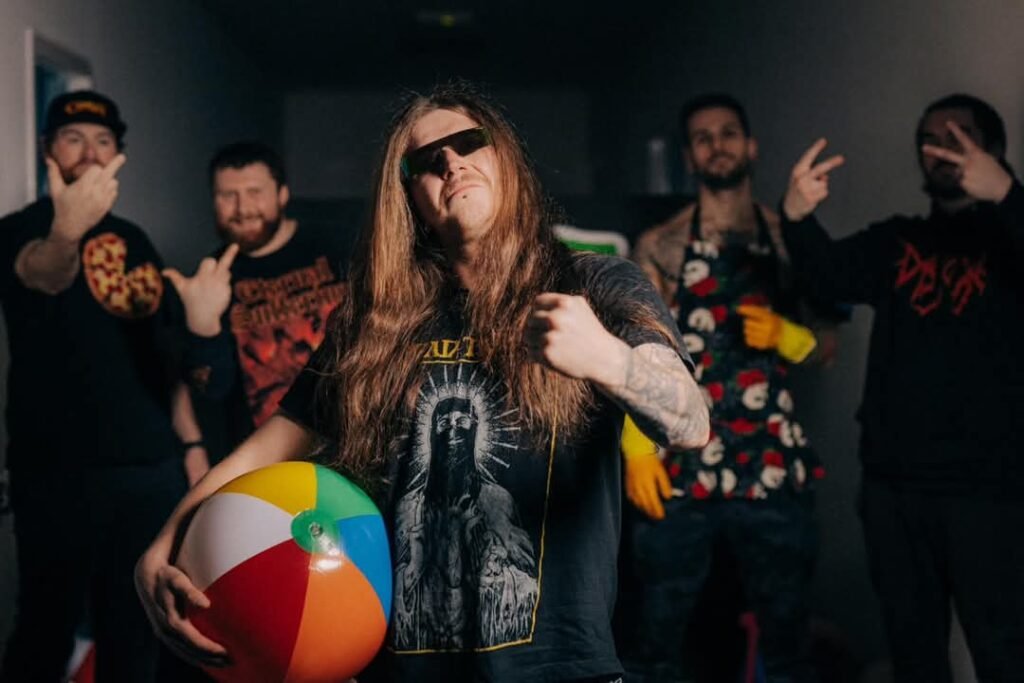
Several bands that emerged from the early 2000s onward have gained recognition beyond the UK. Just think of Hellripper, James McBain’s black/speed metal project, or Party Cannon, now pillars of the international goregrind scene. Yet one niche continues to thrive: atmospheric black metal. This subgenre is often associated with themes such as tradition, nature, spirituality, and ancient mythology—all elements deeply rooted in Scotland’s identity since time immemorial. It’s no surprise, then, that many local artists have embraced these sounds and themes to forge a distinct musical identity.
The extreme metal scene in the United Kingdom is incredibly vast: countless bands can be found across every style and subgenre, shaping movements that are rich, diverse, and full of innovation. Among the four home nations, England has traditionally offered the broadest landscape in metal, encompassing both legacy acts and newer names. However, Scotland has been steadily carving out its own space—especially in recent years.
Several bands that emerged from the early 2000s onward have gained recognition beyond the UK. Just think of Hellripper, James McBain’s black/speed metal project, or Party Cannon, now pillars of the international goregrind scene. Yet one niche continues to thrive: atmospheric black metal. This subgenre is often associated with themes such as tradition, nature, spirituality, and ancient mythology—all elements deeply rooted in Scotland’s identity since time immemorial. It’s no surprise, then, that many local artists have embraced these sounds and themes to forge a distinct musical identity.
The extreme metal scene in the United Kingdom is incredibly vast: countless bands can be found across every style and subgenre, shaping movements that are rich, diverse, and full of innovation. Among the four home nations, England has traditionally offered the broadest landscape in metal, encompassing both legacy acts and newer names. However, Scotland has been steadily carving out its own space—especially in recent years.
Several bands that emerged from the early 2000s onward have gained recognition beyond the UK. Just think of Hellripper, James McBain’s black/speed metal project, or Party Cannon, now pillars of the international goregrind scene. Yet one niche continues to thrive: atmospheric black metal. This subgenre is often associated with themes such as tradition, nature, spirituality, and ancient mythology—all elements deeply rooted in Scotland’s identity since time immemorial. It’s no surprise, then, that many local artists have embraced these sounds and themes to forge a distinct musical identity.
The extreme metal scene in the United Kingdom is incredibly vast: countless bands can be found across every style and subgenre, shaping movements that are rich, diverse, and full of innovation. Among the four home nations, England has traditionally offered the broadest landscape in metal, encompassing both legacy acts and newer names. However, Scotland has been steadily carving out its own space—especially in recent years.
Several bands that emerged from the early 2000s onward have gained recognition beyond the UK. Just think of Hellripper, James McBain’s black/speed metal project, or Party Cannon, now pillars of the international goregrind scene. Yet one niche continues to thrive: atmospheric black metal. This subgenre is often associated with themes such as tradition, nature, spirituality, and ancient mythology—all elements deeply rooted in Scotland’s identity since time immemorial. It’s no surprise, then, that many local artists have embraced these sounds and themes to forge a distinct musical identity.
The extreme metal scene in the United Kingdom is incredibly vast: countless bands can be found across every style and subgenre, shaping movements that are rich, diverse, and full of innovation. Among the four home nations, England has traditionally offered the broadest landscape in metal, encompassing both legacy acts and newer names. However, Scotland has been steadily carving out its own space—especially in recent years.
Several bands that emerged from the early 2000s onward have gained recognition beyond the UK. Just think of Hellripper, James McBain’s black/speed metal project, or Party Cannon, now pillars of the international goregrind scene. Yet one niche continues to thrive: atmospheric black metal. This subgenre is often associated with themes such as tradition, nature, spirituality, and ancient mythology—all elements deeply rooted in Scotland’s identity since time immemorial. It’s no surprise, then, that many local artists have embraced these sounds and themes to forge a distinct musical identity.

Saor is undoubtedly the flagship project of Scottish atmospheric black metal. To understand it, though, one must first look at Andy Marshall, the mind behind it. Over the years, Marshall has immersed himself in bands with similar aesthetics and themes—consider Askival and Arsaidh, both deeply tied to Scottish history and tradition. Many of his side projects, fittingly, bear names in Scottish Gaelic, so it comes as no surprise that his main project does too (The word ‘Saor’means ‘free’). From the debut Roots (2013) to the more recent Origins (2022), Marshall has meticulously blended atmospheric black metal with a strong folk component, immersing listeners in ancient, evocative narratives. He has done so with such consistency and vision that Saor is widely regarded as one of the finest projects in the genre across the entire UK. Marshall himself has even coined the term “Caledonian metal,” a reference to the ancient name for Scotland.
Saor is undoubtedly the flagship project of Scottish atmospheric black metal. To understand it, though, one must first look at Andy Marshall, the mind behind it. Over the years, Marshall has immersed himself in bands with similar aesthetics and themes—consider Askival and Arsaidh, both deeply tied to Scottish history and tradition. Many of his side projects, fittingly, bear names in Scottish Gaelic, so it comes as no surprise that his main project does too (The word ‘Saor’means ‘free’). From the debut Roots (2013) to the more recent Origins (2022), Marshall has meticulously blended atmospheric black metal with a strong folk component, immersing listeners in ancient, evocative narratives. He has done so with such consistency and vision that Saor is widely regarded as one of the finest projects in the genre across the entire UK. Marshall himself has even coined the term “Caledonian metal,” a reference to the ancient name for Scotland.
Saor is undoubtedly the flagship project of Scottish atmospheric black metal. To understand it, though, one must first look at Andy Marshall, the mind behind it. Over the years, Marshall has immersed himself in bands with similar aesthetics and themes—consider Askival and Arsaidh, both deeply tied to Scottish history and tradition. Many of his side projects, fittingly, bear names in Scottish Gaelic, so it comes as no surprise that his main project does too (The word ‘Saor’means ‘free’). From the debut Roots (2013) to the more recent Origins (2022), Marshall has meticulously blended atmospheric black metal with a strong folk component, immersing listeners in ancient, evocative narratives. He has done so with such consistency and vision that Saor is widely regarded as one of the finest projects in the genre across the entire UK. Marshall himself has even coined the term “Caledonian metal,” a reference to the ancient name for Scotland.
Saor is undoubtedly the flagship project of Scottish atmospheric black metal. To understand it, though, one must first look at Andy Marshall, the mind behind it. Over the years, Marshall has immersed himself in bands with similar aesthetics and themes—consider Askival and Arsaidh, both deeply tied to Scottish history and tradition. Many of his side projects, fittingly, bear names in Scottish Gaelic, so it comes as no surprise that his main project does too (The word ‘Saor’means ‘free’). From the debut Roots (2013) to the more recent Origins (2022), Marshall has meticulously blended atmospheric black metal with a strong folk component, immersing listeners in ancient, evocative narratives. He has done so with such consistency and vision that Saor is widely regarded as one of the finest projects in the genre across the entire UK. Marshall himself has even coined the term “Caledonian metal,” a reference to the ancient name for Scotland.
Saor is undoubtedly the flagship project of Scottish atmospheric black metal. To understand it, though, one must first look at Andy Marshall, the mind behind it. Over the years, Marshall has immersed himself in bands with similar aesthetics and themes—consider Askival and Arsaidh, both deeply tied to Scottish history and tradition. Many of his side projects, fittingly, bear names in Scottish Gaelic, so it comes as no surprise that his main project does too (The word ‘Saor’means ‘free’). From the debut Roots (2013) to the more recent Origins (2022), Marshall has meticulously blended atmospheric black metal with a strong folk component, immersing listeners in ancient, evocative narratives. He has done so with such consistency and vision that Saor is widely regarded as one of the finest projects in the genre across the entire UK. Marshall himself has even coined the term “Caledonian metal,” a reference to the ancient name for Scotland.
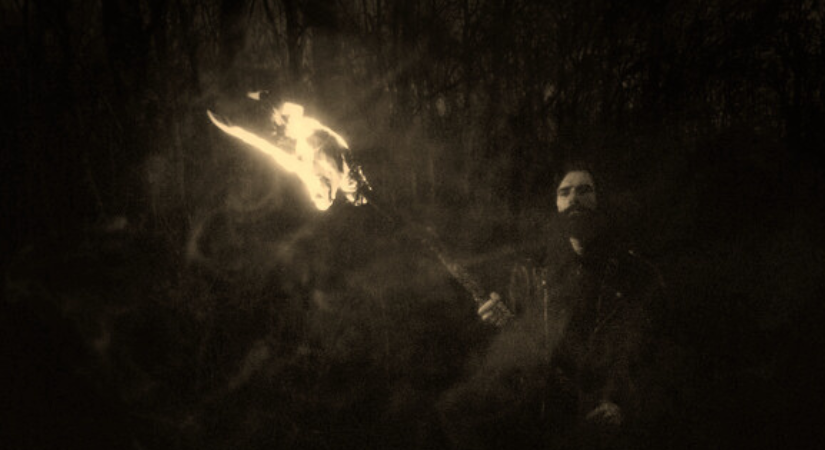
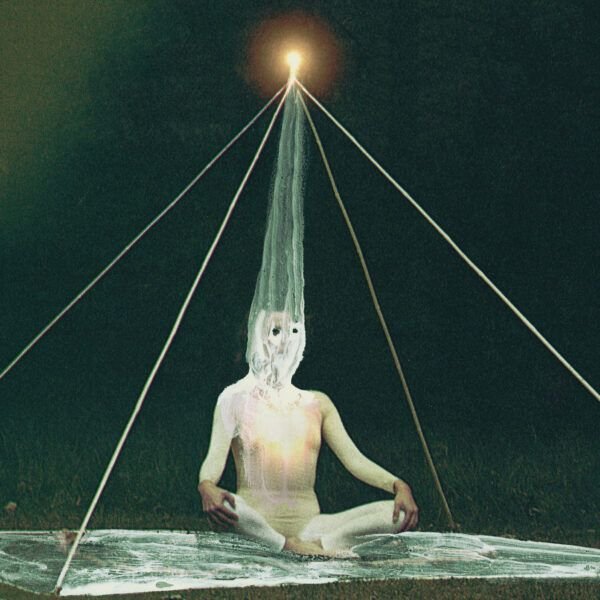
The figure in the photo? Once again, Andy Marshall—this time under a different moniker: Fuath (Gaelic for “hatred”). While a listen to I (2016) and II (2021) quickly dispels any doubt that this is another of his projects, the sonic differences between Fuath and Saor are subtle, mainly distinguished by Fuath’s broader focus on decay, nature, and mysticism in its lyrical themes, whereas Saor places greater emphasis on Scottish tradition. While Fuath may not match Saor’s critical acclaim or popularity, it stands as Marshall’s second most significant one-man project—and notably, the only other one among his many ventures that remains active.
The figure in the photo? Once again, Andy Marshall—this time under a different moniker: Fuath (Gaelic for “hatred”). While a listen to I (2016) and II (2021) quickly dispels any doubt that this is another of his projects, the sonic differences between Fuath and Saor are subtle, mainly distinguished by Fuath’s broader focus on decay, nature, and mysticism in its lyrical themes, whereas Saor places greater emphasis on Scottish tradition. While Fuath may not match Saor’s critical acclaim or popularity, it stands as Marshall’s second most significant one-man project—and notably, the only other one among his many ventures that remains active.
The figure in the photo? Once again, Andy Marshall—this time under a different moniker: Fuath (Gaelic for “hatred”). While a listen to I (2016) and II (2021) quickly dispels any doubt that this is another of his projects, the sonic differences between Fuath and Saor are subtle, mainly distinguished by Fuath’s broader focus on decay, nature, and mysticism in its lyrical themes, whereas Saor places greater emphasis on Scottish tradition. While Fuath may not match Saor’s critical acclaim or popularity, it stands as Marshall’s second most significant one-man project—and notably, the only other one among his many ventures that remains active.
The figure in the photo? Once again, Andy Marshall—this time under a different moniker: Fuath (Gaelic for “hatred”). While a listen to I (2016) and II (2021) quickly dispels any doubt that this is another of his projects, the sonic differences between Fuath and Saor are subtle, mainly distinguished by Fuath’s broader focus on decay, nature, and mysticism in its lyrical themes, whereas Saor places greater emphasis on Scottish tradition. While Fuath may not match Saor’s critical acclaim or popularity, it stands as Marshall’s second most significant one-man project—and notably, the only other one among his many ventures that remains active.
The figure in the photo? Once again, Andy Marshall—this time under a different moniker: Fuath (Gaelic for “hatred”). While a listen to I (2016) and II (2021) quickly dispels any doubt that this is another of his projects, the sonic differences between Fuath and Saor are subtle, mainly distinguished by Fuath’s broader focus on decay, nature, and mysticism in its lyrical themes, whereas Saor places greater emphasis on Scottish tradition. While Fuath may not match Saor’s critical acclaim or popularity, it stands as Marshall’s second most significant one-man project—and notably, the only other one among his many ventures that remains active.
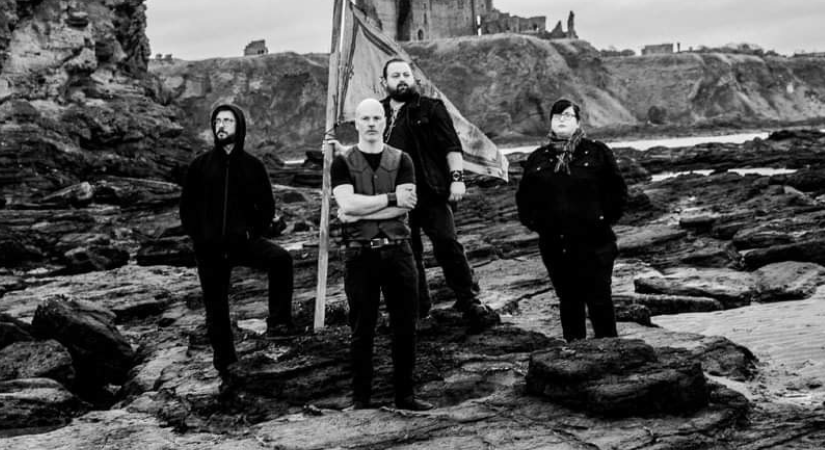
Formed in Glasgow in 2018, Ruadh follows in the stylistic and conceptual footsteps of Andy Marshall. Founded by Tom Perrett (also known for his solo project Aonarach), the quartet shares a strong sense of Scottish identity and an expansive, epic, and immersive sound. However, Ruadh distinguishes itself from Marshall’s work through a full-band dynamic and Perrett’s unique writing. Their debut, Sovereign (2019), made an immediate impact. Building on this momentum, Ruadh’s subsequent releases—The Rock of the Clyde (2020), Eternal (2021), and 1296 (2023)—further solidified their reputation, blending atmospheric black metal with prominent ambient textures.
Formed in Glasgow in 2018, Ruadh follows in the stylistic and conceptual footsteps of Andy Marshall. Founded by Tom Perrett (also known for his solo project Aonarach), the quartet shares a strong sense of Scottish identity and an expansive, epic, and immersive sound. However, Ruadh distinguishes itself from Marshall’s work through a full-band dynamic and Perrett’s unique writing. Their debut, Sovereign (2019), made an immediate impact. Building on this momentum, Ruadh’s subsequent releases—The Rock of the Clyde (2020), Eternal (2021), and 1296 (2023)—further solidified their reputation, blending atmospheric black metal with prominent ambient textures.
Formed in Glasgow in 2018, Ruadh follows in the stylistic and conceptual footsteps of Andy Marshall. Founded by Tom Perrett (also known for his solo project Aonarach), the quartet shares a strong sense of Scottish identity and an expansive, epic, and immersive sound. However, Ruadh distinguishes itself from Marshall’s work through a full-band dynamic and Perrett’s unique writing. Their debut, Sovereign (2019), made an immediate impact. Building on this momentum, Ruadh’s subsequent releases—The Rock of the Clyde (2020), Eternal (2021), and 1296 (2023)—further solidified their reputation, blending atmospheric black metal with prominent ambient textures.
Formed in Glasgow in 2018, Ruadh follows in the stylistic and conceptual footsteps of Andy Marshall. Founded by Tom Perrett (also known for his solo project Aonarach), the quartet shares a strong sense of Scottish identity and an expansive, epic, and immersive sound. However, Ruadh distinguishes itself from Marshall’s work through a full-band dynamic and Perrett’s unique writing. Their debut, Sovereign (2019), made an immediate impact. Building on this momentum, Ruadh’s subsequent releases—The Rock of the Clyde (2020), Eternal (2021), and 1296 (2023)—further solidified their reputation, blending atmospheric black metal with prominent ambient textures.
Formed in Glasgow in 2018, Ruadh follows in the stylistic and conceptual footsteps of Andy Marshall. Founded by Tom Perrett (also known for his solo project Aonarach), the quartet shares a strong sense of Scottish identity and an expansive, epic, and immersive sound. However, Ruadh distinguishes itself from Marshall’s work through a full-band dynamic and Perrett’s unique writing. Their debut, Sovereign (2019), made an immediate impact. Building on this momentum, Ruadh’s subsequent releases—The Rock of the Clyde (2020), Eternal (2021), and 1296 (2023)—further solidified their reputation, blending atmospheric black metal with prominent ambient textures.
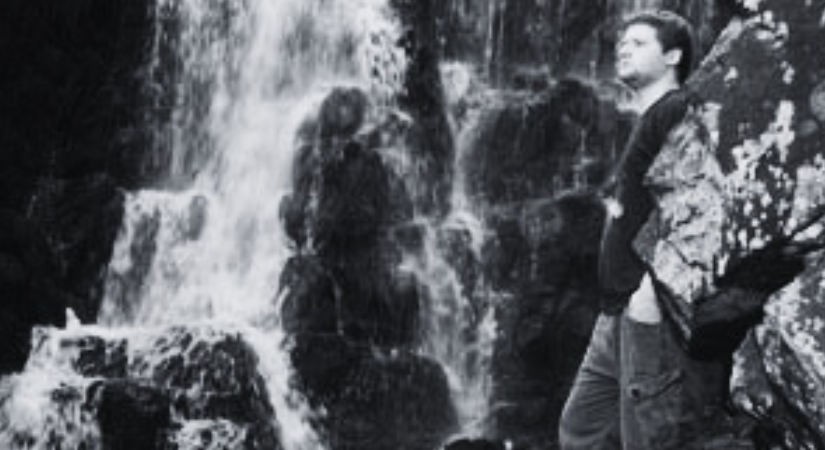
The one-man project Adabroc was founded in 2010 by Dómhnall Alasdair on the Isle of Lewis and Harris, off Scotland’s northwestern coast. This location’s linguistic and cultural distinction—marked by a population still deeply connected to ancient traditions and the widespread use of Scottish Gaelic—deeply informs the project. This heritage is evident not only in the artist’s birth name but also in the titles of his five EPs. Musically, Adabroc offers a rawer take on the genre, with lyrics rooted in the natural landscapes of his homeland.
The one-man project Adabroc was founded in 2010 by Dómhnall Alasdair on the Isle of Lewis and Harris, off Scotland’s northwestern coast. This location’s linguistic and cultural distinction—marked by a population still deeply connected to ancient traditions and the widespread use of Scottish Gaelic—deeply informs the project. This heritage is evident not only in the artist’s birth name but also in the titles of his five EPs. Musically, Adabroc offers a rawer take on the genre, with lyrics rooted in the natural landscapes of his homeland.
The one-man project Adabroc was founded in 2010 by Dómhnall Alasdair on the Isle of Lewis and Harris, off Scotland’s northwestern coast. This location’s linguistic and cultural distinction—marked by a population still deeply connected to ancient traditions and the widespread use of Scottish Gaelic—deeply informs the project. This heritage is evident not only in the artist’s birth name but also in the titles of his five EPs. Musically, Adabroc offers a rawer take on the genre, with lyrics rooted in the natural landscapes of his homeland.
The one-man project Adabroc was founded in 2010 by Dómhnall Alasdair on the Isle of Lewis and Harris, off Scotland’s northwestern coast. This location’s linguistic and cultural distinction—marked by a population still deeply connected to ancient traditions and the widespread use of Scottish Gaelic—deeply informs the project. This heritage is evident not only in the artist’s birth name but also in the titles of his five EPs. Musically, Adabroc offers a rawer take on the genre, with lyrics rooted in the natural landscapes of his homeland.
The one-man project Adabroc was founded in 2010 by Dómhnall Alasdair on the Isle of Lewis and Harris, off Scotland’s northwestern coast. This location’s linguistic and cultural distinction—marked by a population still deeply connected to ancient traditions and the widespread use of Scottish Gaelic—deeply informs the project. This heritage is evident not only in the artist’s birth name but also in the titles of his five EPs. Musically, Adabroc offers a rawer take on the genre, with lyrics rooted in the natural landscapes of his homeland.

Despite the name, Bròn is perhaps the most “international” project on this list. Its founder, Krigeist (aka Andrew Murray-Campbell), was born in New Zealand and lived there before relocating to. That said, his connection to Scottish culture remains clear. His moniker (which translates to “sorrow”) and several releases echo this heritage, and he also incorporates strong ambient influences. Now based in Serbia, he has become integrated into the local metal scene, as evidenced by his latest album, Pred dverima noći (2020).
Despite the name, Bròn is perhaps the most “international” project on this list. Its founder, Krigeist (aka Andrew Murray-Campbell), was born in New Zealand and lived there before relocating to. That said, his connection to Scottish culture remains clear. His moniker (which translates to “sorrow”) and several releases echo this heritage, and he also incorporates strong ambient influences. Now based in Serbia, he has become integrated into the local metal scene, as evidenced by his latest album, Pred dverima noći (2020).
Despite the name, Bròn is perhaps the most “international” project on this list. Its founder, Krigeist (aka Andrew Murray-Campbell), was born in New Zealand and lived there before relocating to. That said, his connection to Scottish culture remains clear. His moniker (which translates to “sorrow”) and several releases echo this heritage, and he also incorporates strong ambient influences. Now based in Serbia, he has become integrated into the local metal scene, as evidenced by his latest album, Pred dverima noći (2020).
Despite the name, Bròn is perhaps the most “international” project on this list. Its founder, Krigeist (aka Andrew Murray-Campbell), was born in New Zealand and lived there before relocating to. That said, his connection to Scottish culture remains clear. His moniker (which translates to “sorrow”) and several releases echo this heritage, and he also incorporates strong ambient influences. Now based in Serbia, he has become integrated into the local metal scene, as evidenced by his latest album, Pred dverima noći (2020).
Despite the name, Bròn is perhaps the most “international” project on this list. Its founder, Krigeist (aka Andrew Murray-Campbell), was born in New Zealand and lived there before relocating to. That said, his connection to Scottish culture remains clear. His moniker (which translates to “sorrow”) and several releases echo this heritage, and he also incorporates strong ambient influences. Now based in Serbia, he has become integrated into the local metal scene, as evidenced by his latest album, Pred dverima noći (2020).
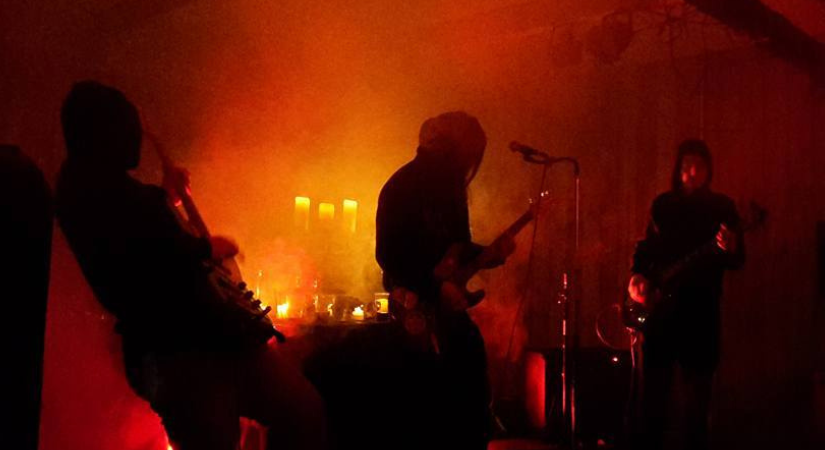
Úir, formed in Edinburgh in 2015, brought together musicians already active in other bands: Hamish MacKintosh (drums) and Gerald Chau (guitar) from Haar, along with vocalist Afallach from Úlfarr. Blending their backgrounds, the project leans into atmospheric black metal infused with strong folk elements. So far, they have released two EPs: Tein-Éigin (2016) and Óenach Tailten (2019).
Úir, formed in Edinburgh in 2015, brought together musicians already active in other bands: Hamish MacKintosh (drums) and Gerald Chau (guitar) from Haar, along with vocalist Afallach from Úlfarr. Blending their backgrounds, the project leans into atmospheric black metal infused with strong folk elements. So far, they have released two EPs: Tein-Éigin (2016) and Óenach Tailten (2019).
Úir, formed in Edinburgh in 2015, brought together musicians already active in other bands: Hamish MacKintosh (drums) and Gerald Chau (guitar) from Haar, along with vocalist Afallach from Úlfarr. Blending their backgrounds, the project leans into atmospheric black metal infused with strong folk elements. So far, they have released two EPs: Tein-Éigin (2016) and Óenach Tailten (2019).
Úir, formed in Edinburgh in 2015, brought together musicians already active in other bands: Hamish MacKintosh (drums) and Gerald Chau (guitar) from Haar, along with vocalist Afallach from Úlfarr. Blending their backgrounds, the project leans into atmospheric black metal infused with strong folk elements. So far, they have released two EPs: Tein-Éigin (2016) and Óenach Tailten (2019).
Úir, formed in Edinburgh in 2015, brought together musicians already active in other bands: Hamish MacKintosh (drums) and Gerald Chau (guitar) from Haar, along with vocalist Afallach from Úlfarr. Blending their backgrounds, the project leans into atmospheric black metal infused with strong folk elements. So far, they have released two EPs: Tein-Éigin (2016) and Óenach Tailten (2019).
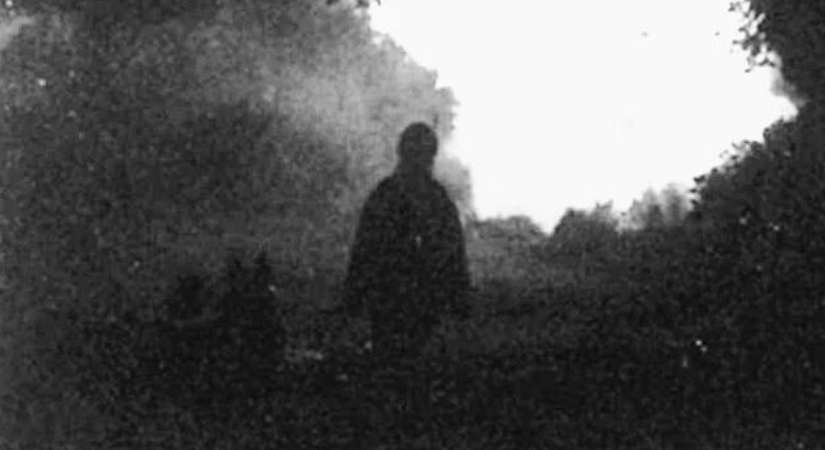
Though currently inactive, In Autumnus made a notable contribution to the scene. Founded in Dumfries in 2017 by Mike McNaught and American musician Elijah Cirricione, the project had a short six-year lifespan, during which they released two EPs, several splits, and an astonishing 14 full-length albums (five of which came out in 2021 alone). Their approach to atmospheric black metal leaned toward a lo-fi aesthetic, with post-rock influences, resulting in a deeply emotive sound. This was especially apparent on Catharsis and Fairweather (both 2020), which stand as their most memorable works. As a duo of mixed nationalities, their differences are evident: from album artwork reminiscent of Sadness to distinctively pessimistic lyrics, In Autumnus offers a unique perspective within the scene.
Though currently inactive, In Autumnus made a notable contribution to the scene. Founded in Dumfries in 2017 by Mike McNaught and American musician Elijah Cirricione, the project had a short six-year lifespan, during which they released two EPs, several splits, and an astonishing 14 full-length albums (five of which came out in 2021 alone). Their approach to atmospheric black metal leaned toward a lo-fi aesthetic, with post-rock influences, resulting in a deeply emotive sound. This was especially apparent on Catharsis and Fairweather (both 2020), which stand as their most memorable works. As a duo of mixed nationalities, their differences are evident: from album artwork reminiscent of Sadness to distinctively pessimistic lyrics, In Autumnus offers a unique perspective within the scene.
Though currently inactive, In Autumnus made a notable contribution to the scene. Founded in Dumfries in 2017 by Mike McNaught and American musician Elijah Cirricione, the project had a short six-year lifespan, during which they released two EPs, several splits, and an astonishing 14 full-length albums (five of which came out in 2021 alone). Their approach to atmospheric black metal leaned toward a lo-fi aesthetic, with post-rock influences, resulting in a deeply emotive sound. This was especially apparent on Catharsis and Fairweather (both 2020), which stand as their most memorable works. As a duo of mixed nationalities, their differences are evident: from album artwork reminiscent of Sadness to distinctively pessimistic lyrics, In Autumnus offers a unique perspective within the scene.
Though currently inactive, In Autumnus made a notable contribution to the scene. Founded in Dumfries in 2017 by Mike McNaught and American musician Elijah Cirricione, the project had a short six-year lifespan, during which they released two EPs, several splits, and an astonishing 14 full-length albums (five of which came out in 2021 alone). Their approach to atmospheric black metal leaned toward a lo-fi aesthetic, with post-rock influences, resulting in a deeply emotive sound. This was especially apparent on Catharsis and Fairweather (both 2020), which stand as their most memorable works. As a duo of mixed nationalities, their differences are evident: from album artwork reminiscent of Sadness to distinctively pessimistic lyrics, In Autumnus offers a unique perspective within the scene.
Though currently inactive, In Autumnus made a notable contribution to the scene. Founded in Dumfries in 2017 by Mike McNaught and American musician Elijah Cirricione, the project had a short six-year lifespan, during which they released two EPs, several splits, and an astonishing 14 full-length albums (five of which came out in 2021 alone). Their approach to atmospheric black metal leaned toward a lo-fi aesthetic, with post-rock influences, resulting in a deeply emotive sound. This was especially apparent on Catharsis and Fairweather (both 2020), which stand as their most memorable works. As a duo of mixed nationalities, their differences are evident: from album artwork reminiscent of Sadness to distinctively pessimistic lyrics, In Autumnus offers a unique perspective within the scene.


Related articles
ABDUCTION – Existentialismus
Irish Gloom: The Best Extreme Bands from Ireland