


The lives of musicians are often seen as glamorous and carefree, yet they’re just as often defined by excess—sex, alcohol, drug abuse, and everything that comes with it. More often than not, these habits take a heavy toll on their health, leading to serious physical issues and illnesses they don’t always survive.
Within the metal scene, several musicians have had to confront cancer, and some tragically didn’t make it: Eddie Van Halen, who battled a brain tumor; the legendary Chuck Schuldiner, who passed away from the same disease; and Lemmy Kilmister, already suffering from diabetes, cardiac arrhythmia, and hypertension, who was ultimately taken by throat cancer.
Fortunately, there are just as many stories of musicians who beat the disease and returned to the stage, continuing their careers and often reaching new milestones.
The lives of musicians are often seen as glamorous and carefree, yet they’re just as often defined by excess—sex, alcohol, drug abuse, and everything that comes with it. More often than not, these habits take a heavy toll on their health, leading to serious physical issues and illnesses they don’t always survive.
Within the metal scene, several musicians have had to confront cancer, and some tragically didn’t make it: Eddie Van Halen, who battled a brain tumor; the legendary Chuck Schuldiner, who passed away from the same disease; and Lemmy Kilmister, already suffering from diabetes, cardiac arrhythmia, and hypertension, who was ultimately taken by throat cancer.
Fortunately, there are just as many stories of musicians who beat the disease and returned to the stage, continuing their careers and often reaching new milestones.
The lives of musicians are often seen as glamorous and carefree, yet they’re just as often defined by excess—sex, alcohol, drug abuse, and everything that comes with it. More often than not, these habits take a heavy toll on their health, leading to serious physical issues and illnesses they don’t always survive.
Within the metal scene, several musicians have had to confront cancer, and some tragically didn’t make it: Eddie Van Halen, who battled a brain tumor; the legendary Chuck Schuldiner, who passed away from the same disease; and Lemmy Kilmister, already suffering from diabetes, cardiac arrhythmia, and hypertension, who was ultimately taken by throat cancer.
Fortunately, there are just as many stories of musicians who beat the disease and returned to the stage, continuing their careers and often reaching new milestones.
The lives of musicians are often seen as glamorous and carefree, yet they’re just as often defined by excess—sex, alcohol, drug abuse, and everything that comes with it. More often than not, these habits take a heavy toll on their health, leading to serious physical issues and illnesses they don’t always survive.
Within the metal scene, several musicians have had to confront cancer, and some tragically didn’t make it: Eddie Van Halen, who battled a brain tumor; the legendary Chuck Schuldiner, who passed away from the same disease; and Lemmy Kilmister, already suffering from diabetes, cardiac arrhythmia, and hypertension, who was ultimately taken by throat cancer.
Fortunately, there are just as many stories of musicians who beat the disease and returned to the stage, continuing their careers and often reaching new milestones.
The lives of musicians are often seen as glamorous and carefree, yet they’re just as often defined by excess—sex, alcohol, drug abuse, and everything that comes with it. More often than not, these habits take a heavy toll on their health, leading to serious physical issues and illnesses they don’t always survive.
Within the metal scene, several musicians have had to confront cancer, and some tragically didn’t make it: Eddie Van Halen, who battled a brain tumor; the legendary Chuck Schuldiner, who passed away from the same disease; and Lemmy Kilmister, already suffering from diabetes, cardiac arrhythmia, and hypertension, who was ultimately taken by throat cancer.
Fortunately, there are just as many stories of musicians who beat the disease and returned to the stage, continuing their careers and often reaching new milestones.

Tony Iommi’s story dates back to late 2011, when Black Sabbath announced their long-awaited reunion with the original lineup. A huge moment for metal fans worldwide—soon overshadowed by devastating news. Around that time, Iommi noticed a lump in his groin, which he initially believed to be linked to a prostate issue. As his condition worsened, further tests revealed a lymphoma. He began chemotherapy alongside oral medication, and after several months, the disease went into remission—allowing him to hit the road again with one of the most influential bands of all time.
Tony Iommi’s story dates back to late 2011, when Black Sabbath announced their long-awaited reunion with the original lineup. A huge moment for metal fans worldwide—soon overshadowed by devastating news. Around that time, Iommi noticed a lump in his groin, which he initially believed to be linked to a prostate issue. As his condition worsened, further tests revealed a lymphoma. He began chemotherapy alongside oral medication, and after several months, the disease went into remission—allowing him to hit the road again with one of the most influential bands of all time.
Tony Iommi’s story dates back to late 2011, when Black Sabbath announced their long-awaited reunion with the original lineup. A huge moment for metal fans worldwide—soon overshadowed by devastating news. Around that time, Iommi noticed a lump in his groin, which he initially believed to be linked to a prostate issue. As his condition worsened, further tests revealed a lymphoma. He began chemotherapy alongside oral medication, and after several months, the disease went into remission—allowing him to hit the road again with one of the most influential bands of all time.
Tony Iommi’s story dates back to late 2011, when Black Sabbath announced their long-awaited reunion with the original lineup. A huge moment for metal fans worldwide—soon overshadowed by devastating news. Around that time, Iommi noticed a lump in his groin, which he initially believed to be linked to a prostate issue. As his condition worsened, further tests revealed a lymphoma. He began chemotherapy alongside oral medication, and after several months, the disease went into remission—allowing him to hit the road again with one of the most influential bands of all time.
Tony Iommi’s story dates back to late 2011, when Black Sabbath announced their long-awaited reunion with the original lineup. A huge moment for metal fans worldwide—soon overshadowed by devastating news. Around that time, Iommi noticed a lump in his groin, which he initially believed to be linked to a prostate issue. As his condition worsened, further tests revealed a lymphoma. He began chemotherapy alongside oral medication, and after several months, the disease went into remission—allowing him to hit the road again with one of the most influential bands of all time.

If Rob Halford is a legend for his work with Judas Priest, he’s just as remarkable for beating not one, but two cancers. In 2020, during the COVID lockdown, persistent lower abdominal pain led to a prostate cancer diagnosis. Thankfully caught early, it was removed surgically. A year later, the cancer returned, requiring a month of radiotherapy. As if that wasn’t enough, a second cancer was later discovered in his appendix—but once again, timely surgery brought the ordeal to an end. In the end, the title “Metal God” carries an even deeper meaning.
If Rob Halford is a legend for his work with Judas Priest, he’s just as remarkable for beating not one, but two cancers. In 2020, during the COVID lockdown, persistent lower abdominal pain led to a prostate cancer diagnosis. Thankfully caught early, it was removed surgically. A year later, the cancer returned, requiring a month of radiotherapy. As if that wasn’t enough, a second cancer was later discovered in his appendix—but once again, timely surgery brought the ordeal to an end. In the end, the title “Metal God” carries an even deeper meaning.
If Rob Halford is a legend for his work with Judas Priest, he’s just as remarkable for beating not one, but two cancers. In 2020, during the COVID lockdown, persistent lower abdominal pain led to a prostate cancer diagnosis. Thankfully caught early, it was removed surgically. A year later, the cancer returned, requiring a month of radiotherapy. As if that wasn’t enough, a second cancer was later discovered in his appendix—but once again, timely surgery brought the ordeal to an end. In the end, the title “Metal God” carries an even deeper meaning.
If Rob Halford is a legend for his work with Judas Priest, he’s just as remarkable for beating not one, but two cancers. In 2020, during the COVID lockdown, persistent lower abdominal pain led to a prostate cancer diagnosis. Thankfully caught early, it was removed surgically. A year later, the cancer returned, requiring a month of radiotherapy. As if that wasn’t enough, a second cancer was later discovered in his appendix—but once again, timely surgery brought the ordeal to an end. In the end, the title “Metal God” carries an even deeper meaning.
If Rob Halford is a legend for his work with Judas Priest, he’s just as remarkable for beating not one, but two cancers. In 2020, during the COVID lockdown, persistent lower abdominal pain led to a prostate cancer diagnosis. Thankfully caught early, it was removed surgically. A year later, the cancer returned, requiring a month of radiotherapy. As if that wasn’t enough, a second cancer was later discovered in his appendix—but once again, timely surgery brought the ordeal to an end. In the end, the title “Metal God” carries an even deeper meaning.

Dave Mustaine’s battle began in 2019 while working on a new album with Megadeth. What started as a persistent throat pain turned out to be cancer. Forced to pause all band activity, Mustaine underwent nine rounds of chemotherapy and several radiation sessions over ten months—never losing his trademark determination. He ultimately defeated the disease and returned to touring. During a London show on January 31, 2020, he delivered an emotional speech, crediting his family, fans, and love for music as the driving forces behind his recovery—sentiments that would shape the album The Sick, The Dying… and the Dead! and the tours that followed. It takes more than that to stop “Megadave.”
Dave Mustaine’s battle began in 2019 while working on a new album with Megadeth. What started as a persistent throat pain turned out to be cancer. Forced to pause all band activity, Mustaine underwent nine rounds of chemotherapy and several radiation sessions over ten months—never losing his trademark determination. He ultimately defeated the disease and returned to touring. During a London show on January 31, 2020, he delivered an emotional speech, crediting his family, fans, and love for music as the driving forces behind his recovery—sentiments that would shape the album The Sick, The Dying… and the Dead! and the tours that followed. It takes more than that to stop “Megadave.”
Dave Mustaine’s battle began in 2019 while working on a new album with Megadeth. What started as a persistent throat pain turned out to be cancer. Forced to pause all band activity, Mustaine underwent nine rounds of chemotherapy and several radiation sessions over ten months—never losing his trademark determination. He ultimately defeated the disease and returned to touring. During a London show on January 31, 2020, he delivered an emotional speech, crediting his family, fans, and love for music as the driving forces behind his recovery—sentiments that would shape the album The Sick, The Dying… and the Dead! and the tours that followed. It takes more than that to stop “Megadave.”
Dave Mustaine’s battle began in 2019 while working on a new album with Megadeth. What started as a persistent throat pain turned out to be cancer. Forced to pause all band activity, Mustaine underwent nine rounds of chemotherapy and several radiation sessions over ten months—never losing his trademark determination. He ultimately defeated the disease and returned to touring. During a London show on January 31, 2020, he delivered an emotional speech, crediting his family, fans, and love for music as the driving forces behind his recovery—sentiments that would shape the album The Sick, The Dying… and the Dead! and the tours that followed. It takes more than that to stop “Megadave.”
Dave Mustaine’s battle began in 2019 while working on a new album with Megadeth. What started as a persistent throat pain turned out to be cancer. Forced to pause all band activity, Mustaine underwent nine rounds of chemotherapy and several radiation sessions over ten months—never losing his trademark determination. He ultimately defeated the disease and returned to touring. During a London show on January 31, 2020, he delivered an emotional speech, crediting his family, fans, and love for music as the driving forces behind his recovery—sentiments that would shape the album The Sick, The Dying… and the Dead! and the tours that followed. It takes more than that to stop “Megadave.”

Introducing Bruce Dickinson hardly seems necessary. As the voice of Iron Maiden, he’s one of the most iconic figures in heavy metal. In 2015, just before Christmas, a routine check-up revealed a tumor at the back of his tongue. Fortunately, detected early, two months of chemotherapy and radiotherapy were enough to defeat it. Dickinson later revealed there were actually two tumors—one in his tongue and another in his neck—both successfully treated within the same period.
Introducing Bruce Dickinson hardly seems necessary. As the voice of Iron Maiden, he’s one of the most iconic figures in heavy metal. In 2015, just before Christmas, a routine check-up revealed a tumor at the back of his tongue. Fortunately, detected early, two months of chemotherapy and radiotherapy were enough to defeat it. Dickinson later revealed there were actually two tumors—one in his tongue and another in his neck—both successfully treated within the same period.
Introducing Bruce Dickinson hardly seems necessary. As the voice of Iron Maiden, he’s one of the most iconic figures in heavy metal. In 2015, just before Christmas, a routine check-up revealed a tumor at the back of his tongue. Fortunately, detected early, two months of chemotherapy and radiotherapy were enough to defeat it. Dickinson later revealed there were actually two tumors—one in his tongue and another in his neck—both successfully treated within the same period.
Introducing Bruce Dickinson hardly seems necessary. As the voice of Iron Maiden, he’s one of the most iconic figures in heavy metal. In 2015, just before Christmas, a routine check-up revealed a tumor at the back of his tongue. Fortunately, detected early, two months of chemotherapy and radiotherapy were enough to defeat it. Dickinson later revealed there were actually two tumors—one in his tongue and another in his neck—both successfully treated within the same period.
Introducing Bruce Dickinson hardly seems necessary. As the voice of Iron Maiden, he’s one of the most iconic figures in heavy metal. In 2015, just before Christmas, a routine check-up revealed a tumor at the back of his tongue. Fortunately, detected early, two months of chemotherapy and radiotherapy were enough to defeat it. Dickinson later revealed there were actually two tumors—one in his tongue and another in his neck—both successfully treated within the same period.

A similar fate struck fellow Iron Maiden member Nicko McBrain. During the pandemic, he noticed changes in his voice. An endoscopy revealed a tumor on his vocal cords, leading to immediate surgery. The tumor was completely removed, sparing him a longer recovery and allowing him to return to the stage. Unlike Dickinson’s case, McBrain’s ordeal wasn’t public at the time—it only emerged in 2021 through an interview published by the University of Miami, shocking fans worldwide. Thankfully, it ended on a positive note.
A similar fate struck fellow Iron Maiden member Nicko McBrain. During the pandemic, he noticed changes in his voice. An endoscopy revealed a tumor on his vocal cords, leading to immediate surgery. The tumor was completely removed, sparing him a longer recovery and allowing him to return to the stage. Unlike Dickinson’s case, McBrain’s ordeal wasn’t public at the time—it only emerged in 2021 through an interview published by the University of Miami, shocking fans worldwide. Thankfully, it ended on a positive note.
A similar fate struck fellow Iron Maiden member Nicko McBrain. During the pandemic, he noticed changes in his voice. An endoscopy revealed a tumor on his vocal cords, leading to immediate surgery. The tumor was completely removed, sparing him a longer recovery and allowing him to return to the stage. Unlike Dickinson’s case, McBrain’s ordeal wasn’t public at the time—it only emerged in 2021 through an interview published by the University of Miami, shocking fans worldwide. Thankfully, it ended on a positive note.
A similar fate struck fellow Iron Maiden member Nicko McBrain. During the pandemic, he noticed changes in his voice. An endoscopy revealed a tumor on his vocal cords, leading to immediate surgery. The tumor was completely removed, sparing him a longer recovery and allowing him to return to the stage. Unlike Dickinson’s case, McBrain’s ordeal wasn’t public at the time—it only emerged in 2021 through an interview published by the University of Miami, shocking fans worldwide. Thankfully, it ended on a positive note.
A similar fate struck fellow Iron Maiden member Nicko McBrain. During the pandemic, he noticed changes in his voice. An endoscopy revealed a tumor on his vocal cords, leading to immediate surgery. The tumor was completely removed, sparing him a longer recovery and allowing him to return to the stage. Unlike Dickinson’s case, McBrain’s ordeal wasn’t public at the time—it only emerged in 2021 through an interview published by the University of Miami, shocking fans worldwide. Thankfully, it ended on a positive note.

At first glance, Chuck Billy seems unstoppable—and in many ways, he is. Not even an aggressive malignant tumor could bring him down. In 2001, the Testament frontman was diagnosed with seminoma, a cancer that typically affects the testicles. His case was particularly severe, with tumors growing on both sides and threatening his lungs and heart. After surgery, he underwent intense chemotherapy while also pursuing spiritual healing with a shaman. The metal community rallied around him—most notably Alex Skolnick—organizing the benefit concert Thrash of the Titans. Billy ultimately recovered and returned to his band, continuing his career at full force.
At first glance, Chuck Billy seems unstoppable—and in many ways, he is. Not even an aggressive malignant tumor could bring him down. In 2001, the Testament frontman was diagnosed with seminoma, a cancer that typically affects the testicles. His case was particularly severe, with tumors growing on both sides and threatening his lungs and heart. After surgery, he underwent intense chemotherapy while also pursuing spiritual healing with a shaman. The metal community rallied around him—most notably Alex Skolnick—organizing the benefit concert Thrash of the Titans. Billy ultimately recovered and returned to his band, continuing his career at full force.
At first glance, Chuck Billy seems unstoppable—and in many ways, he is. Not even an aggressive malignant tumor could bring him down. In 2001, the Testament frontman was diagnosed with seminoma, a cancer that typically affects the testicles. His case was particularly severe, with tumors growing on both sides and threatening his lungs and heart. After surgery, he underwent intense chemotherapy while also pursuing spiritual healing with a shaman. The metal community rallied around him—most notably Alex Skolnick—organizing the benefit concert Thrash of the Titans. Billy ultimately recovered and returned to his band, continuing his career at full force.
At first glance, Chuck Billy seems unstoppable—and in many ways, he is. Not even an aggressive malignant tumor could bring him down. In 2001, the Testament frontman was diagnosed with seminoma, a cancer that typically affects the testicles. His case was particularly severe, with tumors growing on both sides and threatening his lungs and heart. After surgery, he underwent intense chemotherapy while also pursuing spiritual healing with a shaman. The metal community rallied around him—most notably Alex Skolnick—organizing the benefit concert Thrash of the Titans. Billy ultimately recovered and returned to his band, continuing his career at full force.
At first glance, Chuck Billy seems unstoppable—and in many ways, he is. Not even an aggressive malignant tumor could bring him down. In 2001, the Testament frontman was diagnosed with seminoma, a cancer that typically affects the testicles. His case was particularly severe, with tumors growing on both sides and threatening his lungs and heart. After surgery, he underwent intense chemotherapy while also pursuing spiritual healing with a shaman. The metal community rallied around him—most notably Alex Skolnick—organizing the benefit concert Thrash of the Titans. Billy ultimately recovered and returned to his band, continuing his career at full force.

Resilience is a trait shared by many artists—and Bobby “Blitz” Ellsworth is a prime example. The frontman of Overkill has always carried his band’s name high, thanks to the charisma he consistently displays on stage. And it was that same charisma he showed—more than ever—during the toughest period of his life. In 1998, he was diagnosed with an aggressive nasal tumor, forcing him to temporarily step away from music. He underwent a highly delicate surgical procedure, which, despite its success, required a long and challenging recovery. After nearly a year of treatment and close medical monitoring, Blitz returned in great shape. But in 2002, another setback struck: during a concert in Germany, he fell ill on stage and was rushed to the hospital. Doctors diagnosed him with a mild stroke, and once again, the odds seemed stacked against him. Yet after a few weeks of recovery and further check-ups, he made a full comeback—returning to stages all over the world.
Resilience is a trait shared by many artists—and Bobby “Blitz” Ellsworth is a prime example. The frontman of Overkill has always carried his band’s name high, thanks to the charisma he consistently displays on stage. And it was that same charisma he showed—more than ever—during the toughest period of his life. In 1998, he was diagnosed with an aggressive nasal tumor, forcing him to temporarily step away from music. He underwent a highly delicate surgical procedure, which, despite its success, required a long and challenging recovery. After nearly a year of treatment and close medical monitoring, Blitz returned in great shape. But in 2002, another setback struck: during a concert in Germany, he fell ill on stage and was rushed to the hospital. Doctors diagnosed him with a mild stroke, and once again, the odds seemed stacked against him. Yet after a few weeks of recovery and further check-ups, he made a full comeback—returning to stages all over the world.
Resilience is a trait shared by many artists—and Bobby “Blitz” Ellsworth is a prime example. The frontman of Overkill has always carried his band’s name high, thanks to the charisma he consistently displays on stage. And it was that same charisma he showed—more than ever—during the toughest period of his life. In 1998, he was diagnosed with an aggressive nasal tumor, forcing him to temporarily step away from music. He underwent a highly delicate surgical procedure, which, despite its success, required a long and challenging recovery. After nearly a year of treatment and close medical monitoring, Blitz returned in great shape. But in 2002, another setback struck: during a concert in Germany, he fell ill on stage and was rushed to the hospital. Doctors diagnosed him with a mild stroke, and once again, the odds seemed stacked against him. Yet after a few weeks of recovery and further check-ups, he made a full comeback—returning to stages all over the world.
Resilience is a trait shared by many artists—and Bobby “Blitz” Ellsworth is a prime example. The frontman of Overkill has always carried his band’s name high, thanks to the charisma he consistently displays on stage. And it was that same charisma he showed—more than ever—during the toughest period of his life. In 1998, he was diagnosed with an aggressive nasal tumor, forcing him to temporarily step away from music. He underwent a highly delicate surgical procedure, which, despite its success, required a long and challenging recovery. After nearly a year of treatment and close medical monitoring, Blitz returned in great shape. But in 2002, another setback struck: during a concert in Germany, he fell ill on stage and was rushed to the hospital. Doctors diagnosed him with a mild stroke, and once again, the odds seemed stacked against him. Yet after a few weeks of recovery and further check-ups, he made a full comeback—returning to stages all over the world.
Resilience is a trait shared by many artists—and Bobby “Blitz” Ellsworth is a prime example. The frontman of Overkill has always carried his band’s name high, thanks to the charisma he consistently displays on stage. And it was that same charisma he showed—more than ever—during the toughest period of his life. In 1998, he was diagnosed with an aggressive nasal tumor, forcing him to temporarily step away from music. He underwent a highly delicate surgical procedure, which, despite its success, required a long and challenging recovery. After nearly a year of treatment and close medical monitoring, Blitz returned in great shape. But in 2002, another setback struck: during a concert in Germany, he fell ill on stage and was rushed to the hospital. Doctors diagnosed him with a mild stroke, and once again, the odds seemed stacked against him. Yet after a few weeks of recovery and further check-ups, he made a full comeback—returning to stages all over the world.

Adam Darski—better known as Nergal—has built a reputation both for his music with Behemoth and his provocative persona. Less known is his 2010 health crisis. Diagnosed with leukemia, he was hospitalized in Gdańsk as his condition rapidly worsened. Chemotherapy proved ineffective, leaving a bone marrow transplant as his only hope. After an intense search, a compatible donor was found. Following the transplant and months of hospitalization, Nergal was discharged in early 2011 and spent another year recovering before making a full comeback
Adam Darski—better known as Nergal—has built a reputation both for his music with Behemoth and his provocative persona. Less known is his 2010 health crisis. Diagnosed with leukemia, he was hospitalized in Gdańsk as his condition rapidly worsened. Chemotherapy proved ineffective, leaving a bone marrow transplant as his only hope. After an intense search, a compatible donor was found. Following the transplant and months of hospitalization, Nergal was discharged in early 2011 and spent another year recovering before making a full comeback
Adam Darski—better known as Nergal—has built a reputation both for his music with Behemoth and his provocative persona. Less known is his 2010 health crisis. Diagnosed with leukemia, he was hospitalized in Gdańsk as his condition rapidly worsened. Chemotherapy proved ineffective, leaving a bone marrow transplant as his only hope. After an intense search, a compatible donor was found. Following the transplant and months of hospitalization, Nergal was discharged in early 2011 and spent another year recovering before making a full comeback
Adam Darski—better known as Nergal—has built a reputation both for his music with Behemoth and his provocative persona. Less known is his 2010 health crisis. Diagnosed with leukemia, he was hospitalized in Gdańsk as his condition rapidly worsened. Chemotherapy proved ineffective, leaving a bone marrow transplant as his only hope. After an intense search, a compatible donor was found. Following the transplant and months of hospitalization, Nergal was discharged in early 2011 and spent another year recovering before making a full comeback
Adam Darski—better known as Nergal—has built a reputation both for his music with Behemoth and his provocative persona. Less known is his 2010 health crisis. Diagnosed with leukemia, he was hospitalized in Gdańsk as his condition rapidly worsened. Chemotherapy proved ineffective, leaving a bone marrow transplant as his only hope. After an intense search, a compatible donor was found. Following the transplant and months of hospitalization, Nergal was discharged in early 2011 and spent another year recovering before making a full comeback

Dutch singer Floor Jansen, frontwoman of Nightwish, faced her own battle in October 2022 after being diagnosed with breast cancer during a routine mammogram. She underwent surgery just days later, and fortunately, the tumor was completely removed. Further tests ruled out the need for radiotherapy, allowing her to return to touring within a month, closing that chapter as quickly as it began.
Dutch singer Floor Jansen, frontwoman of Nightwish, faced her own battle in October 2022 after being diagnosed with breast cancer during a routine mammogram. She underwent surgery just days later, and fortunately, the tumor was completely removed. Further tests ruled out the need for radiotherapy, allowing her to return to touring within a month, closing that chapter as quickly as it began.
Dutch singer Floor Jansen, frontwoman of Nightwish, faced her own battle in October 2022 after being diagnosed with breast cancer during a routine mammogram. She underwent surgery just days later, and fortunately, the tumor was completely removed. Further tests ruled out the need for radiotherapy, allowing her to return to touring within a month, closing that chapter as quickly as it began.
Dutch singer Floor Jansen, frontwoman of Nightwish, faced her own battle in October 2022 after being diagnosed with breast cancer during a routine mammogram. She underwent surgery just days later, and fortunately, the tumor was completely removed. Further tests ruled out the need for radiotherapy, allowing her to return to touring within a month, closing that chapter as quickly as it began.
Dutch singer Floor Jansen, frontwoman of Nightwish, faced her own battle in October 2022 after being diagnosed with breast cancer during a routine mammogram. She underwent surgery just days later, and fortunately, the tumor was completely removed. Further tests ruled out the need for radiotherapy, allowing her to return to touring within a month, closing that chapter as quickly as it began.

Yvonne Wilczynska, better known as Onielar, is the frontwoman of Darkened Nocturn Slaughtercult, one of the leading acts in the German black metal scene. On stage, she appears with one of the most striking and unsettling corpse paints ever conceived: deep blackened eyes, white contact lenses, a crown of thorns, and a thick stream of blood—her most defining feature—all of which she channels into her intense live performances. At first glance, one might assume anything about her—except that she’s fragile or lacking strength. That strength became especially evident in 2021 when, much like Floor Jansen, she revealed she had been diagnosed with an aggressive form of breast cancer. She underwent a double mastectomy followed by chemotherapy. The journey was grueling and exhausting, but in the end, she overcame the disease and returned to performing with her band in a remarkably short time.
Yvonne Wilczynska, better known as Onielar, is the frontwoman of Darkened Nocturn Slaughtercult, one of the leading acts in the German black metal scene. On stage, she appears with one of the most striking and unsettling corpse paints ever conceived: deep blackened eyes, white contact lenses, a crown of thorns, and a thick stream of blood—her most defining feature—all of which she channels into her intense live performances. At first glance, one might assume anything about her—except that she’s fragile or lacking strength. That strength became especially evident in 2021 when, much like Floor Jansen, she revealed she had been diagnosed with an aggressive form of breast cancer. She underwent a double mastectomy followed by chemotherapy. The journey was grueling and exhausting, but in the end, she overcame the disease and returned to performing with her band in a remarkably short time.
Yvonne Wilczynska, better known as Onielar, is the frontwoman of Darkened Nocturn Slaughtercult, one of the leading acts in the German black metal scene. On stage, she appears with one of the most striking and unsettling corpse paints ever conceived: deep blackened eyes, white contact lenses, a crown of thorns, and a thick stream of blood—her most defining feature—all of which she channels into her intense live performances. At first glance, one might assume anything about her—except that she’s fragile or lacking strength. That strength became especially evident in 2021 when, much like Floor Jansen, she revealed she had been diagnosed with an aggressive form of breast cancer. She underwent a double mastectomy followed by chemotherapy. The journey was grueling and exhausting, but in the end, she overcame the disease and returned to performing with her band in a remarkably short time.
Yvonne Wilczynska, better known as Onielar, is the frontwoman of Darkened Nocturn Slaughtercult, one of the leading acts in the German black metal scene. On stage, she appears with one of the most striking and unsettling corpse paints ever conceived: deep blackened eyes, white contact lenses, a crown of thorns, and a thick stream of blood—her most defining feature—all of which she channels into her intense live performances. At first glance, one might assume anything about her—except that she’s fragile or lacking strength. That strength became especially evident in 2021 when, much like Floor Jansen, she revealed she had been diagnosed with an aggressive form of breast cancer. She underwent a double mastectomy followed by chemotherapy. The journey was grueling and exhausting, but in the end, she overcame the disease and returned to performing with her band in a remarkably short time.
Yvonne Wilczynska, better known as Onielar, is the frontwoman of Darkened Nocturn Slaughtercult, one of the leading acts in the German black metal scene. On stage, she appears with one of the most striking and unsettling corpse paints ever conceived: deep blackened eyes, white contact lenses, a crown of thorns, and a thick stream of blood—her most defining feature—all of which she channels into her intense live performances. At first glance, one might assume anything about her—except that she’s fragile or lacking strength. That strength became especially evident in 2021 when, much like Floor Jansen, she revealed she had been diagnosed with an aggressive form of breast cancer. She underwent a double mastectomy followed by chemotherapy. The journey was grueling and exhausting, but in the end, she overcame the disease and returned to performing with her band in a remarkably short time.

Rikki Rockett, founding member of Poison, marked 40 years in music—but not without facing serious challenges. In 2015, he was diagnosed with tongue cancer. After months of ineffective chemotherapy and radiotherapy, he turned to an experimental immunotherapy treatment at the Moores Cancer Center in San Diego. The therapy worked. Within four months, Rockett was cancer-free and back on stage—an outcome that once seemed impossible.
Rikki Rockett, founding member of Poison, marked 40 years in music—but not without facing serious challenges. In 2015, he was diagnosed with tongue cancer. After months of ineffective chemotherapy and radiotherapy, he turned to an experimental immunotherapy treatment at the Moores Cancer Center in San Diego. The therapy worked. Within four months, Rockett was cancer-free and back on stage—an outcome that once seemed impossible.
Rikki Rockett, founding member of Poison, marked 40 years in music—but not without facing serious challenges. In 2015, he was diagnosed with tongue cancer. After months of ineffective chemotherapy and radiotherapy, he turned to an experimental immunotherapy treatment at the Moores Cancer Center in San Diego. The therapy worked. Within four months, Rockett was cancer-free and back on stage—an outcome that once seemed impossible.
Rikki Rockett, founding member of Poison, marked 40 years in music—but not without facing serious challenges. In 2015, he was diagnosed with tongue cancer. After months of ineffective chemotherapy and radiotherapy, he turned to an experimental immunotherapy treatment at the Moores Cancer Center in San Diego. The therapy worked. Within four months, Rockett was cancer-free and back on stage—an outcome that once seemed impossible.
Rikki Rockett, founding member of Poison, marked 40 years in music—but not without facing serious challenges. In 2015, he was diagnosed with tongue cancer. After months of ineffective chemotherapy and radiotherapy, he turned to an experimental immunotherapy treatment at the Moores Cancer Center in San Diego. The therapy worked. Within four months, Rockett was cancer-free and back on stage—an outcome that once seemed impossible.

The life of Chris Holmes reads like a movie script—from his early days with Sister to his success with W.A.S.P., and later projects. In early 2022, he was diagnosed with throat cancer. The news, shared unexpectedly by his wife on social media, marked the beginning of a difficult journey. Chemotherapy and radiotherapy took a heavy toll, but after seven months, he received the news everyone was hoping for: the cancer was gone. Three years later, he returned to touring with his solo project—proof of yet another hard-fought victory.
The life of Chris Holmes reads like a movie script—from his early days with Sister to his success with W.A.S.P., and later projects. In early 2022, he was diagnosed with throat cancer. The news, shared unexpectedly by his wife on social media, marked the beginning of a difficult journey. Chemotherapy and radiotherapy took a heavy toll, but after seven months, he received the news everyone was hoping for: the cancer was gone. Three years later, he returned to touring with his solo project—proof of yet another hard-fought victory.
The life of Chris Holmes reads like a movie script—from his early days with Sister to his success with W.A.S.P., and later projects. In early 2022, he was diagnosed with throat cancer. The news, shared unexpectedly by his wife on social media, marked the beginning of a difficult journey. Chemotherapy and radiotherapy took a heavy toll, but after seven months, he received the news everyone was hoping for: the cancer was gone. Three years later, he returned to touring with his solo project—proof of yet another hard-fought victory.
The life of Chris Holmes reads like a movie script—from his early days with Sister to his success with W.A.S.P., and later projects. In early 2022, he was diagnosed with throat cancer. The news, shared unexpectedly by his wife on social media, marked the beginning of a difficult journey. Chemotherapy and radiotherapy took a heavy toll, but after seven months, he received the news everyone was hoping for: the cancer was gone. Three years later, he returned to touring with his solo project—proof of yet another hard-fought victory.
The life of Chris Holmes reads like a movie script—from his early days with Sister to his success with W.A.S.P., and later projects. In early 2022, he was diagnosed with throat cancer. The news, shared unexpectedly by his wife on social media, marked the beginning of a difficult journey. Chemotherapy and radiotherapy took a heavy toll, but after seven months, he received the news everyone was hoping for: the cancer was gone. Three years later, he returned to touring with his solo project—proof of yet another hard-fought victory.


testo minimo
Related articles
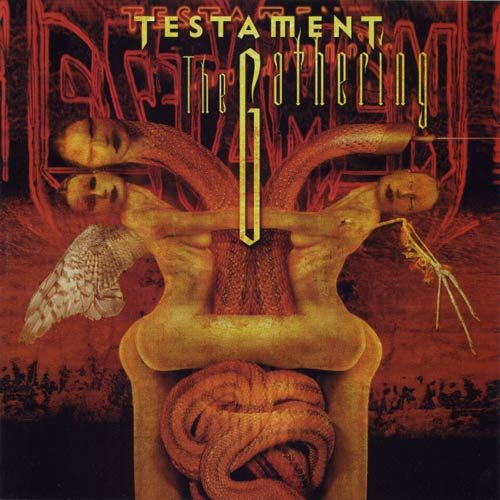
TESTAMENT – The Gathering