



There’s no shortage of talented bands in the Italian underground scene, but one in particular has managed to surprise audiences with a unique and sensational approach.
Bedsore, formed in 2018, has shaken up both the Italian and international scenes with their latest album, Dreaming The Strife For Love, released last November via 20 Buck Spin. The record represents a clear upgrade in their sound. A natural evolution of their debut, Hypnagogic Hallucinations, this second full-length emphasizes a strong progressive component that stands out even more than their death metal foundation. The album brilliantly translates the literary text Hypnerotomachia Poliphili—the conceptual heart of the work—into music, employing diverse stylistic approaches that make the record evocative and introspective, immersing the listener in an emotionally rich, sonically layered experience.
No one could better explain the composition, meaning, and roots of this work than Jacopo Gianmaria Pepe (vocals, guitars) and Stefano Allegretti (synth, mellotron, keyboards).
Hi, guys. First of all, could you introduce yourselves? How did the band start, and what does its name mean?
JACOPO: “Bedsore started as a death metal band with the goal of creating something that sits between different genres. Today, that initial idea has evolved into something more. Back then, we could have just called ourselves a death metal band, but now, in part, it feels almost provocative to stick to that label. Not because we don’t feel death metal anymore, but because the metal component of our sound has grown broader, drawing from other streams, and above all, the experimental side has become more dominant—leading us to what we now consider our definitive formula. As for the name, we wanted a moniker that felt fully ‘death metal,’ because we love the whole ’90s old-school scene, with bands that had very raw, brutal names. At the same time, we liked the duality in ‘bed’ and ‘sore.’ On one hand, it harks back to the archaic meanings of the words, and on the other, it captures a main theme of the band, which we’ve explored through literature and personal experiences: that of dreams and darkness.”
With Hypnagogic Hallucinations, you made a strong impression on the scene, especially because of the approach you took. Even though the foundation is death metal, there’s already a noticeable prog component. Was this idea something you’d long planned, or did you initially just want to be a purely death metal band?
JACOPO: “As I mentioned earlier, the idea had already been brewing for some time. Of course, there are a lot of external factors that influence how you approach producing a record. During the making of Hypnagogic Hallucinations, it wasn’t even certain we’d do a full-length—we initially planned an EP. Then we added another track, and eventually, we realized we had enough material for a longer release. We didn’t have the time to craft a fully cohesive work that could showcase all of our influences.
Honestly, though, that turned out to be a good thing. A debut album can easily risk going in a different stylistic direction than intended. Anchored as we were in death metal—which remains a strong part of our sound—we were satisfied with the release, even if, looking back, I can’t really compare it to what became Dreaming the Strife for Love.”
The split with Mortal Incarnation showcased more clearly the stylistic shift that continued on Dreaming the Strife for Love. Who were your biggest influences?
STEFANO: “The split kind of opened the doors to what would become our definitive sound. With Hypnagogic Hallucinations, we already intended to incorporate all the influences from our musical upbringing—from childhood to adolescence—spanning everything we had absorbed, from prog rock to metal classics. I couldn’t pinpoint exact bands, but there’s definitely been a strong influence from the recent experimental death metal scene, from Venenum to Morbus Crohn, or more generally from bands that merge death metal with other styles. At the same time, we’ve always felt inspired by metal that isn’t purely one thing. The split gave us, maybe for the first time, a chance to really stretch out with a 16-minute track that showcased influences we’d only hinted at before. It was a testing ground for the next album—and ultimately, that’s how it played out.”
The use of instruments like mellotron, trombone, flute, and organ is definitely ambitious. Some listeners may be familiar with these sounds and find the music more fluid, while others may not. What’s your goal—making the music accessible or emphasizing complexity for those who dig deeper?
STEFANO: “Both and neither, I’d say. We like to be intricate because that’s how this kind of music should be composed. Our personal experiences and musical studies give us a certain awareness—sometimes challenging for listeners. At the same time, we try to maintain a degree of fluidity, because in genres like progressive death metal or technical metal, that cerebral work can sometimes feel overwhelming. We aim to strike a balance: music that requires time to fully understand but still provides touchpoints for the listener to feel it viscerally. The use of unconventional instruments comes naturally from our musical backgrounds. It’s like a painter with a rich palette—without it, we’d be using the same formulas repeatedly, which can work but wouldn’t suit Dreaming, inspired as it is by an ancient and complex story. The timbres were our starting point to achieve this result.”
JACOPO: “Our priority is delivering the message itself. Think of progressive rock—and Italian prog especially—behind all the complexity, there’s always a strong concept. With Dreaming, we wanted to convey that message in full. Technicality is secondary; the message takes center stage, though of course the music remains essential.”
One choice that stood out was singing in Italian. Why did you feel the need to express yourselves in your native language? Does it suit your sound better?
JACOPO: “Compared to the previous album, we became more aware of our experimentation and growth. That awareness helped us reflect on other artists’ paths and decide on our own direction. Choosing Italian was the only option for a concept like this. It also allows us to be more expressive and more comfortable conveying exactly what we want, with all the nuances the language offers.
Of course, this adds an international challenge—foreign listeners need to dig deeper—, but that’s part of the message. If you’re not willing to go the extra mile, this isn’t the record for you.”
STEFANO: “Exactly. Translating the lyrics into English would risk losing their meaning. Italian, as our mother tongue, lets us convey subtlety, theatricality, and interpretation that would be hard to achieve in another language.”
Moving to the conceptual side, Dreaming the Strife for Love is inspired by Hypnerotomachia Poliphili, a text about an initiatory journey in search of Platonic love. What struck you about this work, and why is it central to the album?
STEFANO: “The inspiration came from Timo Ketola, the illustrator of our first album’s cover, whom we knew in Rome. He suggested a connection between our music, our name, and this text, which follows the classic courtly love tradition, distinct from carnality. The lyrics inhabit a dreamlike dimension, mirroring Poliphilo’s journey toward his goal. What fascinated us most was how this journey happens entirely within the dream—an unconscious exploration, seeking self-improvement. Yet this dream is also haunted by fear and phobias. The sense of horror comes from visions so grandiose they overwhelm the viewer. It’s a complex concept, influenced by personal research, but rooted firmly in the work itself.”
JACOPO: “As we often said among ourselves, the work was a pretext to tell something much more personal and intimate, but also universal: anyone can tell their story—love, personal challenge, growth, pushing oneself forward in life, whether in small adventures or major ones.”

You produced the album through 20 Buck Spin, a label that’s recently shown interest in many talented bands. How has this experience been? Has it expanded your audience or motivation?
JACOPO: “Working with 20 Buck Spin pushed us further into a personal direction. Having the support of a strong label with a large audience gives us confidence. It’s the reassurance that someone believes in our ideas, which motivates us to push even further.”
As yet another successful death metal band from Rome, which local bands do you admire, and who would you tour with?
JACOPO: “Rome has many interesting acts that shaped the underground scene, like Hideous Divinity in a different genre, and many others still thriving. But if I had to mention one band, I’d say Thecodontion—they share something with us. Not only did we practically grow up together, but they also pursued experimentation, albeit differently.”
STEFANO: “We’d also like to collaborate with Master Boot Record, who aren’t exactly death metal, but our music isn’t strictly so either. Thecodontion, though, are longtime acquaintances—we’ve recorded their material and experienced their approach firsthand.”
Given the results of Dreaming the Strife for Love, is this your final identity, or should we expect transformations and further evolution?
JACOPO: “What we showed in Dreaming is our personality, our formula—but 46 minutes isn’t enough to exhaust our musical growth. There could be three or four more albums under this concept, but they won’t all be the same. There’s still so much to explore, musically and conceptually.”
STEFANO: “There could be variations in genre exploration, but we’ll remain true to what we’ve built, enriched by influences we don’t yet know—and even if we did, it wouldn’t make sense to reveal them now.”
You clearly value aesthetics, and Rome has many locations fitting for your concept and shows. Where would you ideally perform?
JACOPO: “Aesthetics are important but secondary to music. Still, it’d be amazing to play in places that enhance our concept. In Rome, Piazza della Minerva inspired the first track of the album. Outside the city, the Bomarzo forest resonates with the work’s imagery. Villa d’Este would also be fantastic.”
STEFANO: “Further north, there’s Scarzuola, a 20th-century villa, or the Labyrinth of Masone near Parma—other perfect locations. A complex concept deserves a fitting frame.”
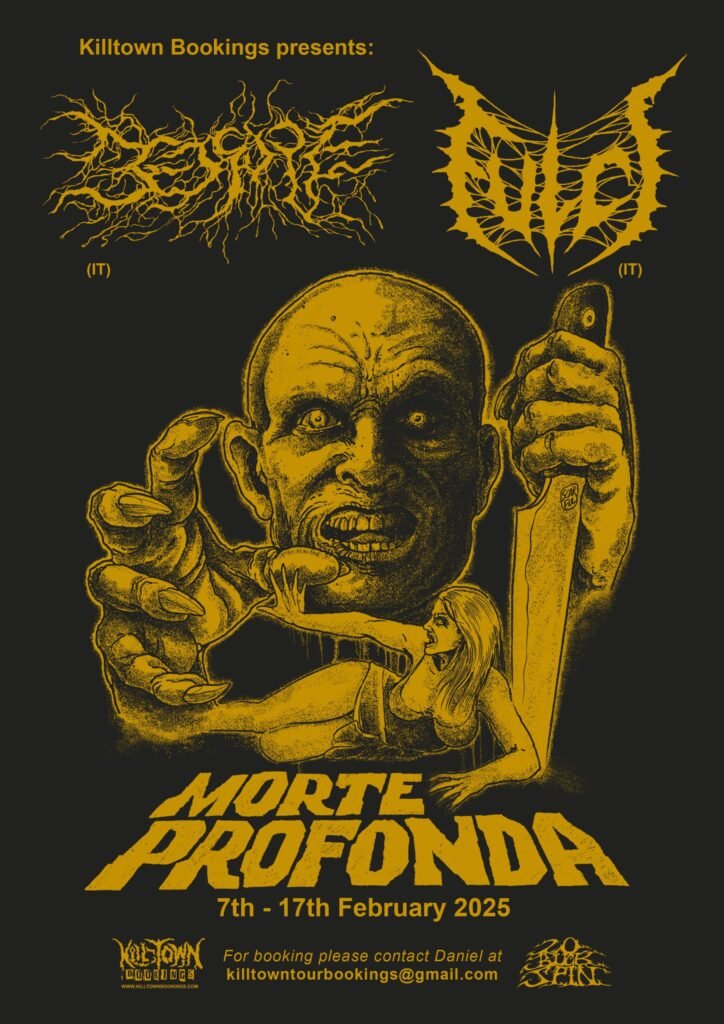
Would you project concept visuals behind you during live shows, like Fulci-style screenings?
STEFANO: “It could work. Some visuals, like the Scars of Light video or the short film Polia, inspired by Hypnerotomachia Poliphili, could fit well. We’d definitely create something organic.”
JACOPO: “Unlike a Fulci show, where pre-existing films create the experience, we’d reinterpret something ancient, translating text into images. It’s an interesting idea, but would require careful planning to align visually with our music and themes.”
Related articles
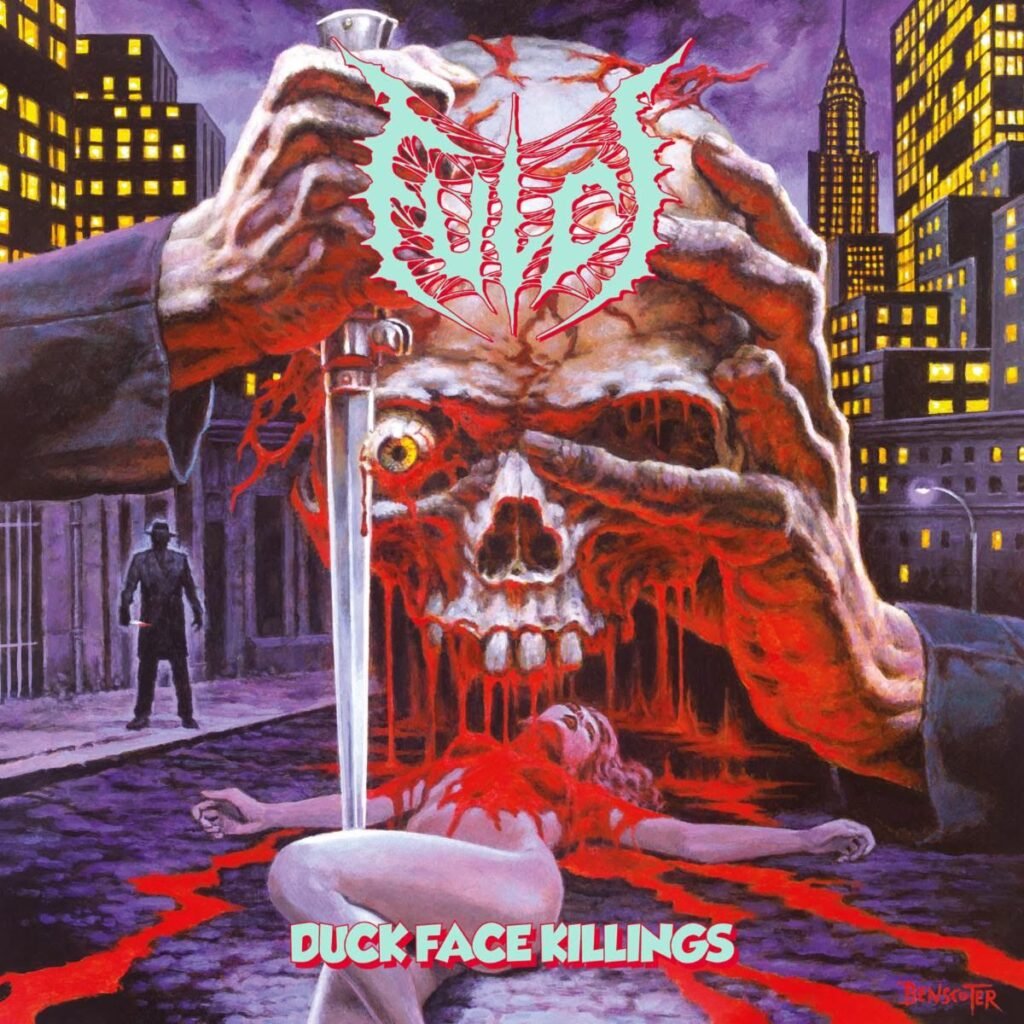
FULCI – Duck Face Killings
15 November 2024
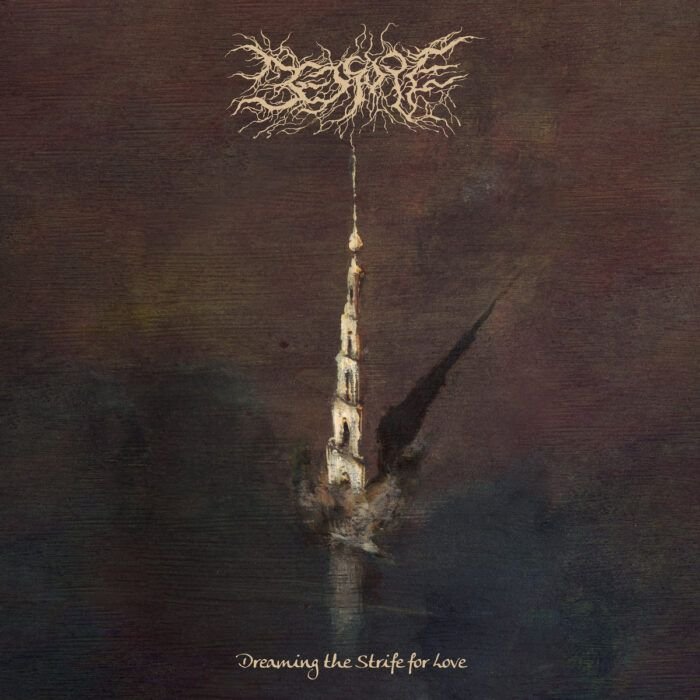
BEDSORE – Dreaming The Strife For Love
29 November 2024
FERAL FORMS – Through Demonic Spell
6 December 2024