

Skinflint official website
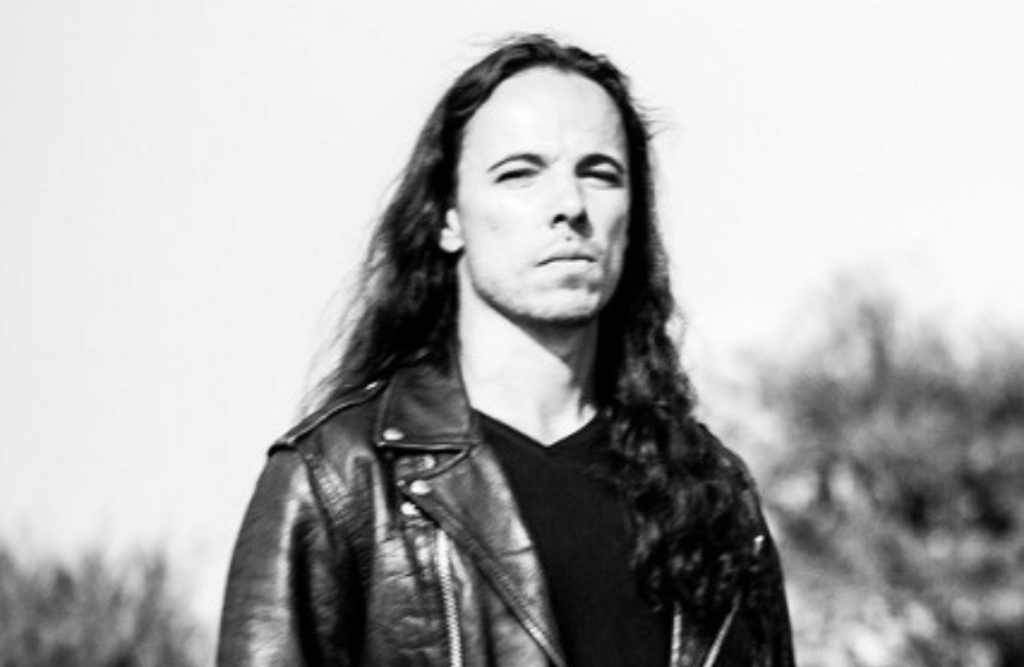
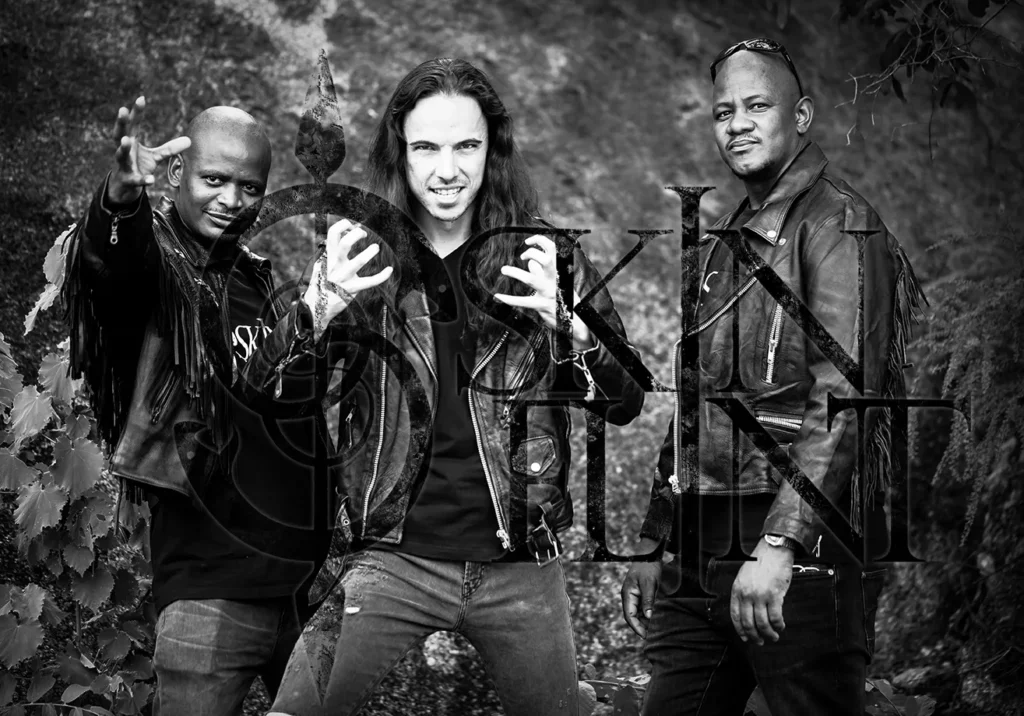
The band has been active since 2006 and have released 7 full-lengths and 2 EPs, proving to be a very solid act. What were the positive and negative aspects of your journey?
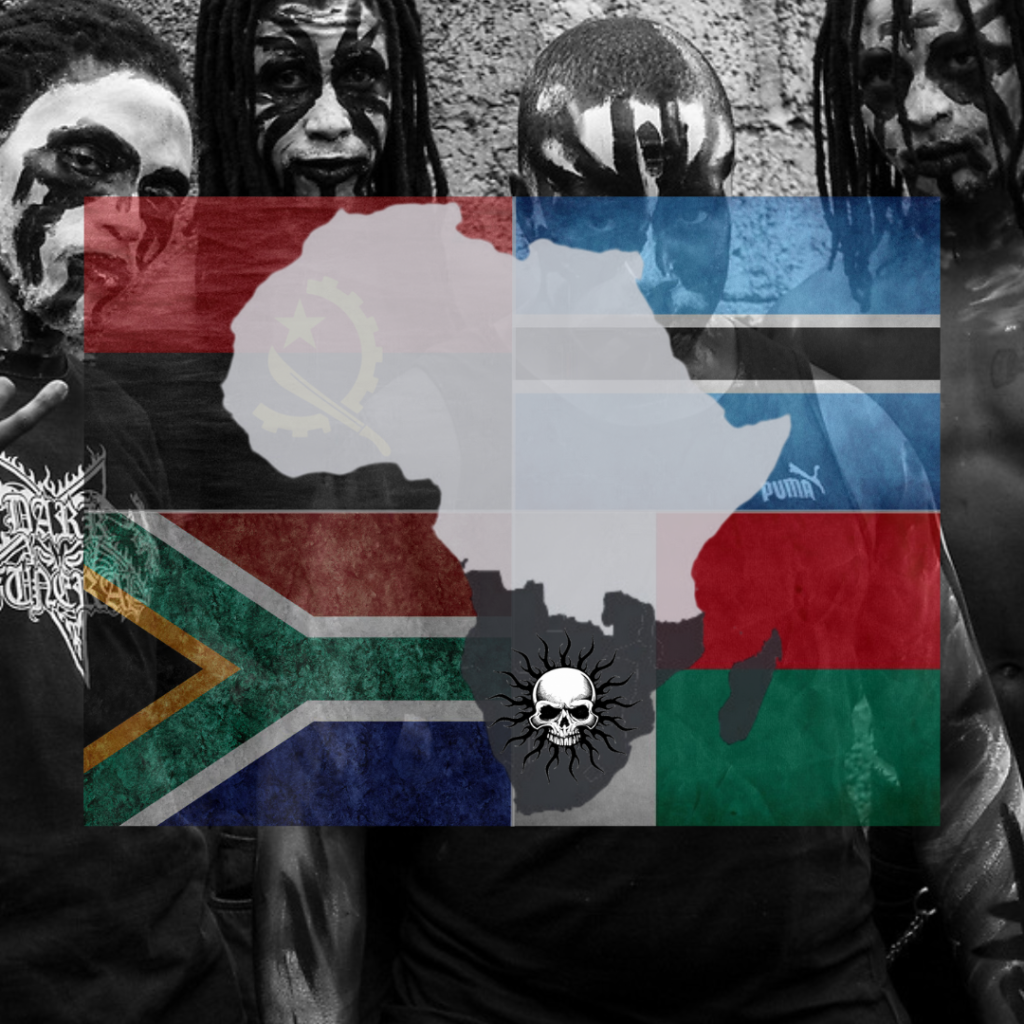
“The positives are that we had a vision and we stuck by it. To see this artistic vision come to life brings us happiness. Because it was so much harder than I can describe here. It is already difficult to be in a Metal band, but even harder so when you are from Botswana, Africa. There are several reasons for this, including lack of venues who support our music, logistics, no promoters who work with metal and travel expenses are very high with long distances between places here. Everything we did, from setting up shows, sound, to recording and all of that, we had to do entirely on our own. But despite the challenges we are proud of our scene here, even though it is small, the fans are very dedicated and passionate about Metal. In addition, we are fortunate to have been able to tour Africa, Europe and the USA. To play our music to our fans all over the world is the best feeling for us. The touring has been enriching both on a musical and personal level. Experiencing new cultures and meeting amazing people along the way. I think the biggest positive is that the challenges have humbled us, it has taught us never to take anything for granted and remember where we come from. It has been a long and difficult journey, through dark times and happy moments, but we have survived through the passion and love we have for making music together.”
What I find very fascinating is the concept of African mythology in your lyrics. Could you say something about this and perhaps give a bit of a background for those not in the know on these themes?
“I came up with the idea to include African mythology in the band’s lyrics because Africa is a continent rich in history, myths and oral tradition. It bothered me deeply that most of these tales and stories from Sub Saharan Africa were rarely covered by mainstream media. From books, to films, games and music. There was little, if anything, on them. In addition, not much of it was taught in schools either here. Most of the fantasy in mainstream media was usually Tolkien fantasy tropes that people copied. Not that I have a problem with it, but that there was a whole other world to explore and this was such a missed opportunity I felt. Metal was a perfect platform for me to tell these tales, because it is a genre that pushes boundaries and breaks stereotypes. So I included the darker aspects of these myths, including demons, witches, vampires and spirituality. But also some historical events too. In all my lifetime’s work, this is what I am most proud about, and it has become so integral to the band’s sound and concept, that if you remove the myths from the band, then you remove the reason for Skinflint to exist.”
Some of your albums, like Dipoko and Nyemba, have very particular titles. What do they refer to? Have you ever considered using a local language, in addition to English, for your lyrics?
“Dipoko means ‘spirit/ghost’ in Setswana and Nyemba was based on witchcraft practices in West Africa. We use certain phrases and words in the local tongue from the region of the myths, but the lyrics are in English.”
It’s not very common to hear about metal bands from Botswana, but the metal scene of your country has also been noticed abroad recently. Would you call it poor or active? And why?
“Botswana has a small but dedicated following of metal fans. I don’t think the scene is big enough and many bands here struggle to make ends meet at shows. Most of the bands here play for the love and passion of Metal music. The general public has not really accepted Metal here, many are ignorant of the scene, and some know of it but just don’t care about it. We are a very small community.”
Some say that Skinflint is not only one of the main bands of Southern Africa, but also the best performers of “African Metal”, and I totally agree. How does it feel to be considered innovative?
“It’s humbling. We knew we were at a disadvantage compared to many bands from the first world. So we had to use our environment and limitations, to turn it into strength. I think some of the best innovations come from limitations.”
After almost twenty years, you have reached a great stylistic maturity, and the latest album “Hate Spell”, fully demonstrates this. What are your plans for the future? Do you have new albums planned?
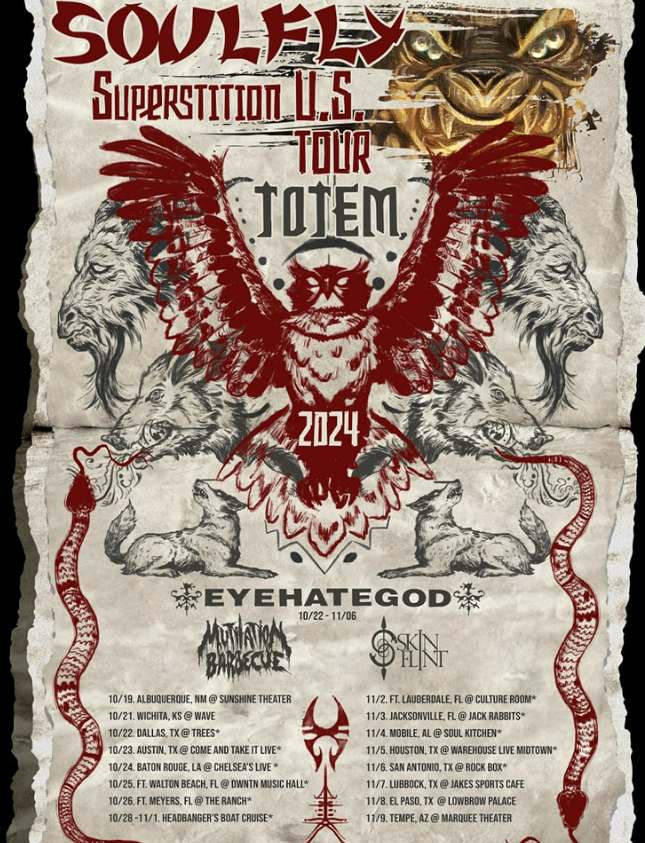
“Thank you. We recently just recorded another album which will be released worldwide this year. We are also honored to be returning to the USA in support of Soulfly in October-November 2024.”
Lastly, how would it feel to play in Italy? How would you imagine that experience?
“We played in Italy for the first time this May during our European tour in Rome. It was an incredible experience for me. Italy is such a beautiful country—we loved the food, the people, and the stunning places we visited. We’ll definitely be back, and next time, we hope to meet you.”
It’s been an honor to interview you—not just for your music, but also for your career and heritage. As an Italian, I hope to meet you and catch one of your shows here. Thank you again, Giuseppe, for taking the time to answer my questions.
“Thank you for supporting Skinflint and African metal. Keep the fire burning!”