Extreme is the way

Ozzy Osbourne: From Darkness to Legend – Part two

From his rebirth to his death, the godfather of heavy metal gifted his audience the final works of his immense career.

The Dark Years and the Rebirth with Ozzfest

By that point, Ozzy had made it: he had managed to rise again after being pushed out of one of the most important bands in history, and he was becoming more and more of a full-fledged icon. His image was no longer tied solely to music, but also to his personality and his constant, over-the-top antics.
 
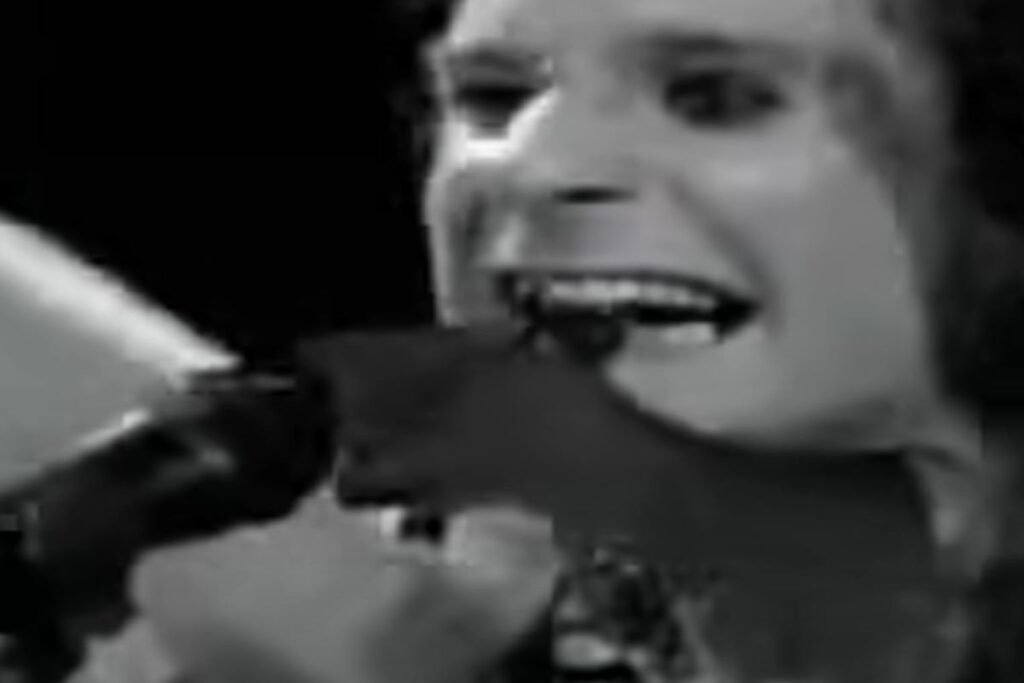
Who could forget the infamous 1982 Des Moines concert? That night went down in history: the bat incident remains one of the most iconic moments in rock lore. Even Ozzy himself acknowledged it bluntly: “It’s not how I’d want to be remembered,” he told the Los Angeles Daily News, “but I know I’ll be remembered as the man who bit the head off a bat. That’ll be my epitaph.”

Ozzy Osbourne in the infamous bat-biting scene. Blitz Quotidiano
The myths that grew around him from that moment weren’t just rumors—they were reflections of a life consumed by excess. And that was only one sign of a destructive spiral.
 
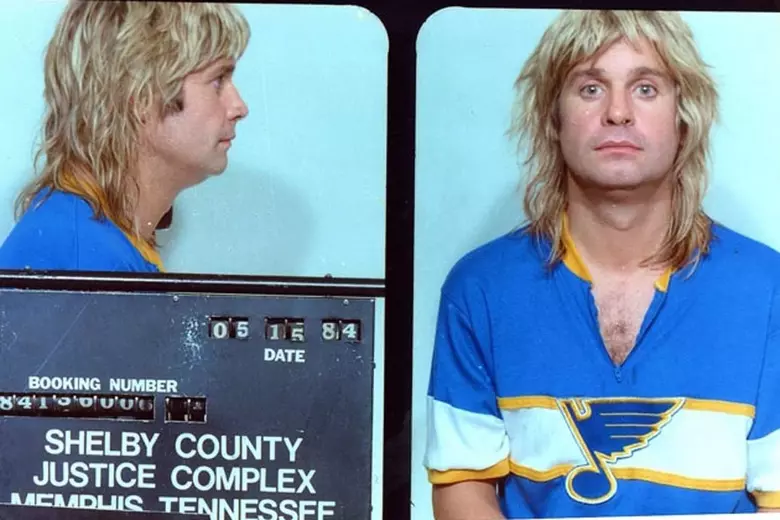
Sharon stood by him more than anyone else, trying to help him fight every addiction. Yet Ozzy kept relapsing: alcohol became part of his daily life, to the point that in 1984 he was arrested in Memphis for public intoxication.
 
The lowest point came in 1989, when, after drinking four bottles of vodka, he attempted to strangle his wife. He was arrested for attempted murder, but Sharon dropped the charges on one condition: that he return to rehab—this time for six months.

Ozzy’s mugshot in jail in 1984. Ultimate Classic Rock
It was a breaking point. The legend had hit rock bottom, revealing his darkest side. Yet even in that darkness, he found a way back.
 
It wasn’t just No More Tears that symbolized his rebirth, but especially Ozzmosis, a darker, more introspective record. Tracks like Perry Mason and See You on the Other Side explore alienation, justice, and loneliness, reflecting a deeper inner transformation.

That transformation, during one of his clearest periods, came largely thanks to his wife. In 1996, they founded Ozzfest—a festival that, for the first time, brought together metal giants and rising acts from around the world.
 
This is where Ozzy’s role evolved: he was no longer just a musician or a wild frontman, but a true leader of the metal scene.
 
From then on, he didn’t just promote emerging bands—he championed their sound, embracing innovation and stylistic change within a genre he had helped invent with Black Sabbath and carried forward as a solo artist.
 
The man who once struggled to stay upright on stage was now holding up an entire musical movement.

The 2000s: The Osbournes and New Albums

Once again, Ozzy stayed on top. After nearly collapsing, he redefined his role in the metal world as mentor, unifier, and guardian of tradition—while still connecting with younger audiences.

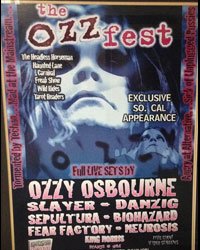
The flyer of the first Ozzfest edition (1996)
In the early 2000s, he became a pillar of the global metal scene, earning respect from a new generation of musicians. His image had grown so large it was bound to transcend music—and it did in 2002 with The Osbournes, the MTV reality show that followed the chaotic yet genuine daily life of the Osbourne family: Ozzy, Sharon, and their children Jack and Kelly.
 
It was an unexpected smash hit. Millions tuned in weekly to watch the Prince of Darkness navigate confused mornings, absurd jokes, and domestic chaos. Airing from 2002 to 2005, the show completely reshaped his public image. Ozzy became a pop culture icon, winning over audiences who had never even listened to Black Sabbath or his solo work.

The title card of The Osbournes
And therein lay his true strength: he hadn’t lost his wild spirit—he had humanized it. By showing himself vulnerable, eccentric, and authentic, he became more universal than ever.
 
Still, he never stopped doing what he did best: making music. Down to Earth marked a strong return, reaffirming his status as a major figure in rock.
 
After six years of silence, he returned with Black Rain (2007), once again working with Zakk Wylde and drummer Mike Bordin. Despite mixed reviews, the album confirmed his enduring presence in an era dominated by new genres.

Then came Scream (2010), featuring guitarist Gus G. While it didn’t leave a major mark, it proved one thing: Ozzy kept making music with consistency and determination, even outside the spotlight.

Reunion with Black Sabbath and the first health problems

After 2010, things seemed to be going well. Ozzy was writing music again, collaborating with major artists—and in 2011, he announced something no one expected: a Black Sabbath reunion.
 
The original lineup confirmed not only a world tour, but also a new album. However, plans were delayed when Tony Iommi was diagnosed with lymphoma.
 
Once again, Ozzy stepped in. While waiting for his friend’s recovery, he launched Ozzy & Friends, a supergroup featuring Zakk Wylde, Slash, Geezer Butler, and Tommy Clufetos.
 
Finally, in 2013, Black Sabbath released 13, with Ozzy on vocals for the first time since Never Say Die!. Produced by Rick Rubin, it marked a powerful return to their roots. Despite Bill Ward’s absence, it felt like a closing chapter for one of the most influential bands in music history.

Afterward, Ozzy continued performing, but in 2019, he suffered a serious fall at home, worsening injuries from a 2003 ATV accident. The damage to his spine required multiple surgeries, including metal rods and screws, marking the beginning of chronic pain and mobility issues.

The Last Years

In 2020, as the world shut down due to the pandemic, Ozzy revealed he had been diagnosed with Parkinson’s disease back in 2003. His condition worsened, and he faced further surgeries.
 
Yet even then, he found strength in creativity, releasing Ordinary Man—his first album in ten years. Created in just four months with collaborators like Duff McKagan, Chad Smith, Slash, Elton John, and Post Malone, it was a deeply personal record.

Blending classic Ozzy with melodic and orchestral elements, Ordinary Man felt almost confessional—a man confronting mortality with clarity rather than fear.
 
But it wasn’t the end. In 2022, he surprised everyone again with Patient Number 9, an ambitious, heavy, and vital album featuring Mike McCready, Jeff Beck, Eric Clapton, Tony Iommi, and Zakk Wylde.

Despite its darker themes, his voice remained powerful, his lyrics sharp, and his inspiration strong. If Ordinary Man felt like a farewell, Patient Number 9 suggested otherwise—a final spark of hope.
 
Unfortunately, time caught up with him. Between 2022 and 2023, his condition worsened, leading to a fourth spinal surgery. Ozzy officially retired from touring—but not from music.
 
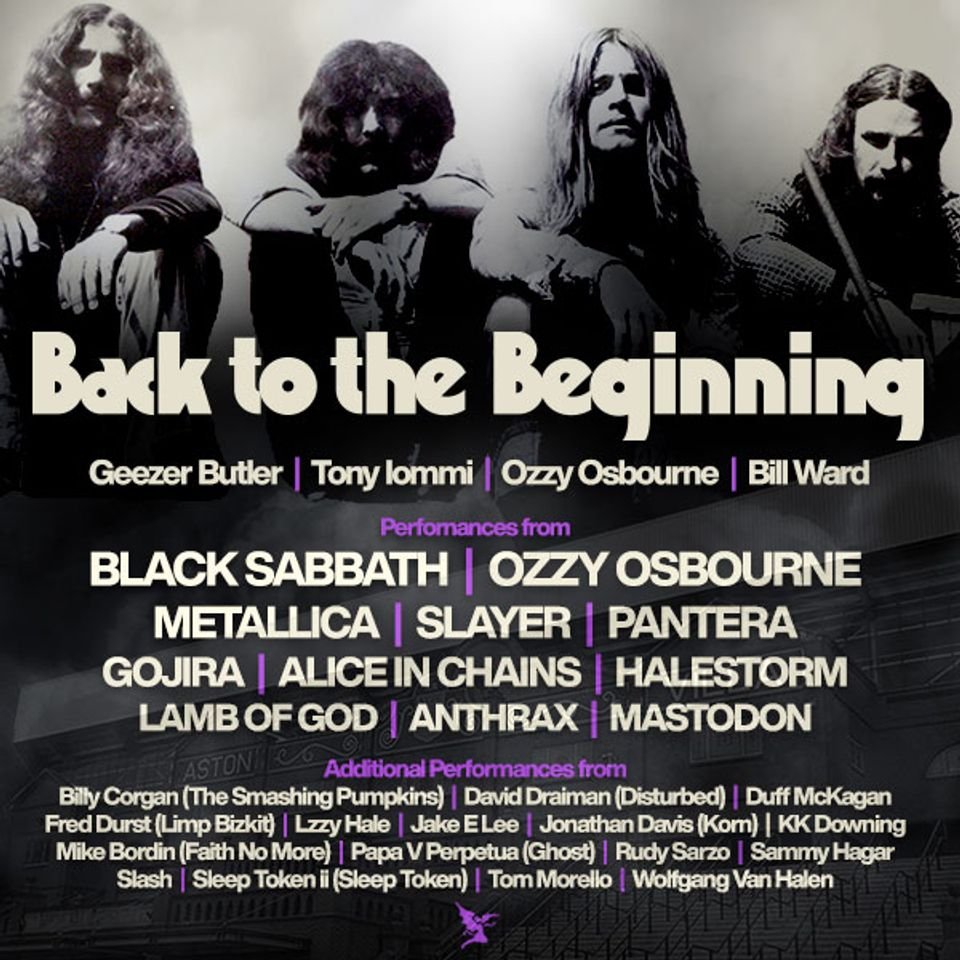
He had one final wish: to perform one last show for his fans. That moment came on July 5, 2025, at Villa Park in Birmingham, his hometown. Black Sabbath reunited with their original lineup for what became a historic event, joined by Metallica, Slayer, Pantera, Gojira, Alice in Chains, Lamb of God, Anthrax, Mastodon, and Halestorm, alongside guests like Billy Corgan, Tom Morello, Slash, Duff McKagan, and Sammy Hagar.

The flyer of the Back to the Beginning
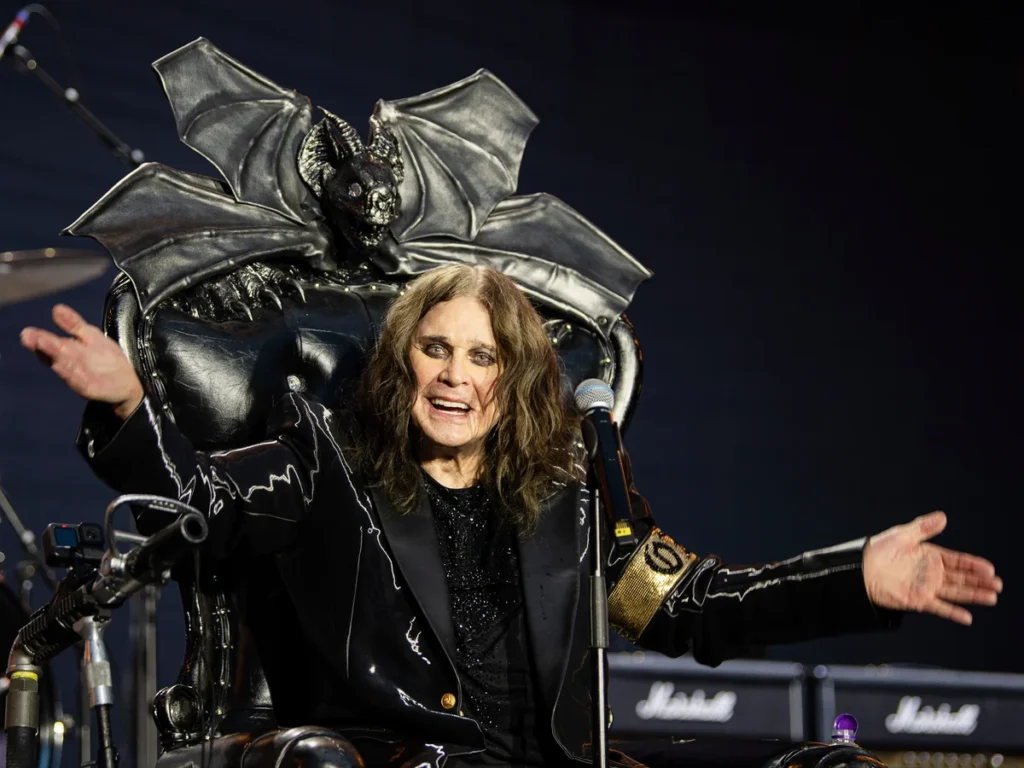
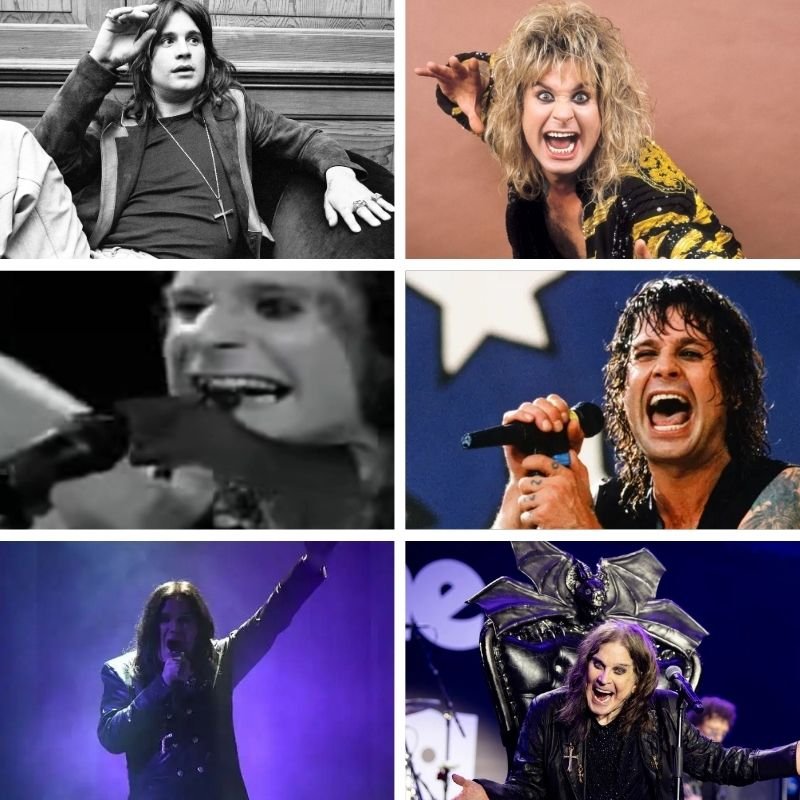
Despite years of battling Parkinson’s, Ozzy took the stage seated on a bat-shaped throne, performing five solo songs—from I Don’t Know to Mama, I’m Coming Home—with dignity and determination.
 
It wasn’t a perfect performance, but it was powerful—human. The event raised £140 million for charity, supporting hospitals and local organizations.

Ozzy during his last concert. The Guardian
Every artist paid tribute to Ozzy and Black Sabbath, turning the night into a massive celebration of his legacy. It was the farewell he had always wanted.
 
Seventeen days later, on July 22, 2025, Ozzy Osbourne passed away. In a twist of fate, the Prince of Darkness left the world just after saying goodbye on his own terms—fulfilled, proud, and remembered not only as a pioneer, but as a leader and an icon.

Related articles

Leave a Reply

Your email address will not be published. Required fields are marked *

Share