Extreme is the way

Ozzy Osbourne: From Darkness to Legend – Part one

The Prince of Darkness passed away at the age of 76, leaving a significant legacy in the history of music.
What would this musical genre be today without the band, the artist, or—better yet—the icon who brought it to life? There are plenty of personalities who have made history, but then there’s Ozzy Osbourne, who screamed it, shaped it, and turned it into an anthem for millions of rebellious souls—a cry that, even today, echoes louder than ever following his passing.
 
With his witch-like laugh and a gaze always slightly lost in the shadows, he gave voice to a generation searching for freedom, anger, and identity. He fought demons both inside and out, always rising from his darkest moments, and, as if that weren’t enough, he taught his disciples a philosophy that still lives on today.

Adolescence and Early Steps in Music

John Michael Osbourne was born on December 3, 1948, in Marston Green before moving to Aston, a working-class suburb of Birmingham—a city thick with soot and suppressed dreams. Growing up in a tiny house with five siblings, he often described his childhood as difficult. His father, Jack, worked night shifts at a factory, while his mother, Lilian, endured grueling hours at an automotive company.
 
At school, young John was an outcast. Struggling with dyslexia and attention disorders, he became a frequent target of ridicule. By age 15, his life was far from that of a typical teenager: he dropped out of school and took on various manual jobs, including construction, plumbing, stagehand work, factory work, and even butchery.
 
Yet, in those troubled days, a spark was lit: The Beatles. When he heard She Loves You on the radio, he realized music could be an escape. But first, he had to face hardships: bullying, a brief stint in jail—six weeks for stealing a TV from a neighbor’s house. There, he learned he wasn’t cut out for a “normal” life, and music became the one path to redemption.

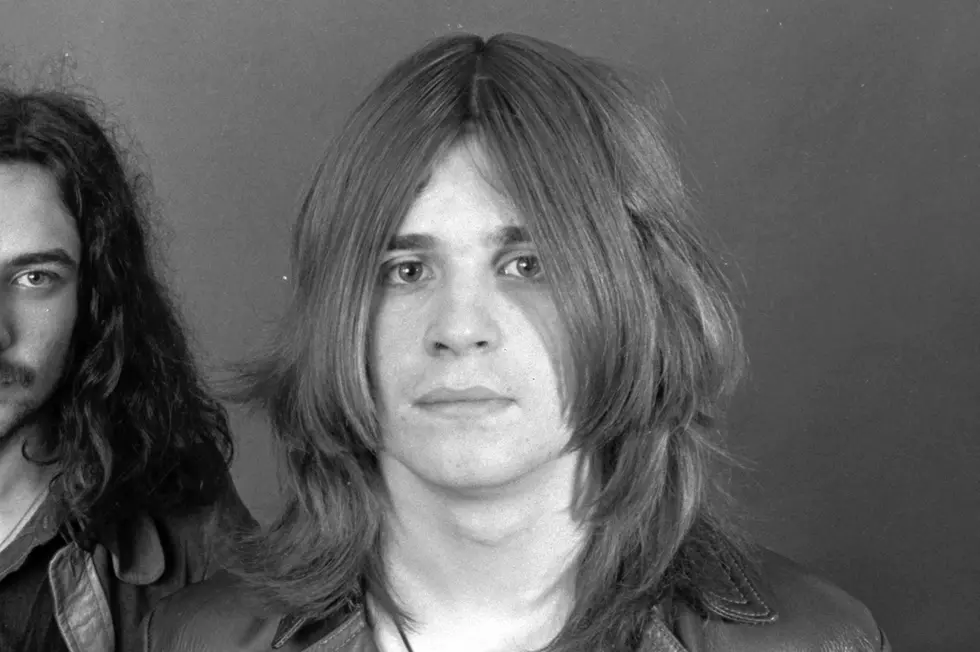
Ozzy Osbourne in the pre-Black Sabbath era. Loudwire
In the years that followed, he began stepping into the music world. Encouraged by his father, Ozzy tried joining several local bands, ultimately finding a fit with Rare Breed. The band was short-lived, but it was here that a pivotal encounter happened: meeting bassist Geezer Butler, with whom he immediately formed a bond.
 
The two didn’t stop there. Ozzy put out ads around Birmingham for a new band, and Tony Iommi and Bill Ward responded. Together, they formed a new group in 1968, initially called Polka Tulk Blues Band, then Earth.

Earth, future Black Sabbath, in 1968. Black Sabbath Online
In this early phase, they played blues-rock covers blended with psychedelia across local venues until they realized a radical change was needed. To stand out, it wasn’t just the slow, heavy sound that mattered—it was also the name.
 
The sound had to be darker, heavier, intimidating. Butler found inspiration after seeing a packed cinema screening a horror film: people were paying to be scared, and they wanted to channel that energy. Eventually, inspired by Mario Bava’s famous film, the band adopted a name that would go down in history.

The Breakthrough with Black Sabbath

In 1968, Birmingham witnessed the birth of Black Sabbath. Determined in their vision, they composed the self-titled track: dark, slow, menacing, and laden with tritones—a sound unlike anything else at the time.
 
The real game-changer came two years later, on February 13, with the release of their debut album, which was immediately recognizable even from its iconic cover. Beneath its slow, ominous, sometimes unsettling atmosphere lay the creativity of four revolutionary young men, led by a singer whose presence completed the picture.

Geezer Butler contributed the concept, Tony Iommi the signature distorted guitar sound, Bill Ward the weighty rhythm—and Ozzy? He brought it all to life. His voice was powerful, expressive, and raw, perfectly matching his persona: the quintessential frontman, shaping not only the sound but the attitude and aesthetic.
 
Ozzy had already become an icon. Working-class youth and rebellious teens immediately identified with both Black Sabbath’s music and the man at its center—a figure who embodied a new way of seeing, thinking, and making music.

The band confirmed this with a second, definitive leap: Paranoid. Released just months after their debut, it became a worldwide success, driven by Ozzy, now confident, sharp, and biting. The title track—written in just 20 minutes to fill space—became the band’s signature song, alongside classics like Iron Man, Electric Funeral, and the immortal War Pigs, and addressed serious, apocalyptic themes in a way unprecedented.
 
Following Paranoid, Black Sabbath didn’t slow down. The world watched in awe as they walked a tightrope between genius and self-destruction, and at the center stood Ozzy: the crooked, cursed prophet. Across Master of Reality, Vol. 4, Sabbath Bloody Sabbath, Sabotage, and Technical Ecstasy, he remained the core of the band’s sound, presenting it with his personality imprinted on every note.

The results were outstanding, especially in terms of stylistic evolution, but during those years Ozzy became the embodiment of the anti-star: he loved beer, hated interviews, seemed possessed on stage, and off stage was a complete train wreck—fueled in no small part by substance abuse. A period that would inevitably change the band’s fate.

Solo Career

Internal tensions escalated. With Sabotage marking a pivotal period and Technical Ecstasy straying from Ozzy’s vision, he briefly left the band in 1977, replaced by Dave Walker, before returning for Never Say Die!. But the chemistry had gone, sessions were tense, and Ozzy was merely a shadow of himself.
 
In May 1979, Black Sabbath officially announced its departure. The painful decision, made by Tony Iommi, aimed to “save the band” from Ozzy’s increasingly destructive influence. Disillusioned and drug-addled, Ozzy thought his career was over—until Sharon Arden, future wife and manager, saw not a wreck but a legend waiting to rise again.

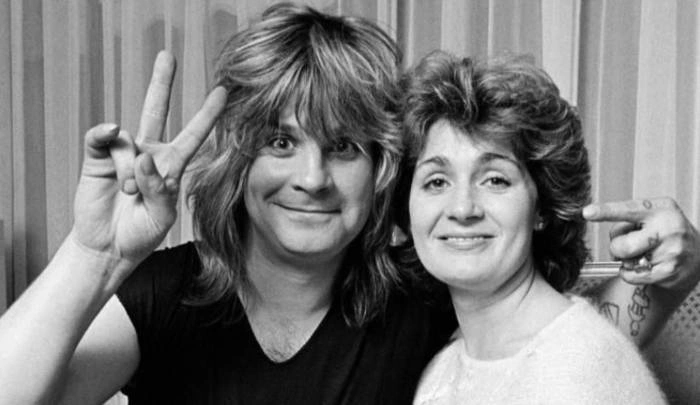
Ozzy and Sharon Osbourne during the '80s. Vintage Heavy Metal
With Sharon’s guidance and support from her father, Don Arden, Ozzy formed a new band. The true game-changer, however, was meeting Randy Rhoads, a young guitar prodigy who had formerly been in Quiet Riot. Their bond was instant, combining technique, melody, and innovation in perfect alignment with Ozzy’s vision.
 
Blizzard of Ozz (1980) proved this new chapter: an album by an artist at the peak of his craft, not merely rising from ashes. Hits like Crazy Train and Mr. Crowley launched Ozzy’s second life—he was no longer just the former Black Sabbath singer but a force unto himself.

The following year, Diary of a Madman cemented his success: darker, more orchestral, with Rhoads’ guitar work central to Ozzy’s sound. Tracks like Flying High Again and Over the Mountain combined energy with melancholy, while the title track was dramatic and imposing.
 
Tragedy struck on March 19, 1982, when Rhoads died in a plane crash. Ozzy plunged into grief and addiction but found the strength to rise again, collaborating with new guitarists who reinvigorated his sound.
 
Jake E. Lee brought energy to Bark at the Moon (1983) and The Ultimate Sin (1986), while Zakk Wylde debuted on No Rest for the Wicked (1988), adding a harder edge and marking Ozzy’s ultimate rebirth.

Every time the world tried to bury him, Ozzy clawed back—defiant and unbreakable. He was more than an icon; he became the living emblem of survival, a symbol that even in chaos and despair, some spirits refuse to be shattered.
 
No More Tears (1991) showcased this transformation: tracks like I Don’t Want to Change the World, Mama, I’m Coming Home, and Hellraiser revealed a shift from the darker ’80s tones to cleaner productions, deeper melodies, and personal songwriting.
 
From that point on, Ozzy’s legend grew—not only for his music and resilience but as a pop culture figure, famous beyond the world he himself had created. This expansion into broader fame marked a new era for both Ozzy and the musical genre he helped define.

Continues

Related articles

Leave a Reply

Your email address will not be published. Required fields are marked *

Share