Extreme is the way

Down Under Extreme: Origins and Development of the Australian Metal Scene – Part two

Alongside Melbourne and Sydney, the other major cities have also contributed to the evolution of extreme music across the country.

Perth: Isolated but Creative

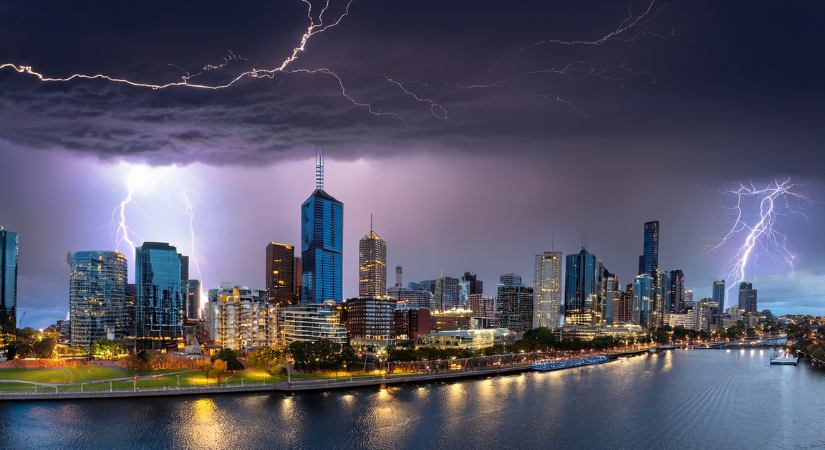
The city of Brisbane is Australia’s third-largest by size and population. It stands out for giving rise to a wave of bands and fans. Over a few decades, they built a solid hub for the country’s metal movement.
 
Brisbane showed an early predisposition to extreme music as far back as the 1970s, when the local scene was dominated by punk in a fiercely DIY, constantly evolving environment. However, compared to other Australian cities, Brisbane experienced a more challenging period for the underground movement, largely due to restrictive local laws.
 
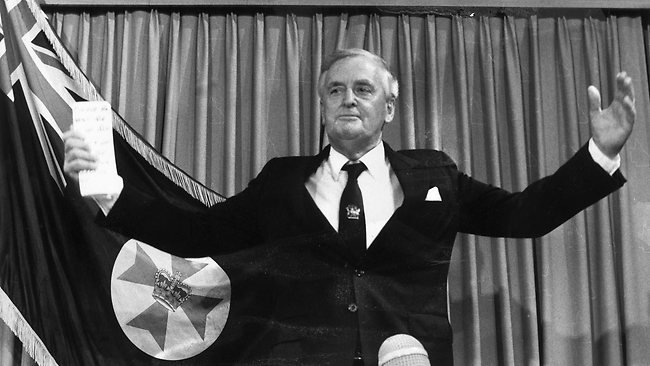
Australia is a federal republic, and much like the United States, each state has considerable autonomy. During that era, Queensland—of which Brisbane is the capital—was ruled by Joh Bjelke-Petersen, a notoriously hardline premier.

Joh Bjerke-Petersen. Star Observer
Born in New Zealand to Danish immigrants, Bjelke-Petersen moved to Australia as a child and began a political career.
 
Over nearly 20 years (1968–1987), Queensland became a police state: public demonstrations were banned, gatherings controlled, and law enforcement had broad authority to disperse crowds. Bjelke-Petersen, a self-proclaimed “Christian fundamentalist,” viewed alternative art, feminism, and rebellious music as moral threats.
 
The punk community bore the brunt. Laws banned gatherings of more than five without permission. Impromptu concerts were interrupted, and attendees were often arrested or removed.
 
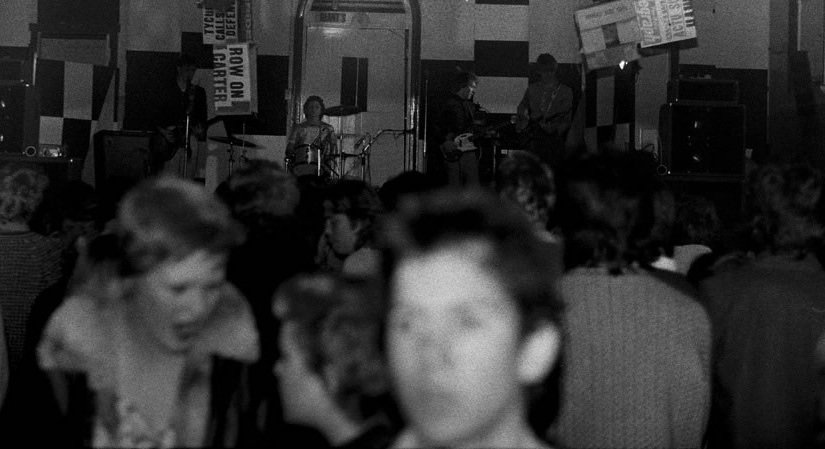
Law enforcement operated in force: checkpoints, beatings, and arbitrary arrests—often without charges—were common. Notable events like the November 1979 Baroona Hall raid, where seven police cars dispersed the crowd, remain infamous.

Barona Hall during a concert in 1980. Queensland Government

Despite oppression, fans and musicians persevered, performing on makeshift stages and fueling the raw energy that would define Brisbane’s scene.

Pioneers included the Saints, active since 1973, who released their debut album (I’m) Stranded in 1976—predating even the Sex Pistols and The Clash—and made a strong international impact with their fast, aggressive sound.
 
Another historic act was Vampire Lovers, active in the early 1980s, blending horror-punk and heavy metal with a theatrical, provocative aesthetic. While often associated with glam and punk, their sound anticipated stylistic trends that would flourish in later years.
 
After Bjelke-Petersen’s government ended, Brisbane responded to decades of oppression by becoming the epicenter of one of the most extreme scenes ever witnessed in Australia.

Misery was among the first to shake up the city’s metal scene with their ferocious, aggressive death metal. Their debut album, A Necessary Evil (1993), remains a milestone, inspiring bands like Obfuscate Mass and Mausoleum, while Sakkuth explored a more melodic approach.
 
Brisbane also nurtured black metal acts such as Astriaal and Gospel of the Horns, known for seminal works like Renascent Misanthropy and The Satanist’s Dream.
 
Oltre al death, in città ebbe modo di crescere anche il black con acts come Astriaal e Gospel of the Horns, diventati noti grazie a perle come Renascent Misanthropy e The Satanist’s Dream.
 
However, no band has made as defining an impact on Brisbane as Portal.

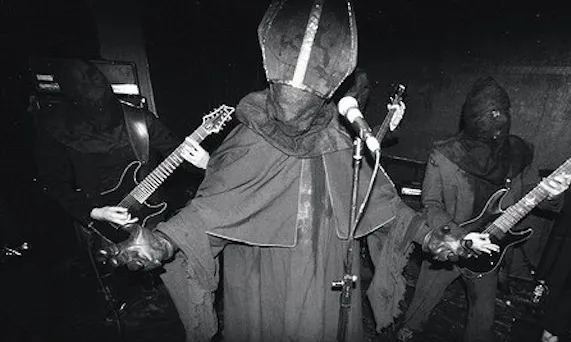
Portal during a concert. Vice
Renowned for one of the most striking and theatrical aesthetics in the global extreme metal scene, Portal created a completely unconventional sound: no verse-chorus structures, no recognizable riffs or breakdowns, tremolo-picked to extremes, dissonant harmonics, atonal chords, oppressive blast beats, disturbing polyrhythms, and inhuman growls.
 
Each album—from Seepia (2003) to Hagbulbia (2021)—is a concentrated dose of horror, chaos, and avant-garde metal, establishing Portal as a truly unique force in Australian extreme music.

Driven by this creative surge, Brisbane has continued to grow since the 2000s, producing talent across subgenres.
 
Death metal bands like Disentomb have gained international recognition with brutal, technical albums such as Misery (2014) and The Decaying Light (2019). Deathcore acts like Aversions Crown, A Night in Texas, Crowned in Flesh, and Gutknife BD also emerged, attracting overseas attention.
 
Younger talents include Descent (a blend of death, black, and hardcore), Awful Noise (brutal deathgrind), and thrash outfits like Asylum, Ancient Remains, and Odius, all channeling old-school influences with modern twists.

Brisbane proves to be a dynamic city—arguably as influential as, if not more than, the two main metropolises—not only in size and population but also in historical impact. Its extreme metal scene continues to expand, producing a constant flow of talented bands.

Perth: Isolated but Creative

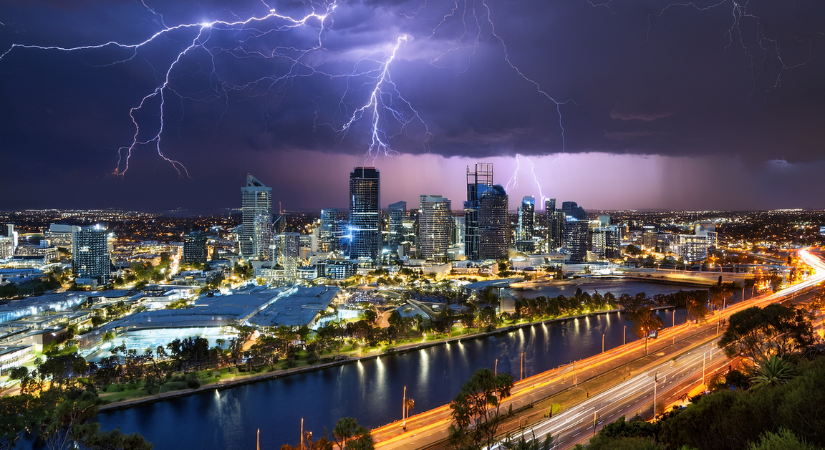
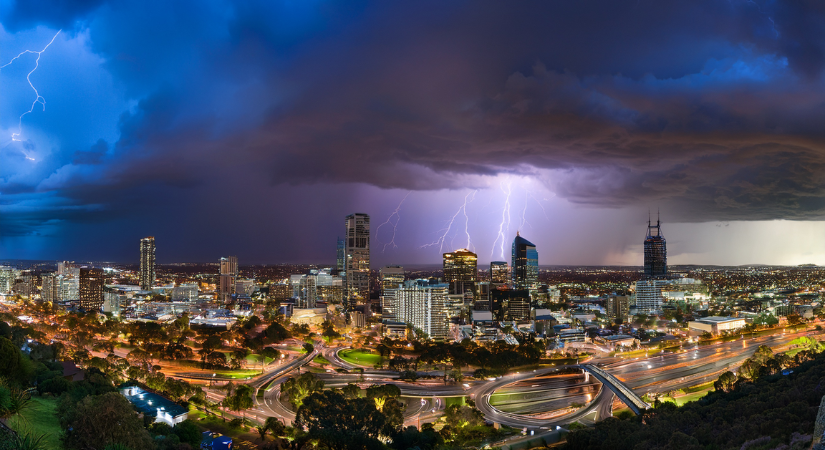
Perth, the largest city on Australia’s west coast, has gradually built its metal scene through resourcefulness and innovation.
 
Although the fourth-largest city, Perth’s geographic isolation—cut off by ocean and desert from the rest of the country—posed challenges. Yet the city nurtured its scene through self-made instruments, improvised shows, and a unique attitude. The 1970s Perth metal scene was still in its infancy: no labels, no dedicated venues, no language to describe the emerging sound—yet bands were already pushing rock toward heavier, louder territory.

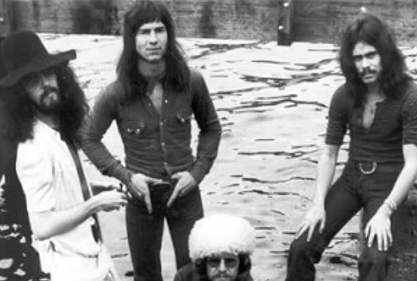
Bakery, una of the first hard rock bands in Perth. Laneway Music
Early notable acts included Bakery (1970–1975), whose 1971 album Momento introduced theatricality and weight to an evolving sound. Fatty Lumpkin and The Elks experimented with new sonic textures, while imported records from Black Sabbath, Led Zeppelin, and Deep Purple influenced local riffs and dark atmospheres, directly shaping the direction of Perth bands.
 
By the late 1970s, Black Alice emerged, offering a clearly heavy metal sound inspired by the New Wave of British Heavy Metal (particularly Iron Maiden and Judas Priest) but imbued with a distinct Australian aggression. Their debut Endangered Species (1983) remains a city classic.

The 1980s marked a turning point: bands like Allegiance forged powerful, energetic music influenced by Slayer, Metallica, and Sepultura, embracing thrash and speed metal elements. Perth’s metal venues—pubs, community halls, backyards—became hubs for fierce, intimate performances, with fanzines keeping fans informed.
 
In the 1990s, Perth produced a solid underground network of extreme bands. Infected, Sanity’s Dawn, and Execution spearheaded raw death metal, while grindcore and noise acts took cues from Napalm Death, Carcass, and Terrorizer. Venues like the Grosvenor Hotel and the Hyde Park Hotel thrived on relentless energy and breakdowns.

What made Perth unique was its unity: death, black, grind, and doom bands performed together, ignoring labels or subgenre distinctions—focused solely on pushing the music to its limits.

The 2000s saw a shift toward technical metal. Dyscord pioneered metalcore/tech-death with Arming Within (2006) and Dakota (2008), drawing influence from North American tech-death bands and metalcore pioneers. Chaos Divine transitioned from death/thrash to progressive metal with releases like Ratio (2006) and Avalon (2008), their style shaped by acts such as Dream Theater and Opeth.

Other underground currents also flourished: classic extreme bands like The Furor, Claim the Throne, and Naetu, who drew upon Scandinavian black and death metal for inspiration, alongside Christian-themed acts like Grave Forsaken and Scourged Flesh, blending thrash, death, and doom inspired by early Metallica, Slayer, and Mortification.

Perth overcame geographic isolation to forge a resilient, genuine, and dynamic scene. Today, extreme music thrives in small clubs, major festivals like Soundwave, and stages where every riff represents passion and perseverance.

Adelaide: Smaller but Louder

Adelaide may be smaller than Australia’s major cities, but it has been essential to shaping the country’s metal scene.
 
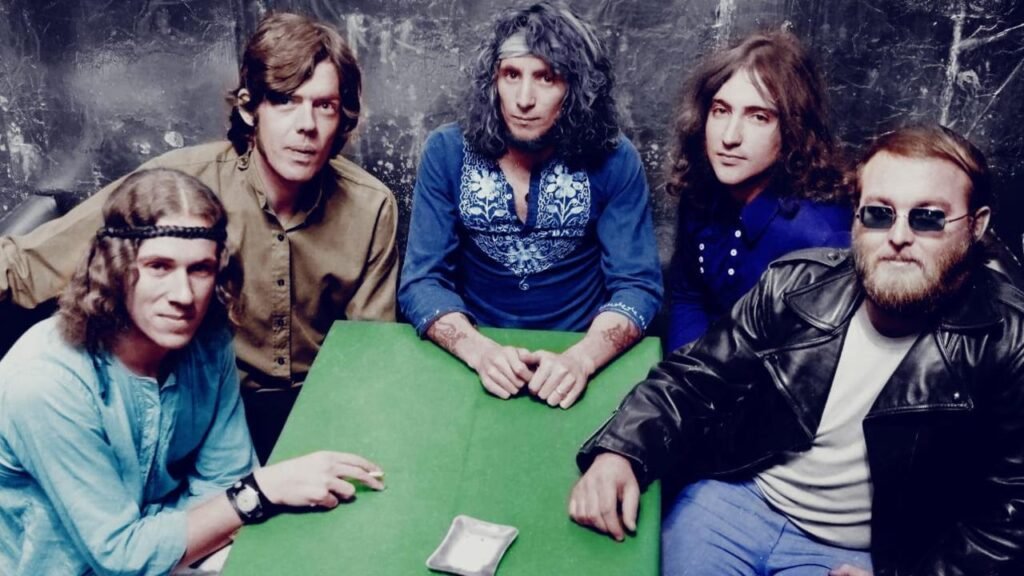
Its roots go back to the 1970s, in a transitional zone between hard rock, psychedelia, and heavy blues that prefigured the metal wave. Key acts included Fraternity, featuring a young Bon Scott, blending blues, hard rock, and Sabbath-inspired psychedelia.

Fraternity band. The Advertiser
Another seminal Adelaide band was Headband, whose prog- and dark hard-rock style laid the groundwork for future generations.
 
Despite remaining marginal compared to Sydney and Melbourne, Adelaide fostered a cohesive underground: shared rehearsal spaces, DIY fanzines, and concerts in theaters and ballrooms like Largs Pier Hotel and Thebarton Theatre. Emerging bands included heavy-oriented acts like Escape and Almost Human, as well as more extreme groups like Martire, which fused thrash, death, and black metal with explosive energy.

In the 1990s, Adelaide developed a distinct identity in doom metal, with Mournful Congregation and Virgin Black exploring slow, spiritual, and decadent territory, gaining attention in Europe and the U.S.
 
Meanwhile, The Mark of Cain—formed in the ’80s but reaching prominence in the ’90s—pioneered a hard, minimalist alternative/post-hardcore sound, helping Adelaide’s scene mature into an independent, self-sustaining community with indie labels, home studios, and loyal fans.

The new millennium brought further evolution. Bands like Universum (melodic death with Swedish influences), Truth Corroded (technical thrash/groove), and Double Dragon gained prominence with well-produced albums, international tours, and festival appearances.
 
Contemporary Adelaide remains exciting for Australian metal, balancing veteran acts with new talent. Hidden Intent (thrash revival) and Bifurcation (brutal death) maintain classic roots, while younger bands like Connections, Heartline, and Tympanic explore modern sounds inspired by Karnivool, Jinjer, Periphery, and Architects.

Festivals like Froth & Fury, events such as Metal to the Grave, and alternative spaces like the Woodshed nurture a tight-knit, intergenerational metal community that continues to grow, expand, and reinvent itself.
 
Though smaller, Adelaide has produced an autonomous, radical, and authentically Australian metal scene—with a fanbase that has always found ways to make itself heard, both nationally and internationally.

Related articles

Leave a Reply

Your email address will not be published. Required fields are marked *

Share