Extreme is the way

Southern African Metal: Past, Present, and Underground – Part one

In this part of the world, despite difficult social and economic conditions, all the prerequisites for the emergence of extreme music scenes are present. And in some countries, they have materialized.

Introduction

Some places in the world defy understanding. Dive as deep as you can, and mysteries remain. Only the tip of the iceberg is visible, hinting at layers and contradictions shaped by history—far removed from what outsiders might expect and still influencing political, economic, and social realities today.
 
No continent embodies these traits more than Africa: a massive landmass of 54 countries (some very recent, like South Sudan), each with its own unique history and culture stretching back through the ages. While these fascinating aspects should be at the forefront, recent times have seen them overshadowed by more dominant narratives.
 
Although the economy has slightly improved, poverty remains a persistent issue. With this context in mind, it is important to note that climate change, political instability in many countries, and the historical (and ongoing) exploitation of territories and resources by Europeans all help maintain the relevance of the “African question” as one of the primary drivers of mass migration to other continents in search of a better life.

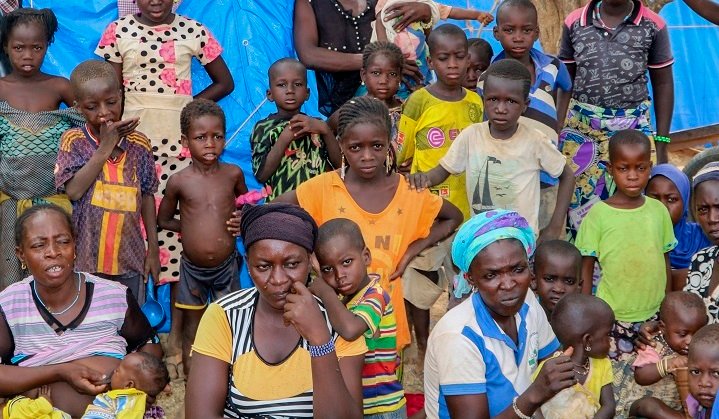
The extreme poverty conditions in which women and children are forced to live in Burkina Faso. SettimanaNews
For those who remain, prospects are often bleak. Ongoing internal and international conflicts worsen the continent’s challenges. However, music serves as a unifying “language.”
 
Africa has a highly diverse musical tradition that mirrors its ethnic, cultural, and linguistic variety. This richness becomes especially relevant when considering that many contemporary genres trace their roots to the continent. Jazz, born in Louisiana, carries rhythms from Africa brought over during the transatlantic slave trade—just as the blues later evolved into rock ’n’ roll. Today, in a reversal of influence, Africa seems to be reclaiming its musical heritage.
 
In recent years, many of these genres have become widely accessible across Africa, including one that might seem unlikely: metal. To understand this surprising development, it helps to consider that this genre—historically rejected by institutions in northern countries and largely foreign to local cultures in sub-Saharan Africa—has gradually carved out a presence, especially in southern Africa. Here, a strong scene thrives: historic events, politics, and the urge to address racism, wars, and extremism through a uniquely expressive genre.

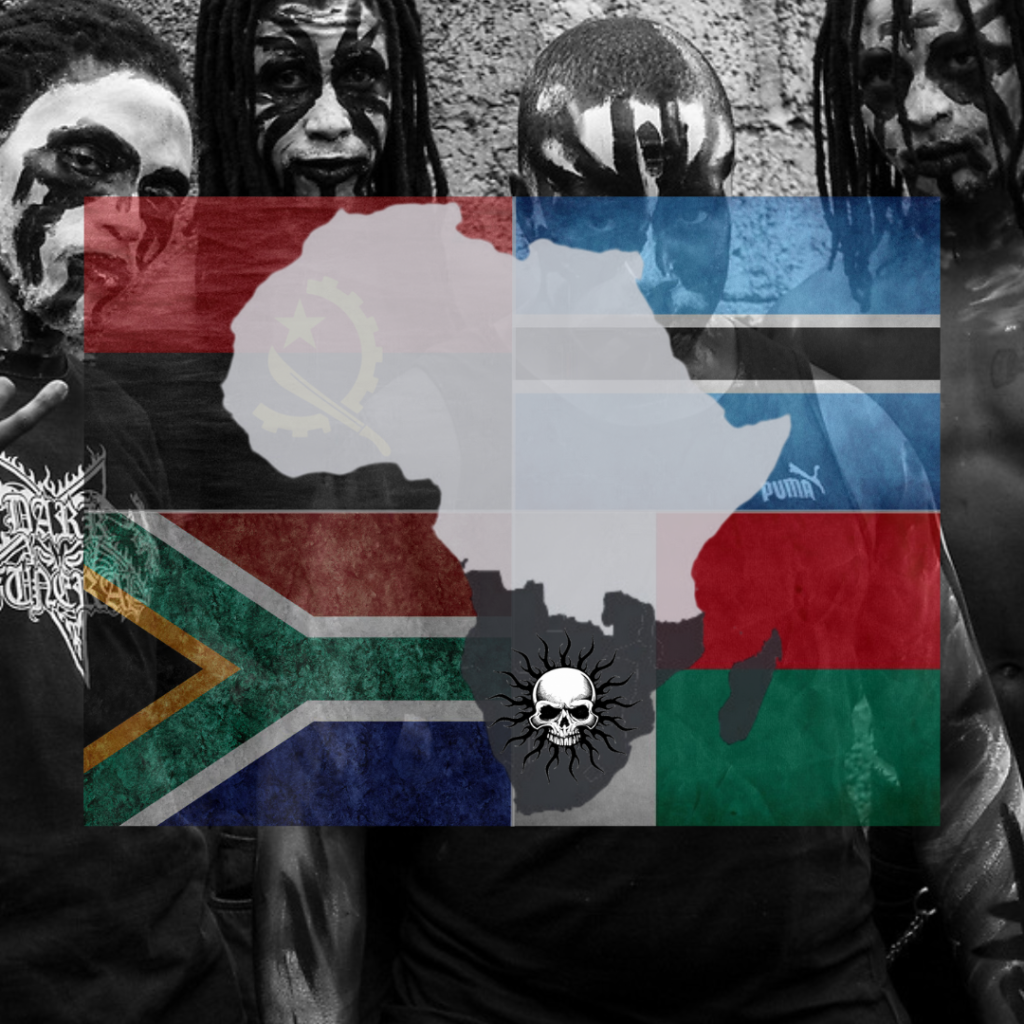
Angola: Metal as Redemption

Angola’s metal scene didn’t emerge early—though related genres like hard rock appeared in the 1970s. The reasons are clear.
 
The country has a deeply troubled history. Since the arrival of the Portuguese in the 1500s, Angola experienced intense social and political tensions, from being a hub of the slave trade to a full-fledged Portuguese colony. In the modern era, after World War II, dictators António Salazar and Marcello Caetano brutally suppressed the growing independence movements.

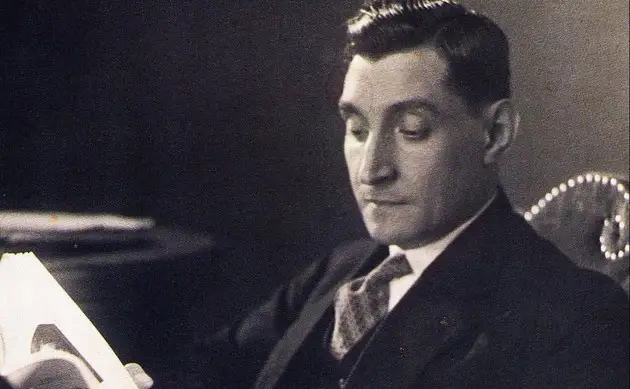
Antonio Salazar in 1940. Finestre sull'Arte
In response, three local political factions emerged: the Popular Movement for the Liberation of Angola (MPLA), the National Front for the Liberation of Angola (FNLA), and the National Union for the Total Independence of Angola (UNITA), led by Jonas Malheiro Savimbi. These groups fought the Portuguese until independence was finally declared on November 11, 1975.
 
Tensions persisted as three factions vied for power, leading to a prolonged civil war dominated by UNITA, with thousands dead. Only in 2002, after Savimbi’s death and a peace treaty with the FAA, did stability start to return—though the conflict’s impact lingers.
 
In the Cabinda region, separatist movements remain active, while poverty continues to ravage the interior. Major cities, including the capital Luanda, suffer from deteriorating conditions in their outskirts, and Huambo stands out as a symbol of this struggle.

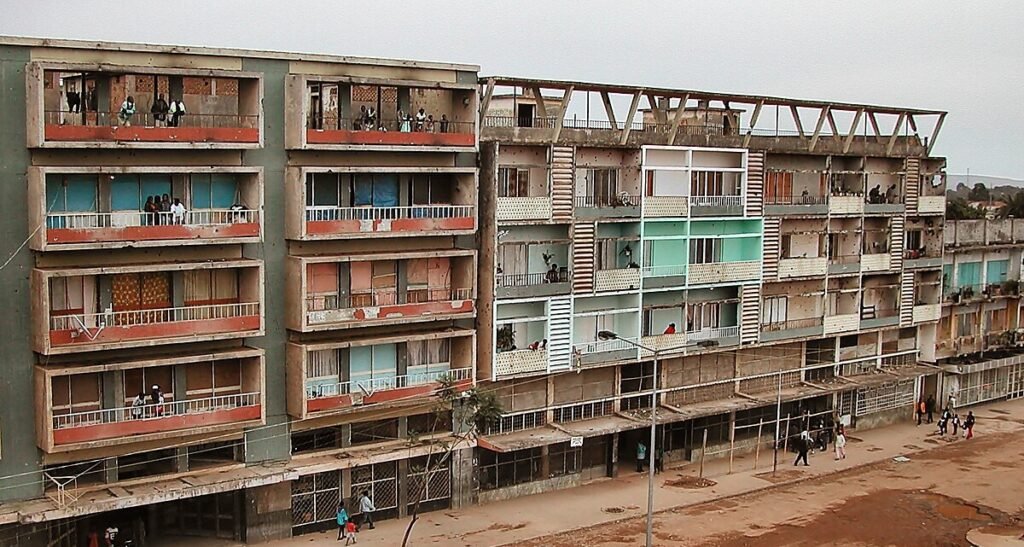
A neighborhood in Huambo. Wikipedia
Huambo, Angola’s second-largest city, endured destruction during civil wars: ruined buildings, infrastructure, and many deaths. Orphaned children found refuge in orphanages and centers.
 
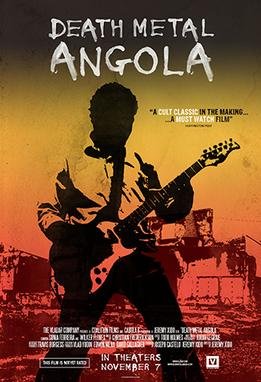
This reality caught the attention of filmmakers, notably New Yorker Jeremy Xido, who documented Huambo in a unique perspective with his movie Death Metal Angola.

the cover of Death Metal Angola
The documentary focuses on Sónia Ferreira and Wilker Flores, founders of the Okutiuka orphanage, which shelters over 50 children.
 
Flores, a lifelong metal fan, used music to awaken the spirits of these young people, organizing events that had never been seen in Angola before. Consequently, this aggressive, raw music with lyrics directly addressing the traumas of war became a lifeline, helping the movement spread across the country.
 
In 2011, Flores organized the country’s first metal festival, effectively founding Angola’s metal scene: the ORLEI Festival. Early bands included Neblina, Dor Fantasma (thrash), Before Crush (metalcore), Singra (thrash), Horde of Silence (black metal), and softer acts like Kishi (stoner metal).

Today, Angola’s metal scene remains small but united and resilient. Over time, extreme music has become a vehicle for healing and self-expression for a generation affected by war, giving these young people a true reason to live.
 
Death Metal Angola received positive reviews from major outlets such as The Huffington Post and The Hollywood Reporter for shedding light on this unique and powerful reality.

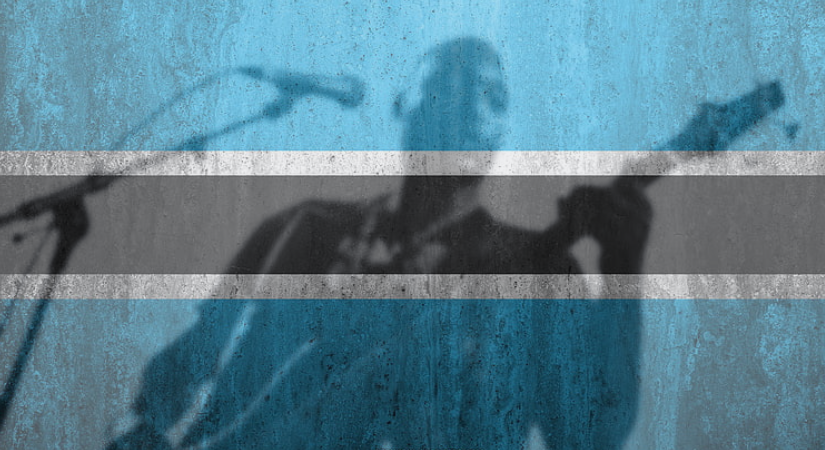
Botswana: The New Promised Land

Botswana stands out in southern Africa’s metal world. Unlike its neighbors, its rise isn’t linked to historical conflict.
 
Botswana was a British protectorate for 80 years, experiencing relatively few tensions. When it gained independence in 1966 as Bechuanaland, it transitioned peacefully from one of Africa’s poorest countries to one of its most stable, socially and economically.
 
During this time, hard rock and other European genres spread in Botswana. Interestingly, the scene’s roots were Italian.

Nosey Road. Youtube
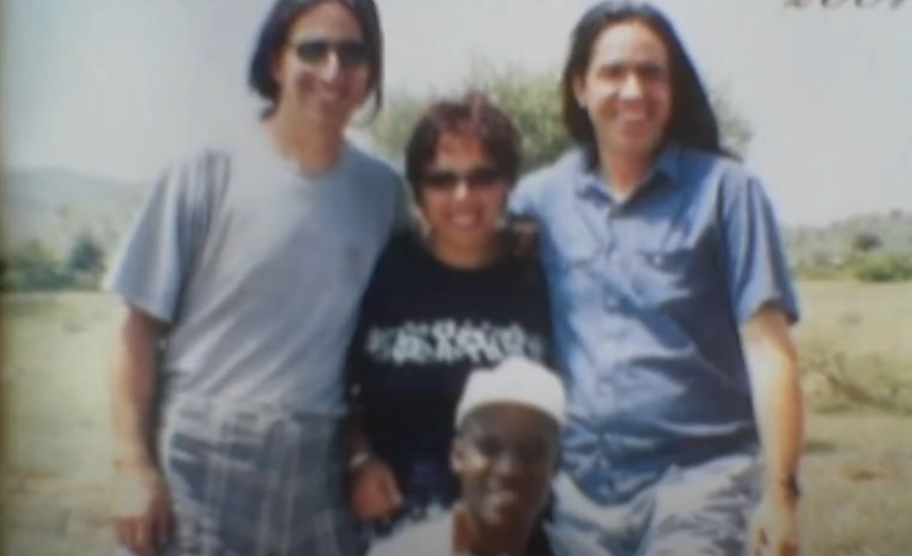
Nosey Road, one of Botswana’s first hard rock bands, was founded by brothers Ivo and Renato Sbrana, sons of Giuseppe Sbrana, an Italian psychologist who had established the country’s main psychiatric hospital in the capital, Gaborone. Their old-school style laid the groundwork for a thriving extreme music scene, nurtured within the family.
 
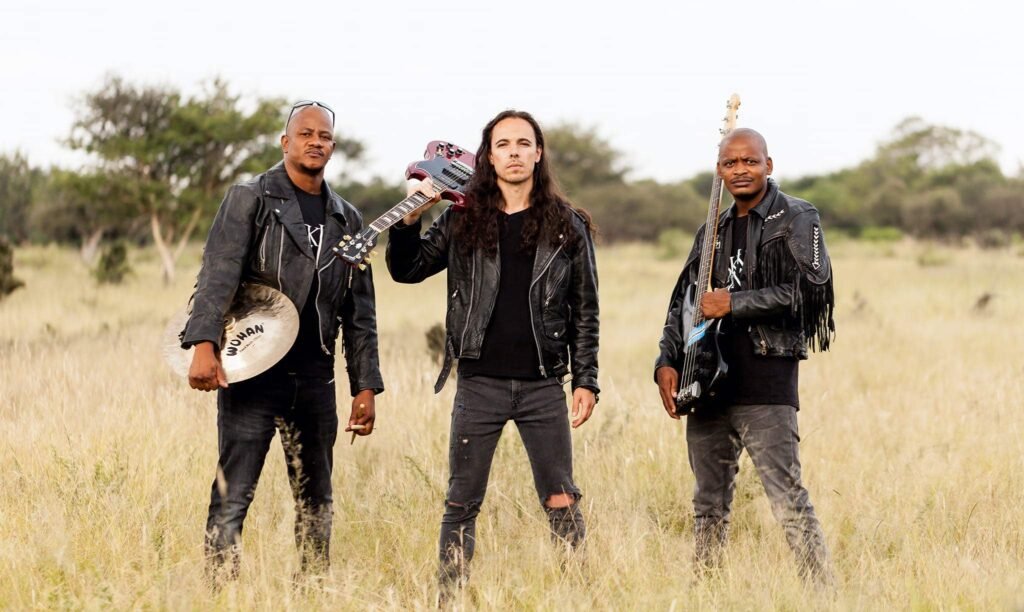
The Sbrana family’s love for heavy music continued. Giuseppe and Alessandra Sbrana, with bassist Kebonye Nkoloso, formed Skinflint—one of Botswana’s first metal bands. Since 2006, Skinflint has blended classic metal with African folk, especially in its lyrics, drawing on African mythology.

Skinflint's lineup with the frontman Giuseppe Sbrana in the middle

Albums like Iklwa (2010), Dipoko (2012), and Nyemba (2014) are the highlights of their discography, showing a strong backgrownd between tradition and musical skills.

With seven full-length albums, Skinflint gained international attention in North America and Europe, touring as a headliner and as a supporting act for Soulfly and Rotten Sound. They played a crucial role in putting Botswana metal scene on the global map.

Metal Orizon
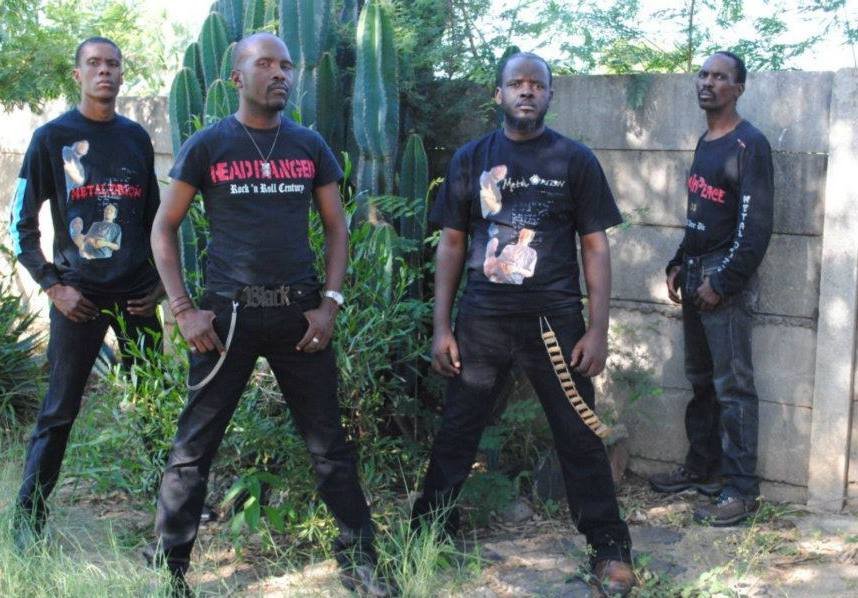
Before Skinflint, Metal Orizon had already spread heavy metal across Botswana. Led by Bophelo Santos Thabakgolo, the band has been active since 1990, releasing four full-length albums in classic metal fashion. Their leather jackets, studs, chains, and raw attitude inspired future generations toward heavier sounds.
 
Among these successors are Overthrust, founded in Ghanzi in 2008 by singer Tshomarelo “Vulture” Mosaka. For over a decade, they’ve hosted the Overthrust Winter Metal Mania Fest, attracting Botswana’s largest metal community: the MaRock.

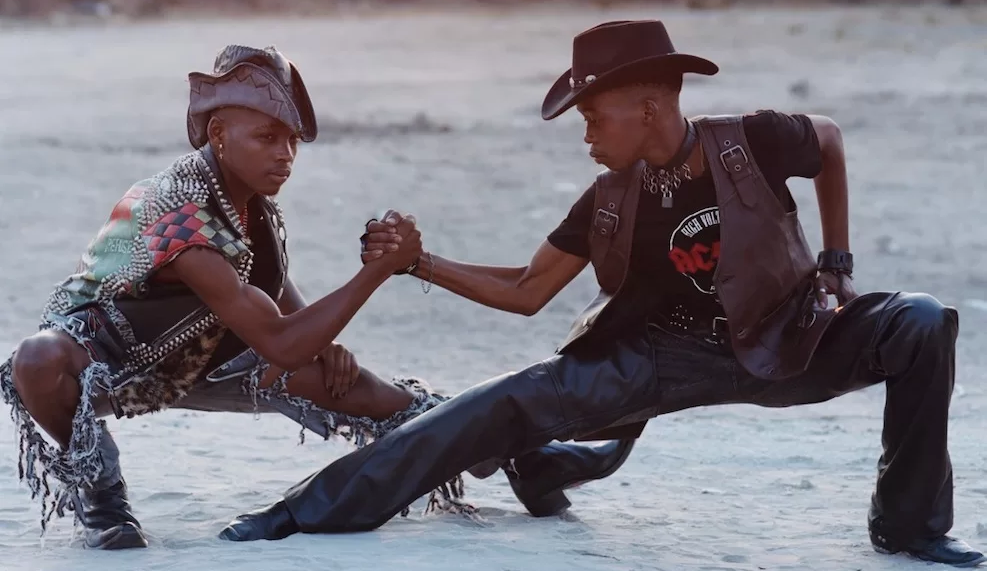
Two metalheads with MaRock dresscode. The Next Cartel
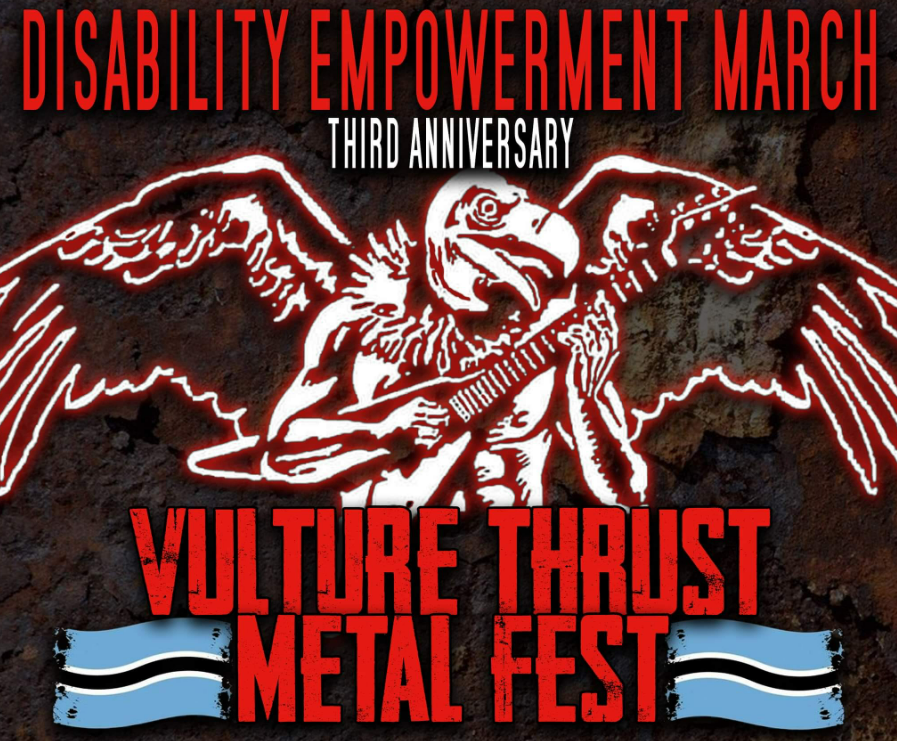
MaRock fans stand out with their unique blend of cowboy and metal attire, accessorized with whips, ropes, skulls, and animal bones—a dress code that defines both a genre and a visible community. Despite criticism from religious extremists who deemed them heretical, the movement persevered. Their Vulture Thrust Metal Fest supports orphanages, schools, and children with disabilities, blending music with social impact.
 
Emerging bands such as Wrust (death metal) and Crackdust (now disbanded) have continued to enrich the scene. Names like Nodd, Remuda, Stealth, Stane, and Vitrified reflect a growing and vibrant community.

The flyer of the third anniversary of Vulture Thrust Metal Fest
Today, Botswana boasts a distinct metal identity: a subculture that spreads through its followers, engages socially, and continues to expand. This demonstrates how, even when emerging from very different backgrounds, small scenes across Africa can make a substantial impact.

Continues

Related articles

Leave a Reply

Your email address will not be published. Required fields are marked *

Share