Extreme is the way

Hellish Islands: The Extreme Metal of the Caribbean – Part two

Beyond the large Puerto Rican scene, the Caribbean scene is also shaped by smaller nations, which have given rise to unusual and unique projects

Puerto Rico, The Heart of the Antilles

The scenes we’ve explored are vibrant—but none rival Puerto Rico’s. Here, the Caribbean’s largest group of musicians and fans has emerged, and understanding why is crucial.
 
Often viewed as a nation, Puerto Rico is an unincorporated U.S. territory. It has autonomy, traditions, and its own language, but it depends on the U.S. government. This status, set in 1898, has sparked debates over independence and annexation, yet it remains unchanged.

The Capitol building in San Juan with the flags of Puerto Rico and the United States on display. Worlds Animal
In the end, this arrangement has benefited Puerto Ricans. American influence brought economic and social gains, distinguishing the island from its neighbors. At the same time, Puerto Ricans remain deeply rooted yet have never adopted an insular mindset toward other cultures—including music.
 
Puerto Rico is known for salsa, but ties to a metal stronghold fueled a local extreme music scene. While prejudices existed, metalheads weren’t ostracized. By the mid-1980s, a strong community had emerged, its story told through three key bands.

Cardinal Sin, the first metal band from Puerto Rico
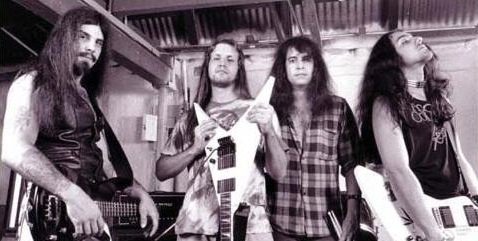
Cardinal Sin was the first metal band in Puerto Rico. Formed in 1984 in Bayamón, the group—George López (guitar, vocals), John Dones (guitar), Kenny Grau (drums), and Diego Duran (bass)—quickly built a solid fanbase. A name like that was unheard of for a band of at the time, especially one playing Slayer-inspired thrash metal infused with socio-political lyrics.
 
Many bands of the era, including Xacrosaint and Deathless, had Christian backgrounds. They even played in front of churches, expressing religious themes. However, this was a positive contribution to the metal scene, because it reshaped metal’s satanic stereotype and helped the scene grow.
 
Even though Cardinal Sin projected a more rebellious image, they were still widely appreciated. They played the same genre as the Christian bands, and there were no rivalries—only a shared goal: spreading metal across the island. And eventually, they succeeded.

Puerto Rican metalheads knew them well—but that wasn’t enough. Cardinal Sin aimed higher and moved to Boston. Initially, things looked promising: they headlined shows and shared stages with major acts like Death Angel, Forbidden, and Wargasm. Unfortunately, it wasn’t enough.
 
The band struggled to secure a label deal for a full-length album and break internationally. After two decades together, Cardinal Sin disbanded in 2004, leaving behind a small but symbolic discography—passing the torch to those who would finally achieve their goal.

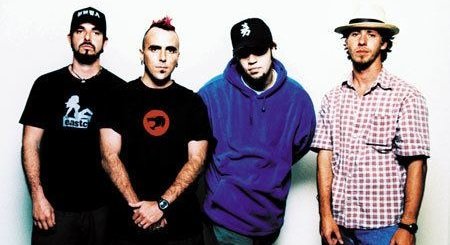
Puya. Alchetron
Puya was formed in 1991 in San Juan, founded by Ramon Ortiz (guitar), Harold Hopkins Miranda (bass), and Eduardo Paniagua (drums). After recruiting vocalist Sergio Curbelo, they followed in Cardinal Sin’s footsteps and relocated to Fort Lauderdale, Florida.
 
They adopted a bold strategy to stand out: blend contemporary trends with cultural roots. The result fused groove, thrash, nu, and rap metal with Puerto Rican salsa. No one had attempted anything like this at the time, and that became their greatest strength.
 
Their self-titled debut stunned listeners with its diversity: danceable rhythms coexist with mosh-driven aggression, combining metal instrumentation with salsa elements like congas and saxophone, with the lyrics that seamlessly switch between English and Spanish (“Spanglish”).

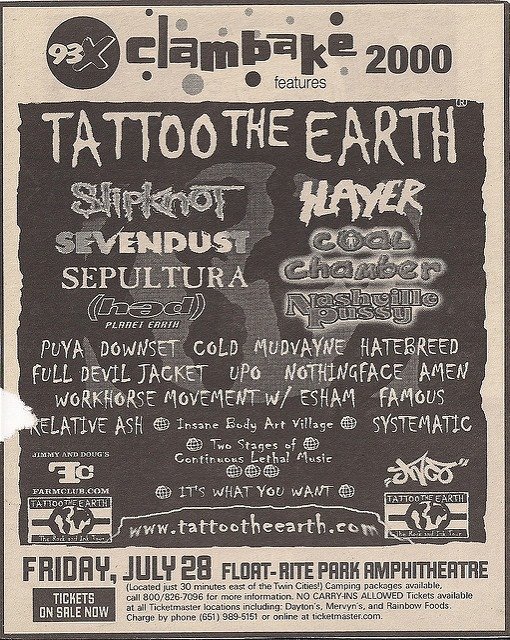
This unique style was intentional, because Puya’s mission was accomplished: elevate Puerto Rican metal on the global stage. And they did it. By the late 1990s, they performed at major U.S. festivals such as Ozzfest, sharing stages with Slayer, Sepultura, and Pantera.

Flyer of Clambake Festival 2000. Facebook, Puya official profile
By then, the world knew Puerto Rico had a metal scene—but its underground remained largely unexplored. This would change with the emergence of Dantesco.

Dantesco. Los Mejores Rock
Formed in 2003 in Cayey by Eric Morales, Dantesco brought an epic/doom metal sound with clean vocals and poetic lyrics. Beyond their musicianship, their aesthetic stood out—reflecting themes of history, politics, and anti-religion, paired with a logo reminiscent of black metal imagery. After their debut De la mano de la muerte (2005), they caught the attention of Italian label Cruz del Sur, which released their second album Pagano (2008) in Europe.

This exposure gave Dantesco international recognition, cementing their status in Puerto Rican metal. The band released four albums before becoming inactive in 2021, when Morales died, elevating other extreme acts.
 
In death metal, bands like Organic Infest (now Organic), Deathkross, and Encrypted emerged in the early ’90s, while newer names include Blood Rapture, Necronemesis, and Zafakon. In black metal, none have been more influential than Godless. Founded by Lord Asaradel in 1989, the band gained traction in Scandinavia and paved the way for projects like Carpathian Wrath, Traurent, Valturn, and Vermyapre.

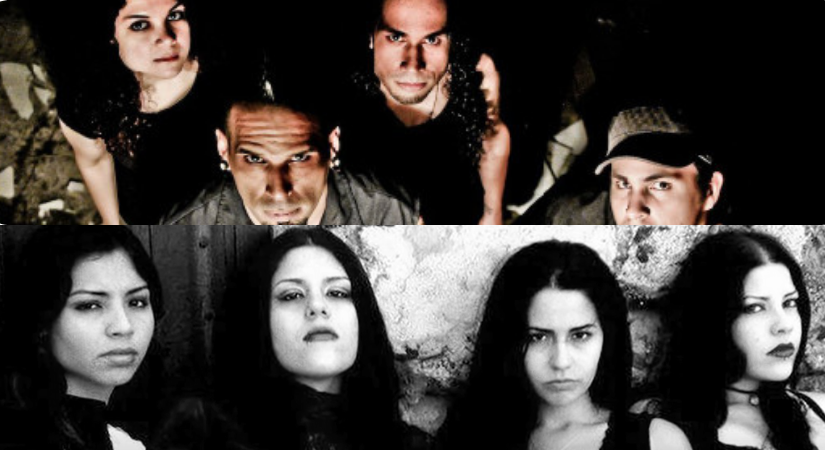
Women have also played a significant role in the scene. Notable figures include Damaris Negrón of Death Arrangement (who died in 2012), the all-female melodic death band Matriarch, and vocalist Angra of the black metal duo Angbrodas Curse.

Damaris Negrón (top left) with Death Arrangement. Below, Matriarch.
Today, metal in Puerto Rico is a well-established phenomenon—one that continues to grow despite the loss of key figures.

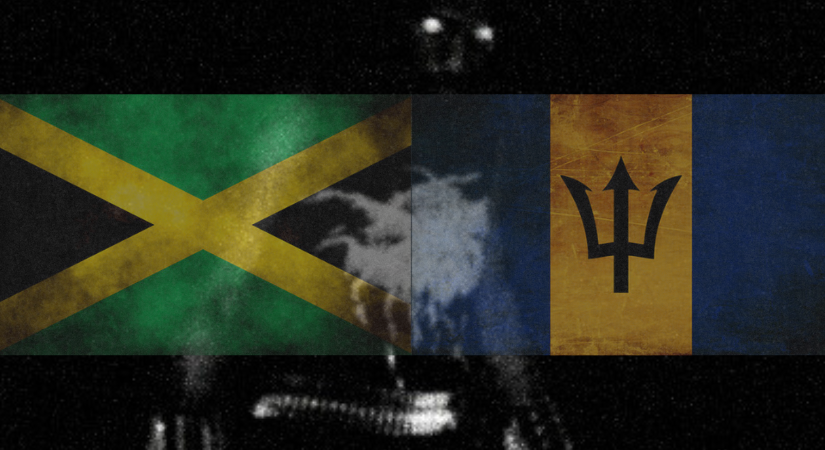
Jamaica and Barbados: Two Scenes, One Spirit

The Caribbean is hardly the first place that comes to mind when discussing metal—especially the Lesser Antilles. However, even here, signs of a growing scene are emerging, starting from one of the region’s most unexpected countries.

The flag of the Ethiopian Empire featuring the Lion of Judah, a symbol of the Rastafarian religion.

How often do you associate “metal” with “Jamaica”?

Jamaican culture is deeply rooted in Sub-Saharan African heritage, reflected in its spiritual traditions. Among them is Rastafarianism, known for its peaceful philosophy and global influence through reggae—and especially through its most iconic figure, Bob Marley.

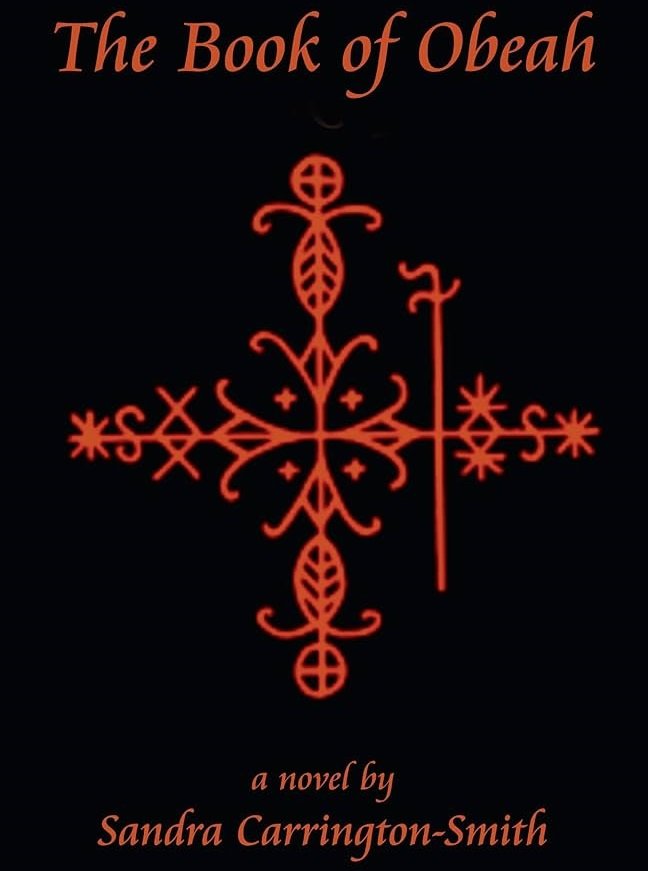
Another, lesser-known belief system is Obeah, brought by the Ashanti people, often compared to Vodou, that has long been associated—fairly or not—with “black magic.” When introduced to Jamaica, it clashed with the native Myal religion and developed a darker reputation.

The Book of Obeah by Sandra Carrington-Smith

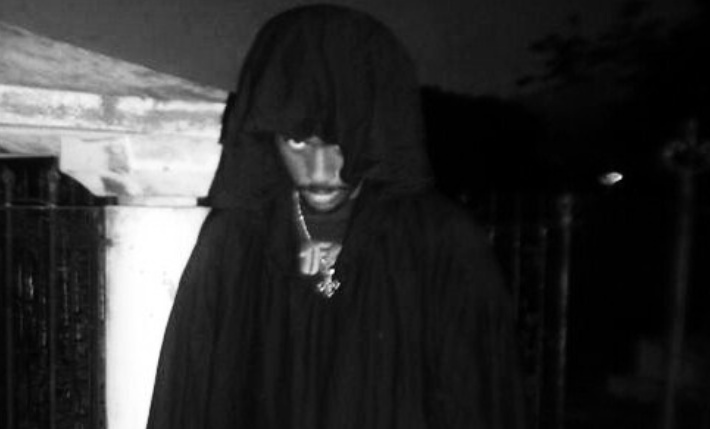
This spiritual duality—peaceful and mystical on one side, obscure and esoteric on the other—mirrors, in some ways, the ethos of black metal. And one man embraced this connection: Lord Ifrit.


Lord Ifrit
A fifth-generation Obeah priest from Portmore, he founded Jamaica’s first metal project, Orisha Shakpana. The name references Yoruba mythology, where orishas are semi-divine beings—Shakpana being associated with disease.
 
His music reflects that darkness: raw, primitive black metal in the vein of Darkthrone, with war metal-style vocals. This approach defined albums such as Satanic Powers in Jamaican Hills (2006), Misanthropic Warfare (2007), and Spectral Duppymaan Black Metal (2010), as well as his side project, Broken Messiah.

Lord Ifrit left a lasting mark on Jamaica’s underground, inspiring bands like Satan’s Anger from Kingston. Though he now resides in Philadelphia, his influence spread across the Caribbean.

Currently, Lord Ifrit lives in Philadelphia, but before moving, his tracks reached as far as the other side of the Caribbean.

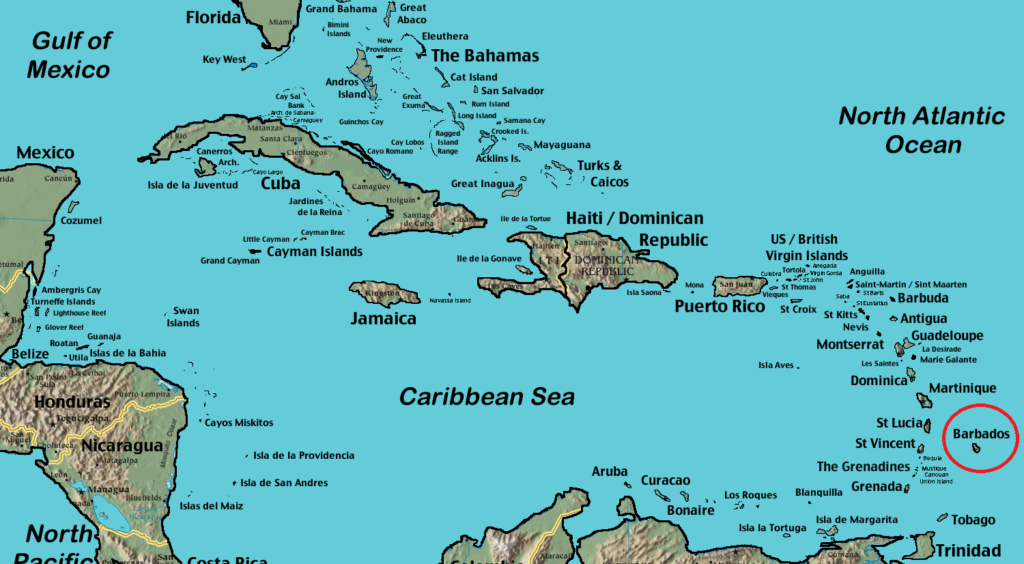
Location of Barbados
In Barbados—a country better known for Grandmaster Flash and Rihanna—metal found its pioneer in Kadeem Ward, aka Emdeka Anubis. In 2009, he founded Conrad, the island’s first black metal project. Though primarily a solo act, Conrad benefited from Lord Ifrit’s involvement—he designed the logo, contributed to an EP track, and influenced its sound alongside bands like Windir.
 
Another notable project is Tboptpias, also from Bridgetown, with their 2016 EP Caucasian Flagellation.

Jamaica and Barbados are thus closely linked in extreme music—not only through shared figures, but through a similar path: a small scene built around black metal, driven by a few key artists and their dedicated followers.

Trinidad and Tobago, A Solid Reality

Still within the Lesser Antilles, Trinidad and Tobago has developed a noteworthy metal scene.
 
The nation, made up of two islands, has a rich musical heritage rooted in calypso—a genre known for its syncopated rhythms, acoustic guitars, and percussion instruments such as drums and bongos. Popularized internationally by Harry Belafonte, calypso originated here and often carried politically charged, protest-driven lyrics—especially during the colonial era. That same rebellious spirit resonates with metal, which has gained ground more recently.

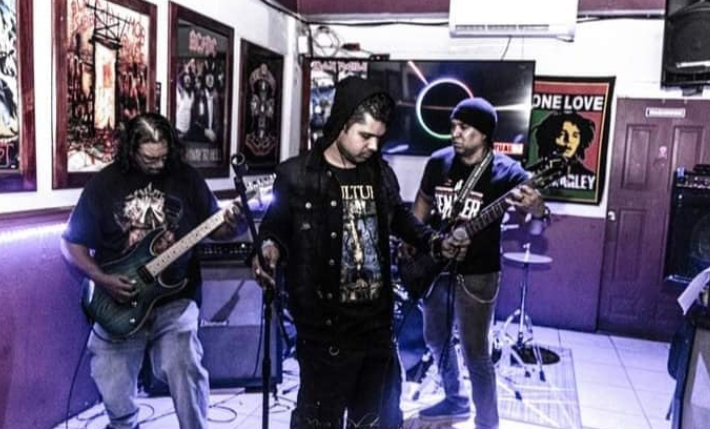
Tremor. Facebook, Tremor official profile
Beyond the capital, Port of Spain, the city of San Fernando has become a key hub. Bands like Tremor, active since 2000, evolved from progressive metal to a melodic death style inspired by At The Gates. Other notable acts include Necropollis (disbanded) and Avatar (now Klavium), each reaching international audiences in part through collaborations with Lord Ifrit and Emdeka Anubis.
 
Despite its relatively late development, the scene gained visibility thanks to one standout band: Lynchpin.

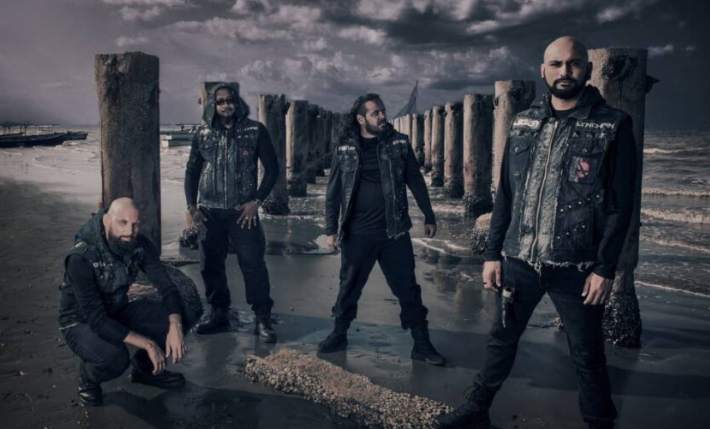
Lynchpin
Formed in 2009, Lynchpin blends classic death metal with deathcore. In 2016, they seized a major opportunity: Wacken Open Air launched a Caribbean contest, offering winners a slot at the world’s biggest metal festival. And Lynchpin won.
 
Months later, they performed in Germany, becoming the first Caribbean band to play at Wacken. Following this milestone, they released Millennial Holocaust (2018), further spotlighting their local scene.

Newer acts like Apokrypha (black metal), Execution Mode (thrash/groove), and Immurement (brutal death) are continuing to build momentum.

Trinidad and Tobago may still be laying the foundations for a long-term extreme music scene, but its trajectory is clear: it’s moving in the right direction.

Related articles

Leave a Reply

Your email address will not be published. Required fields are marked *

Share