Introduction
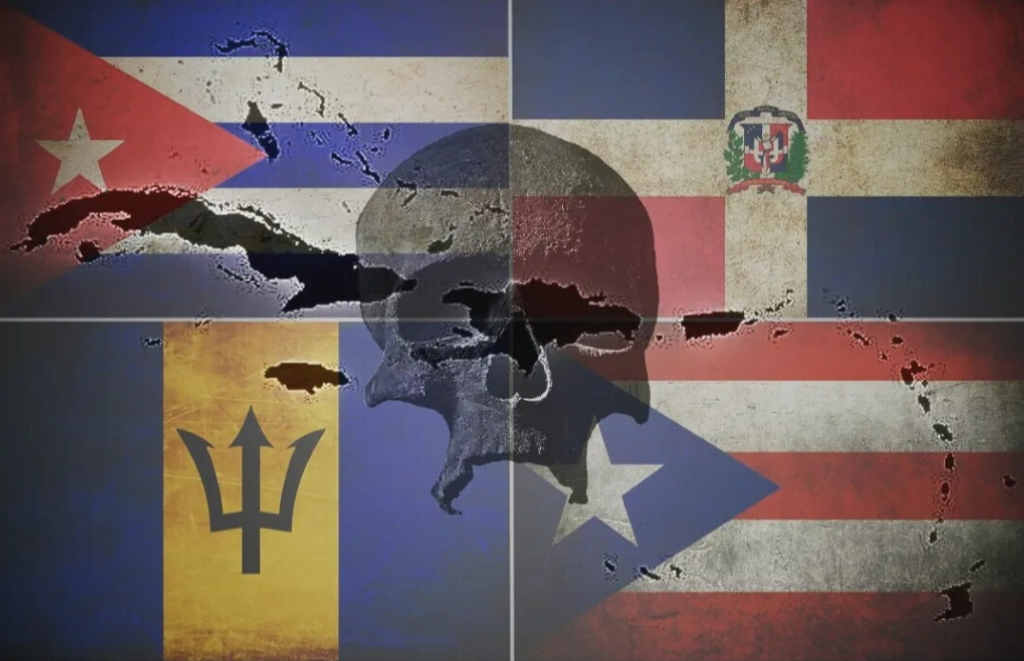
Cuba, Where it All Began
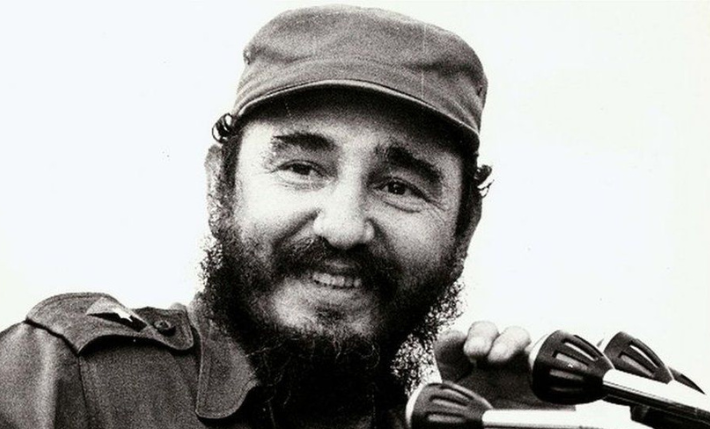
After Fulgencio Batista fell in 1959, Cuba came under the rule of Fidel Castro’s Communist Party. In the early years of the Cold War, the island became a strategic ally for the Soviet Union, thanks to the Marxist-Leninist ideals of the new government, but a constant threat to the U.S., just across the sea.Tensions with Washington escalated with events like the Bay of Pigs invasion, the ongoing trade embargo, and the Cuban Missile Crisis.
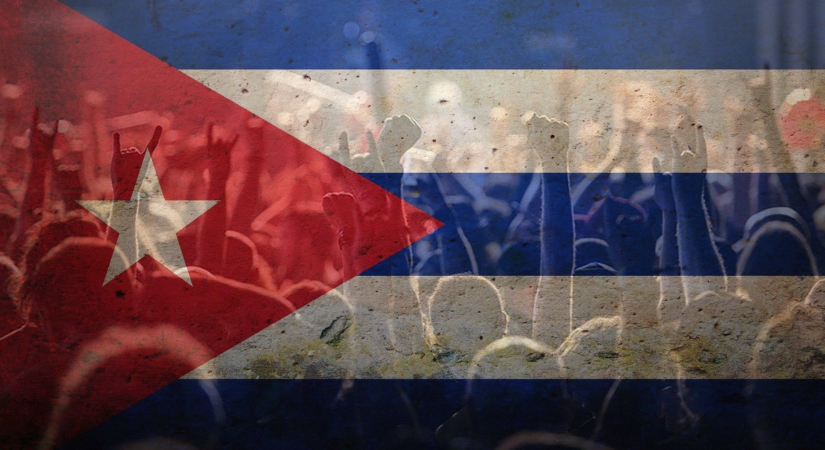
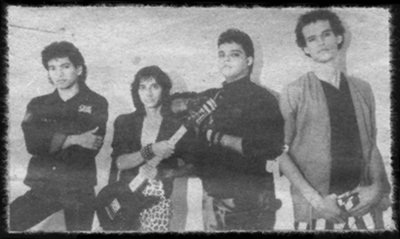
Cuban society felt these shifts everywhere—even in music. Listening to the Beatles was already banned, and heavy metal was seen as even more dangerous: fast, aggressive, English-language music played by fans wearing American band tees. Consequently, metalheads were marginalized, their love of loud riffs and rebellion putting them at odds with the mainstream.
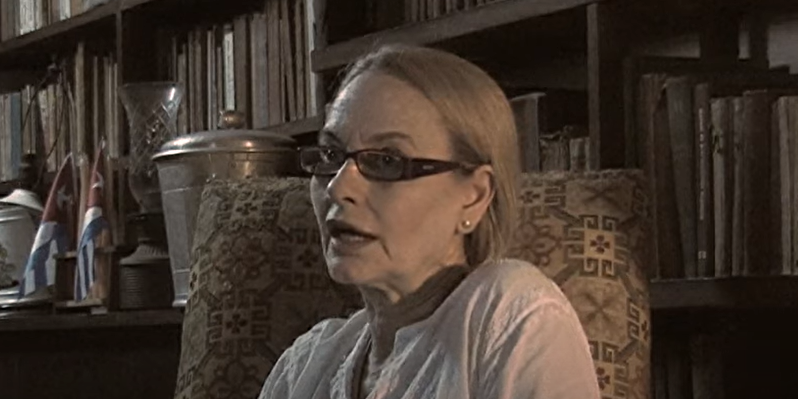
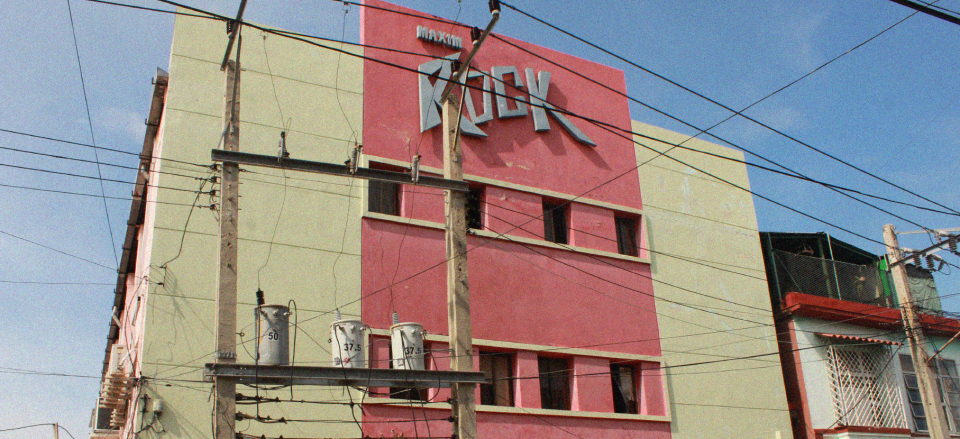
Venues were scarce, and most theaters and arenas were off-limits. The only spaces left were the casas de la cultura (houses of cultures)—’60s cultural centers designed for education, which became the heart of Cuba’s underground metal scene. Leading the charge was María Gattorno, the godmother of extreme Cuban music, turning these cultural hubs into safe havens for concerts, gatherings, and rebellion.
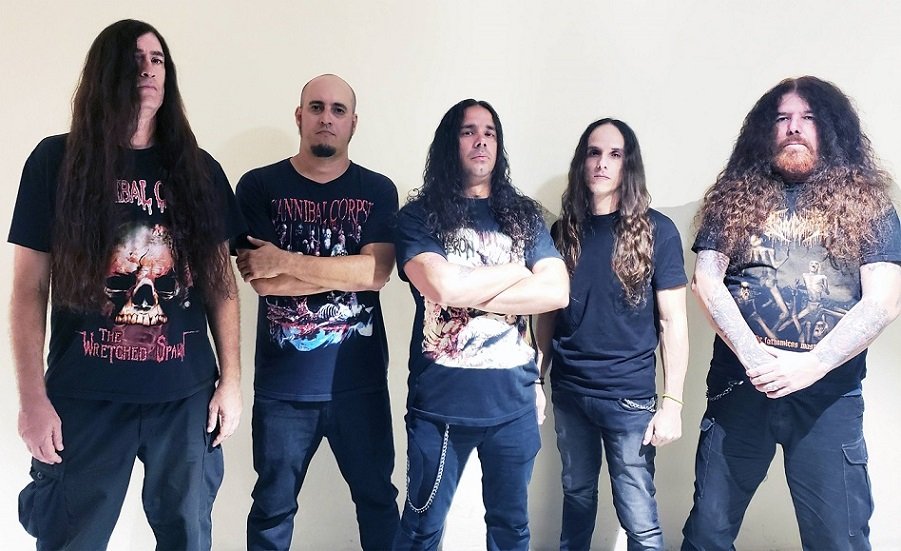
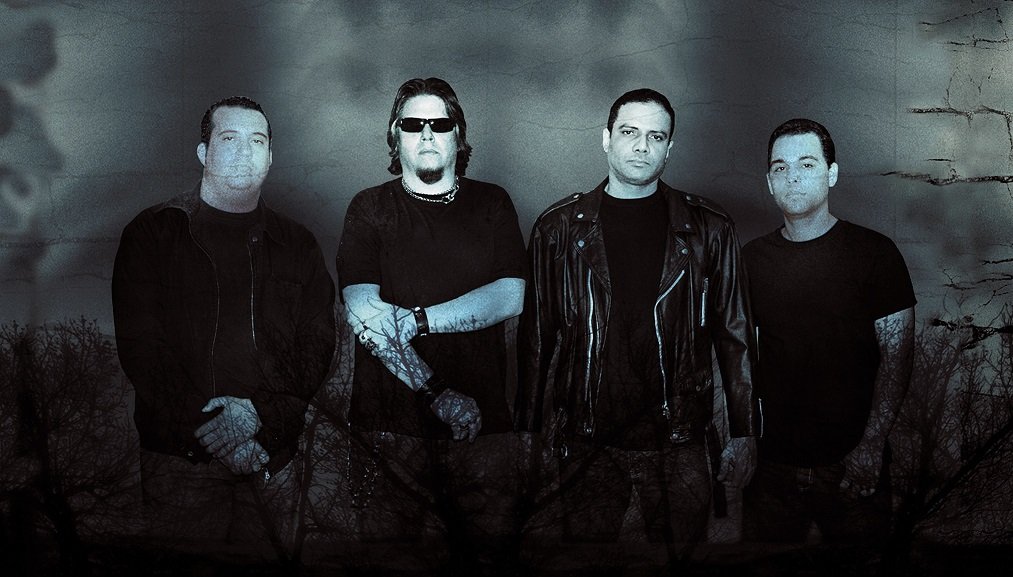
Today, Cuba boasts representatives in power metal, grindcore, and depressive black metal, solidifying its role as a Caribbean stronghold of extreme music.
Dominican Republic: Metal Pride
At the time, the aftermath of previous regimes and the 1965 civil war was still fresh. President Joaquin Balaguer, though considered liberal, often acted in ways that were almost authoritarian. His Social Christian Reformist Party held a deeply conservative and religious stance, which in an already strongly Catholic country made traditional values even more entrenched.
It became clear that the real obstacle for metal fans wasn’t political, but social. Metal wasn’t illegal, but society—fueled by a sensationalist press—painted fans and musicians as drug users, killers, devil worshippers, and promoters of immorality.
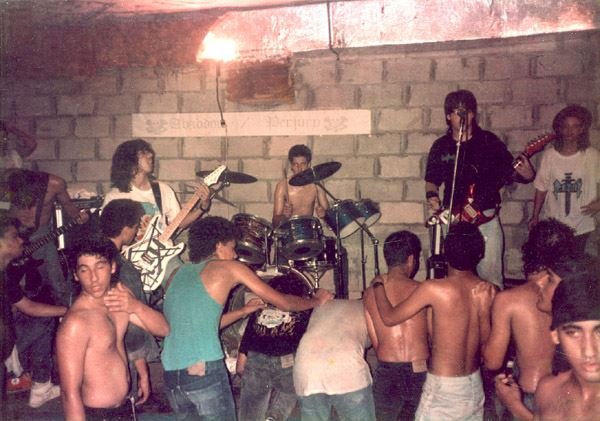
The first to feel the impact of this social stigma were Abaddon RD. Formed in 1987, they had already gained attention at the Rock Olympics, a local festival for emerging artists. But their growing reputation made it hard to book gigs in venues, forcing them to take over an abandoned house—called the “House of Metal”—as their rehearsal and concert space.
This became the first iconic starting point of the Dominican extreme metal scene, though prejudice was still a major barrier. Boycotts and social pushback were so strong that metal seemed on the verge of disappearing. Yet the fans didn’t give up—inspired by a sense of defiance, they began openly challenging public opinion.
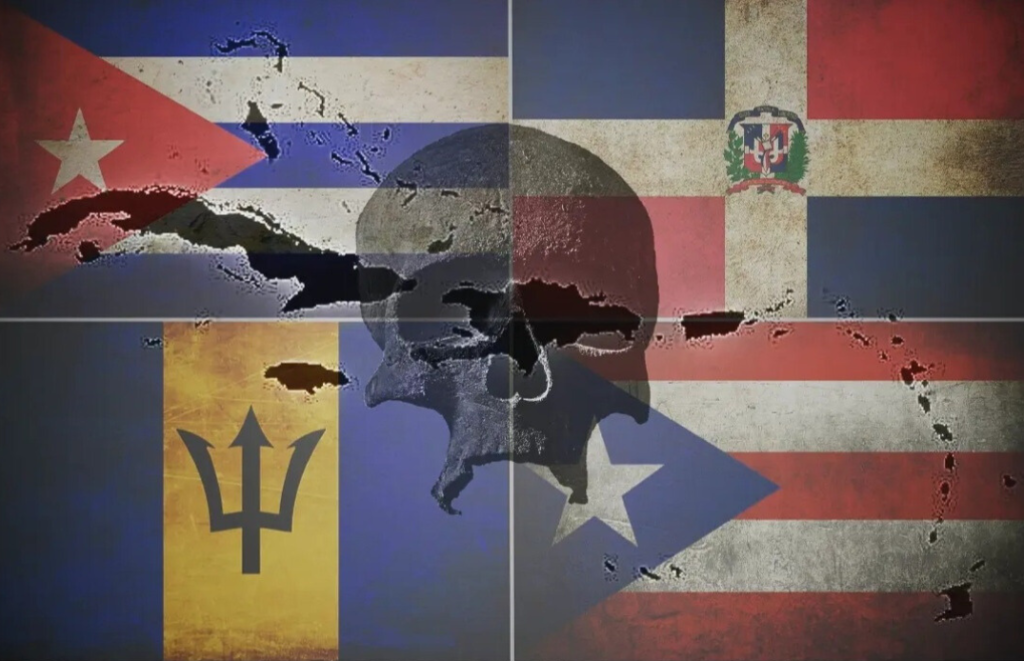
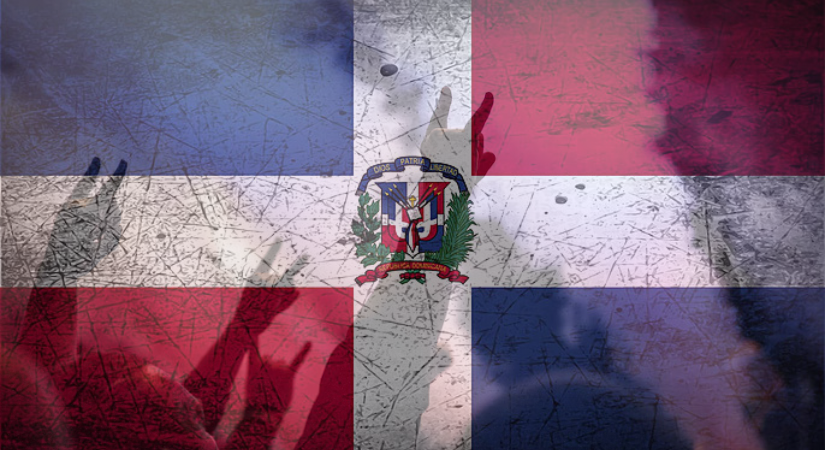
Alongside Cuba and Puerto Rico, Dominican Republic now stands as one of the most significant Caribbean extreme music hubs.